



The typical screen protector cost ranges from $5 to $50 or more, with the price driven by material, brand, device compatibility, and added features like privacy or blue light filtering. Your final cost depends on whether you choose a basic plastic film or a premium tempered glass protector with a replacement warranty.
What is the typical screen protector cost?
A standard screen protector costs between $5 and $50+, with most users spending $10 to $20 for a reliable tempered glass option. The wide range reflects differences in material quality, brand reputation, and whether the protector includes specialized features such as anti-glare coatings or privacy filters. For example, a basic plastic film protector may cost under $10, while a premium tempered glass protector from a top brand can exceed $30.
Factors that influence screen protector cost
Six key factors determine what you will pay for a screen protector. Understanding these helps you match the product to your needs without overpaying.
- Material: Tempered glass is more expensive than plastic film due to its superior scratch and impact resistance. Liquid screen protectors are a separate, usually mid-priced category.
- Brand: Well-known brands like ZAGG, BodyGuardz, and Spigen command higher prices for their quality control, warranty programs, and customer support. Lesser-known brands offer lower prices but may lack these assurances.
- Device compatibility: Screen protectors for popular models like iPhones and Samsung Galaxy phones are widely available and competitively priced. Protectors for less common or older devices often cost more due to lower production volume.
- Level of protection: Additional features such as privacy filters, blue light blocking, or anti-glare coatings increase the price. Each feature adds manufacturing complexity and materials.
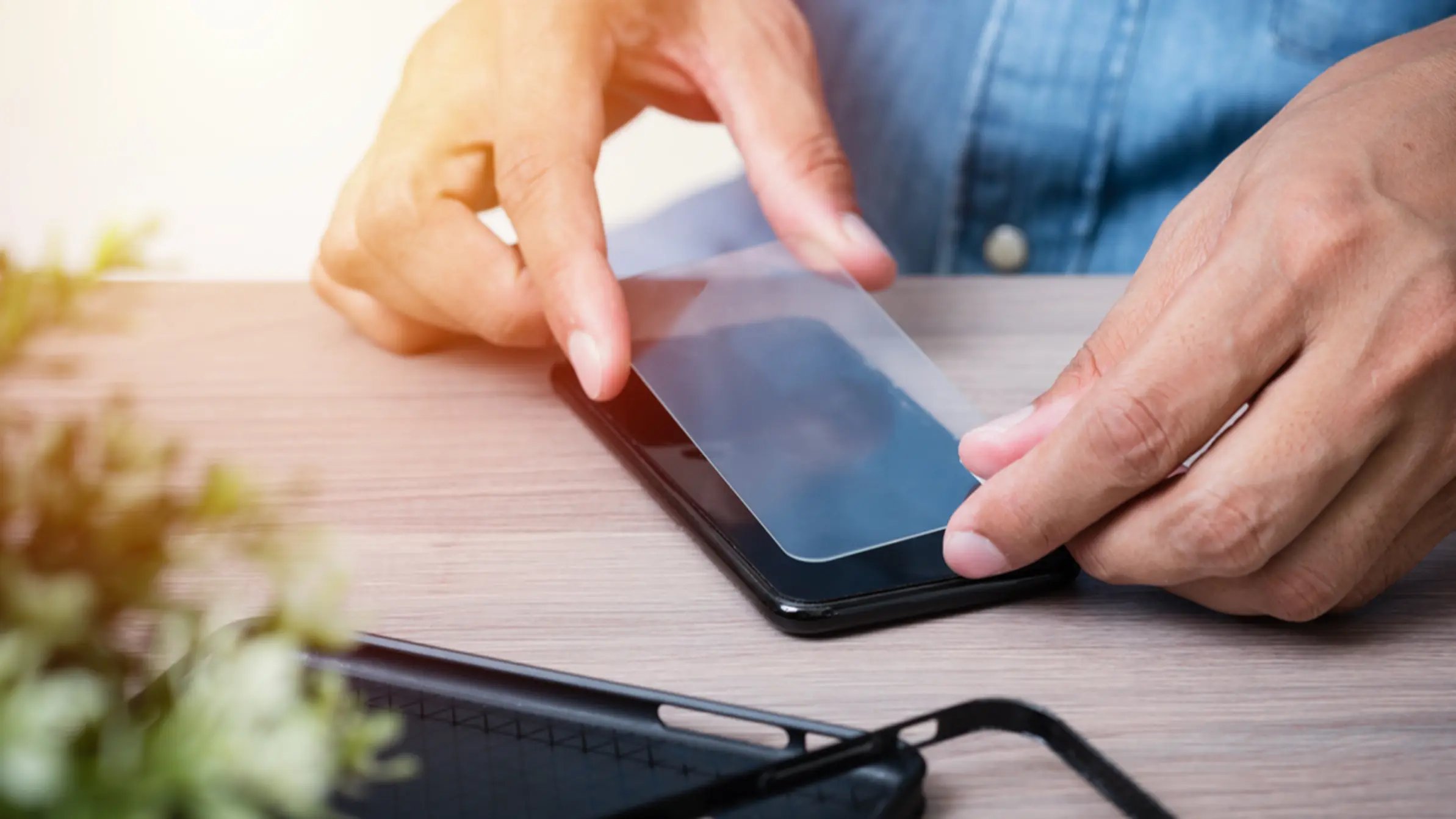
- Installation method: Protectors with alignment frames or self-adhesive layers are easier to install and often cost more. Wet-application plastic films are typically cheaper but require more skill to apply without bubbles.
- Package contents: Multi-packs or bundles that include cleaning wipes, dust removal stickers, and squeegees offer better value per protector but have a higher upfront cost.
Common price ranges for screen protectors
Low-end: $5 to $10
Basic tempered glass or plastic film protectors in this range provide scratch protection but often lack advanced features like oleophobic coatings or shatter resistance. They are suitable for budget-conscious users or as temporary protection.
Mid-range: $10 to $20
This bracket includes tempered glass protectors with enhanced durability, improved touch sensitivity, and fingerprint-resistant coatings. Many mid-range options also include easy-installation tools and are the most common choice for everyday users.
High-end: $20 to $50+
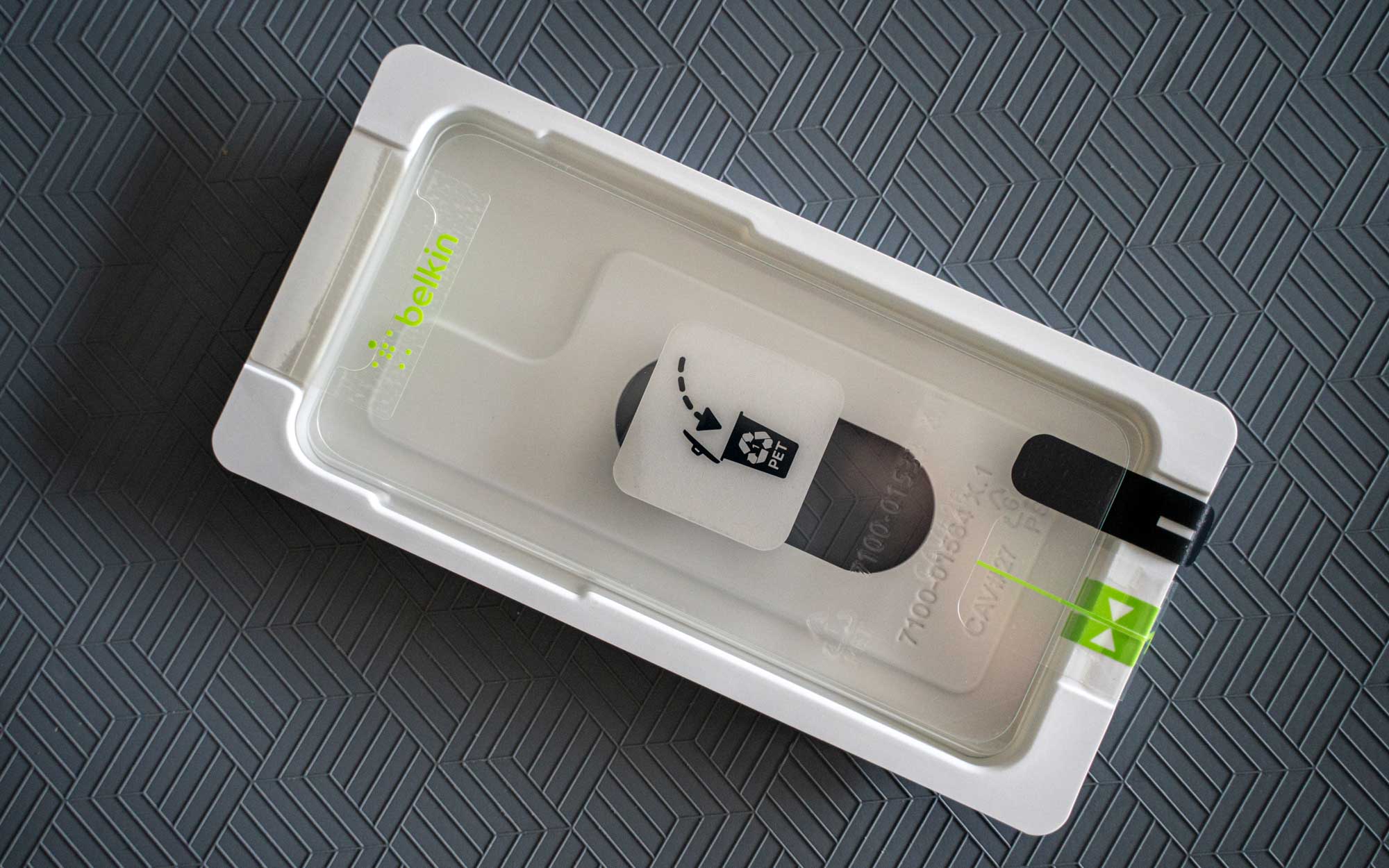
Premium protectors from brands like Belkin or ZAGG offer advanced features such as privacy filters, anti-blue light protection, or self-healing properties. They often come with replacement program eligibility, making them cost-effective for long-term use. For example, a Belkin UltraGlass screen protector for the iPhone 17e is €39.95 in Spain.
Cost comparison of different screen protector types
- Tempered glass: $10 to $30. Offers the best balance of clarity, scratch resistance, and impact protection.
- Plastic film: $5 to $10 per multi-pack. Thin and flexible, but offers minimal impact protection.
- Privacy screen protectors: $15 to $40. Limit viewing angles to prevent shoulder surfing; the added layer increases cost.
- Anti-glare screen protectors: $10 to $20. Reduce reflections for outdoor use, but may slightly reduce screen clarity.
- Full coverage protectors: $15 to $40. Cover the entire front surface including curved edges; often made from multi-layered tempered glass.
Brand replacement programs and their costs
Several brands offer replacement programs that reduce the long-term cost of ownership. These programs are a key reason to choose a premium brand over a generic protector.
- BodyGuardz: Registered products can be replaced for a fee between $13.95 and $24.95, depending on the model.
- ZAGG: Offers a similar replacement program where registered protectors can be replaced for a shipping and handling fee.
- Spigen: Provides low-cost replacements on tempered glass and Full Cover glass screen protectors for one full year from purchase. You must return the old protector with the RMA form and proof of purchase within that year.
- Samsung (Galaxy Z series): Eligible Galaxy Z series devices receive one free screen protector replacement within one year of purchase or activation. The replacement applies only to the foldable inner screen and uses a durable TPU protector designed for folding. To redeem, visit a Samsung store or authorized service provider in the United States, or call 1-800-SAMSUNG.
How to choose a screen protector for your budget
To balance cost with protection, evaluate these factors in order of importance to you:
- Compatibility: Ensure the protector is specifically designed for your device model. An ill-fitting protector wastes money and may interfere with cases or touch sensitivity.
- Material: Choose tempered glass for impact protection or plastic film for minimal cost. If you need flexibility for a curved screen, consider a TPU protector.
- Protection level: Decide if you need privacy, anti-glare, or blue light filtering. Each feature adds cost but may be essential for your use case.
- Ease of installation: If you are not confident applying protectors, pay extra for a model with an alignment frame or a self-adhesive layer. This saves the cost of a ruined protector and frustration.
- Oleophobic coating: A fingerprint-resistant coating is standard on mid-range and above protectors. It keeps the screen cleaner and reduces smudges.
- Warranty: If you frequently replace protectors, invest in a brand with a replacement program. The upfront cost is higher, but the per-replacement fee is much lower than buying new each time.
For most users, a $15 to $20 tempered glass protector from a brand with a warranty offers the best value. Remember that even a basic $5 protector is far cheaper than a screen repair, which can cost $29 for eligible devices under Google's Preferred Care plan or significantly more for out-of-warranty repairs. Google's Preferred Care plan (for existing US customers with Assurant plans) covers accidental damage from handling, including drops, spills, and cracks, from day one. Repairs are not available for the Pixel 9 Pro Fold, tablets, watches, or the inner fold screens of Pixel Fold phones under this plan.
Frequently Asked Questions
Can I install a screen protector myself without bubbles?
Yes, most modern protectors include alignment frames or dust removal stickers that make bubble-free installation straightforward. If you are unsure, many electronics retailers offer professional screen protector application and repair services for a small fee.
How long does a screen protector last before needing replacement?
Plastic film protectors may need replacement every 3 to 6 months. Replace it immediately if it cracks or loses adhesion.
Are expensive screen protectors worth the extra cost?
Expensive protectors are worth it if they include features you need, such as a privacy filter, blue light blocking, or a replacement warranty. For basic scratch protection, a mid-range option is usually sufficient.
Does a screen protector affect touch sensitivity?
Modern tempered glass protectors are designed to maintain full touch sensitivity. Extremely thick protectors or poorly applied ones may cause slight delays, but this is rare with quality products.
What is the best screen protector for a foldable phone?
Foldable phones require a TPU (thermoplastic polyurethane) protector that can flex without cracking. Samsung's free one-time replacement for Galaxy Z series devices provides a durable TPU protector specifically designed for the folding inner screen.
For the wider topic, see screen protector application and repair.
Related reading: What Is 9H Screen Protector.