




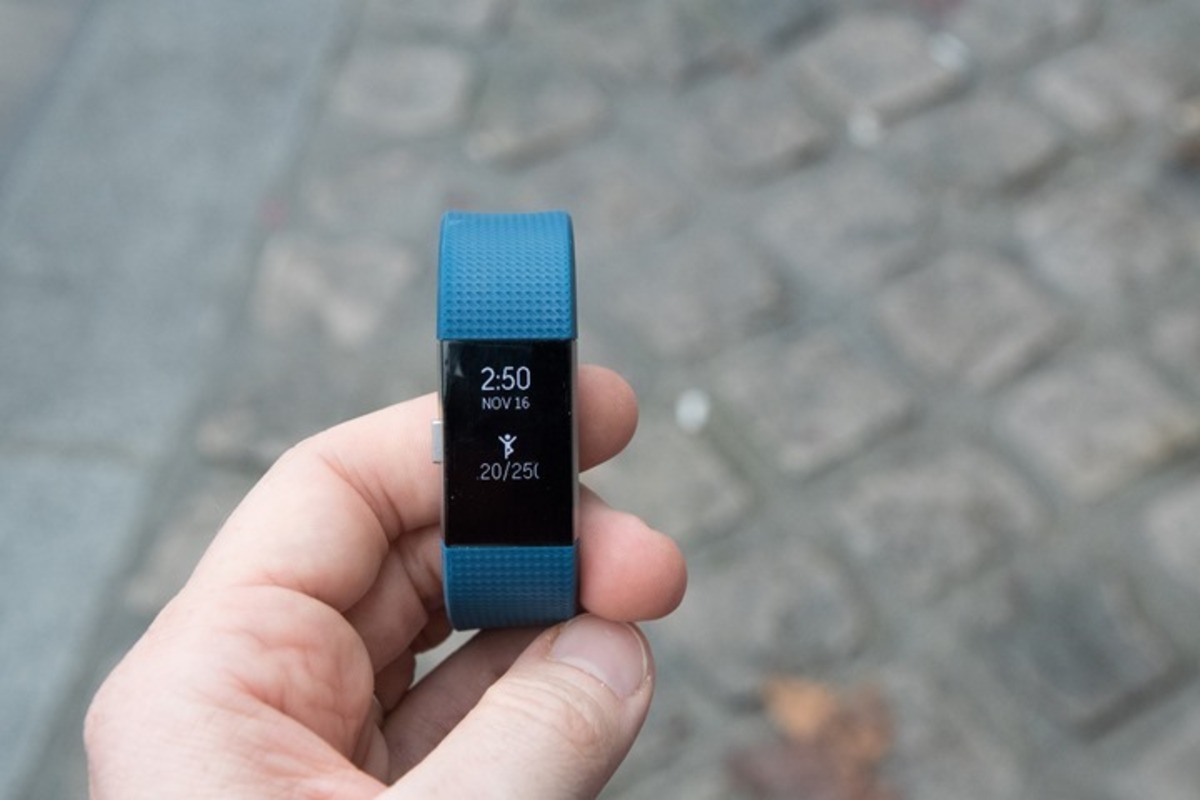
To change the time on a Fitbit Charge 2, you must adjust the time zone settings inside the Fitbit app on your iPhone or Android phone, because the device itself has no manual clock. After you select the correct time zone in the app, the Charge 2 updates automatically on its next sync.
How to change the time on a Fitbit Charge 2: Step-by-step instructions
- Open the Fitbit app on your iPhone or Android phone.
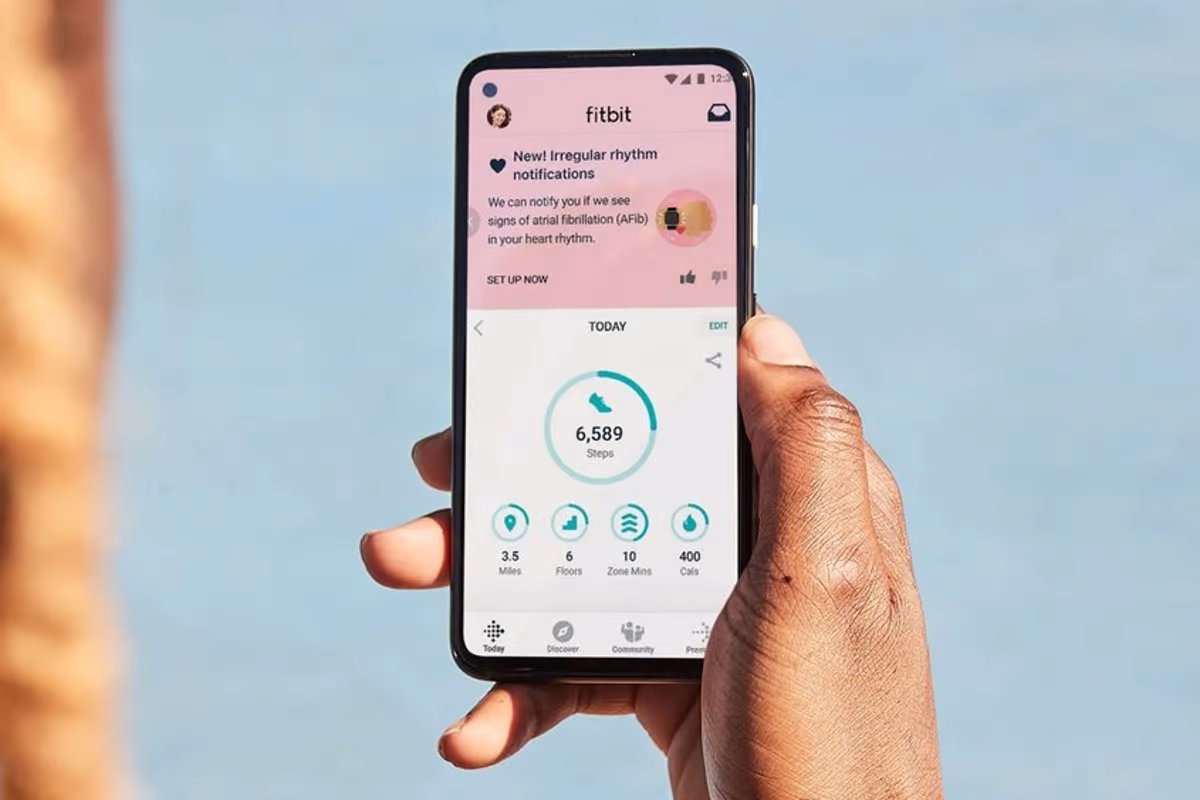
- Tap the Today tab, then tap your profile picture or the settings icon shown in the app.
- Go to Fitbit settings > App Settings.
- Under App Settings, turn off Automatic time zone or Set Automatically.
- Tap Select time zone or Time Zone, then choose the correct time zone for your location.
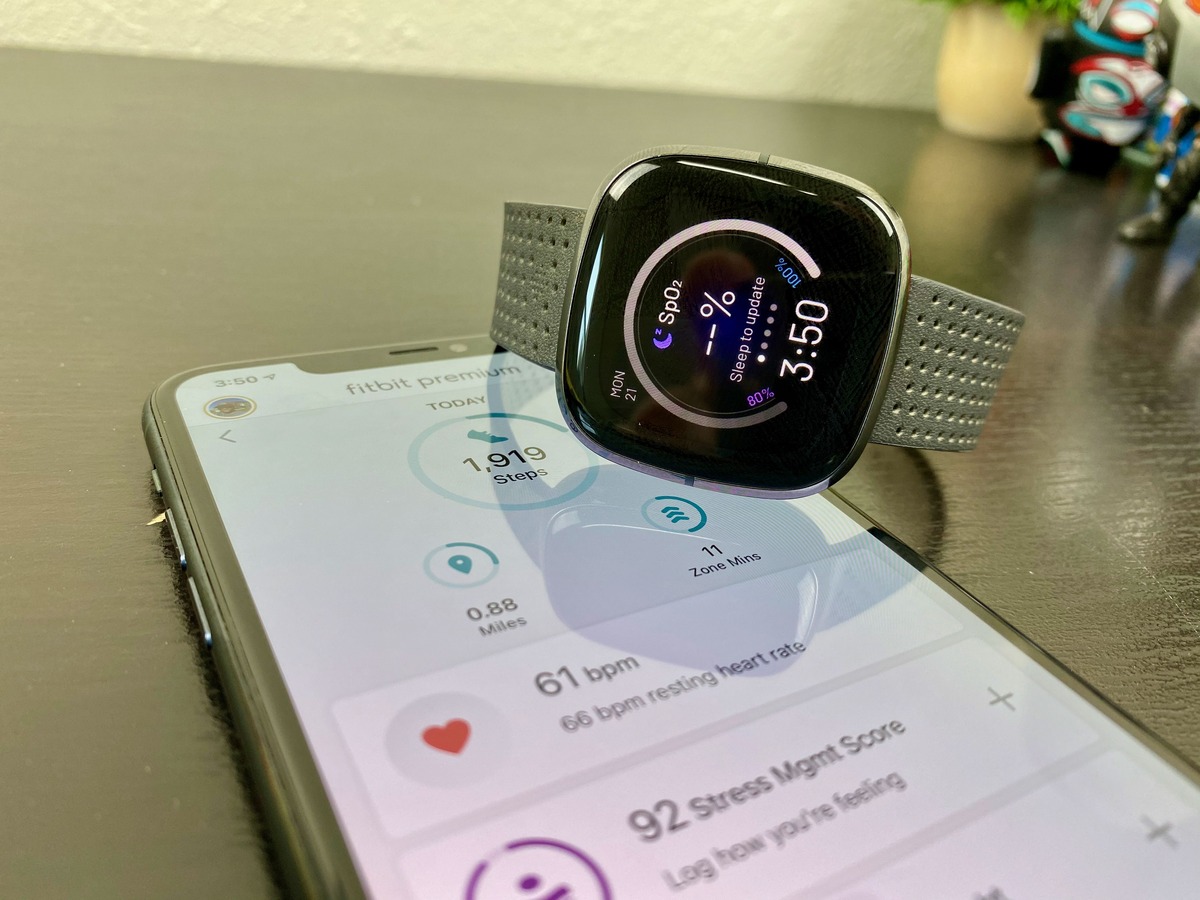
- Sync your Fitbit Charge 2 after changing the setting. The new time appears on the device once the sync completes.
You can also change the time by selecting a different clock face in the Fitbit app. Switching to a new clock face forces a time re-sync during the installation process.
If you need to know how to change the time on a Fitbit without the app, the Charge 2 does not support that method; the only way to adjust the time is through the Fitbit app on a paired phone.
Why your Fitbit Charge 2 time might be wrong
The Fitbit Charge 2 has no on-device clock setting. It relies entirely on the time zone set in the paired phone’s Fitbit app. Common reasons for an incorrect display include traveling to a different time zone, daylight saving time changes, or the phone’s own date and time settings being off. Because the tracker cannot be adjusted directly, any time discrepancy must be fixed by updating the app’s time zone and then syncing.
Troubleshooting time sync issues
If the time does not update after you change the time zone in the app, try the following fixes:
- Verify that your phone’s operating system date and time settings are correct. The Fitbit time follows the phone’s time zone, and if the phone itself is wrong, the Charge 2 will reflect that error.
- Log out of the Fitbit app, then log back in. After logging in, sync the device again.
- Make sure the phone and Fitbit stay connected during the sync process. If the connection drops, the time may not update.
- If the app keeps resetting the time zone, check that the phone’s automatic time zone setting is not overriding your manual choice. You may need to disable the phone’s automatic time zone as well.
- As a last resort, you can perform a factory reset. Warning: this erases all data on the device, including stats that have not yet synced to the app.
- If all troubleshooting steps fail, contact Fitbit customer support for further assistance.
Tips for keeping your Fitbit time accurate
Keep the automatic time zone setting off only when you need to force a specific zone, such as during travel or after a daylight saving change. Once the Charge 2 displays the correct time, re-enable automatic time zone so the device stays in sync with your phone’s location. Regular syncing is important; if you go several days without syncing, the time may drift or fail to reflect a recent time zone change.
Frequently Asked Questions
Can the time be changed directly on a Fitbit Charge 2?
No. All time adjustments must be made through the Fitbit app on a paired phone.
Does the process differ on iPhone and Android?
The Fitbit app path is the same for both platforms. No Charge 2-specific difference between iPhone and Android is documented in the source material.
How often should I update the time on my Fitbit Charge 2?
You only need to update the time when you travel to a different time zone or after a daylight saving time change. Regular syncing keeps the time accurate without additional manual updates.
What if the time is still wrong after I change the time zone and sync?
First, confirm that your phone’s system date and time are correct. Then log out of the Fitbit app, log back in, and sync again. If the issue persists, restart both your phone and the Charge 2 before repeating the process.
Will changing the time affect my fitness tracking?
No, tracking relies on sensors, not the displayed time. Your step count, heart rate, and other metrics remain accurate regardless of the clock setting.