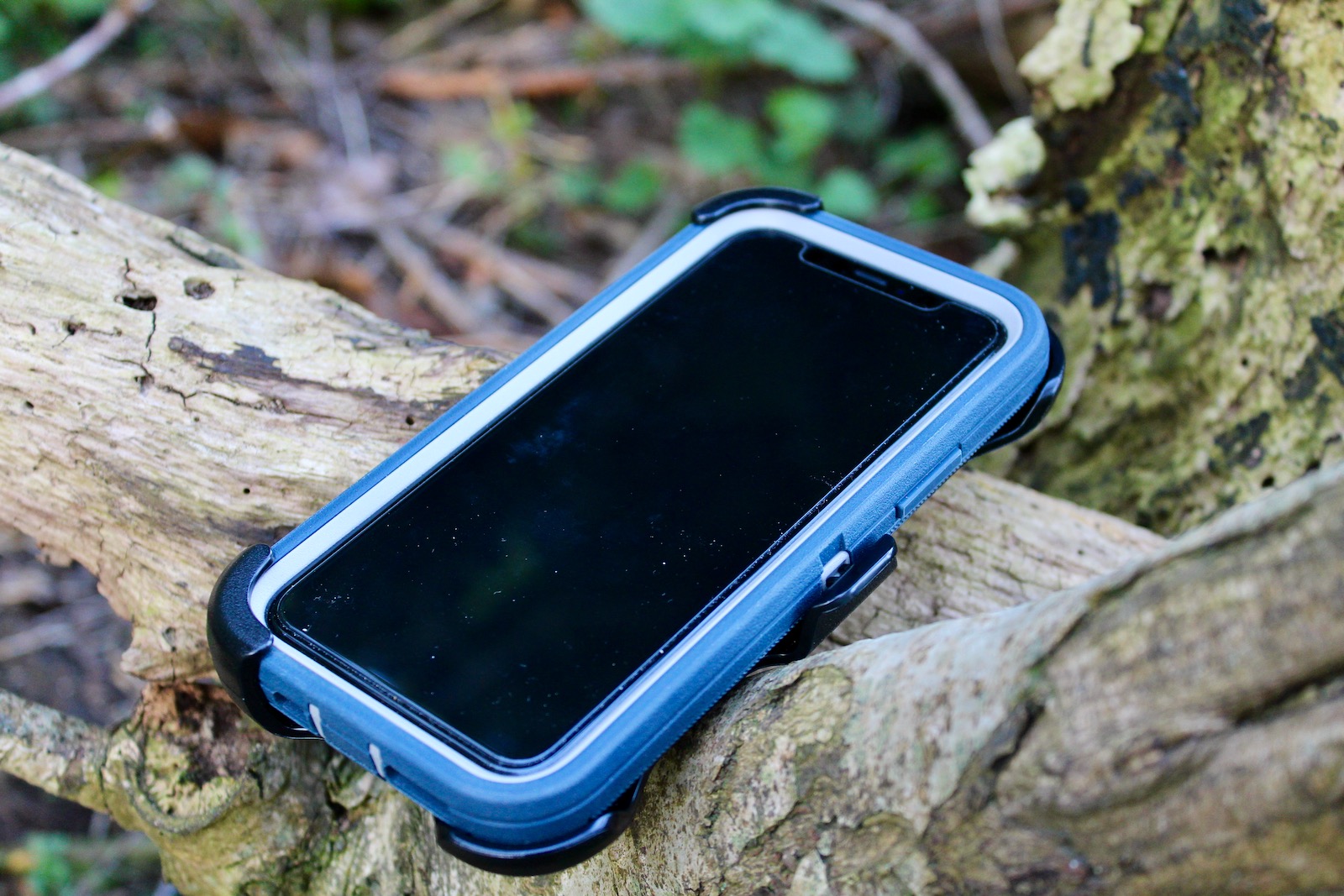





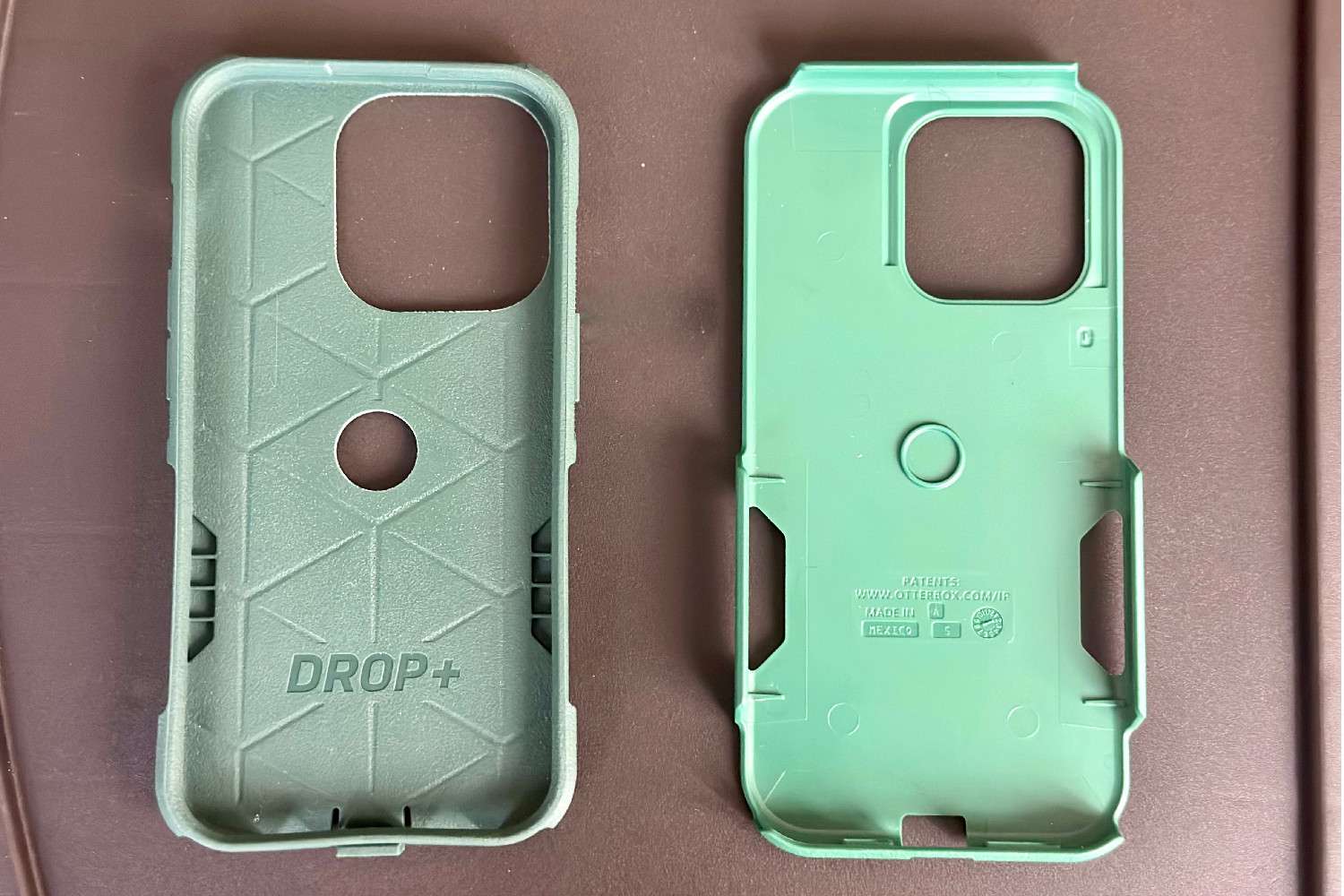
No manufacturer documents a method to shrink a rubber phone case, so any attempt to do so is at your own risk. If you want to shrink rubber phone case material for a tighter fit, you must first understand the safety limits of your device before considering any DIY approach.
Can you shrink a rubber phone case?
The only documented facts from these official sources are device heat limits and warnings, not case-shrinking steps. Google Pixel safety guides state not to use or charge the phone above 35°C (95°F) ambient temperature or below 0°C (32°F). Apple’s support discussion notes that iPhone cases are thin enough for heat to dissipate through them but provides no shrinking instructions or approved heat method. Samsung’s retrieved result is a community post, not official documentation. Any attempt to shrink a case using heat or other methods is unsupported and voids warranties.
Why rubber phone cases stretch out
Rubber and silicone phone cases lose their snug fit over time due to repeated stretching during removal and reinstallation, exposure to body heat, and natural material fatigue. Daily handling, pocket pressure, and temperature changes cause the polymer chains in the rubber to relax and elongate. This gradual loosening is why many users search for ways to shrink the case back to its original dimensions.
Official device temperature limits you must know
Before considering any heat-based method, you must know your phone’s documented safety boundaries. Google Pixel safety guides specify an ambient temperature range of 0°C to 35°C (32°F to 95°F) for use and charging. Apple’s support discussion confirms that iPhone cases are designed to allow heat dissipation, but the company does not endorse any heat application to the case itself. These limits mean that any heat source applied to the case while it is on the phone could push the device beyond safe operating temperatures, risking battery damage, thermal shutdown, or permanent hardware failure.
The risks of using heat to shrink a case
Oven heating, boiling water, freezing, and hairdryer methods are not supported by any phone manufacturer or case maker. Applying heat to a rubber case can melt, warp, or discolor the material, and if the case is on the phone, the heat can damage internal components. Freezing can make rubber brittle and cause cracking. These methods void warranties on both the case and the phone. No verified fact supports any temperature, time, or step for shrinking a case. Remove detachable parts like straps or extra protective layers before heating. Line baking tray with aluminum foil or parchment paper to prevent residue sticking. Check oven temperature with an oven thermometer for accuracy. Preheat oven to 200°F (93°C) and leave case in for 5-7 minutes until rubber softens. Use oven mitts, tongs, or heat-resistant spatula to handle the heated case. Stretch the softened rubber case over the phone while it is still pliable. Allow the case to cool completely before placing it back on the phone.
Safer alternatives to shrinking your case
Since no official shrinking method exists, the safest alternatives are to replace the case with a tighter-fitting new one or consult the case manufacturer for any recommendations. If the case is still in good condition but slightly loose, you can try adding a thin adhesive strip inside the case to reduce play. For maintaining the case you have, focus on proper care, such as cleaning phone cases and grips regularly with mild soap and water to remove oils that can cause stretching. If the case is significantly oversized, replacement is the only reliable solution. Soak the case in hot water (not boiling) for 10-15 minutes to soften and shrink it. Freeze the case in a plastic bag for a few hours to cause contraction. Manually stretch the case in different directions to loosen and reduce its size. Compress the case with a clamp or vice for a period of time to shrink it gradually. Test the fit periodically during shrinking to ensure even shrinkage.
When to replace instead of shrink
Replace a rubber phone case when it no longer holds the phone securely, has visible cracks or tears, or has become permanently deformed. A case that slides off in your pocket or allows the phone to rattle inside offers no drop protection. When choosing a replacement, look for a case made from a higher-durometer silicone or TPU that resists stretching, and ensure it is specifically molded for your exact phone model. Cases with textured interiors or reinforced corners tend to stay snug longer.
Frequently Asked Questions
Can I shrink a rubber phone case with a hairdryer?
No official source documents a hairdryer method for shrinking a rubber phone case. Applying concentrated heat from a hairdryer risks overheating the case material and the phone if the case is still attached, which exceeds the device’s safe ambient temperature limits.
Will boiling water shrink my silicone phone case?
Submerging a case in boiling water can warp or melt silicone and may damage any phone inside the case, voiding the warranty.
Does freezing a rubber phone case make it smaller?
Freezing is not supported by official sources and can make rubber brittle, leading to cracks when the case is flexed. The cold may cause temporary contraction, but the material will expand again once it returns to room temperature.
Is there a risk-free DIY method to shrink a phone case?
No DIY shrinking method is risk-free. The only documented facts from manufacturers are device temperature limits and warnings against heat exposure. Any attempt to alter the case’s size carries the risk of damaging the case, the phone, or both.
What should I do if my phone case is too loose?
The safest solution is to replace the case with one that fits your phone model correctly. If you prefer to keep the current case, consult the manufacturer for any care recommendations, but do not expect a supported shrinking procedure.
Related reading: What Is An Otterbox Phone Case and How Much For A Phone Case.