




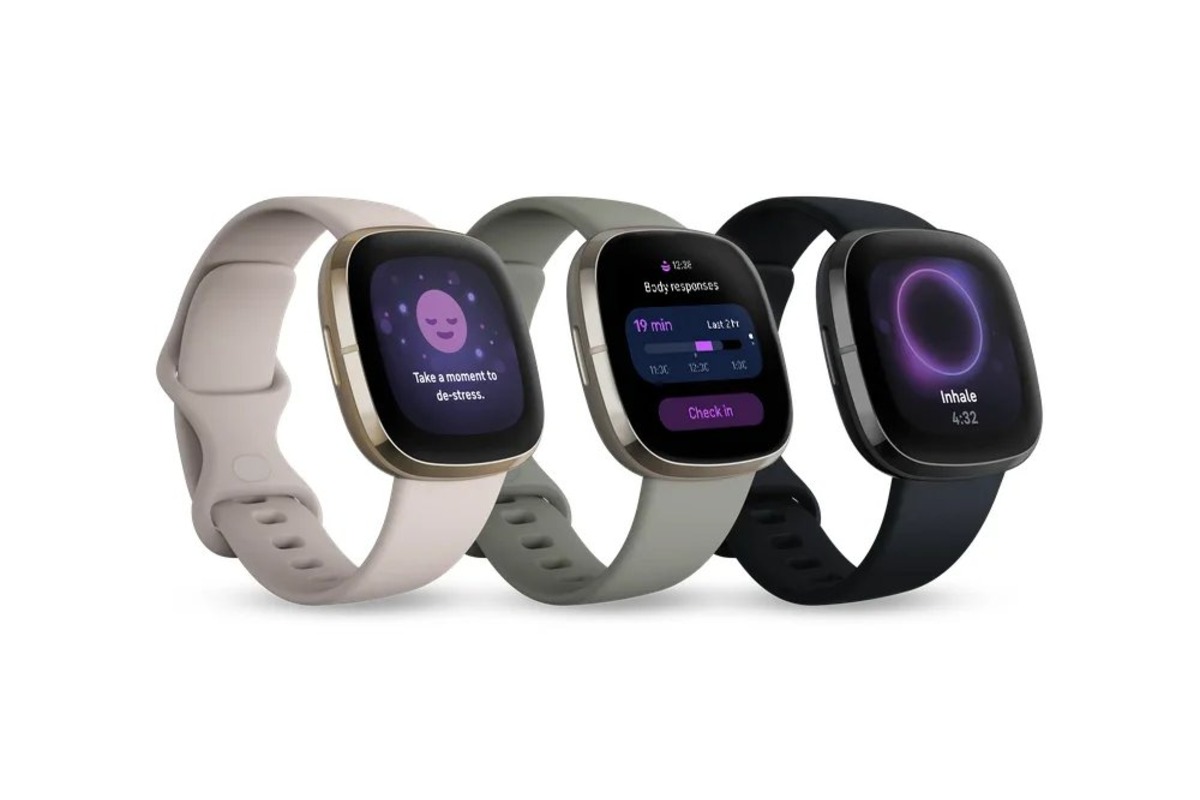
The stress management score on Fitbit is a daily 0-100 score in the Fitbit app that estimates how your body is handling stress using heart rate, sleep, and activity data. A higher score means your body is showing fewer physical signs of stress, giving you a clear signal of whether your current routine is working or needs adjustment.
What is the stress management score on Fitbit?
The stress management score on Fitbit is a daily metric that helps you understand how your body responds to stress based on heart rate, sleep, and activity level data. Google’s Fitbit help describes it as a tool to see how well your body is managing physiological stress, with the score ranging from 0-100. Instead of asking you to guess how stressed you feel, the score uses objective biometric data to estimate your body’s physical stress load each day.
How to view your stress management score
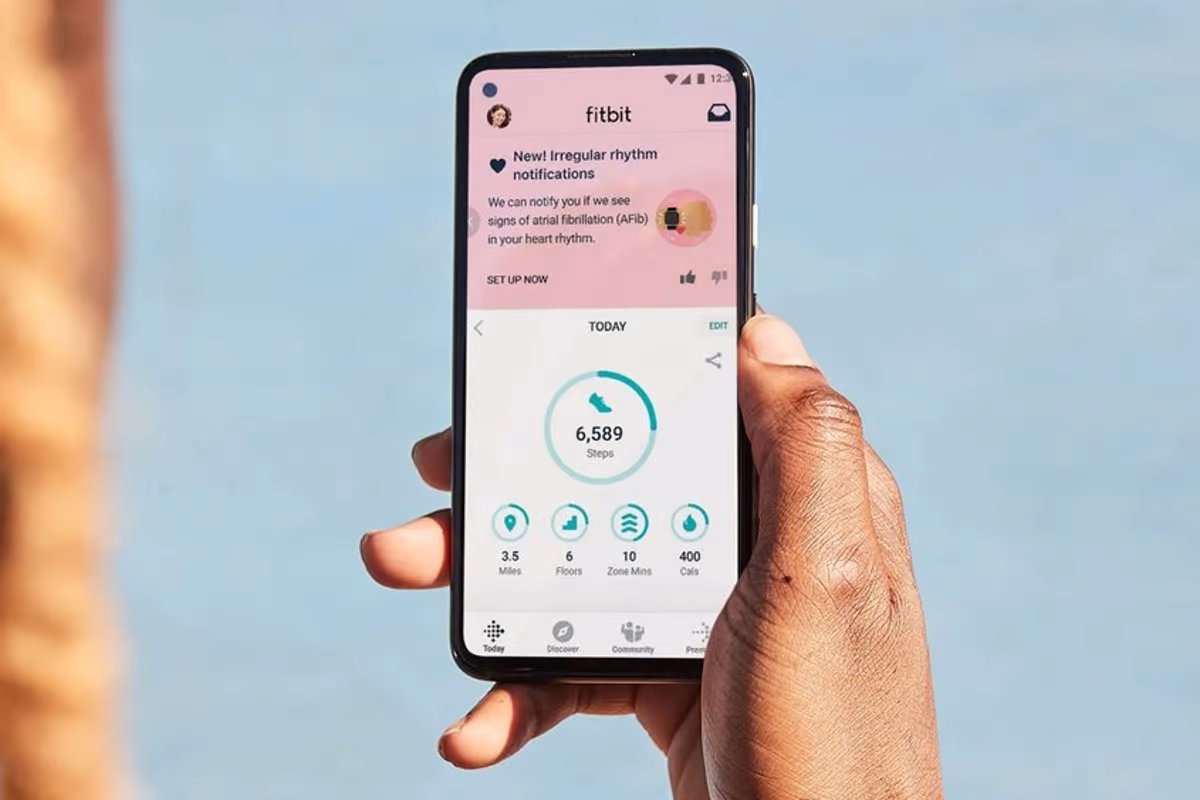
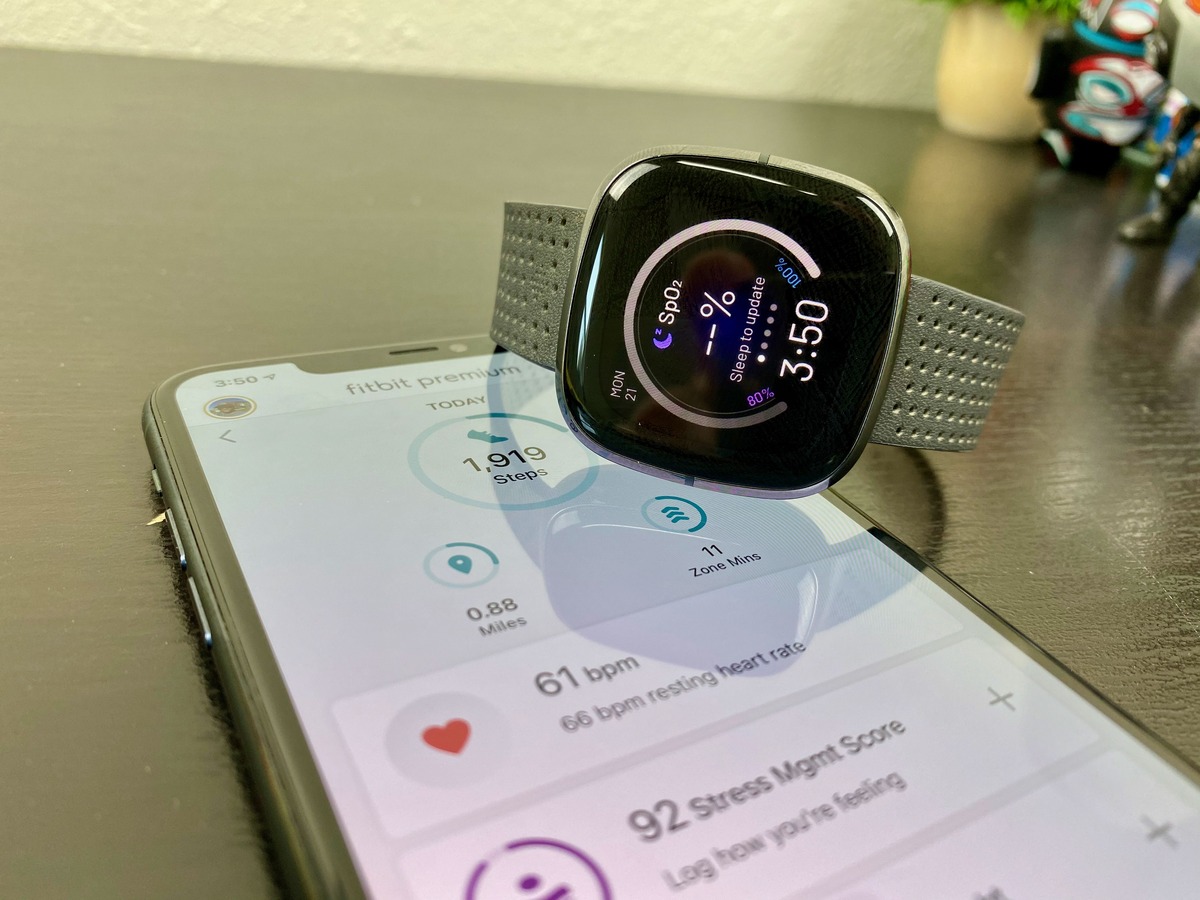
Your stress management score appears in the Fitbit app on the Today tab, so it is easy to check each morning. Follow these steps:
- Open the Fitbit app on your phone.
- Tap the Today tab at the bottom of the screen.
- Tap the Stress Management Score tile.
- View your score for today.
If you are a Fitbit Premium member, a breakdown of your score appears automatically when you open the tile. The score is updated once per day, so checking it after you wake up gives you the most relevant reading for the day ahead.
What your score means
A high stress management score means your body is showing fewer signs of physical stress. Fitbit suggests that when your score is high, you may consider taking on a new project or exercising, since your body appears to have the capacity to handle additional demands. A low score means your body may be showing signs of stress, and Fitbit recommends resting, going to bed early, or meditating to help your body recover. The score is a daily snapshot, so a low number on one day is not a verdict, it is a prompt to prioritize recovery.
How Fitbit calculates the score
Fitbit calculates the stress management score using three main data sources: heart rate, sleep, and activity level data. The algorithm runs once per day, after you wake up, and it uses physiological, sleep, and activity data from the last night, the previous day, and the previous week. This means the score reflects both your immediate overnight recovery and your longer-term patterns, such as whether you have been consistently active or sleep-deprived. Fitbit’s blog explains that the score uses these inputs to explain physiological stress, not just your subjective feeling of being stressed.
Fitbit Premium and the detailed breakdown
A Fitbit Premium membership is required to see a detailed breakdown of your stress management score’s components. Without Premium, you see the single 0-100 number, but with Premium, you get insights into how heart rate, sleep, and activity each contributed to the score. This breakdown helps you identify which area to target, for example, whether poor sleep or low activity is dragging your score down. Fitbit features and metrics like this breakdown are designed to give you actionable insight rather than just a raw number.
Supported devices for the stress management score
The stress management score is available in the Fitbit app for users with Charge 4, Inspire 2, Luxe, Sense, Versa 2, and Versa 3 devices, according to a 2021 Fitbit announcement. The feature is not available for any kids devices. A Charge 5 user manual also confirms the feature is part of the Fitbit app experience, instructing users to wear the tracker to sleep and open the app the next morning to see the score.
Frequently Asked Questions
Does the stress management score require wearing my Fitbit to sleep?
Yes, you need to wear your Fitbit to sleep for the score to calculate accurately. The algorithm uses overnight heart rate and sleep data, so skipping sleep tracking means your score will not appear or will be incomplete.
Can I see my stress management score history?
Yes, the Fitbit app stores your daily scores so you can review trends over time. This history helps you spot patterns, such as whether your score drops on days with poor sleep or heavy exercise.
Is the stress management score the same as heart rate variability (HRV)?
No, the stress management score is a composite metric that uses HRV as one input, along with sleep and activity data. HRV is a raw measurement, while the stress management score interprets that data into a single daily number.
Why is my stress management score low even when I feel fine?
A low score reflects physical signs of stress that you may not consciously notice, such as elevated resting heart rate or poor sleep efficiency. Fitbit suggests resting, going to bed early, or meditating when your score is low, even if you feel okay emotionally.
Does the stress management score work on Fitbit smartwatches and trackers equally?
Yes, the score works the same way across supported devices, including Charge 4, Inspire 2, Luxe, Sense, Versa 2, and Versa 3. The feature is app-based, so the device collects the data and the app calculates and displays the score.