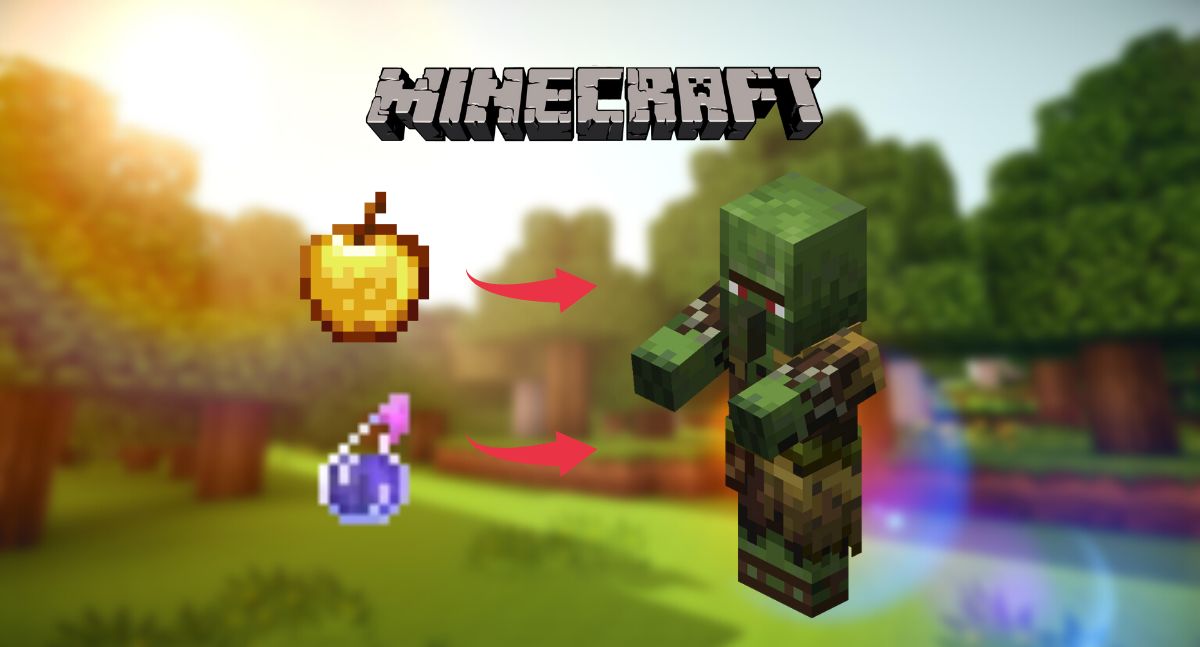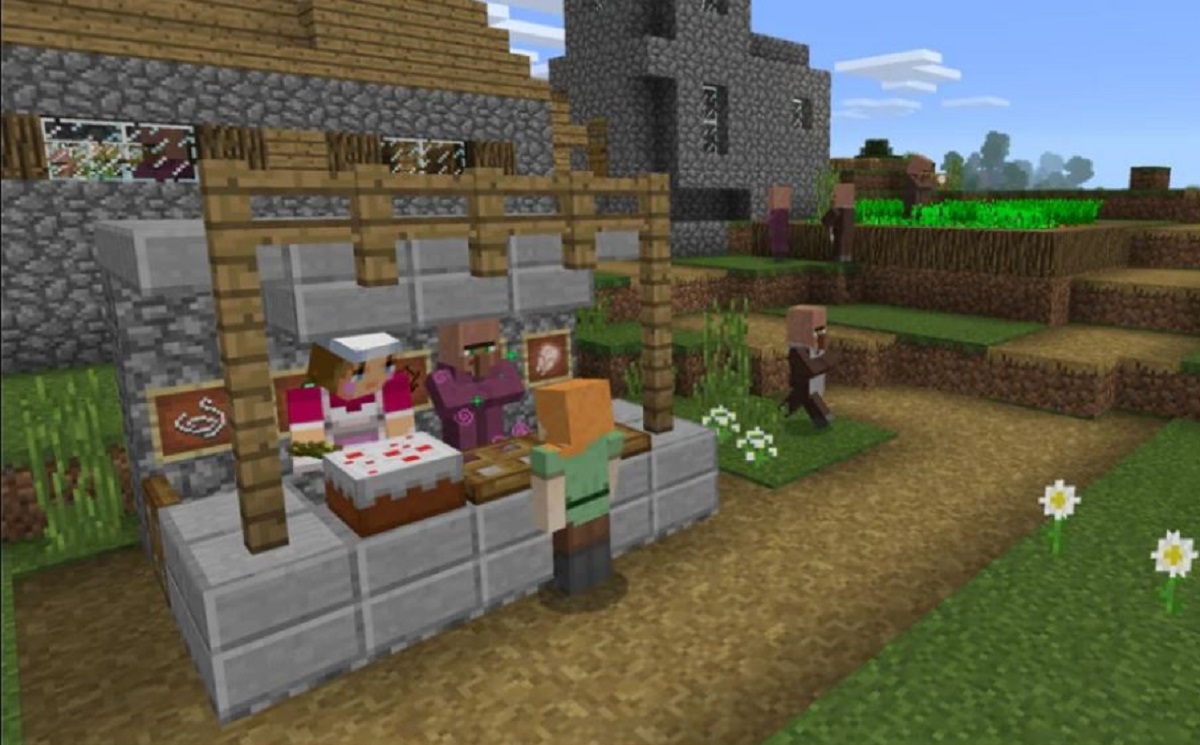





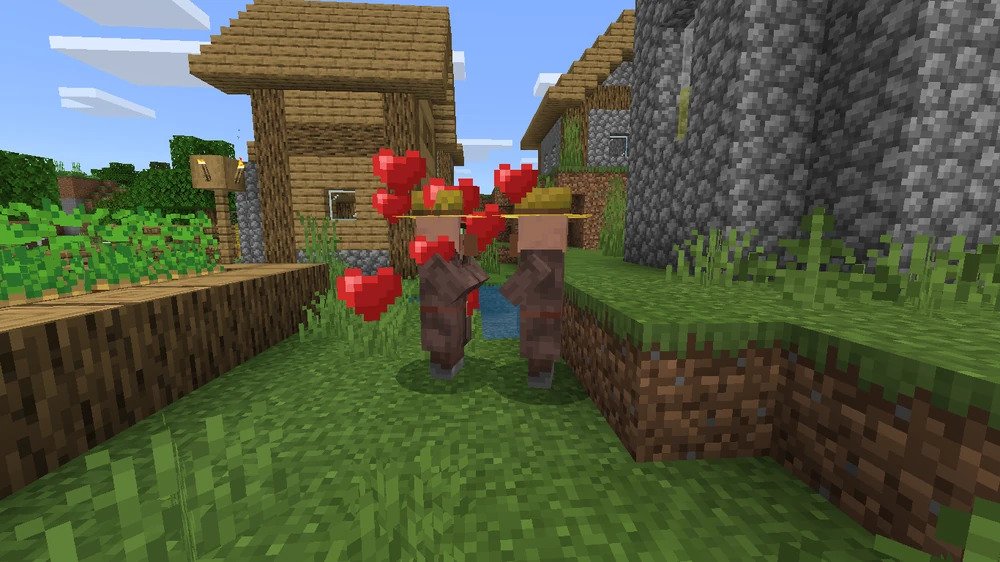
To breed villagers in Minecraft, you need two willing villagers, at least three beds with two empty blocks of clear space above each, and specific food items like bread, carrots, potatoes, or beetroots.
What you need to breed villagers in Minecraft
The essential items and conditions for breeding are straightforward. You must have two adult villagers (any profession works), at least three beds with two full empty blocks of clear space above each bed for babies to spawn, and specific food items: bread (3 per villager), carrots (12), potatoes (12), or beetroots (12). Job site blocks are not required for villagers to breed; their primary role is for assigning professions and enabling trades. The breeding mechanics are largely identical between Java and Bedrock editions. If mob griefing is disabled, villagers cannot pick up food, which will prevent breeding.
How to breed villagers in Minecraft step-by-step
- Find or create a safe area. Choose a location that is mob-free and away from monsters like zombies and piglins that may attack your villagers. In survival mode, you have to consider the safety of your villagers when looking for a location. Surround the area with light-emitting blocks to prevent hostile mobs from spawning.
- Obtain two villagers. Find a village and trap two villagers in a small room by building walls at least two blocks higher than the beds so they cannot jump out. If no villagers are nearby, you can fetch a couple from other villages using a boat. Once at your destination, you can hop out of the boat, destroy it to free your passengers, and begin breeding.
- Place at least three beds correctly. Each bed needs two full empty blocks of clear space above it for the bed to be usable and for babies to spawn. Only one villager can occupy a bed, so place additional beds if you want more babies. Place the beds on your hotbar and tap an area within the room to put them down.
- Feed your villagers the right food quantities. Throw the food items into the room and ensure both villagers pick them up. Use 3 bread per villager, or 12 carrots, 12 potatoes, or 12 beetroots per villager. Bread is the fastest option.
- Wait for the baby villager to spawn. Heart particles should appear above the villagers when they are willing to breed. A baby villager will appear between them. The baby grows into an adult after about 30 minutes. You can repeat the process to spawn more child villagers as long as you have extra beds.
Understanding villager breeding particles
Heart particles appearing above two villagers indicate they are willing to breed. Angry storm cloud particles (angry smoke) mean breeding conditions are not met. If hearts turn into angry smoke particles, it usually indicates that no valid free beds exist. Villagers will not breed if they are panicking due to nearby zombies, darkness, or raids. Check that each bed has two empty blocks of clear space above it and that no hostile mobs are nearby.
How to build an automatic villager breeder
To automate breeding, include a farmer villager in the breeding area and create a garden inside the breeding ground. Plant any of the required crops (wheat, carrots, potatoes, or beetroots). The farmer will automatically harvest these crops and share them with the other villager when their inventory is full, keeping both villagers always willing to breed. To prevent baby villagers from occupying beds and stopping further breeding, build a trapdoor within the room that only baby villagers can fit through. Connect the trapdoor to a powered rail and a minecart to automatically transport baby villagers elsewhere, such as a trading hall. Zombies can’t attack baby villagers you are transporting from your automatic breeding system using a minecart. A new baby villager will then spawn in the breeder, and the process repeats.
Why breed villagers in Minecraft?
Breeding villagers lets you populate a trading hall so you can trade with them for rare or difficult-to-craft items. There are 13 different villager professions in Minecraft. Nitwit and unemployed are, of course, excluded. Job Site Block and Profession table mapping: Blast Furnace to Armorer, Smoker to Butcher, Cartography Table to Cartographer, Brewing Stand to Cleric, Composter to Farmer, Barrel to Fisherman, Fletching Table to Fletcher, Cauldron to Leatherworker, Lectern to Librarian, Stonecutter to Stone Mason/Mason, Loom to Shepherd, Smithing Table to Toolsmith, Grindstone to Weaponsmith. Baby villagers, when they grow up, have no assigned job until they pick up a job site block. To assign a profession to a new villager, you have to place a job site block within their vicinity that corresponds to the profession you want them to take. New villagers will take a profession and carry all the necessary goods for your domain. Villagers also die, and you might discard some from your trading hall, so breeding provides replacements. Additionally, breeding helps you reach the needed number of villagers to automatically spawn iron golems for defense. Setting up a reliable breeding system is as satisfying as getting a wireless printer setup and mobile printing working flawlessly, once it runs, you can focus on other tasks while the system handles itself.
Frequently Asked Questions
Can villagers breed without beds?
No. Without valid beds, heart particles will turn into angry storm clouds and breeding will fail.
How long does it take for a baby villager to grow up?
A baby villager takes about 30 minutes in real time to grow into an adult villager. You can speed this up by feeding the baby more food items.
Do villagers need job site blocks to breed?
No. Job site blocks are not required for breeding. They are only needed to assign professions and enable trading after villagers grow up.
Can villagers breed in the dark?
Ensure the breeding area is well-lit and mob-free.
Why won't my villagers pick up the food I throw?
If mob griefing is disabled in your world settings, villagers cannot pick up food. Enable mob griefing to allow them to collect food for breeding.
Related reading: How to Change Minecraft Username (Ultimate Guide).