





A direct phone number, also known as a Direct Inward Dialing (DID) number, is a business telephone number that connects a caller straight to a specific individual or department without going through a receptionist or automated menu. It is not a feature found on an iPhone or Android device itself, but rather a service provided by a telecom carrier that rings a particular desk phone, VoIP line, or mobile device.
What is a direct phone number?
A direct phone number is a unique telephone number assigned to a specific person or team within an organization. Unlike a main switchboard line, when someone dials this number, the call routes directly to the designated phone, eliminating the need for transfers or navigating phone menus. This concept is purely a business telecom feature, it is not a standard setting or option labeled "direct phone number" on consumer smartphones or carrier plans. Direct phone numbers are often utilized in call centers, allowing agents to have their own dedicated lines for handling customer inquiries and support.
How a direct phone number differs from a main line
The operational difference is straightforward. A main company line (often a switchboard or auto-attendant) requires callers to listen to a menu, press digits, or speak to a receptionist who then transfers the call. A direct phone number bypasses all of that. When a caller dials a direct number, the call rings directly on the intended recipient's device. This means the recipient answers without the caller having to explain who they want or wait for a transfer.
Benefits of having a direct phone number
Direct phone numbers offer four key advantages that make them valuable for any business.
Enhanced accessibility
Callers can reach the right person immediately, reducing missed connections and ensuring important inquiries are received without delay. This direct path is especially useful for sales representatives, account managers, and support agents who clients need to reach quickly.
Improved customer experience
When customers can dial a person directly, they feel valued and receive more personalized attention. This eliminates the frustration of repeating information to multiple people and creates a smoother, more satisfying interaction.
Streamlined internal communication
Employees with direct numbers can communicate with colleagues, clients, and partners without intermediaries. This saves time and reduces miscommunication, enabling faster decision-making and collaboration.
Increased operational efficiency
By assigning specific numbers to individuals or departments, organizations optimize call routing. Calls go to the most appropriate person on the first try, minimizing time spent on transfers and reducing the chance of calls being lost or misdirected.
How to obtain a direct phone number
Getting a direct phone number involves working with a telecommunications provider and configuring your phone system. Follow these steps:
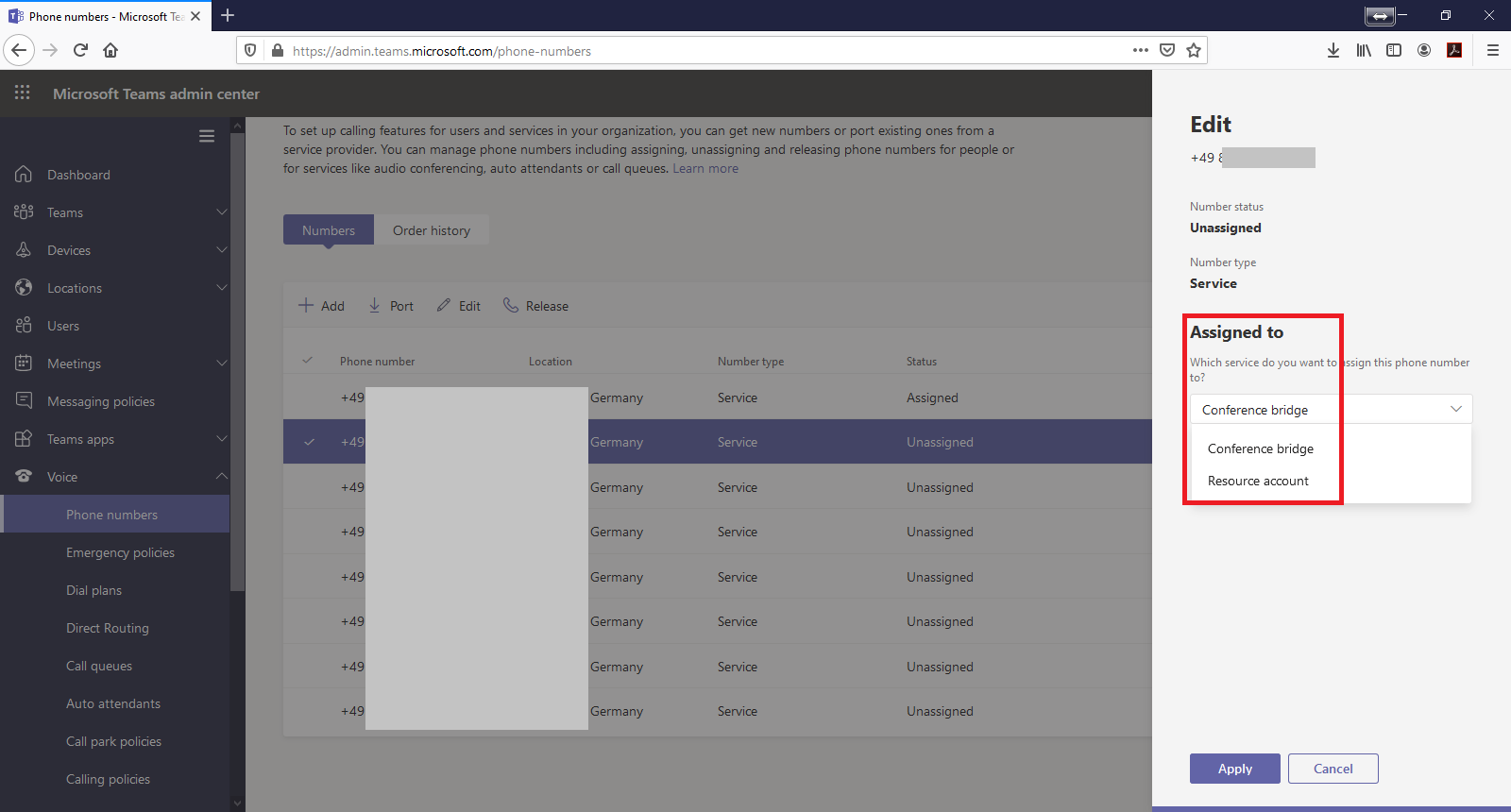
- Select a telecommunications provider. Research and compare providers that offer DID services to find one that fits your organization's communication needs, budget, and technical requirements.
- Assess number availability. Check what phone number formats and digits are available from the provider. You may choose local, toll-free, or international numbers based on your location and branding preferences. Understanding how many digits in a phone number are typical for your region will help you select the right option.
- Determine quantity and distribution. Decide how many direct numbers you need and whether they will be assigned to specific individuals, teams, or departments.
- Configure call routing and features. Work with your provider to set up call forwarding, voicemail, and other features so incoming calls are handled according to your preferences.
- Integrate with communication systems. Connect the direct numbers to your existing PBX, VoIP platform, or other telephony infrastructure to ensure full functionality.
- Train and communicate. Educate employees on how to use their direct numbers, including call handling protocols and voicemail setup.
Best practices for using a direct phone number
To get the most out of direct phone numbers, follow these guidelines:
Clear call handling protocols
Define how incoming calls should be answered, including standard greetings and procedures for escalation or transfer. Consistency ensures a professional experience for every caller.
Personalized voicemail messages
Encourage individuals to record voicemail greetings that include their name, availability, and alternative contact options. This adds a human touch and sets clear expectations for callers. Voicemail greetings should include the individual's name, a brief message indicating their availability or expected response time, and alternative contact options if immediate assistance is required.
Prompt response and follow-up
Emphasize the importance of answering or returning calls quickly. Establish a process for handling missed calls and voicemails so no inquiry falls through the cracks.
Call routing optimization
Configure direct numbers to route calls to specific departments or individuals based on the caller's identity or purpose of the call. This reduces redirection and speeds up resolution.
Integration with CRM systems
Connect direct phone numbers to your customer relationship management (CRM) software. This allows you to track call history, associate calls with customer profiles, and provide more informed service.
Regular performance evaluation
Monitor metrics like call volume, response times, and customer feedback to identify areas for improvement. Use this data to refine your communication strategies over time.
Frequently Asked Questions
Can a direct phone number be used for international calls?
Yes, providing a convenient and direct means of communication across borders, particularly beneficial for businesses and individuals engaged in international activities.
Is a direct phone number the same as a virtual phone number?
Not exactly. A direct phone number is a specific type of virtual number that routes directly to an individual or device. Virtual phone systems often offer direct numbers as a feature, but not every virtual number is configured for direct inward dialing.
How many direct phone numbers can a business have?
There is no fixed limit. A business can obtain as many direct numbers as needed, assigning one to each employee, department, or even specific projects. The quantity depends on the provider's offerings and the organization's requirements.
Do direct phone numbers work with VoIP systems?
Yes, direct phone numbers work with Voice over Internet Protocol (VoIP) systems. They can be integrated with VoIP platforms, traditional landlines, and PBX systems, making them flexible for modern communication infrastructure.
Can I keep my existing phone number as a direct number?
In many cases, yes. Telecommunications providers often allow number porting, where you can transfer an existing phone number to become a direct number on their system. Check with your provider for availability and any associated requirements.
Related reading: What Is A Proxy Phone Number.