




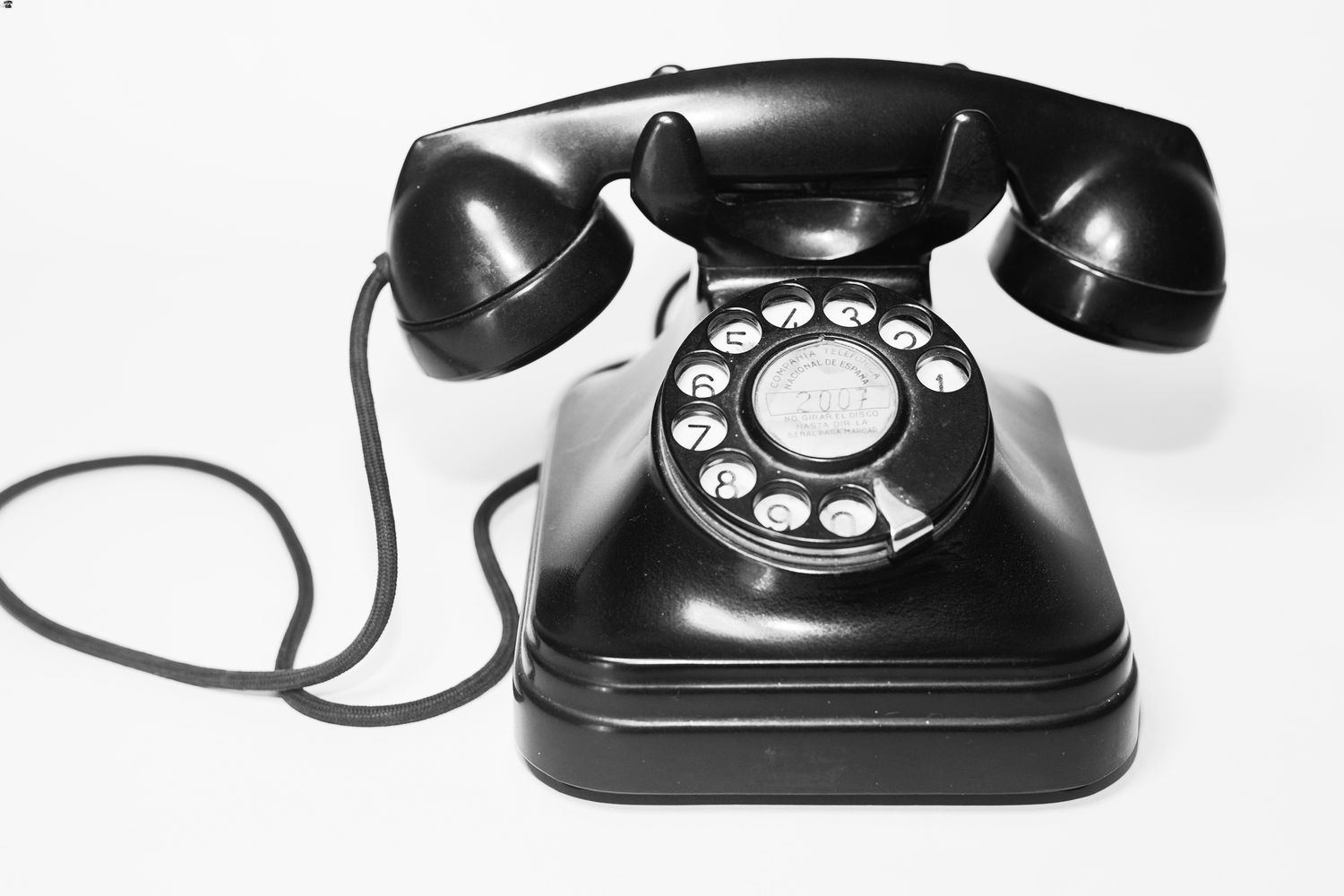
The most widely recognized example of what was the telephone number song is the 1981 hit "867-5309/Jenny" by the American rock band Tommy Tutone. This song peaked at number four on the Billboard Hot 100 and number one on the Rock Top Tracks chart in April 1982, and its legacy as a pop culture phenomenon endures because it turned a simple phone number into an unforgettable hook.
What Was the Telephone Number Song? It's '867-5309/Jenny'
The song that most people mean when they search for "what was the telephone number song" is "867-5309/Jenny," released in late 1981 on the album Tommy Tutone 2 through Columbia Records. Its catchy chorus, built around the seven digits 867-5309, made it an instant classic and a staple of 1980s rock radio. The song's power lies in its simplicity: a memorable number repeated over a driving guitar riff, creating a jingle that has stuck in the public consciousness for decades.
The Origins and Writers of the 867-5309 Song
"867-5309/Jenny" was co-written by Alex Call and Jim Keller. The inspiration for the lyrics has been the subject of conflicting myths. Some band members have claimed the number belonged to a real girl named Jenny or was found scrawled on a bathroom wall. However, songwriter Alex Call has stated that there was no real Jenny, he simply came up with the name and number while writing a four-chord rock song. Co-writer Jim Keller suggested the idea that the number was a girl's number written on a bathroom wall, which helped complete the lyrics. It is also important to note that lead singer Tommy Heath is often mistakenly referred to as "Tommy Tutone," but Tommy Tutone is the name of the band.
The Cultural Phenomenon and Real-World Impact
The song's popularity led to a massive wave of prank calls. People across various area codes would dial 867-5309 and ask for "Jenny," creating a real-world nuisance for anyone unlucky enough to have that number. Many individuals who held the phone number 867-5309 experienced an influx of unwanted calls, forcing some to change their numbers. Over time, some 867-5309 numbers were eventually acquired by commercial businesses or radio stations for promotional purposes, turning a source of annoyance into a marketing asset. Understanding the song's impact helps explain why people still care about phone number formats and digits, the specific sequence "867-5309" became a cultural touchstone that disrupted actual phone networks.
Other Songs Named 'Telephone Number'
While "867-5309/Jenny" is the most famous, it is not the only song with this title. Japanese artist Junko Ohashi released a city pop song called "Telephone Number" on July 1, 1984, which features the five-digit number "56709" in its lyrics. The lyrics were written by Yoshiko Mura and Ken Sato, with Ken Sato also composing the music alongside arranger Mitsuo Hagita. Additionally, an educational chant titled "The Telephone Number Song" appears in Let's Chant Let's Sing 2 by Carolyn Graham. This version is used in ESL classrooms and primary school textbooks to help students become familiar with numbers and practice asking for and giving telephone numbers. The song was a fun and memorable way for children to learn this important information, emphasizing the significance of knowing how to reach out for help when needed. The song can be practiced with different telephone numbers provided in the materials (e.g., 123-4456, 655-4321, 242-4668). The 'Back-to-Back' activity is suggested for 'The Telephone Number Song' to encourage interaction. The song can be used to ask 'What's your telephone number?', 'What's his telephone number?', and 'What's her telephone number?'. Teachers using this song follow a structured approach: introduce the concept with pictures, play the recording for initial listening, teach the chant line by line, incorporate claps, use the book, divide the class into groups for question-and-answer practice, and extend the activity by having students write their own questions. This educational song specifically teaches students how many digits in a phone number are needed to complete a call, and it clarifies what an unallocated phone number mean in the context of practicing with sample numbers like 123-4456 or 242-4668.
Frequently Asked Questions About the Telephone Number Song
Is the phone number 867-5309 real?
Yes, 867-5309 is a real phone number combination. However, dialing it today will connect you to whoever currently holds that number in a given area code, not to a person named Jenny.
Who is Jenny in the song?
According to the song's co-writer Alex Call, Jenny is not a real person. The name was chosen simply to fit the melody and the story of a phone number found on a bathroom wall.
Did the song cause problems for people with that number?
Yes. The song sparked a widespread fad of prank calls, and many people who actually had the phone number 867-5309 received so many unwanted calls that they were forced to change their numbers.
What is the educational "Telephone Number Song"?
It is a classroom chant from Carolyn Graham's Let's Chant Let's Sing 2 used to teach English language learners how to ask for and recite phone numbers. It is a completely different song from the Tommy Tutone hit.