




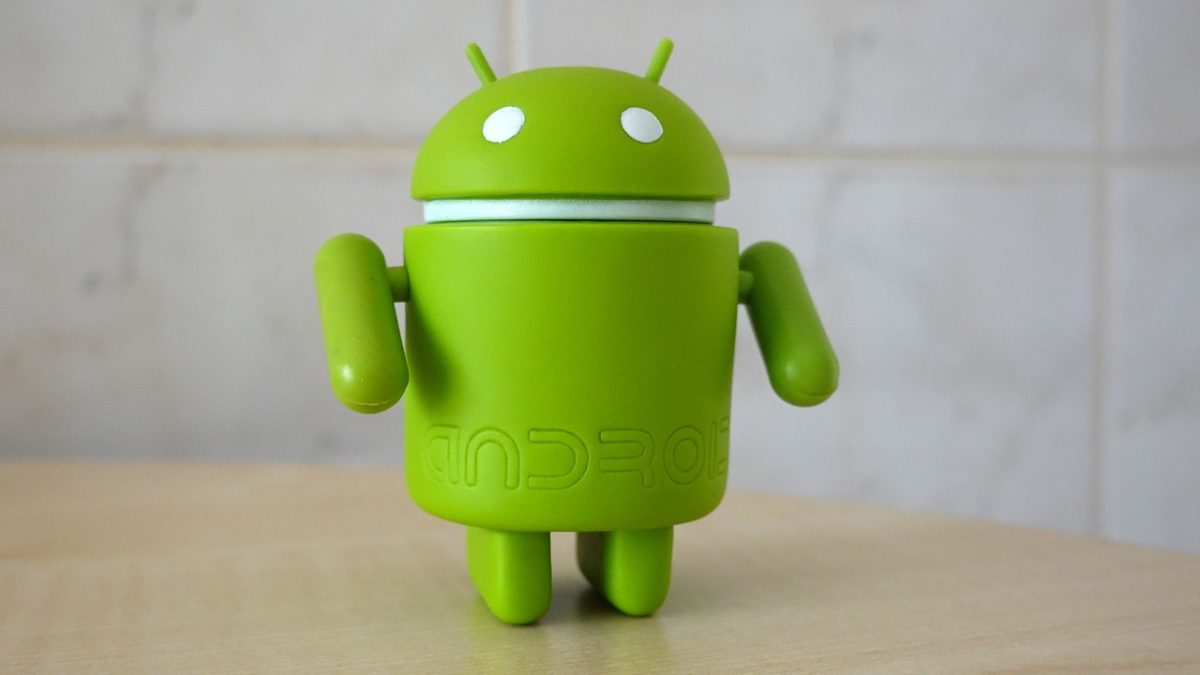
An APK file, which stands for Android Package Kit, is the package format Android uses to distribute and install mobile applications. Think of it as the Android equivalent of a .exe file on Windows, it is an archive file containing all the elements an app needs to run on your device.
What is an APK file?
APK stands for Android Package Kit. It is a package file format that the Android operating system uses for distributing and installing mobile applications. An APK file functions as an archive file for any app, carrying the .apk file extension. Just as Windows uses .exe files to install software, Android uses APK files. Most users never encounter the term because the Google Play Store handles the entire download and installation process automatically, hiding the underlying APK file from view.
What are APK files used for?
APK files are primarily used to install Android apps from outside the Google Play Store. This process, called sideloading, gives you access to apps that are not available through the official store. Common valid use cases include downloading beta versions of apps before their public release, installing region-restricted apps unavailable in your country, accessing apps that developers choose not to list on the Play Store, and getting the newest Google updates without waiting for carrier or over-the-air updates. For users interested in further customizing their device, APK files also enable options like changing wallpapers and themes beyond what the Play Store offers.
Are APK files safe?
APK files from third-party sources are not inherently safe. Google’s documentation shows that app installs from non-first-party sources require explicit permission, which is the documented safeguard. When you download an APK from an unofficial website, you bypass Google’s security screening, making your device vulnerable to malware. Malicious developers can disguise ransomware or other harmful software as legitimate apps. Over 90% of mobile malware is targeted at the Android system, according to F-secure, a mobile technology threat researcher. Always download APK files from reputable sources and consider using a security app on your device.

How to install an APK file on your Android device
Before you can install an APK file, you must grant your device permission to install apps from sources other than the Google Play Store. The steps differ depending on your Android version.
On Android 8.0 and higher:
- Open the app that will download or open the APK file.
- Go to Settings > Apps & notifications > Special app access > Install unknown apps.
- Turn on Allow app installs for that specific source app.
On Android 7.1.1 and lower:
- Go to Settings > Security and enable Unknown sources.
After granting permission, download the APK file from your browser or a trusted website. Once the download completes, open your Downloads folder or file browser, tap the APK file, and tap "Yes" or "Install" when prompted. The app will begin installing automatically.
How to install APK files from a PC
You can download an APK file on your PC and transfer it to your Android device, but the installation itself always happens on the Android device. Google documents this process as website distribution: host the release-ready APK on a website, open the download link on your Android device, then allow installs from that source in Install unknown apps or Unknown sources depending on your Android version.

To transfer an APK from your PC:
- Download the APK file on your PC from a reputable website.
- Connect your Android device to your PC using a USB cable.
- On your device, select "File Transfer" or "Media Device" mode when prompted.
- Copy the APK file from your PC to a folder on your Android device.
- Disconnect your device.
- Open your file manager app on the Android device, navigate to the folder where you copied the APK, and tap the file to begin installation.
Can you install APK files on an iPhone or iPad?
No. iPhone and iPad do not support APK installation. Apple uses the App Store for app distribution and, in the European Union, alternative app marketplaces or web distribution for iPhone and iPad on the latest iOS or iPadOS. The iOS equivalent of an APK file is an IPA file. Apple's documented iPhone path for app installation is App Store > Search or browse > Get/price > double-click side button or authenticate. Apple's alternative distribution path in the EU is web browser > tap install link > Settings > Manage App Installation > Allow next to the app marketplace.
Frequently Asked Questions
Can I install an APK file on a Windows computer?
Android emulators like BlueStacks and Nox App Player allow you to run Android apps on Windows, but official support documentation for installing APK files through these emulators is not available from the developers themselves. The process typically involves downloading the emulator, logging into a Google account, and then dragging and dropping the APK file into the emulator window.
Can I install an APK file on a Mac?
Android emulators such as Andyroid OS can recreate the Android environment on a Mac, but no official support source documents APK installation through this method. Users typically download the emulator, launch it, and use its built-in browser to download and install APK files.
Can I convert an APK file to another format?
No official source documents APK-to-other-format conversion. An APK file is an application designed to run on a specific operating system, unlike universal file formats such as PDF or MP3. You can rename an APK file to a .zip extension and unzip it to view its contents, but this does not convert it into a usable app for another platform.
What happens if I install a malicious APK file?
Installing a malicious APK can infect your device with ransomware, spyware, or other malware that may steal personal data, lock your files, or damage your system. Always verify the source of an APK file and use security software to scan files before installation.
Do I need to enable Unknown Sources every time I install an APK?
On Android 8.0 and higher, you grant permission per source app, so you only need to enable it once for each app you use to install APKs. On Android 7.1.1 and lower, the Unknown Sources toggle remains on until you manually turn it off, so you can install multiple APK files without repeating the step.
Related reading: Best APK Sites 2026.


![How to Play Summertime Saga on Android? [The Ultimate Guide]](/wp-content/uploads/2020/11/Summertime-Saga.png)