




To make a phone case less slippery, first clean it thoroughly to remove oils and residue, then apply a textured skin or grip strips for the most effective DIY improvement. These two methods provide the fastest and most reliable way to add grip to a case you already own without adding significant bulk.
How to make a phone case less slippery by cleaning it
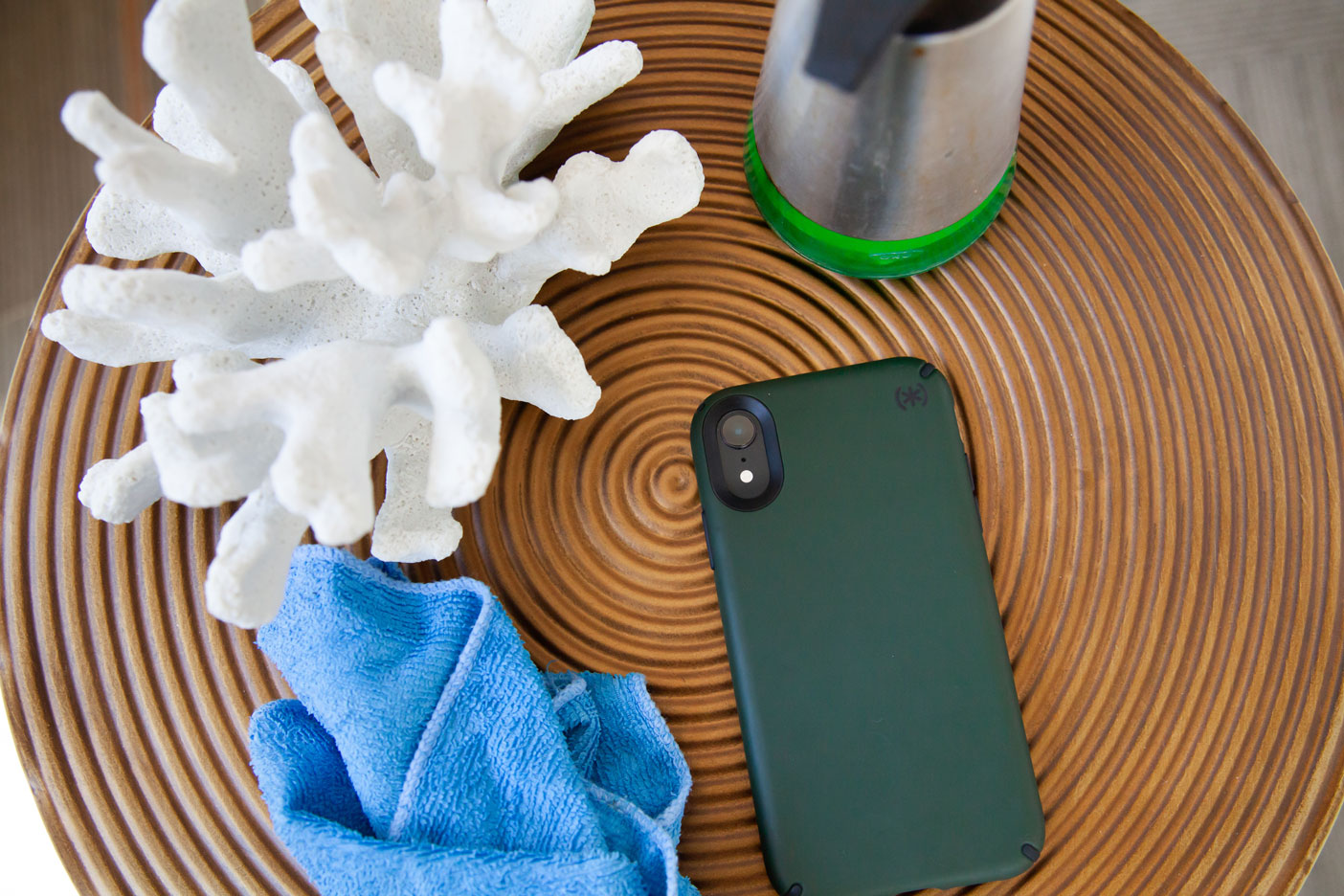
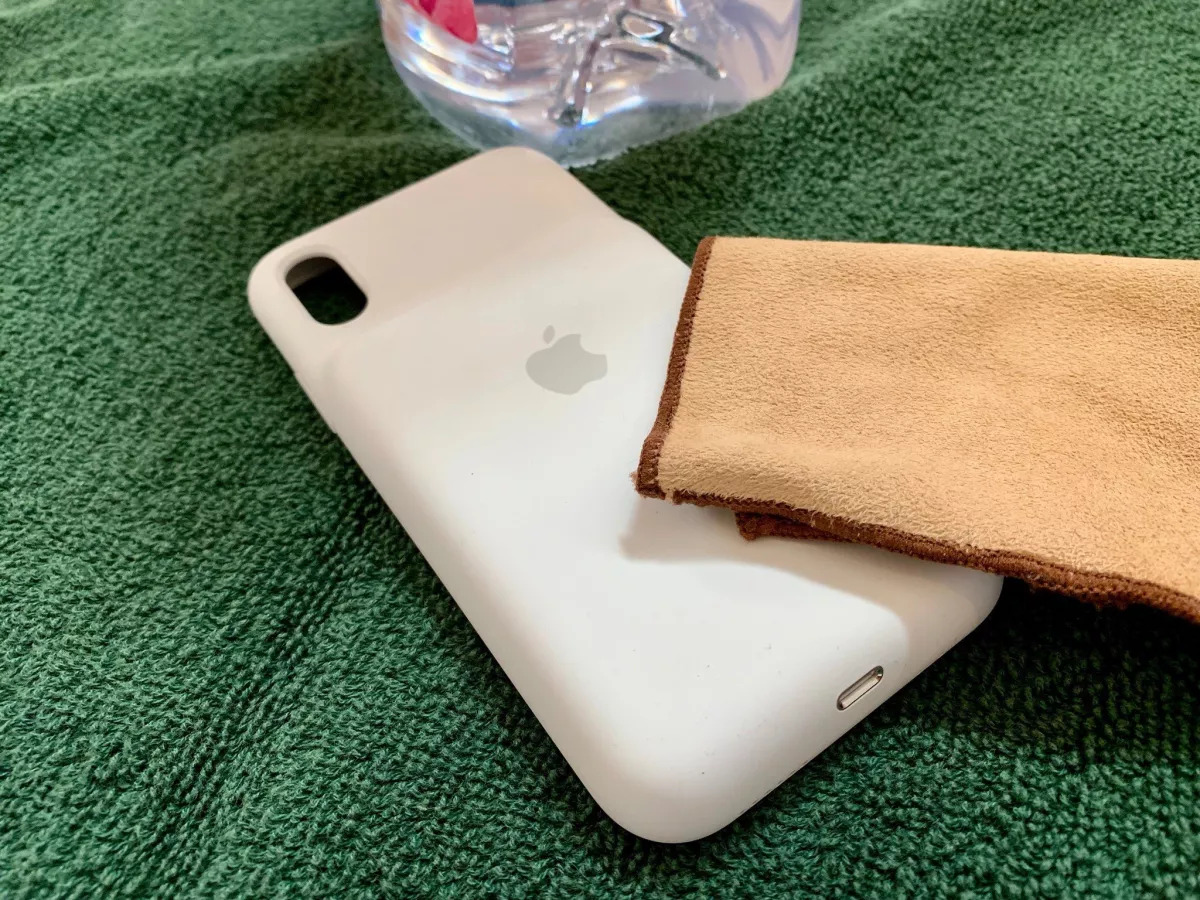
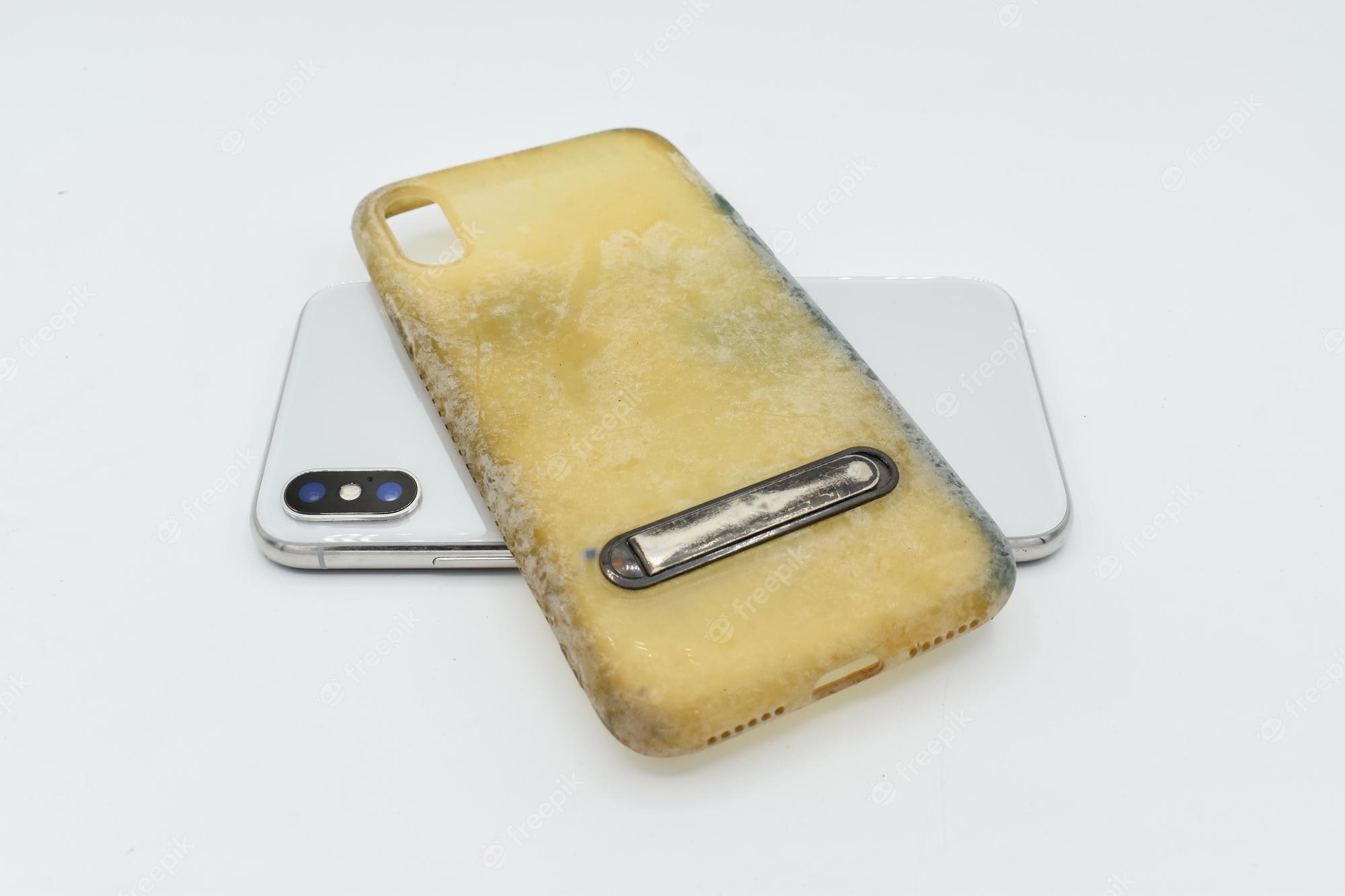
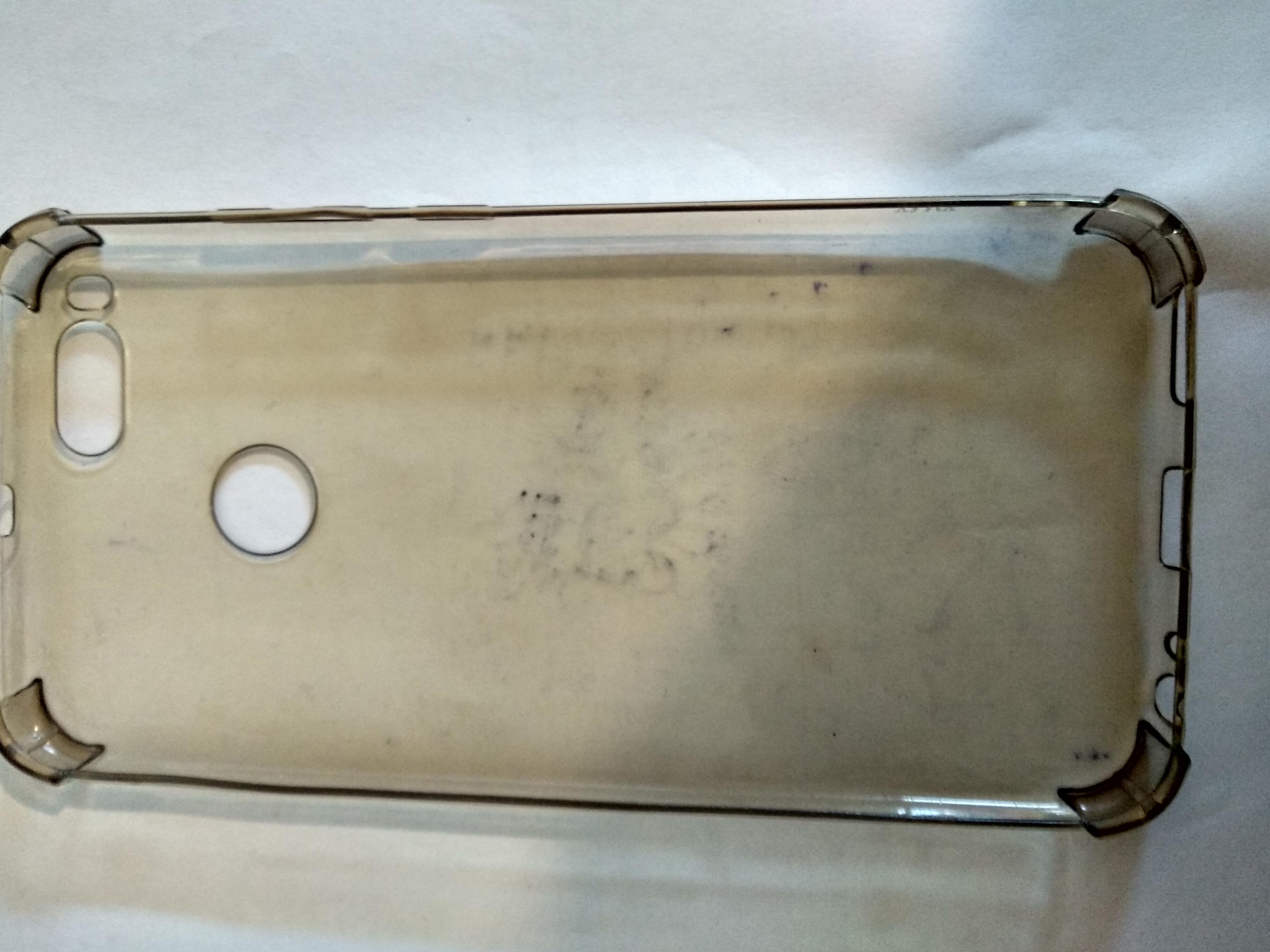
Accumulated skin oils, dust, makeup, and product residue can make any phone case feel more slippery over time. Regular cleaning of the phone case is essential, as these contaminants reduce its natural grip. To clean your case, wipe it down gently with a soft cloth. For stubborn dirt, use mild soap and warm water, then ensure it air-dries completely before reattaching it to your phone. This simple maintenance can restore much of the original texture your case had when new.
Apply a textured skin for instant grip
An effective method to make an existing case less slippery is to apply a phone case skin, which is a thin adhesive layer available in various textures like matte or rubberized. These skins add grip without adding noticeable bulk, making them ideal if you want to keep your phone slim while improving your hold. The adhesive backing bonds directly to your existing case, and the textured surface provides consistent traction even with sweaty hands.
Add non-slip grip strips or pads
Non-slip rubber strips or pads with adhesive backing can be cut to size and placed on the phone case for enhanced grip. You can position these strips along the sides of the case where your fingers naturally rest, or place a larger pad on the back for palm contact. This method lets you customize exactly where you need the most traction, and the rubber material provides immediate, noticeable improvement in how securely the phone sits in your hand.
Use a phone grip or pop socket
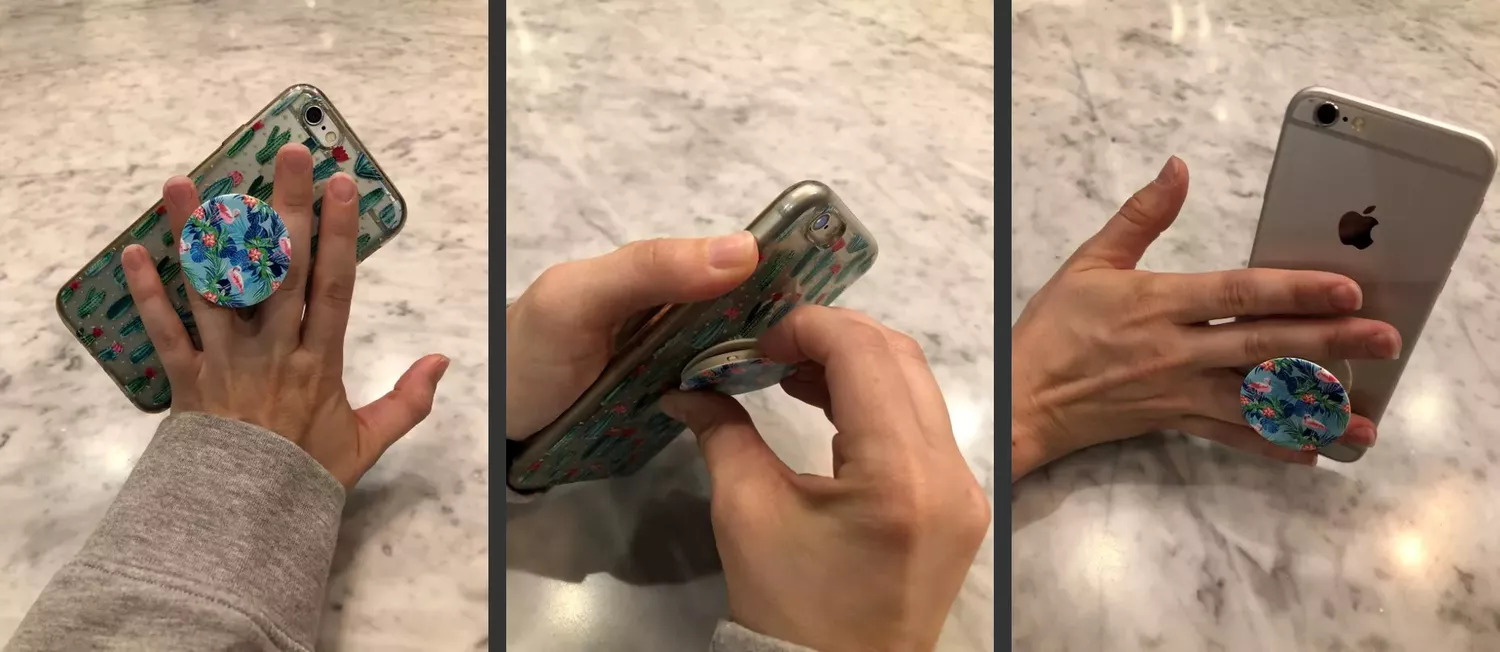
Phone grips or pop sockets can be attached to the back of the phone case or directly to the device to provide a more secure hold. Phone ring holders attach to the back of your phone case and can be used as a handle or a stand. These accessories create a mechanical anchor point between your fingers and the phone, which is especially helpful for larger phones that are harder to grip with one hand. They also double as stands for hands-free viewing, adding functionality alongside improved security.
Apply a rubber-based non-slip coating
Applying a non-slip coating, such as a rubber-based DIY solution like Plasti-Dip, can add grip to a phone case. This is a more advanced method that creates a permanent grippy layer on hard plastic or polycarbonate cases. The coating dries to a rubberized texture that significantly reduces slipperiness, though it does change the appearance and feel of the case permanently. This option works best on cases you plan to keep long-term and don't mind altering.
What to look for if you buy a new case
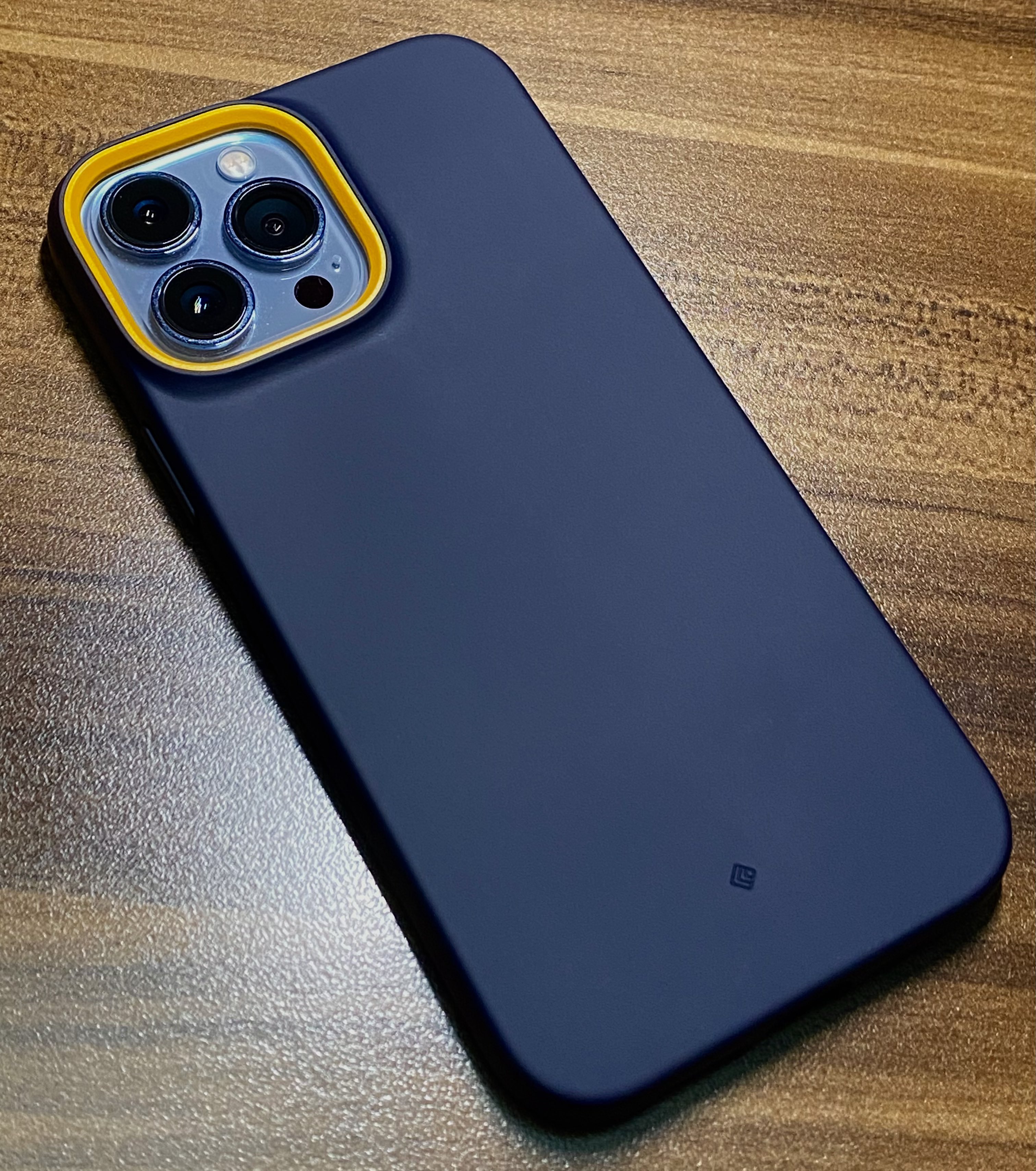
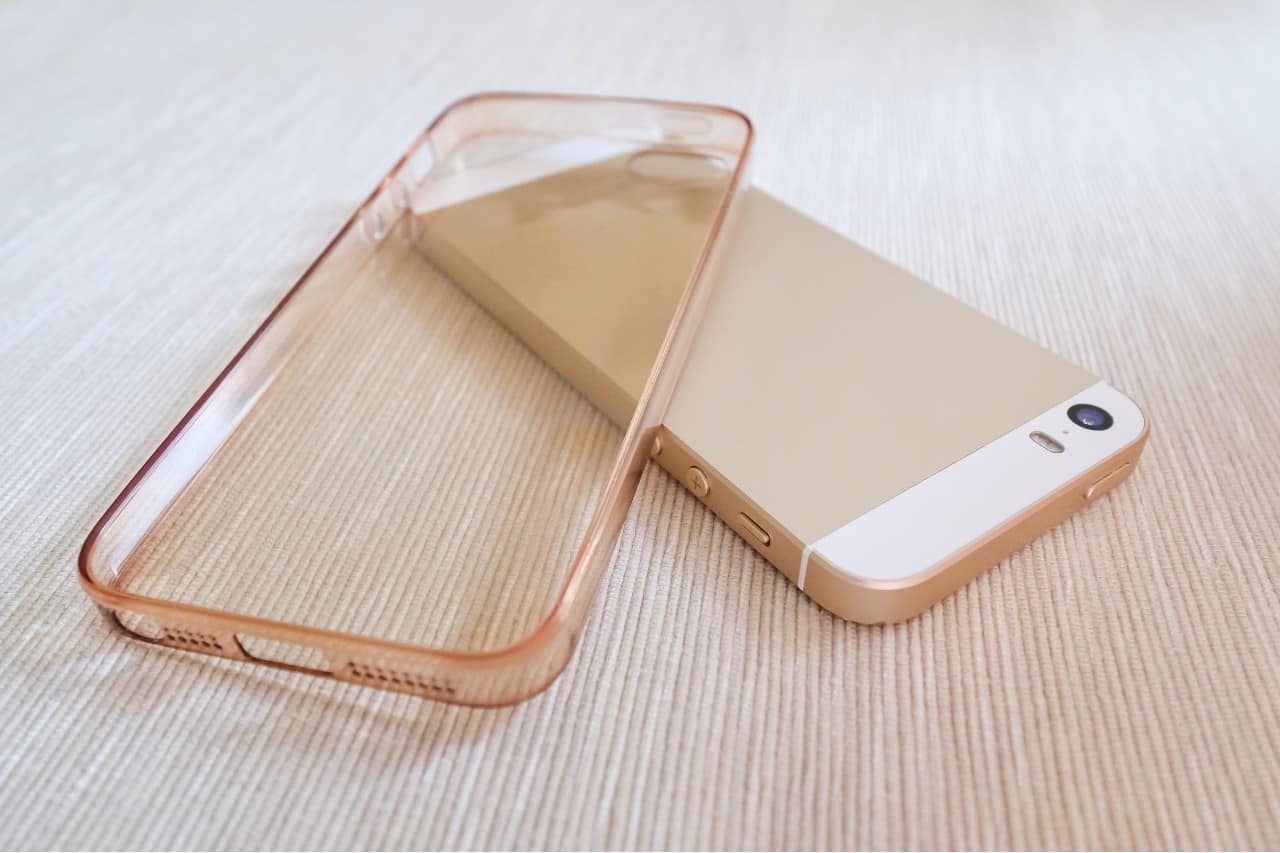
If you are researching what case material to buy next, material choice matters most for grip. Silicone phone cases offer excellent grip due to their soft, rubbery texture and natural anti-slip properties, even with sweaty hands. However, silicone cases can attract lint and dust, and may stretch or lose shape over time, potentially leading to a looser fit. TPU (Thermoplastic Polyurethane) phone cases can provide good grip if they have a sandblasted or coated surface, as untreated TPU may feel slightly slippery. Rubber is a very grippy material often incorporated into hybrid cases to provide extra shock absorption and grip. Hard plastic cases, such as those made from polycarbonate, typically have slick surfaces that offer minimal grip, increasing the risk of slipping, so avoid these if grip is your priority. Consider a crossbody phone case with an adjustable strap for hands-free convenience and eliminating drop risk.
Frequently Asked Questions
Why did my phone case get slippery over time?
Skin oils, sweat, dust, and product residue build up on the surface of your case and reduce friction. This is why cleaning your case regularly is often the first step to restoring grip.
Will a textured skin add a lot of thickness to my case?
No, phone case skins are designed to be thin adhesive layers that add texture without significantly increasing the overall size or bulk of your phone.
Can I remove grip strips or a skin later without damaging my case?
Most adhesive-backed grip strips and skins can be removed cleanly from smooth case surfaces. For textured or porous cases, some residue may remain, but it can usually be wiped away with mild soap and water.
Does cleaning phone cases and grips actually make a difference for slipperiness?
Yes, cleaning phone cases and grips removes the layer of oils and debris that reduces friction, often restoring much of the original grip without needing any additional products or modifications.
Is a pop socket or phone grip better for preventing drops?
Both provide a mechanical hold that prevents drops, but the choice depends on preference. Pop sockets collapse flat for pocketability, while phone grips often provide a wider surface for your fingers to hold.
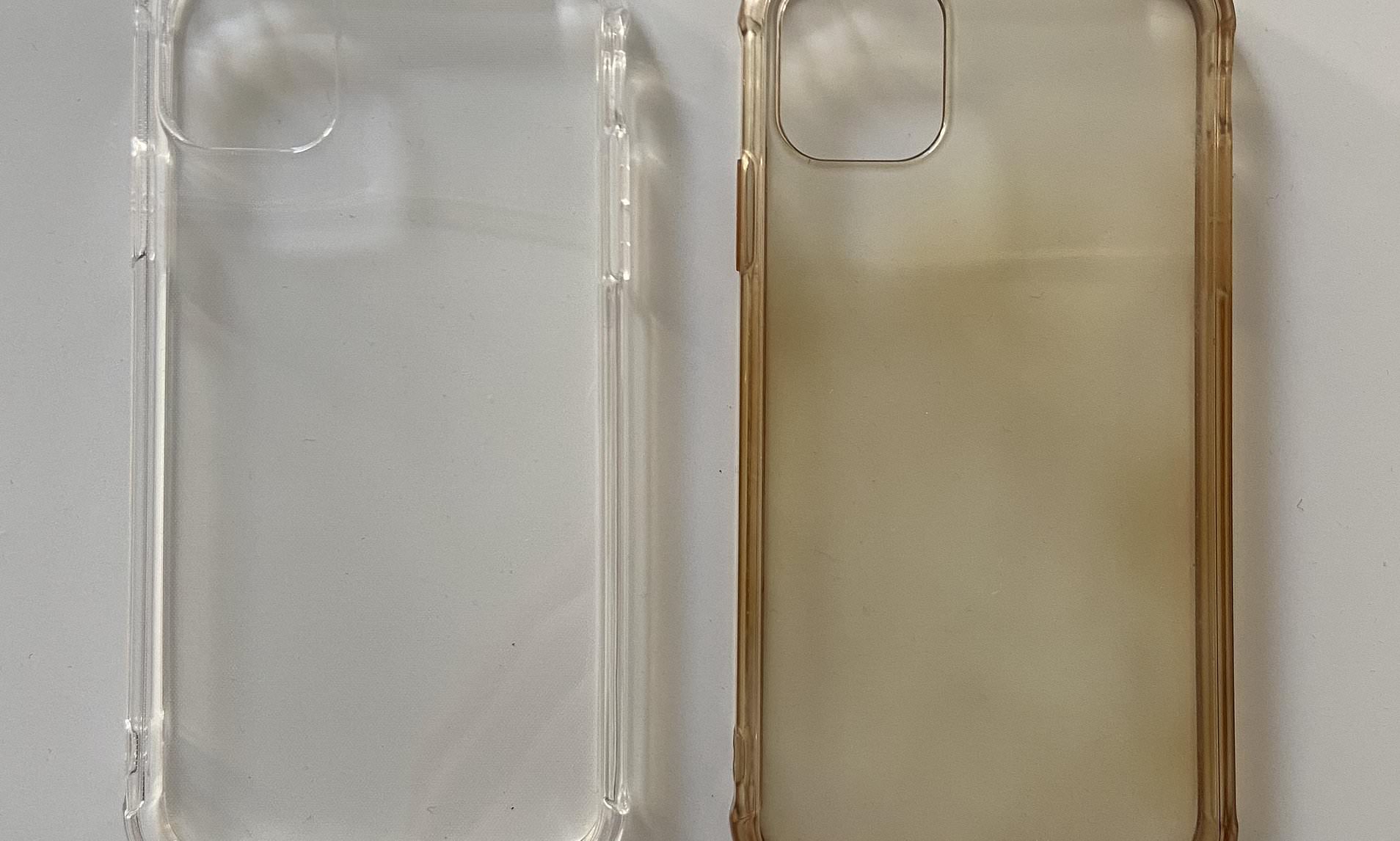
Related reading: How To Wash A Phone Case and How To Unyellow A Clear Phone Case.