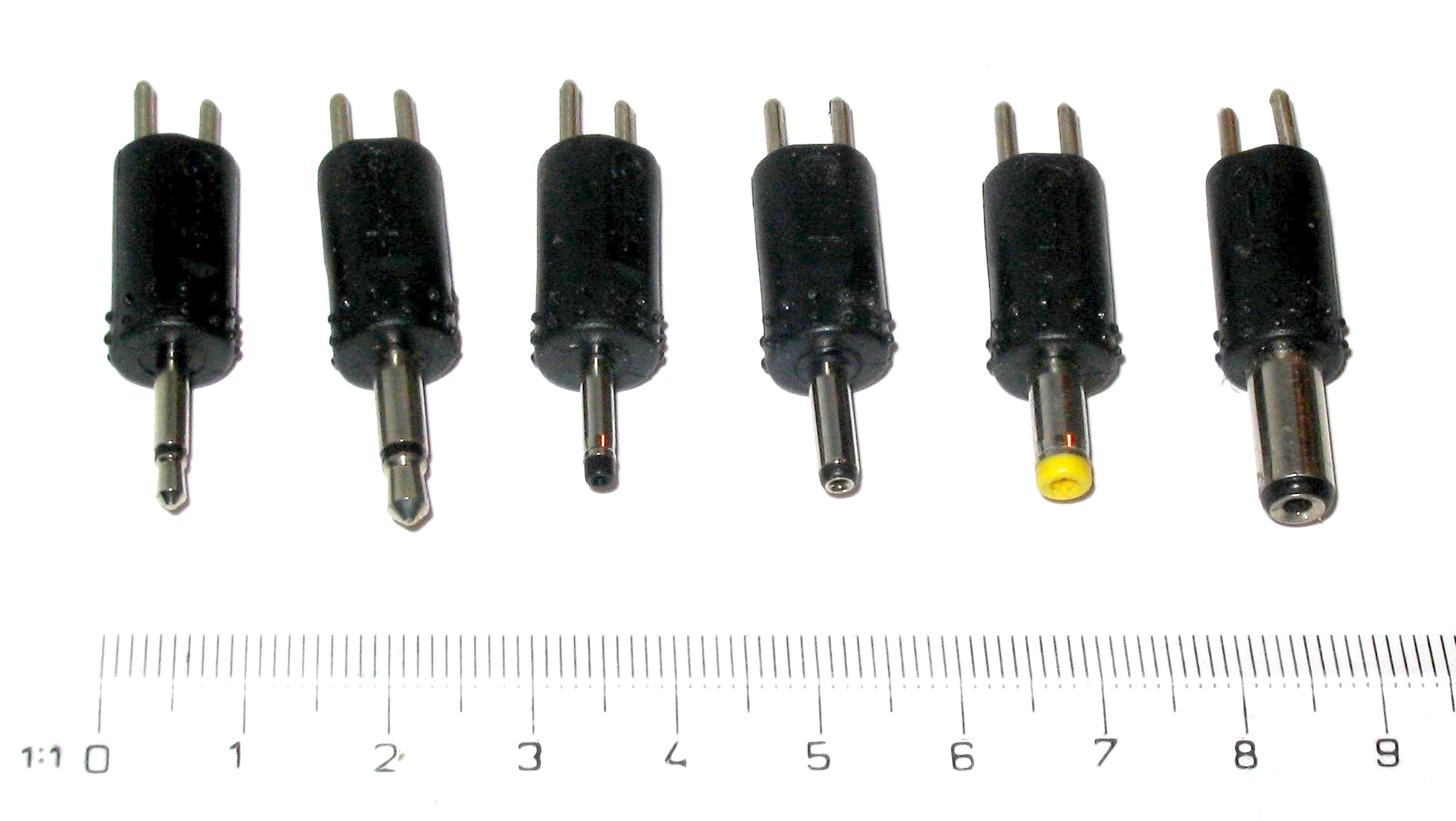





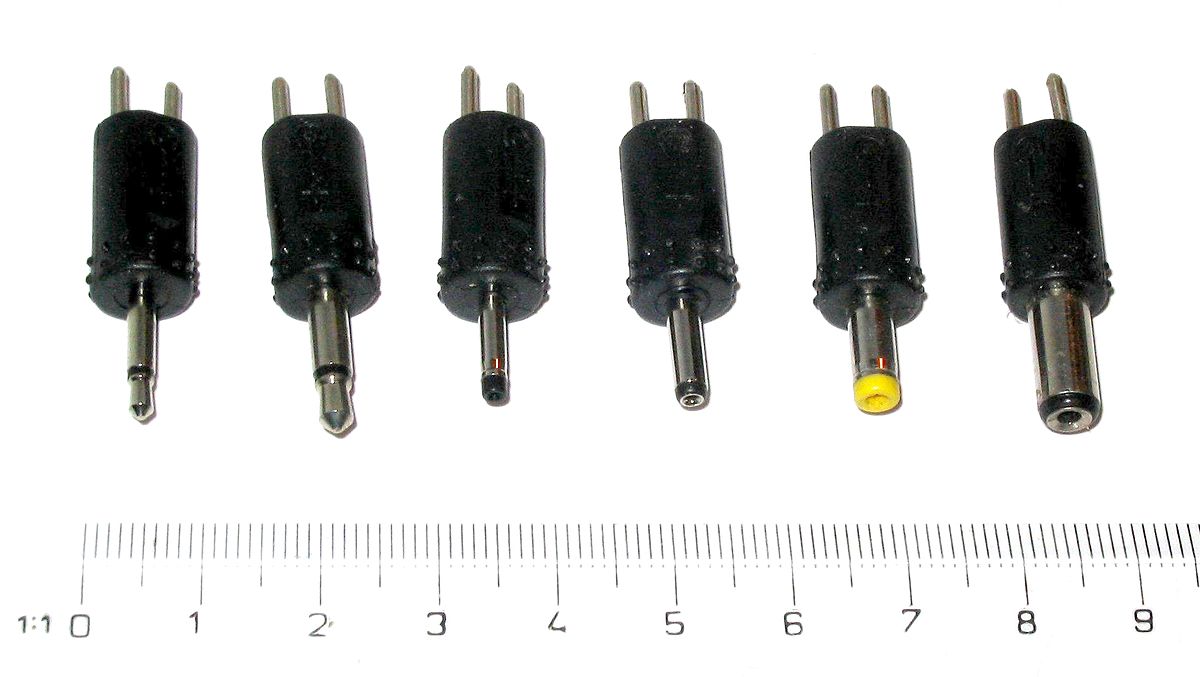
To measure a barrel connector, use a digital caliper to take three millimeter readings: the outer diameter (OD) across the metal sleeve, the inner diameter (ID) at the hollow center or pin opening, and the barrel length (L) from base to tip. These three numbers, recorded as OD × ID × L, let you find a compatible replacement plug or power adapter.
Why you need to measure a barrel connector
Measuring a barrel connector ensures compatibility between a power adapter and the device it powers. An incorrect size causes loose connections, power fluctuations, or physical damage to the jack. When you need a replacement adapter or plug, knowing the exact outer diameter, inner diameter, and length in millimeters guarantees the new part fits securely and delivers reliable power.
Tools you need to measure a barrel connector
A digital caliper is the essential tool for accurate measurement of a barrel connector. Rulers are not recommended because they lack the precision needed for millimeter-scale dimensions. Digital calipers provide clear readings for outer diameter, inner diameter, and length, which are the three measurements required to identify a connector size. Wire strippers are needed to prepare connectors for measurement by removing insulation from wires. Graph paper and pen are useful for sketching measurements or diagrams to visualize dimensions.
How to measure outer diameter (OD)
- Identify whether the connector is male (protruding center pin) or female (hollow center) before measuring.
- Place the barrel connector on a flat surface with the metal sleeve facing up.
- Open the digital caliper jaws and position them across the widest part of the metal sleeve.
- Close the jaws gently against the sleeve and read the measurement in millimeters.
This reading is the outer diameter. It tells you the size of the sleeve that fits into the device's power jack.
How to measure inner diameter (ID)
- Switch the caliper to its inner jaws (the smaller set of jaws used for holes).
- Insert the inner jaws into the hollow center of the barrel connector (for a female connector) or into the opening around the center pin (for a male connector).
- Open the jaws until they contact the inner walls and read the measurement in millimeters.
This reading is the inner diameter. It corresponds to the size of the center pin or the hollow receptacle that receives it.
How to measure barrel length (L)
- Position the barrel connector so the body is parallel to the caliper’s depth rod or between the main jaws.
- Measure from the base of the connector (where it meets the cable housing or strain relief) to the tip of the barrel.
- For male connectors, measure the exposed pin length from base to tip.
- Record the length in millimeters.
The barrel length ensures the plug seats fully into the device’s jack without protruding or leaving a gap.
How to record your barrel connector size
Write down the three measurements in the standard format: outer diameter × inner diameter × length, all in millimeters. Another frequent size is 5.5 mm × 2.5 mm. Double-check all measurements for accuracy; measure twice to confirm correct dimensions. Using this format makes it easy to search for a matching replacement adapter or plug.
Common barrel connector sizes and standards
Barrel connectors come in several standard dimensions. Outer sleeve diameters commonly include 3.5 mm, 4.0 mm, 4.75 mm, and 5.5 mm. Inner pin diameters frequently used are 2.1 mm, 2.5 mm, and 2.35 mm. Knowing these common sizes helps you identify your connector when comparing against manufacturer specifications or product listings.
Frequently Asked Questions
What is a barrel connector?
A barrel connector is a cylindrical plug and socket used to deliver DC power from an adapter to a device. It is commonly found on chargers for laptops, routers, monitors, and other electronics that use an external power supply.
Why does measuring a barrel connector matter?
Measuring a barrel connector matters because an incorrectly sized plug can cause a loose fit, intermittent power, or damage to the device’s power jack. Accurate measurements ensure the replacement adapter matches the original and provides a secure, reliable connection.
Are there different types of barrel connectors?
Yes, barrel connectors vary in outer diameter, inner diameter, length, and polarity. Some also have a center pin that is solid or split, though the physical dimensions remain the primary differentiators for compatibility.
Can I use an adapter for mismatched barrel connector sizes?
Adapters exist that convert one barrel connector size to another, but they must match the voltage and polarity requirements of your device. Using an adapter with a mismatched size can still result in a poor mechanical fit, so measuring the original connector and finding an exact match is the preferred solution.
How does barrel connector size relate to phone charger types and cables?
Phone charger types and cables often use USB connectors rather than barrel connectors, but some older phones, portable chargers, and accessories still rely on barrel plugs for DC power input. Measuring the barrel connector on such items ensures you buy the correct replacement cable or adapter.
How do I measure the barrel connector of my device?
Step-by-step using caliper or ruler on plug OD and socket ID in millimeters.
Related reading: How To Charge Headset.