




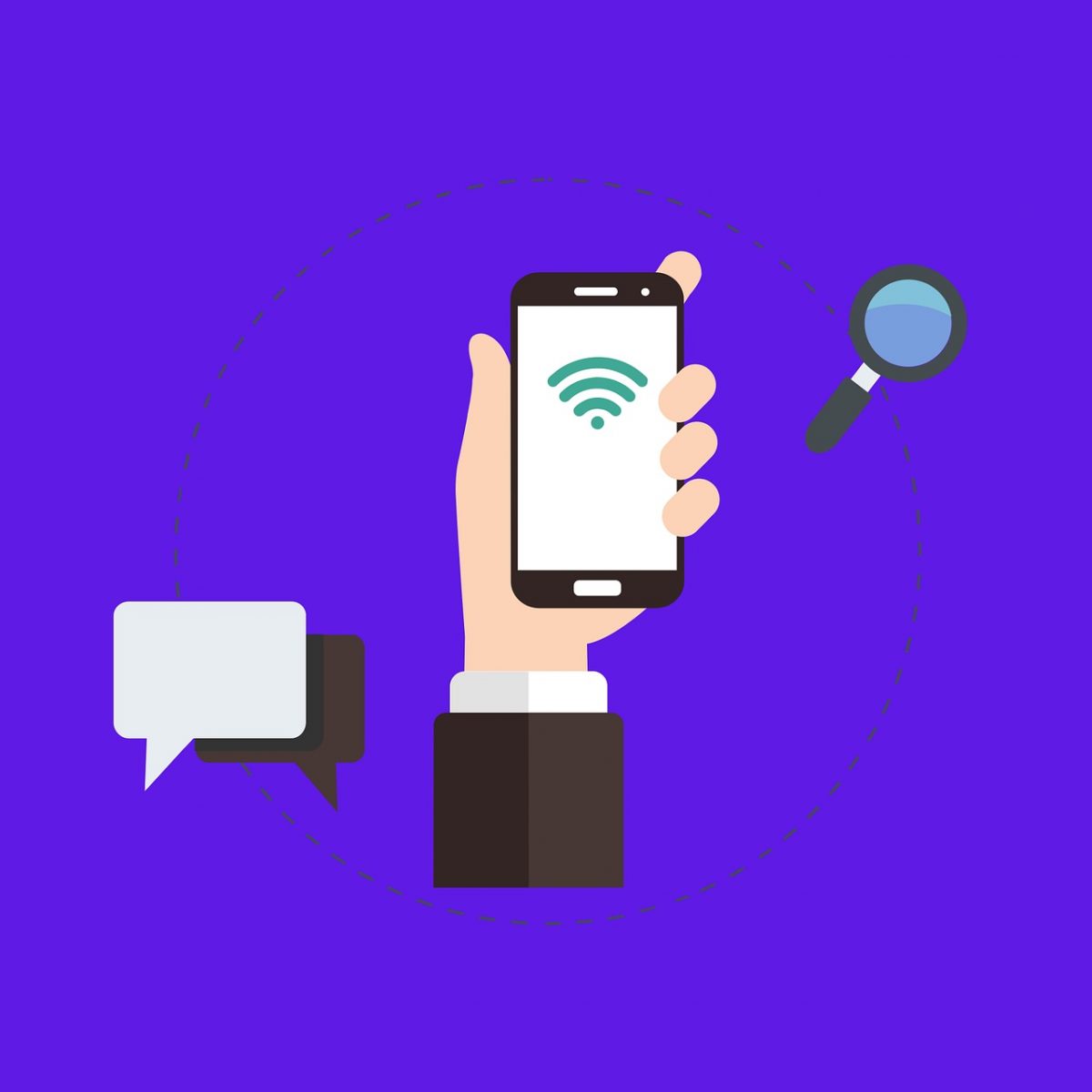
Resetting network settings is a targeted fix for Wi‑Fi, Bluetooth, or cellular data problems that clears connectivity configurations without deleting your personal data, apps, or media.
What it means to reset network settings
Resetting network settings clears only the network-related configurations on your device, including Wi‑Fi networks and passwords, Bluetooth pairings, cellular settings, and VPN and APN settings. Your personal files, downloaded apps, photos, and account information remain untouched. After the reset, you will need to re‑enter passwords for Wi‑Fi networks and reconnect Bluetooth accessories. Secure copies of all network passwords or use of a password manager app recommended before reset.
What happens after you reset network settings
On iPhone and iPad, Apple documents that resetting network settings removes saved Wi‑Fi networks and passwords, turns Wi‑Fi off and back on, and leaves Wi‑Fi and Ask to Join Networks turned on. The device name in Settings > General > About reverts to “iPhone” or “iPad,” manually trusted certificates become untrusted, and cellular data roaming may be turned off. VPN settings installed by a configuration profile or MDM are not removed, but non‑profile VPN settings are cleared. VPN server name and password are forgotten after reset; users must reconfigure VPN manually. On Samsung Galaxy phones, resetting network settings erases Wi‑Fi, Bluetooth, and mobile network settings, requiring you to reconnect to networks and accessories afterward. Resetting network settings does not affect security, language, accounts, personal data, or downloaded apps on Android. Mobile networks (LTE, 5G, 4G, 3G, 2G) are reactivated after reset; SMS and call functions should remain as-is unless they were the original problem. Bluetooth pairing settings return to default state; devices no longer auto-sync with previously paired accessories. Motorola devices offer separate reset options: one for mobile network settings and another for Bluetooth and Wi‑Fi connections.
How to reset network settings on iPhone
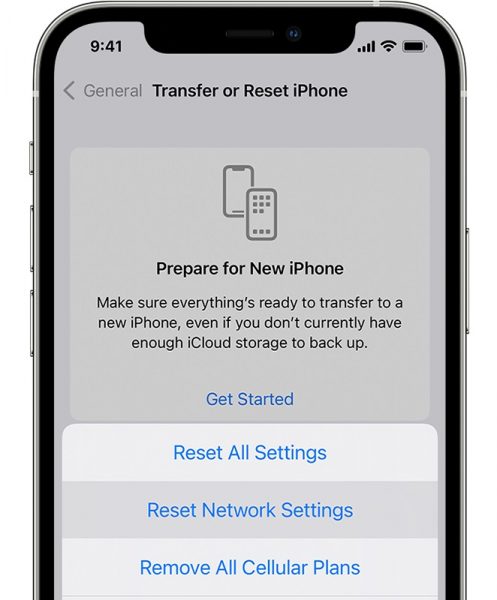
Apple’s documented path for iPhone is:
- Deactivate iCloud Keychain before resetting on iPhone/iPad to prevent erasing stored passwords across linked devices.
- Open Settings.
- Tap General.
- Tap Transfer or Reset iPhone.
- Tap Reset.
- Tap Reset Network Settings.
No data or media are deleted. After the reset, your iPhone will restart with network settings cleared. After reset, sign back into iCloud Keychain and double-check availability of saved passwords. iPhone Reset menu also contains 'Reset All Settings' option as a helpful alternative for other relevant issues. Alternative fixes if mobile data still not working after reset on iPhone: restart device, re-insert SIM card, install carrier and OS updates, use troubleshooting tools, consult Apple Support.
How to reset network settings on iPad
The steps for iPad are identical to those on iPhone:
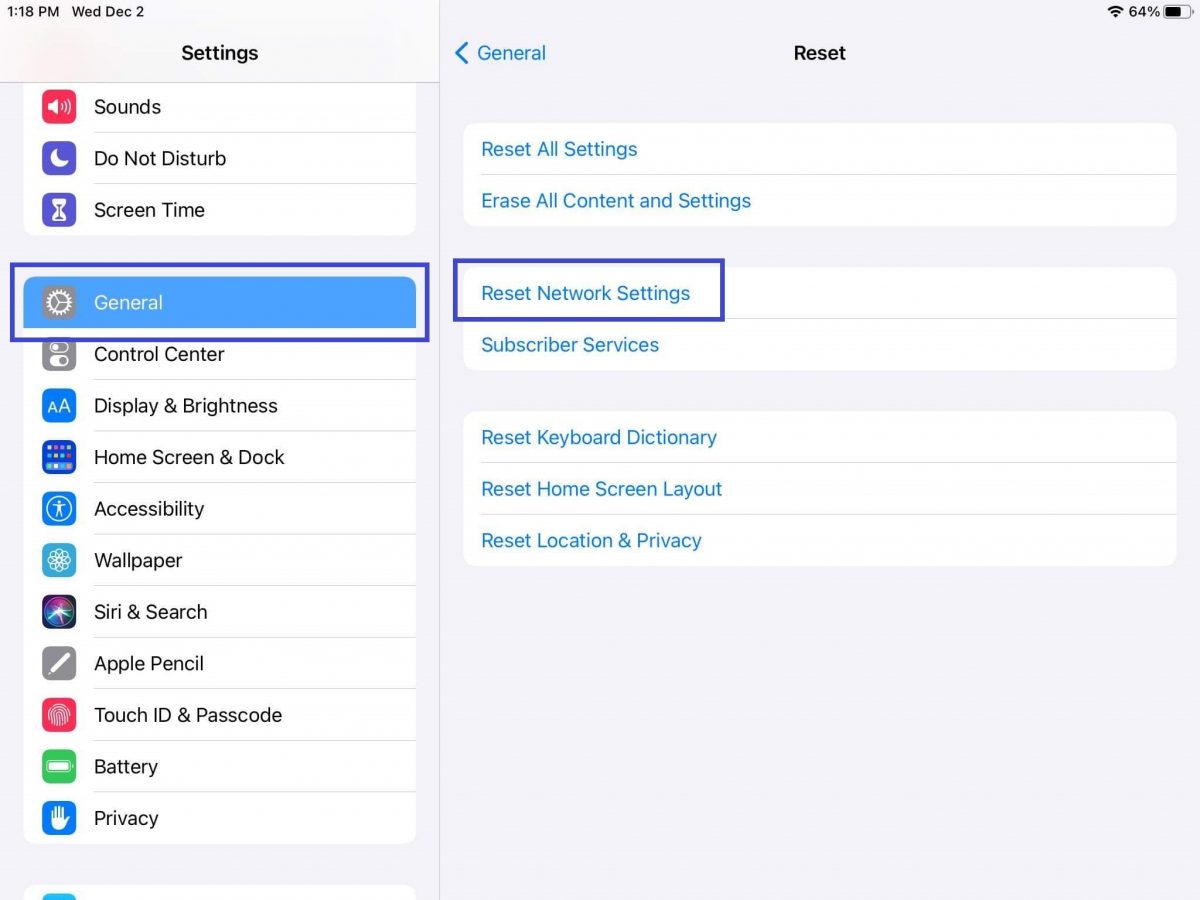
- Open Settings.
- Tap General.
- Tap Transfer or Reset iPad.
- Tap Reset.
- Tap Reset Network Settings.
The same effects apply: all network settings, saved networks, and non‑profile VPN settings are removed, while your data and media remain intact.
How to reset network settings on Android
The exact path varies by manufacturer. Use the steps below for your device.
Samsung Galaxy
- Open Settings.
- Tap General management.
- Tap Reset.
- Tap Reset mobile network settings.
- Tap Reset settings.
This erases Wi‑Fi, Bluetooth, and mobile network settings.
Motorola
- Open Settings.
- Tap System.
- Tap Advanced.
- Tap Reset options.
- Tap Reset Mobile Network Settings for cellular and network settings, or tap Reset Bluetooth & Wi‑Fi for those connections.
For other Android brands, look for a “Reset network settings” or “Reset mobile network settings” option under System, General management, or Backup & reset in your Settings app. Alternative fixes if mobile data still not working after reset on Android: check mobile data limit, restart device, disable airplane mode, re-insert SIM card, toggle APN settings.
Network settings reset vs factory reset
A network settings reset only clears connectivity settings such as Wi‑Fi, Bluetooth, cellular, and VPN configurations. It does not delete your apps, photos, messages, or any other personal data. A factory reset, by contrast, erases all data, apps, and media from the device and returns it to its original out‑of‑box state. Choose a network settings reset when you are troubleshooting connectivity issues like Wi‑Fi not connecting, Bluetooth pairing failures, or cellular data problems. Only use a factory reset if you are selling the device, or if software problems persist after exhausting all other troubleshooting steps.
Frequently Asked Questions
Will resetting network settings delete my photos or apps?
No. Resetting network settings only clears network‑related configurations. Your photos, videos, contacts, and installed apps remain on the device.
Do I need to back up my device before resetting network settings?
A backup is not required because no personal data is deleted. However, it is a good idea to note down your Wi‑Fi passwords and VPN credentials so you can reconnect easily after the reset.
Why did my device name change after resetting network settings?
On iPhone and iPad, Apple documents that the device name resets to “iPhone” or “iPad” after a network settings reset. You can change it back in Settings > General > About > Name.
Will resetting network settings fix my cellular data not working?
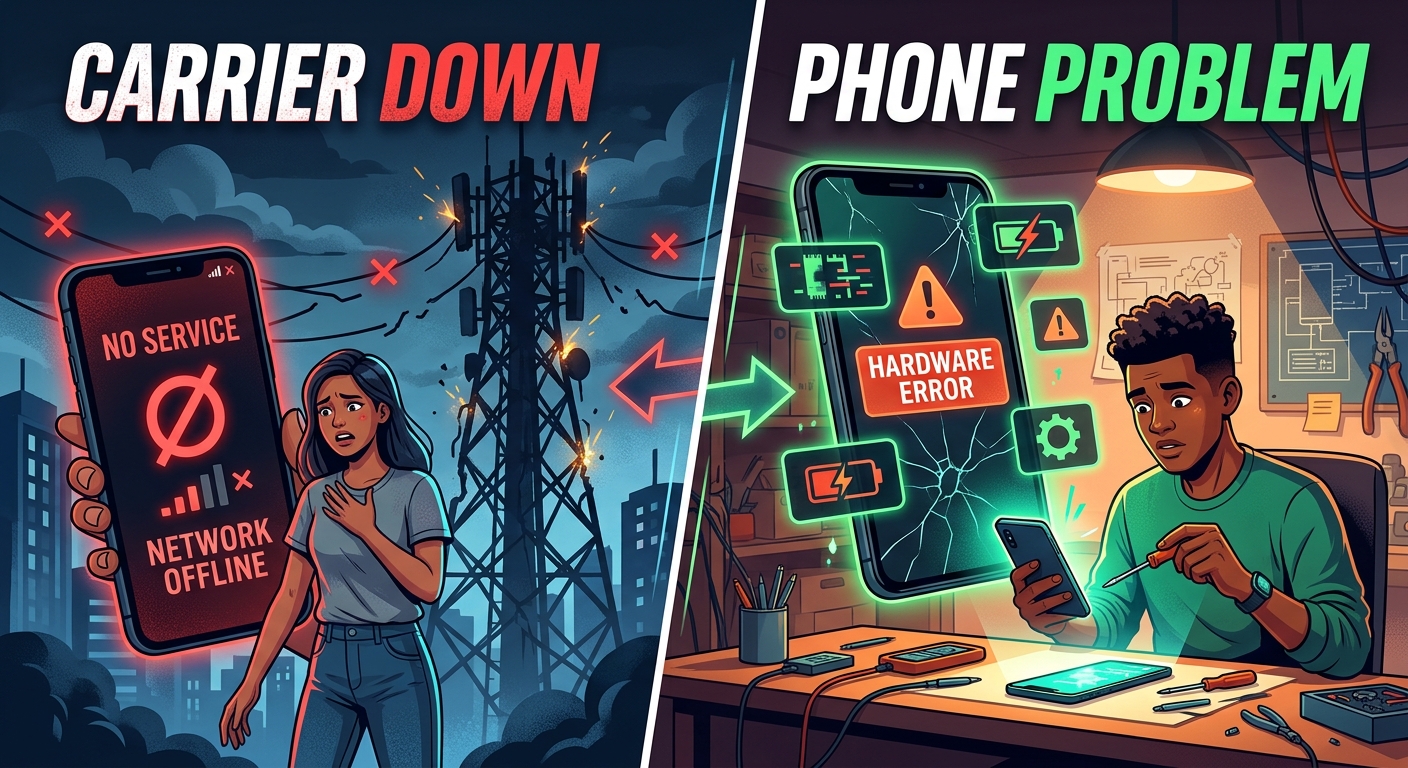
Yes, if the issue is caused by corrupted network settings. The reset clears cellular settings, APN settings, and roaming preferences, which can resolve many mobile data problems. If the problem persists, contact your carrier.
Can I reset network settings on my Android phone if I have a different brand?
Yes, but the exact menu path varies. Look for “Reset network settings,” “Reset mobile network settings,” or similar options under Settings > System, Settings > General management, or Settings > Backup & reset. If you cannot find it, search for “reset network” in your Settings app.
Does resetting network settings affect my eSIM?
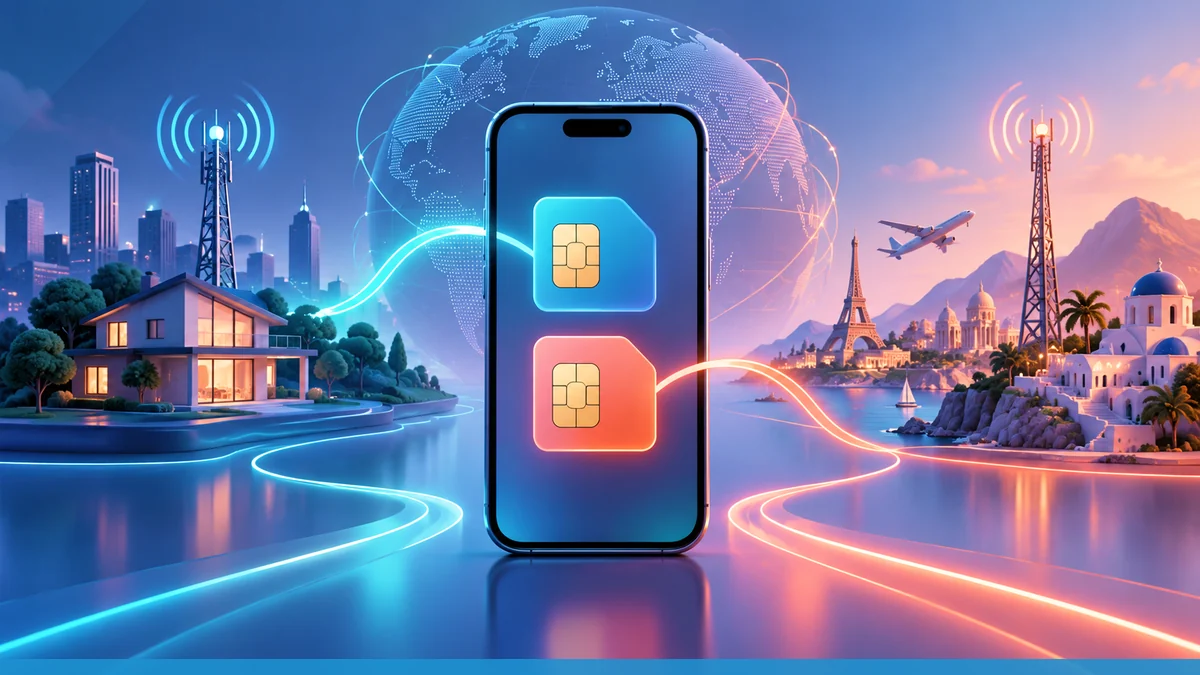
Resetting network settings does not remove your eSIM profile. Your eSIM remains active, but cellular settings such as APN and roaming preferences may be reset.
For the wider topic, see reset T-Mobile 5G home internet.
Related reading: How To Connect To PS3 Network Wireless and How to Change IP Address on Your Android Phone or iPhone.