




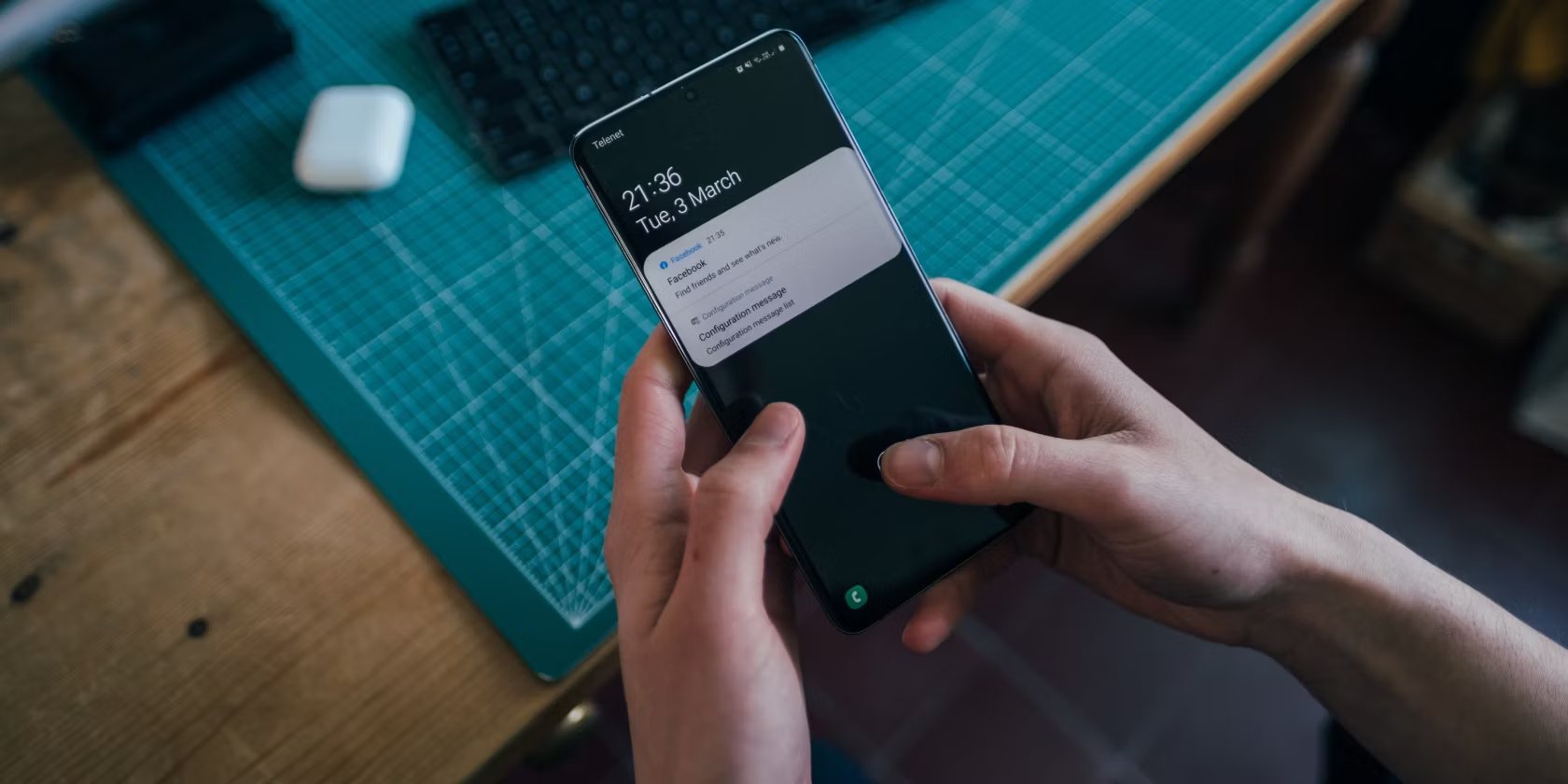
To add notification sounds on Android, you have two main goals: changing the default sound that plays for all notifications and setting a custom sound for a specific app. The exact steps depend on your device manufacturer and Android version, but the core process is consistent across modern Android phones.
Change the default notification sound
- Open Settings on your Android device.
- Tap Sound & vibration.
- Select Notification (or Default notification sound).
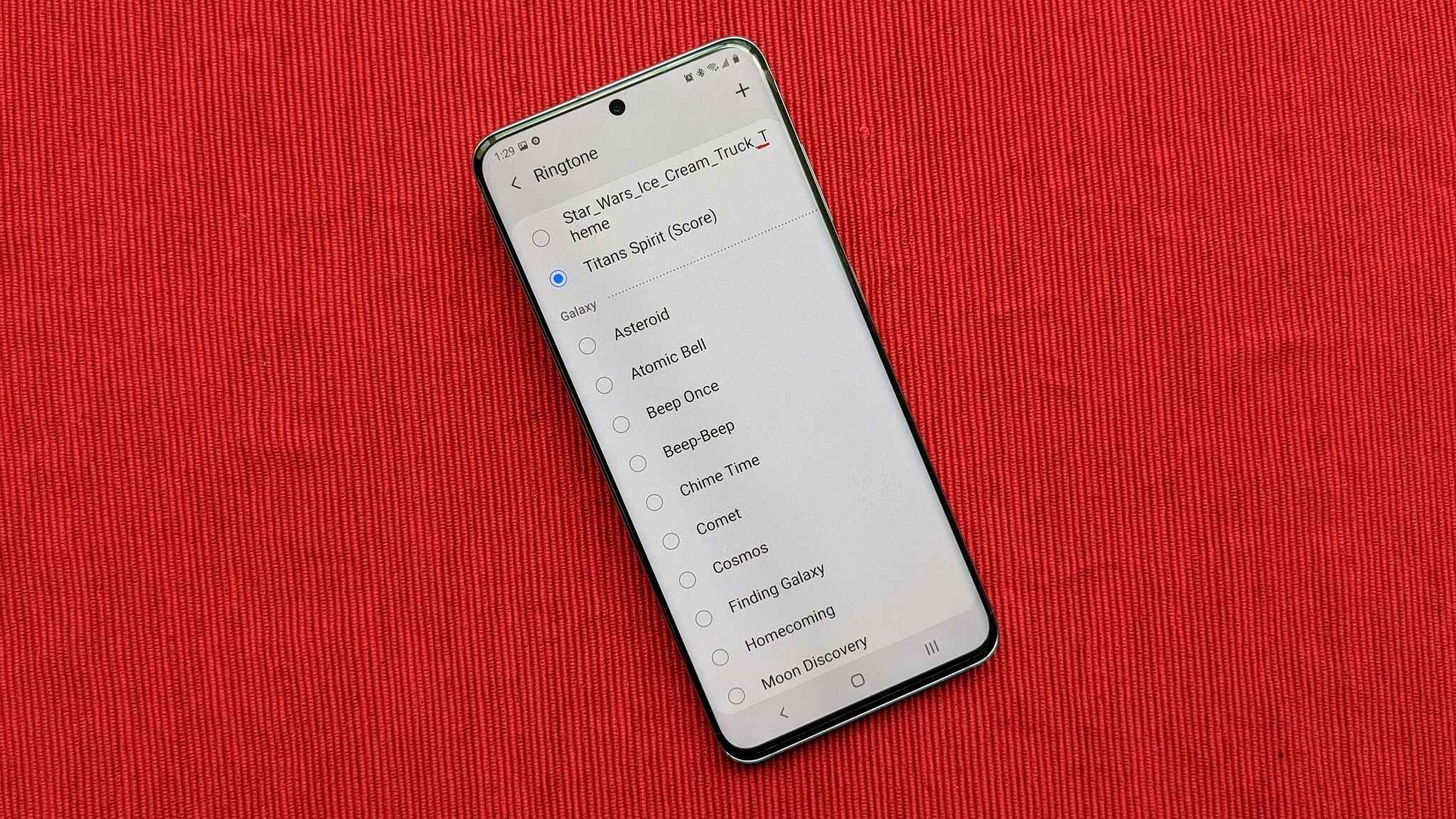
- Browse the list of available sounds and tap the one you want to preview it.
- Tap Save to confirm your choice.
This changes the sound for any app that hasn't been assigned its own custom notification sound through its notification categories.
Set a custom sound for a specific app
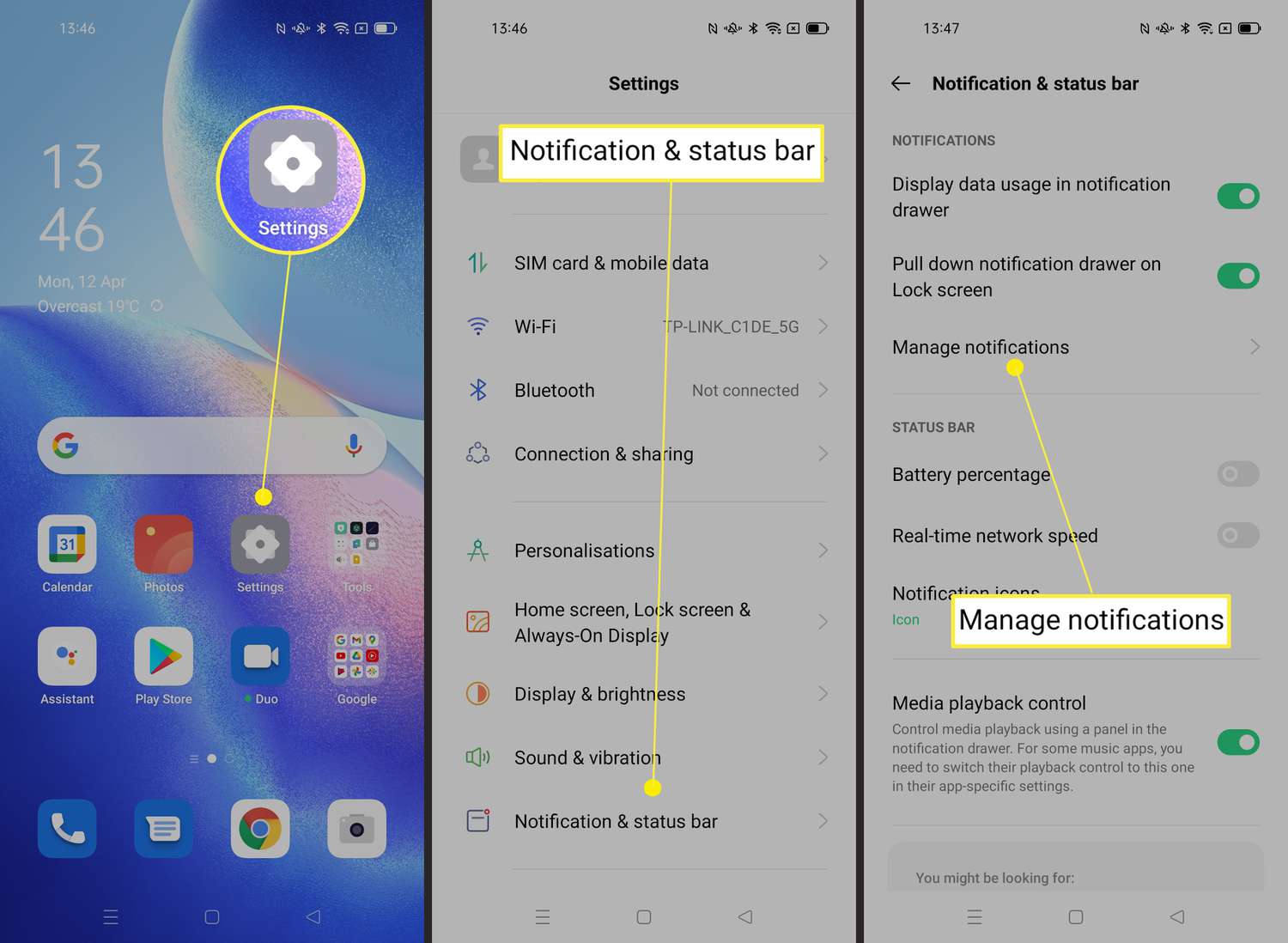
- Open Settings and go to Notifications.
- Tap App notifications and select the app you want to customize.
- Tap Notification categories (or Notification channels).
- On Pixel, to change one app’s sound, go to Settings > Notifications > App notifications > [app] > Notification categories > [category] > Sound.
- Tap Sound and select a new tone from the list.
- Tap Save to apply the change.
Understanding notification channels on Android 8+
On Android 8.0 and later, app sounds are managed through notification categories, also called notification channels. For Android 8+, notification sounds are tied to notification categories/channels. This means you cannot set a single custom sound for an entire app. Instead, you change the sound for each category within that app. For example, a messaging app might have separate categories for "Direct messages," "Group messages," and "Promotional alerts," each with its own sound setting. This design gives you finer control over which notifications are important enough to warrant a distinct tone.
How to use your own audio files as notification sounds
To use your own MP3 or WAV files as notification sounds, copy the audio file into the Notifications folder on your device's internal storage. After placing the file there, it should appear in the sound picker when you choose a notification sound in Settings. If the folder does not exist, create it. Note that exact steps may vary by manufacturer; some devices require you to use a file manager app to navigate to the folder, while others let you add sounds directly from the sound picker using a "+" button. Apple’s documented custom notification sound formats for app notifications are .aiff, .wav, and .caf. Apple’s documented file length limit is under 30 seconds.
Frequently Asked Questions
Can I set a specific notification sound for individual contacts?
Yes. Open the Contacts app, select the contact, tap Edit, then choose Ringtone or Default notification sound and pick a tone. This works for calls and text messages from that contact, but not for third-party apps like WhatsApp unless the app supports per-contact notification settings.
What audio file formats are supported for custom notification sounds on Android?
Android supports MP3, WAV, AAC, and OGG files for notification sounds. If your audio file is in an unsupported format, you can convert it using a free audio converter before moving it to the Notifications folder.
Can I use downloaded sound packs to get more notification tones?
Yes. Apps like Zedge and Audiko offer large libraries of notification sounds that you can download directly to your device. After downloading, the sound usually appears in the sound picker automatically, or you can move it to the Notifications folder manually.
Why can't I see my custom sound in the notification sound list?
The file may be in an unsupported format, stored in the wrong folder, or the device may need to be restarted. Ensure the file is an MP3 or WAV placed in the Notifications folder on internal storage, not on an SD card.
Does changing the notification sound affect Spotify mobile features?
No. Changing your Android notification sounds does not affect Spotify mobile features like playback controls, playlist management, or audio quality settings.
Testing the Notification Sounds
Related reading: How To Turn On The Ringer On An Android Phone and How To Turn Off Mute On Samsung Phone.