




To blur background in Lightroom Mobile, open your photo and go to Edit > Blur, then adjust the Blur amount slider to control the strength of the effect. This is the official, Adobe-documented Lens Blur method for Lightroom Mobile version 9.3 and later, and it is the fastest way to make your subject stand out with a professional depth-of-field look.
How to blur background in Lightroom Mobile with Lens Blur
The definitive method for blurring a background in Lightroom Mobile is the Lens Blur feature, which Adobe documents as Edit > Blur. This AI-powered tool analyzes your photo and applies a realistic blur to the background while keeping your subject sharp, mimicking the look of a wide-aperture lens. This is the only documented method for this task in the current version of the app, and it replaces older, less effective techniques.
- Open your photo in Lightroom Mobile and tap the Edit button at the bottom of the screen.
- Select Blur from the editing menu. This opens the Lens Blur interface.
- Move the Blur amount slider to set the strength of the effect. Sliding to the right increases the background blur, while sliding left reduces it.
- If Lightroom shows a prompt, choose Update AI edits and follow the dialog to ensure the blur is applied correctly to your latest image version.
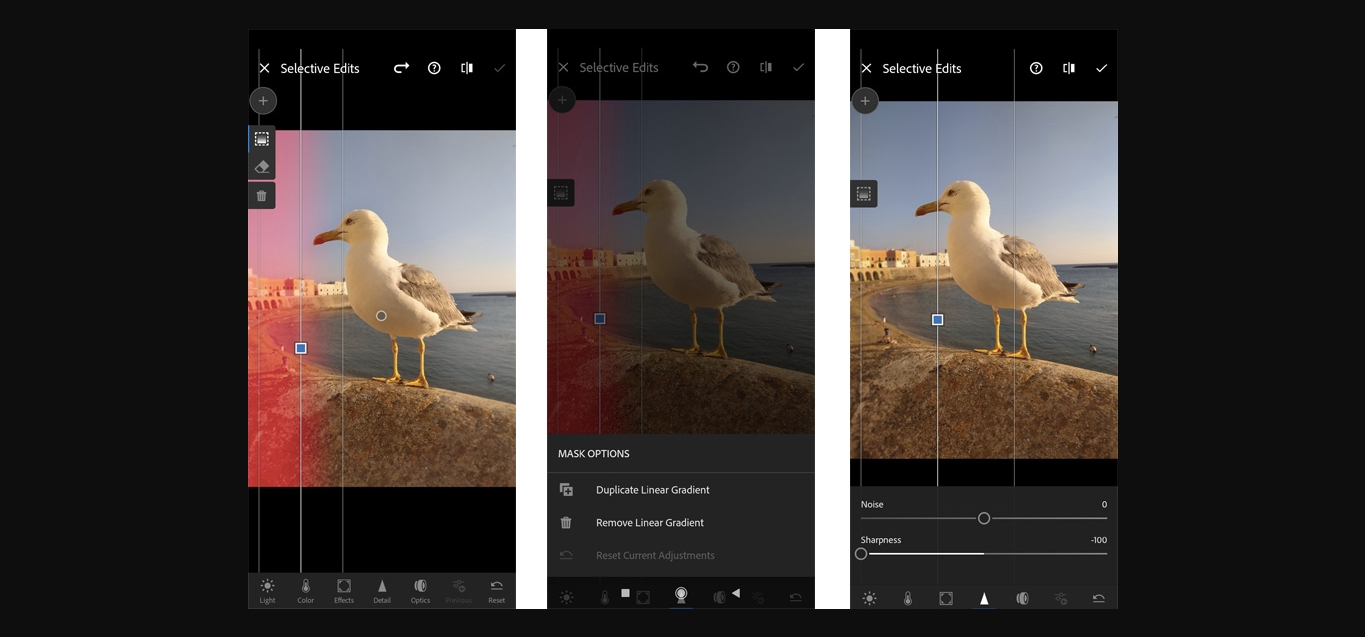
You can adjust the length and angle of the Graduated Filter lines by dragging them with your finger. You can increase the Feather slider to create a smoother transition between the blurred and non-blurred areas when using the Graduated Filter. You can play around with the Exposure, Contrast, and Clarity sliders to fine-tune the blur effect when using the Graduated Filter. You can create multiple radial filters to blur different parts of the image, or invert the filter to keep the background in focus while blurring the subject. You can adjust the size of the brush by dragging the Size slider when using the Blur Tool. You can fine-tune the blur effect by adjusting the Blur Amount slider after painting over areas with the Blur Tool.
Getting started with Lightroom Mobile
Before you can blur a background, you need the app set up and a photo ready to edit. Lightroom Mobile is a powerful photo editor available for both iOS and Android, and it is a key tool for anyone who wants to enhance images on the go without needing a computer. The app is also a great alternative to generic photo editing and collage apps because it offers professional-grade controls like Lens Blur directly on your phone.
First, download Lightroom Mobile from your device's app store. After installation, open the app and sign in with your Adobe ID; if you don't have one, you can create a free account. Once signed in, import a photo by tapping the add icon and selecting images from your device's gallery, or sync photos from Adobe Creative Cloud if you use Lightroom on a desktop. After your photo is imported, tap its thumbnail and then tap Edit at the bottom of the screen to enter the editing workspace where you will find the Blur option.
Understanding the basics of background blur
Background blur is a photography technique that creates a shallow depth of field, where the subject is in sharp focus and the background falls off into a soft, creamy blur. This effect is traditionally achieved with a wide aperture lens, but the Lens Blur feature in Lightroom Mobile simulates that look using AI. The Depth tool takes advantage of depth information captured by newer smartphones with dual lenses or depth sensors. The purpose is to separate the subject from its surroundings, drawing the viewer's eye directly to the main element of the composition and giving the image a more professional, artistic quality. The distance between the subject and background, as well as the focal length of the original shot, influence how the blur is applied, but Lens Blur handles these calculations automatically.
Device and version requirements for Lens Blur
Adobe documents specific requirements for the Lens Blur feature to work correctly. You must be running Lightroom Mobile version 9.3 or later to access the latest Lens Blur and Lens Blur Adaptive Presets. Additionally, Adobe states that the feature is available on iOS devices with a minimum of 4 GB RAM. There is also no documented maximum blur limit or file-type limit for this feature.
Troubleshooting the blur effect
If you cannot find the Blur option in your Edit menu, the most likely cause is that your app is out of date. Check that you have installed Lightroom Mobile version 9.3 or later from your app store. If you are on an older iOS device with less than 4 GB of RAM, the feature may not appear. If your phone does not have a dual-camera setup or depth sensor, the Depth tool method may not be available or may not produce the desired results. Another common issue is the Update AI edits prompt. This appears when Lightroom detects that your photo has an AI edit history that needs to be refreshed. When you see this prompt, tap Update AI edits and follow the dialog to proceed. This ensures the Lens Blur algorithm works with the most recent version of your image, so your adjustments are not lost or misapplied.
Frequently Asked Questions
How do you blur the background in Lightroom Mobile?
Use Edit > Blur and adjust the Blur amount slider to control the intensity of the effect. This is the only documented method for background blur in the current version of the app.
Is there a separate Depth Tool, Graduated Filter, or Radial Filter method for background blur?
No. The only documented path is Edit > Blur.
What devices are supported for Lens Blur?
Adobe documents Lightroom Mobile version 9.3 or later as the minimum version for the latest Lens Blur features. For iOS, the device must have at least 4 GB of RAM. No specific Android RAM requirement is documented.
Is there a cost for using the background blur feature?
The retrieved Adobe documentation does not state a price for background blur.