




To start a mobile phlebotomy business, you combine healthcare compliance, business registration, trained staff, insured mobile operations, and a documented workflow for collecting and transporting specimens. This step-by-step guide covers the legal requirements, equipment, staffing, and client acquisition strategies you need to operate legally and safely.
Legal requirements and state licensing
Federal CLIA requirements apply if you perform waived tests on-site; you would need a CLIA Certificate of Waiver. Some businesses also offer waived point-of-care testing if they obtain the proper CLIA status. Some states require a separate phlebotomy credential: California, Washington, Nevada, and Louisiana. Many other states do not require a state phlebotomy license. Always verify current requirements with your state board and CMS before operating.
Setting up your business structure
The foundational steps for forming your business are:
- Choose a business structure, commonly an LLC.
- Register the business with the state.
- Get an EIN from the IRS.
- Check local city or county business licensing rules.
- Determine whether your services include waived testing, which would require CLIA Certificate of Waiver paperwork.
Insurance and liability protection
Secure malpractice and general liability insurance before seeing any clients. This coverage protects you and your business from claims related to accidents, injuries, or errors during blood draws and specimen transport. Implementing robust data encryption, utilizing secure storage systems, and implementing strict privacy policies are crucial.
Acquiring essential mobile phlebotomy equipment
Budget for core blood-draw supplies and transport items: needles, tubes, tourniquets, alcohol prep pads, gloves, sharps containers, labels, coolers, and specimen transport bags. Consider investing in a portable blood draw chair, specimen transportation containers, and appropriate storage for medical supplies. Consider investing in a portable blood pressure monitor, a portable EKG machine, and a portable laboratory centrifuge. Purchase from reputable suppliers that adhere to industry standards. Implementing a system for equipment inspection and maintenance can keep your business running smoothly.
Hiring certified staff and creating procedures
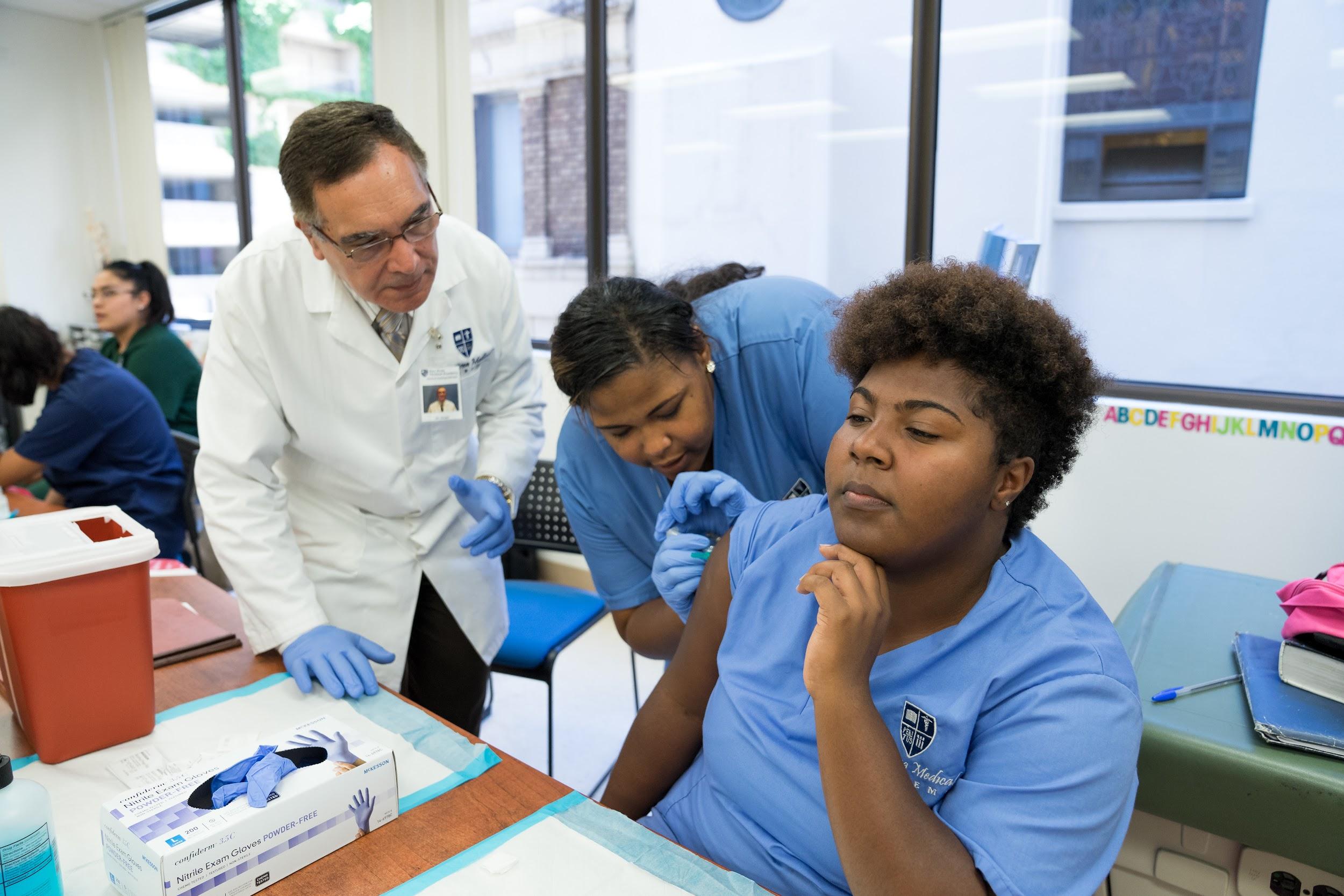
Hire phlebotomists with national certification even in states that do not require a state license. Train staff in venipuncture, specimen handling, chain of custody, infection control, and patient communication. Create a documented workflow that covers every step from scheduling to specimen drop-off. This ensures consistency and compliance.
Finding clients and building referral partnerships
Target these client sources: physician offices, concierge medicine practices, employers, assisted living facilities, and direct-to-consumer patients. Build relationships with local labs and referral partners. Marketing typically includes a simple website, local search optimization, direct outreach to clinics, and professional networking. Offer loyalty programs or incentives: Rewarding your loyal clients can encourage repeat business. Consider implementing a loyalty program where clients earn points or discounts for using your services consistently. For reliable communication with clients and partners, you will want to choose from reputable mobile carriers, plans and phone services that offer consistent coverage and data.
Managing finances and setting your prices
Track these cost factors when setting prices: payroll, supply costs, travel time, insurance, and lab courier expenses. Utilizing scheduling software and optimizing routes can help streamline operations and improve efficiency. Proper tracking ensures you price services to cover all operational costs and remain profitable.
Frequently Asked Questions
What certifications do I need to start a mobile phlebotomy business?
You typically need a phlebotomy certification from a nationally recognized organization, such as the National Healthcareer Association (NHA) or the American Society for Clinical Pathology (ASCP). Some states also require a separate state phlebotomy credential.
How much does it cost to start a mobile phlebotomy business?
Startup costs vary by location, equipment needs, and licensing fees. Key expenses include business registration, insurance, supplies, a vehicle, and marketing. Creating a detailed budget before launching is essential.
What are the advantages of a mobile phlebotomy business?
Advantages include the convenience of providing services at a patient's home or office, flexibility to set your own schedule, personalized patient care, and increased accessibility for individuals who have difficulty traveling to a clinic.
Do I need a CLIA certificate to start?
You need a CLIA Certificate of Waiver only if you perform waived point-of-care testing on-site. If you only collect and transport specimens for a lab to process, a CLIA certificate is not required.
How do I handle difficult veins or nervous patients?
Train your staff in techniques for difficult draws and in patient communication skills to calm anxious individuals. Having a documented protocol for these situations improves patient satisfaction and reduces failed draws.
For the wider topic, see carriers and plans.