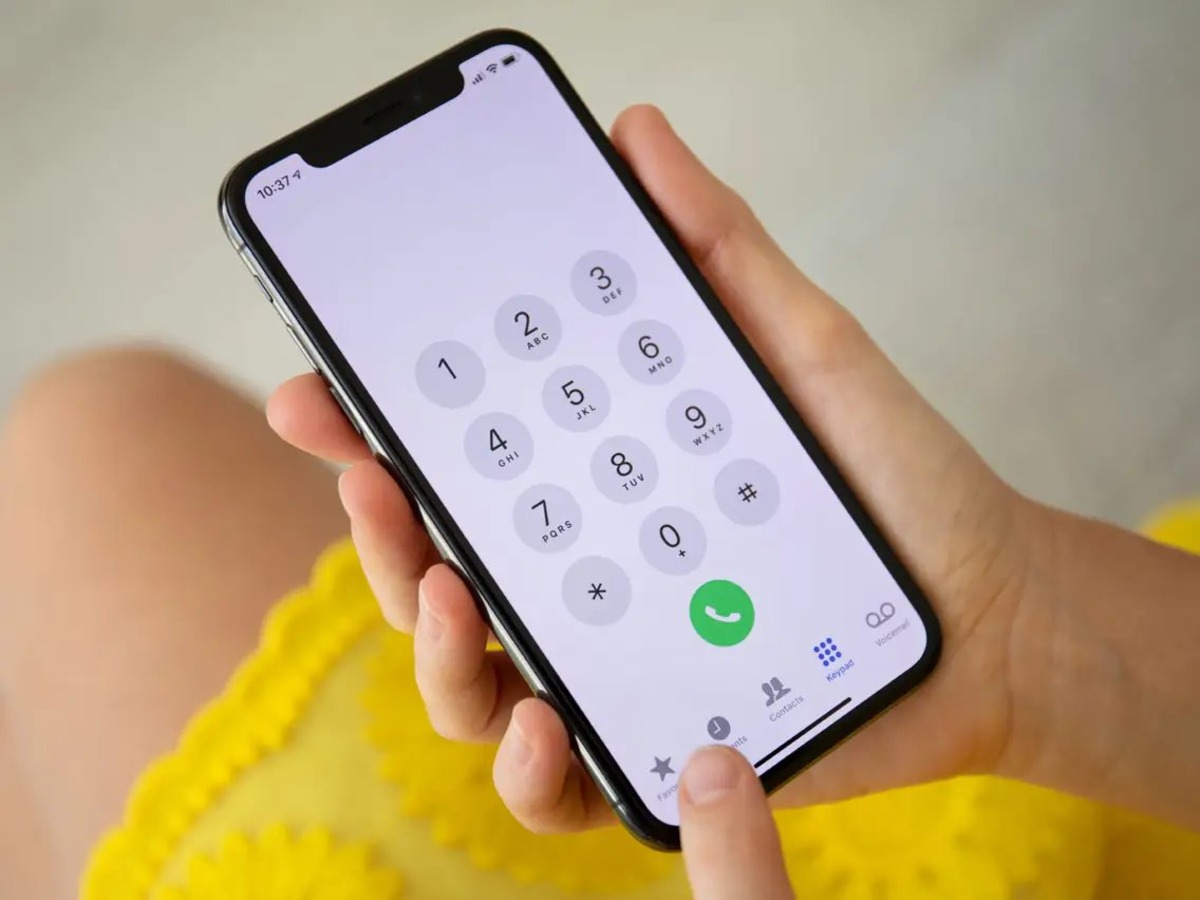




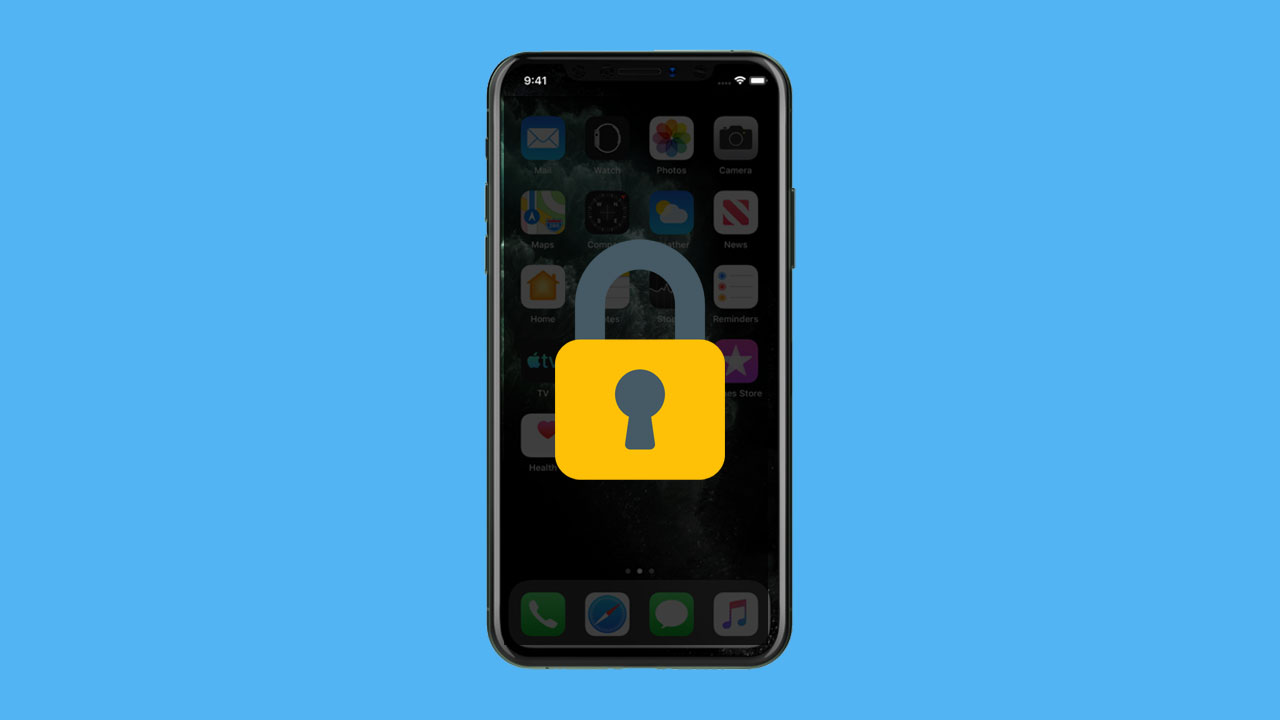
You can achieve similar privacy to an iPhone privacy screen by combining several built-in settings to hide your screen content from people nearby, including hiding notification previews, managing the Always-On Display, and using Guided Access to lock your screen to a single app.
What is an iPhone privacy screen (and what it isn't)
When people search for an "iPhone privacy screen," they often expect a software toggle that darkens the display from side angles. iPhones do not include such a feature. Some online guides mention a 'Privacy Screen Style' option to change the grayscale image to different patterns or colors, a 'Privacy Screen Intensity' slider to adjust opacity, a 'Privacy Screen Notification' toggle to show a reminder when the privacy screen is active, or 'Privacy Screen Exceptions' to disable the feature for specific apps, none of these are real iOS features. The most common solution is a physical privacy screen protector, a thin film that limits the viewing angle so only the person directly in front of the screen can see the content. That said, iOS offers several built-in settings that provide strong privacy protection by controlling what appears on your Lock Screen, when notifications expand, and which apps are accessible. These settings work together to make your screen far less readable to onlookers without requiring any accessory.
Hide notification previews on your lock screen
Your Lock Screen is the most exposed part of your iPhone. To prevent anyone nearby from reading your messages, emails, or other alerts, you can hide notification previews either for all apps or for specific ones.
To hide previews for all apps, go to Settings > Notifications > Show Previews, then select "When Unlocked" or "Never." Choosing "Never" hides notification content entirely on the Lock Screen, showing only the app name. This is the most private option because no message text, sender name, or other details appear until you unlock your iPhone.
To hide previews for a specific app, go to Settings > Notifications, tap the app, then tap "Show Previews" (if available) and select "When Unlocked" or "Never." This lets you keep previews visible for trusted apps while hiding them for sensitive ones like messaging or banking apps.
Manage always-on display for better privacy
If you own an iPhone 14 Pro, iPhone 14 Pro Max, iPhone 15 Pro, or iPhone 15 Pro Max, the Always-On Display keeps a dimmed version of your Lock Screen visible at all times, showing your wallpaper, widgets, and Live Activities. While convenient, this can expose information to anyone who glances at your phone.
To turn off the Always-On Display entirely, go to Settings > Display & Brightness, then toggle off "Always On Display." Alternatively, you can customize it for privacy: go to Settings > Display & Brightness > Always On Display and toggle off "Show Wallpaper" or "Show Notifications." This keeps the time and any Live Activities visible while hiding potentially sensitive wallpaper images and notification content.
Use attention aware features to control previews
Attention Aware Features use the Face ID (TrueDepth) camera to detect if you are looking at your iPhone. When enabled, your iPhone can show full notification previews on the Lock Screen only when you are looking at the screen. This means that if someone else picks up your phone or looks over your shoulder, notification content remains hidden until you direct your gaze at the display.
To turn Attention Aware Features on or off, go to Settings > Face ID & Passcode, then toggle "Attention Aware Features." This setting also keeps the screen from dimming while you are looking at it and lowers alert volume when you are looking, making it a versatile privacy and convenience tool.
Lock your screen to one app with guided access
When you hand your iPhone to someone else, to show a photo, let them make a call, or let a child use an app, Guided Access prevents them from switching to another app or accessing other parts of your device. This is one of the most powerful privacy screens and screen locking methods available on iPhone.
To set up Guided Access, go to Settings > Accessibility > Guided Access, then turn it on and set a passcode. To start a session, open the desired app, then triple-click the Side button (or Home button on older models) and tap "Guided Access." During a session, you can circle areas of the screen to disable touch input in those regions, restrict hardware buttons, or set a time limit. The person using your iPhone can only interact with the app and areas you allow, keeping all other content private.
Extra privacy tips: dark mode and reduce white point
Two display adjustments can make your screen less readable to onlookers in public spaces without hiding content. Dark Mode changes system and app backgrounds to dark and text to light, making the screen less conspicuous in dim environments. To turn on Dark Mode, go to Settings > Display & Brightness, then select "Dark" under the Appearance section.
Reduce White Point decreases the intensity of bright colors on the screen, making it appear dimmer than the standard minimum brightness. This is especially useful on a train or in a waiting room, where a very bright screen can draw unwanted attention. You can find Reduce White Point in Settings > Accessibility > Display & Text Size.
Frequently Asked Questions
Do I need to buy a physical privacy screen protector?
No, the built-in settings described above can provide strong privacy without any accessory. A physical privacy screen protector is still an option if you want to physically block side-angle viewing, but it is not required to keep your content private.
Will hiding notification previews affect my Apple Watch?
Yes, the "Show Previews" setting on your iPhone also controls whether notification content appears on a paired Apple Watch. If you select "When Unlocked" or "Never" on your iPhone, your watch will respect the same preference.
Can I use Guided Access to lock my iPhone to a specific app without a passcode?
No, Guided Access requires a passcode to end the session. This prevents someone else from leaving the restricted app without your permission. You set this passcode during initial setup in Settings > Accessibility > Guided Access.
Does Attention Aware Features work with all iPhone models?
No, Attention Aware Features require Face ID, so they are available on iPhone X and later models, including all iPhone Pro models. iPhones with Touch ID (such as iPhone SE models) do not support this feature.
Will Reduce White Point affect how my photos and videos look?
Yes, Reduce White Point dims all colors on the screen, including photos and videos. It is best used temporarily in public spaces and can be toggled on and off quickly via Accessibility Shortcut (triple-click the Side or Home button).