




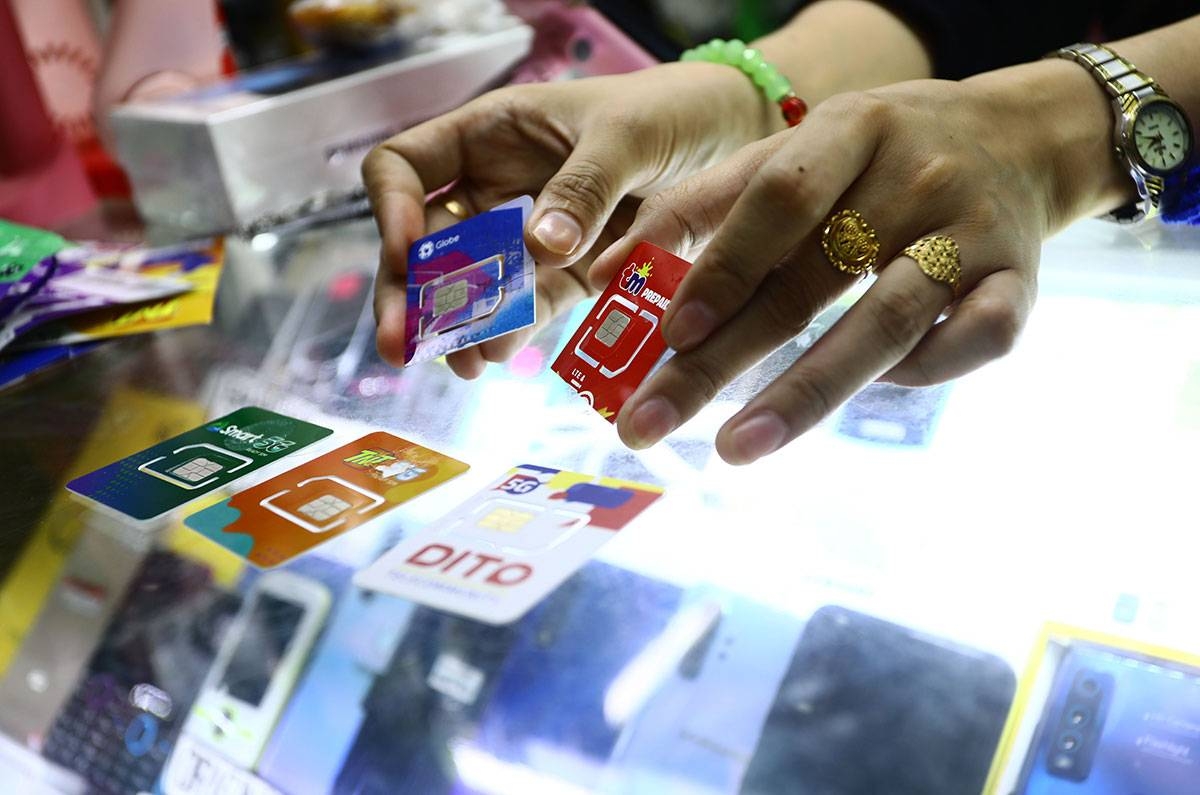
Google Fi's new SIM card cost is effectively free when ordered online, and SIM kits purchased at retailers for $9.99 often come with a $10 bill credit upon activation.
SIM card prices by carrier type
Postpaid carriers like Verizon, AT&T, and T-Mobile usually provide SIM cards for free when you activate a new line or upgrade a device, though some may charge a small fee in-store. Mobile Virtual Network Operators (MVNOs) like Google Fi offer competitive pricing: free online orders for new SIMs, or $9.99 at retail stores with a $10 bill credit, making the net cost zero.
Physical SIM vs. eSIM costs
Physical SIM cards come in three sizes, Standard, Micro, and Nano, and carry a small hardware cost typically between $1 and $10, though many carriers waive this fee with activation. An eSIM, or embedded SIM, is a digital profile built into compatible devices; activating an eSIM is almost always free since there is no physical component to manufacture or ship. This makes eSIM the most cost-effective option for supported phones, though some carriers may charge a nominal activation fee.
Fees to watch out for beyond the SIM card
The sticker price of the SIM card is not the only cost. Watch for activation fees, which can reach up to $25 and are separate from the SIM card itself. Some carriers also charge a SIM kit fee (often $10 to $20) for the packaging and installation tools. Always check your final bill or online order summary, not just the SIM's listed price, to see if these extra charges apply. Monthly service plan costs, roaming charges, and early termination fees are additional expenses tied to your plan, not the SIM card directly.
Frequently Asked Questions
Where can I purchase a new SIM card?
You can buy a SIM card from your mobile carrier's retail store or website, from electronics retailers like Best Buy, and sometimes from supermarkets or convenience stores. Online orders are often the cheapest option, with many carriers offering free shipping. SIM card vending machines exist in some countries, often in airports, train stations, or high-traffic traveler areas, as a self-service purchase option.
Do I need a new SIM card when I get a new phone?
If your new phone uses the same size and type of SIM card as your old one, you can simply transfer the existing card. If the new phone requires a different size (e.g., from Micro to Nano) or uses an eSIM, you will need a compatible replacement or a digital activation.
Can I use a SIM card from one carrier with a phone from another carrier?
Most SIM cards are locked to the carrier that issued them and will only work in phones designed for that network. If your phone is unlocked or compatible with multiple carriers, you can use a different carrier's SIM, but you must first check compatibility and ensure the phone is not carrier-locked.
What information do I need when purchasing a new SIM card?
You will typically need your personal details (name, address, and ID) and your phone's IMEI number, which you can find in the phone settings or by dialing *#06#. You will also need to select a service plan or data package that fits your needs.
Are there any hidden costs with a free SIM card?
Even if the SIM card itself is free, you may still face activation fees or minimum top-up requirements. For example, Google Fi's free online SIM comes with no upfront cost, but you must activate it with a plan. Always read the terms to confirm there are no mandatory add-on charges.
For a complete overview of SIM card information and costs, including replacement options and carrier policies, see our SIM Card Costs, Functions and Replacement Guide.