




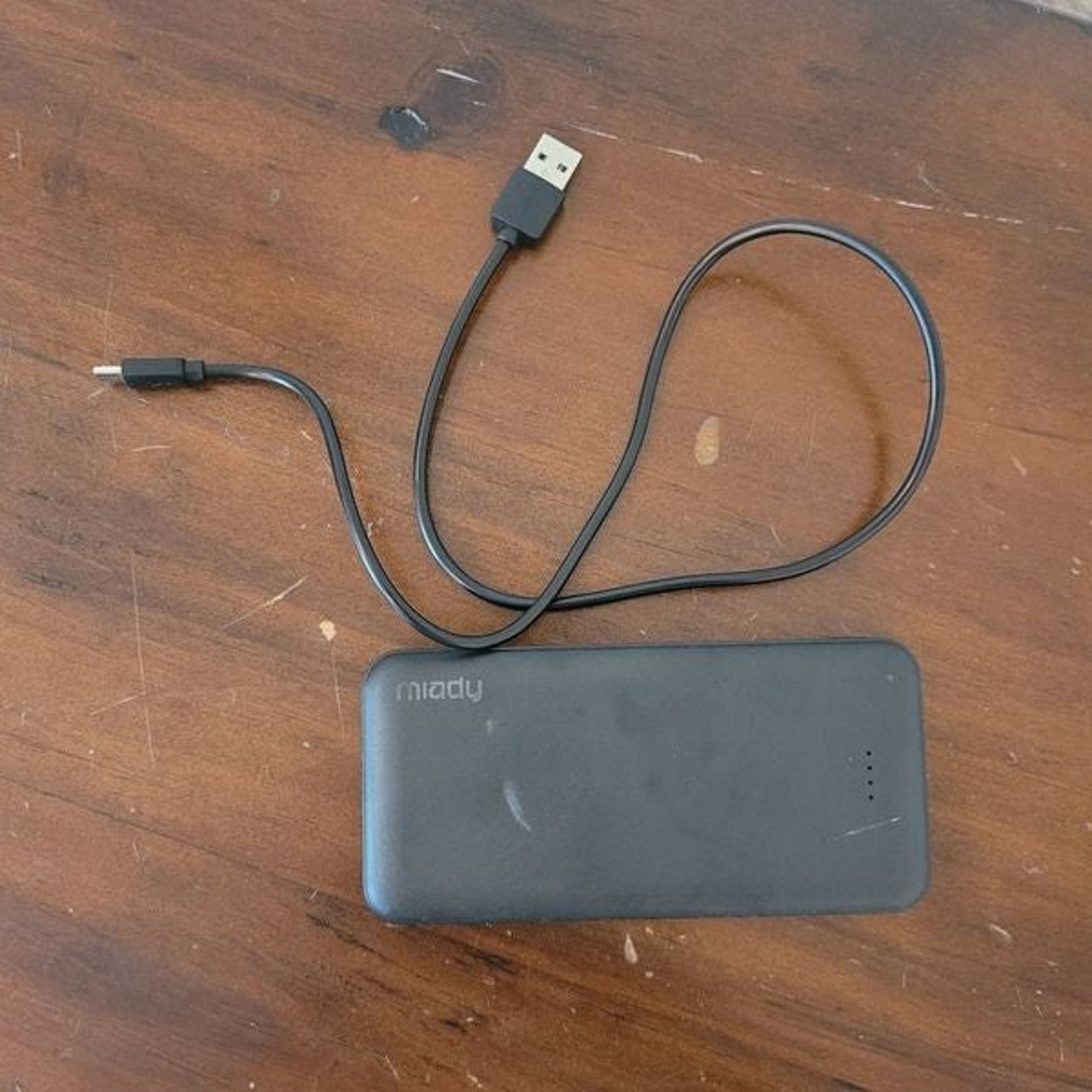
To turn on a Miady power bank, press the power button once. This single press wakes the device, and when you connect your phone or other device, charging starts automatically, no app, menu, or carrier setting is needed.
Miady power bank how to turn on: the short answer
Press the power button once to activate the LED indicators and wake the battery pack. After that, simply plug your device into the output port, and the power bank will begin charging it automatically. There is no separate power-on menu or setting, just one button press.
Step-by-step: checking battery and starting a charge
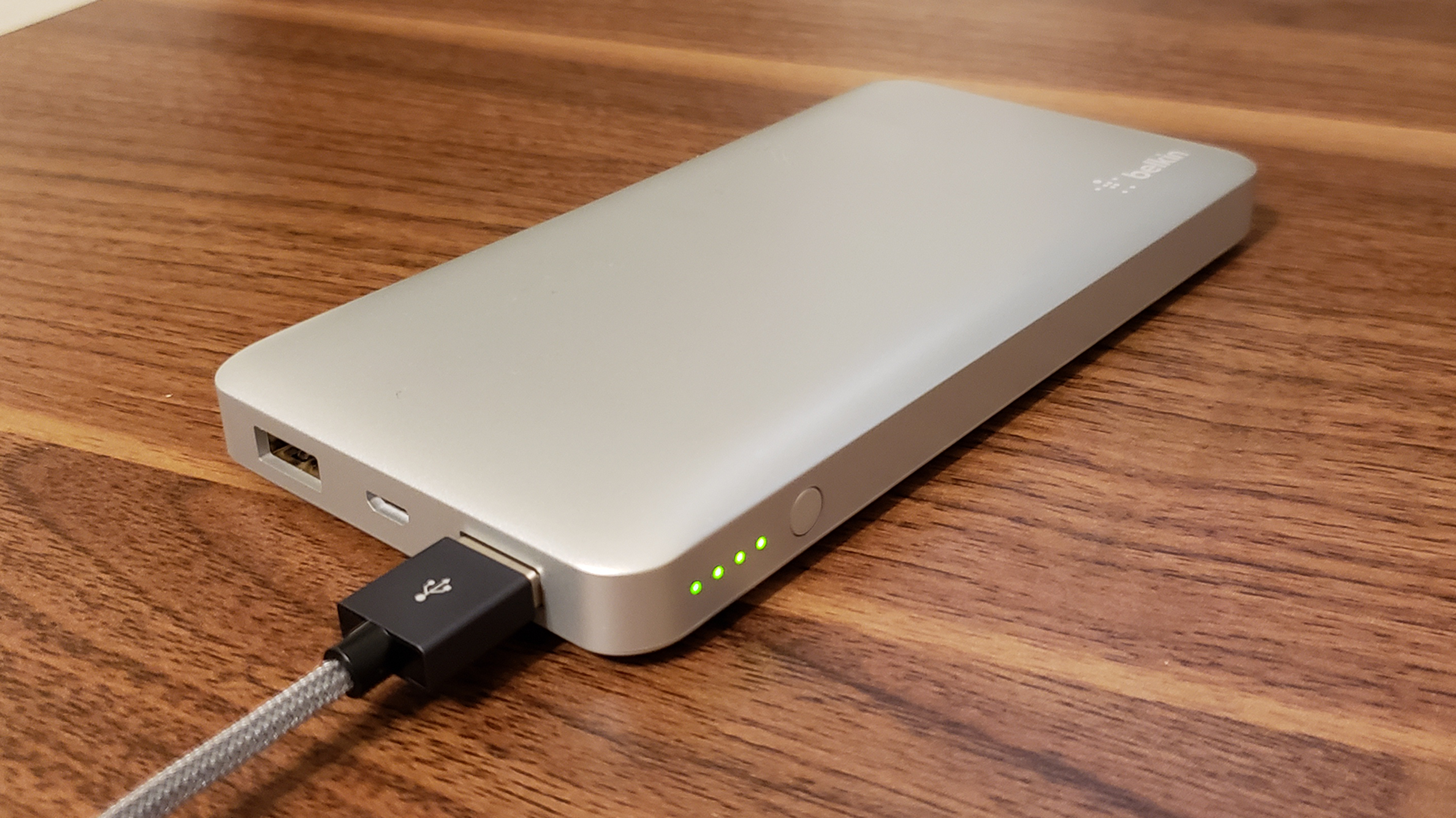
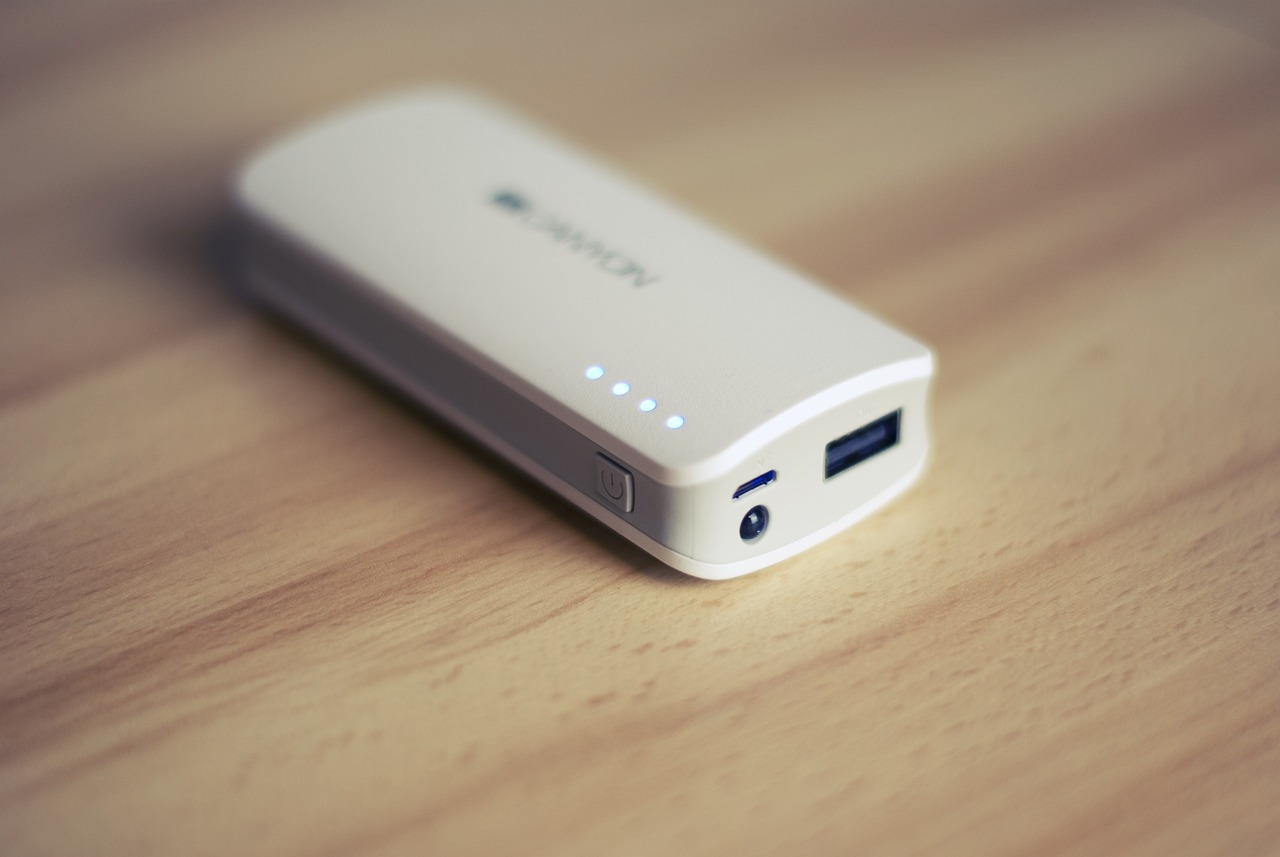
- Press the power button once to view the remaining battery level. Each LED light represents about 25% of the total capacity, so four lights mean a full charge, while one light indicates roughly 25% remaining.
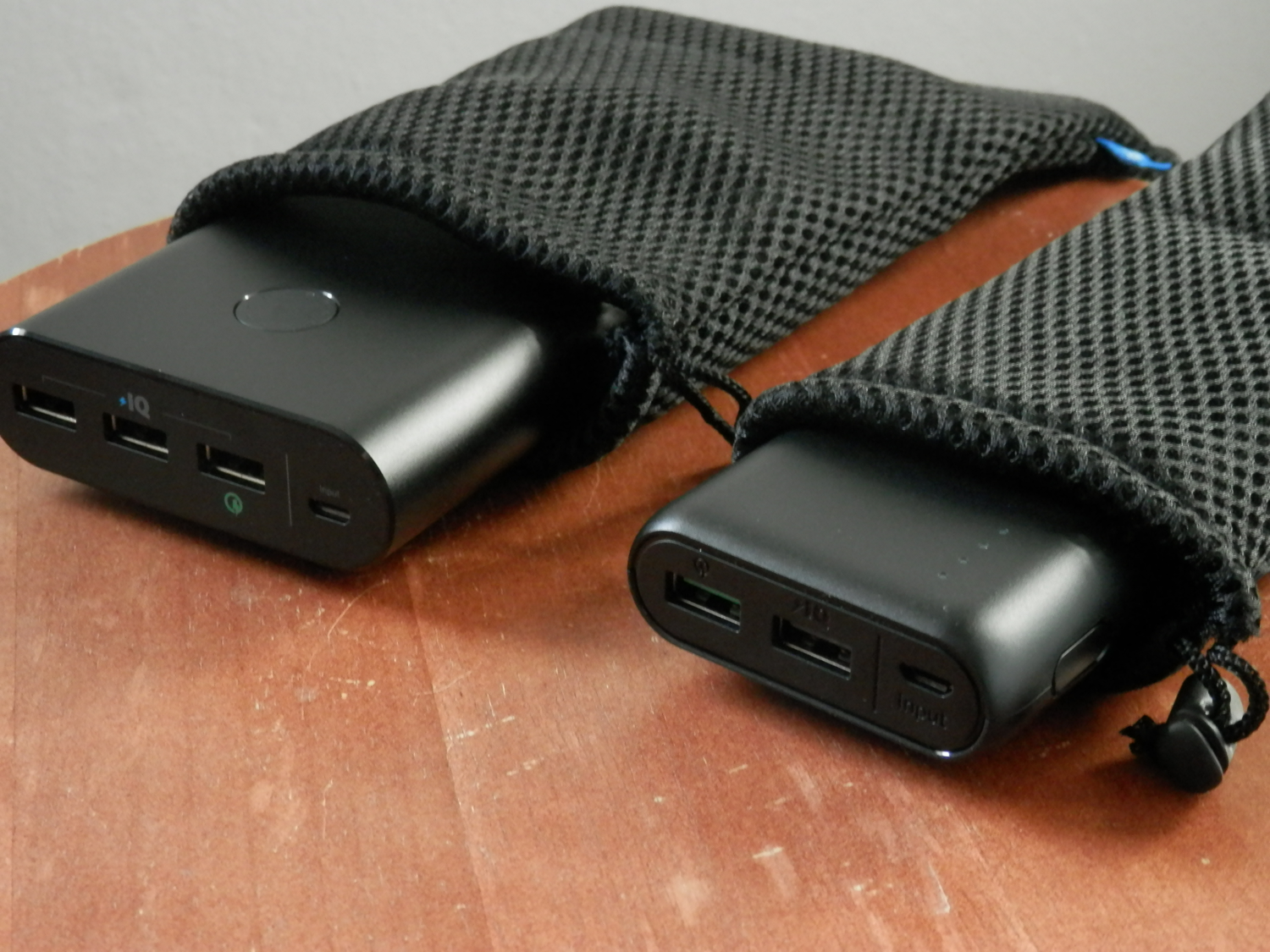
This quick check helps you decide whether the power bank needs recharging before you rely on it for your power bank usage and selection needs. A double-press on the power button may activate a flashlight function on some models. - Connect your device’s charging cable to the power bank’s output port. Charging starts automatically once the connection is made. No further button presses are required. The power bank supports USB-A and USB-C output ports; on models with USB-C PD, the output can reach 65W, and USB-A ports can deliver up to 20W.
What if my Miady power bank doesn't start charging?
If charging does not begin after connecting your device, press the power button once to restart the battery pack. This is the only documented fix. If no LED lights appear when you press the button, the power bank is likely fully drained and needs to be recharged through its input port (Micro USB or USB-C) before it can power another device. If the power button is unresponsive, try performing a reset by pressing a small pinhole reset button with a paperclip. If the power bank won't turn on, try using a different, known-working charging cable to rule out a faulty cable.
How to turn off your Miady power bank
You have two ways to turn off the power bank:
- Press and hold the power button for 3 seconds.
- Simply disconnect all devices from the output ports. The power bank will turn off automatically when no charging is happening.
Understanding the LED battery indicators
When you press the power button, the LED lights show the remaining charge. Each light represents about 25% of the battery capacity. This allows you to quickly gauge how much power is left before you head out or start charging your devices. The lights also indicate charging status when the power bank itself is being recharged. The power button may have different colors to indicate different states or modes (e.g., green for fully charged, red for charging or low battery).
Frequently Asked Questions
Can I charge my iPhone or Android with the Miady power bank?
Yes. The power bank works with any device that charges via USB. One Miady manual specifically notes that the USB-C PD port supports USB-C to Lightning cables for Apple devices, so you can charge iPhones and iPads using that connection.
How many devices can I charge at once?
You can charge two devices simultaneously using the USB-A and USB-C output ports on models that have both. Some models also offer multiple USB-A ports. The power bank will distribute power between the connected devices automatically.
Can I use the Micro USB and USB-C inputs at the same time to charge the power bank?
No. The Micro USB input and Type-C input cannot be used simultaneously. Choose one input port to recharge the power bank.
How do I know when the power bank itself is fully charged?
When recharging the power bank, all four LED lights will remain solid once it reaches 100% capacity. You can also press the power button at any time to check the current charge level.
What should I do if the power bank gets hot while charging?
If the power bank feels unusually hot, disconnect it from the charger and let it cool down. Overheating can cause the device to shut down temporarily. Once it cools, it should operate normally. If overheating persists, contact Miady support.
For the wider topic, see power bank usage and selection.
Related reading: How Do I Know If My Power Bank Is Charging and Romoss Power Bank How To Charge.