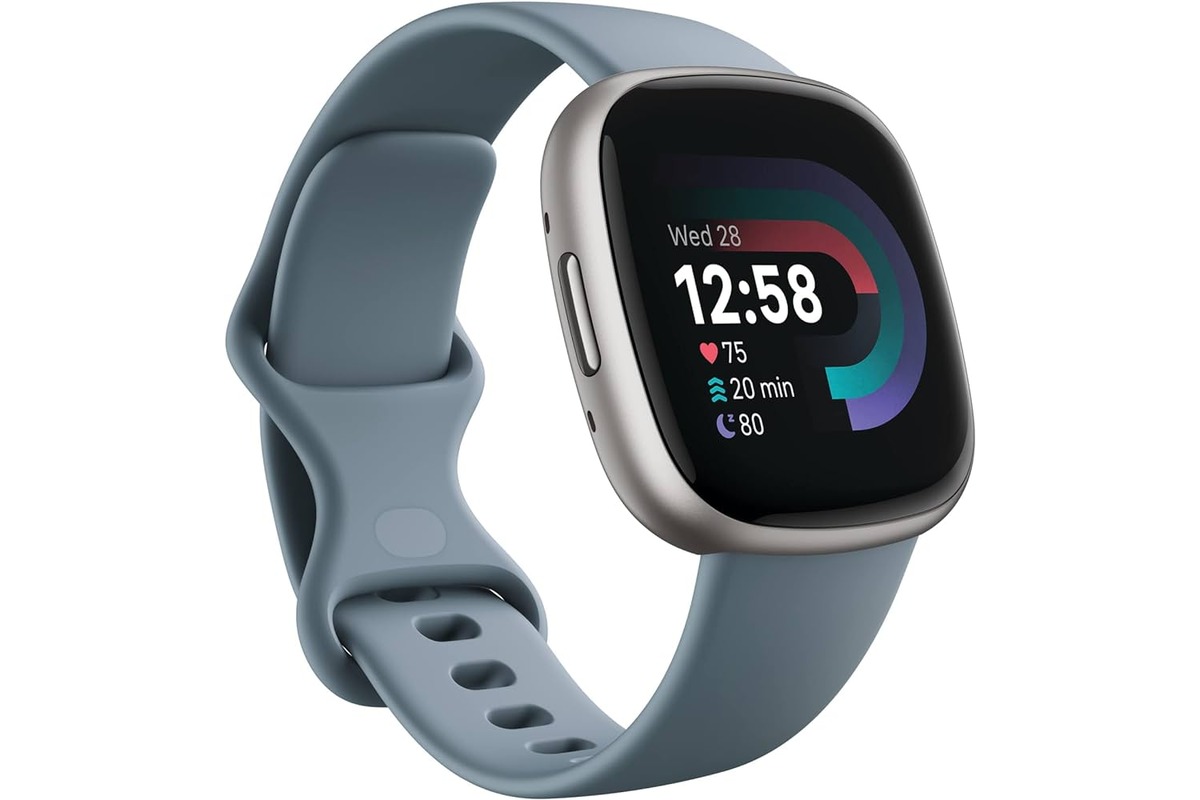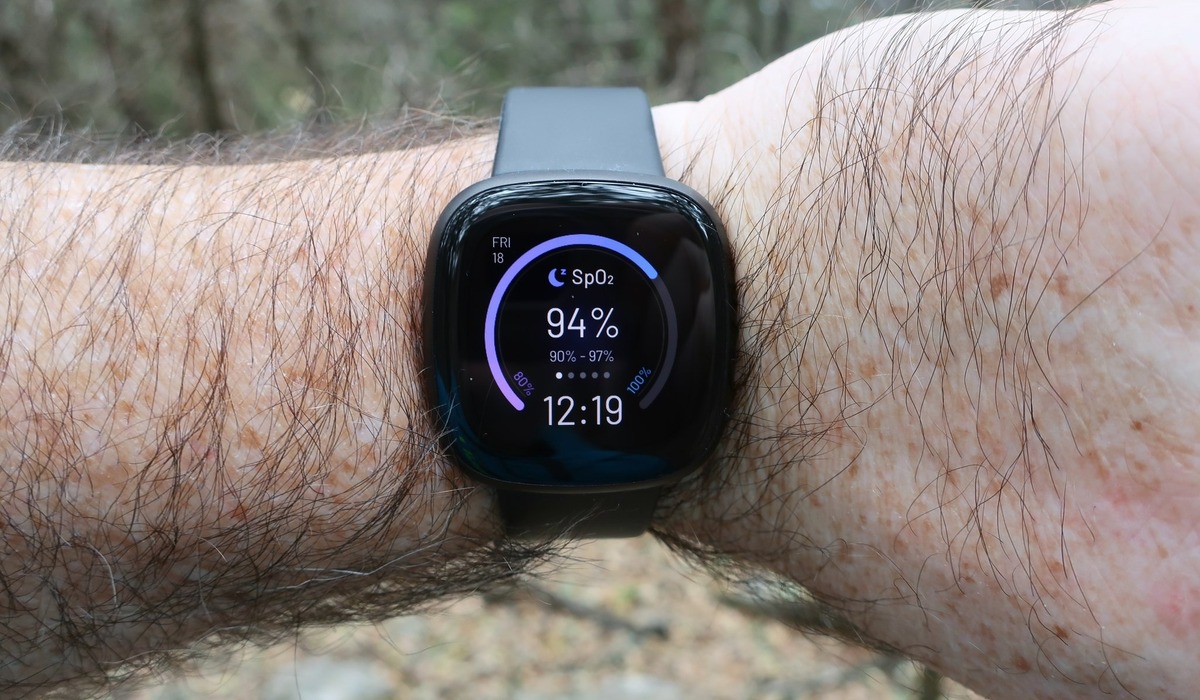





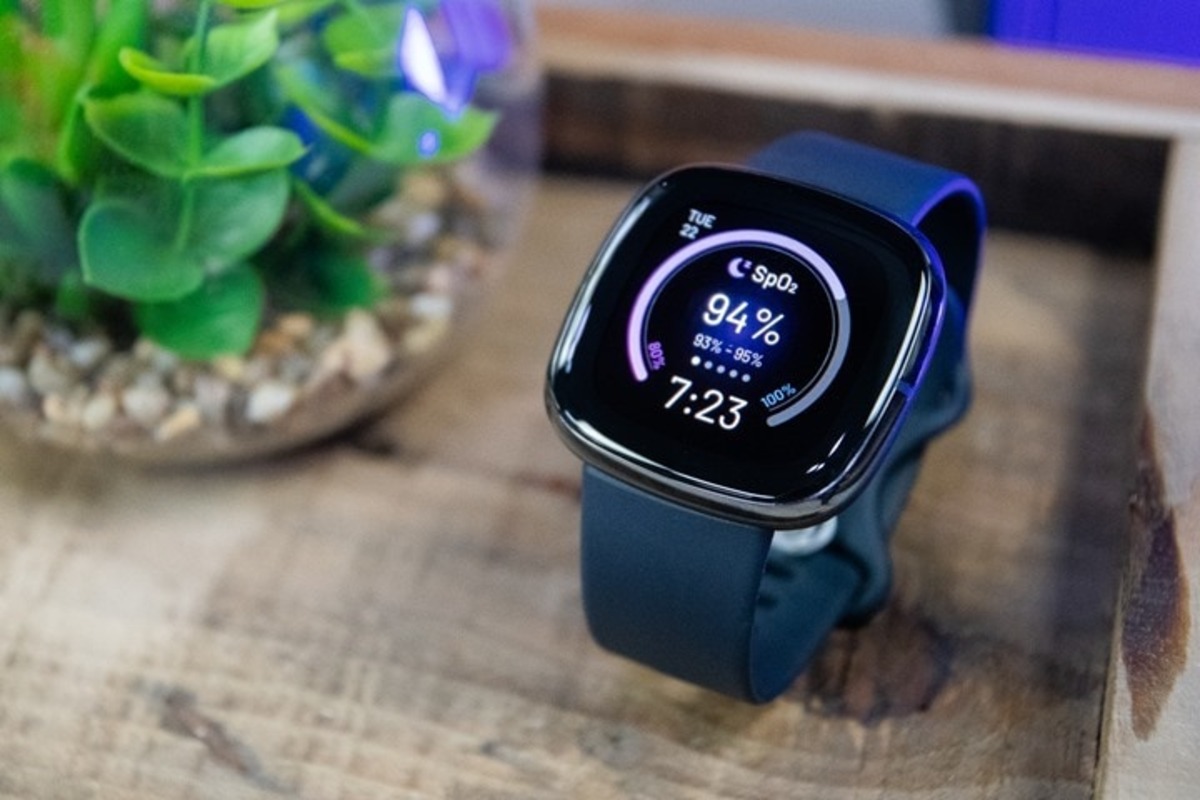
The arrows on your Fitbit primarily indicate your current heart-rate zone during exercise or show your device's sync status with the Fitbit app. Understanding what these Fitbit arrows mean helps you instantly gauge workout intensity and confirm your data is being recorded, replacing older, vague definitions about progress or navigation.
Heart-rate zone arrows: Your real-time effort guide
During a workout, the arrows on your Fitbit act as a real-time guide to your effort level. They point to or indicate which heart-rate zone you are currently in: Fat Burn, Cardio, or Peak. This is directly tied to earning Fitbit zone minutes, which are awarded for time spent in these higher-intensity zones. When you see an arrow change, it means you have moved into a new zone, and your device will track those minutes toward your daily goal. Active minutes are earned through 10 minutes or more of continuous moderate-to-intense activity, and if your Fitbit device tracks heart rate, your heart-rate data is used to calculate active minutes for non-step-based activities such as weight lifting, yoga, and rowing. To set a goal of Active Zone Minutes for a workout: On your device, open the Exercise app. Tap an exercise. Tap Goal. Select Active Zone Minutes. Set a goal. Start the workout.
How to set a target heart-rate zone and get alerts
To target a particular heart-rate zone and receive alerts when you change zones, follow these steps:
- On your watch, open the Exercise app.
- Tap the goal icon.
- Tap target HR zone.
- Choose the heart-rate zone you want to target.
- Tap Zone change alerts to get an alert every time you change heart-rate zones.
You can also turn heart-zone notifications on or off in the Settings app on your device. To manage these during a specific workout, tap the gear icon, then tap Zone Notifications. This lets you focus on your effort without constantly checking the screen.
What the sideways sync arrows mean
The sideways arrows on your Fitbit relate to data syncing. A single gray arrow pointing to the right indicates that data is actively being synced between your device and the Fitbit app. Two gray arrows pointing in opposite directions represent a sync error or a problem with data transfer. When you see these opposing arrows, troubleshooting is needed, check your Bluetooth connection, restart your Fitbit device, or ensure the Fitbit app is up to date.
Which Fitbit devices show these arrows
Devices that track Active Zone Minutes and display these heart-rate zone arrows include: Google Fitbit Air, Fitbit Charge 6, Fitbit Inspire 3, Fitbit Charge 5, Fitbit Luxe, Fitbit Inspire 2, Fitbit Charge 4, Fitbit Sense series, Fitbit Versa series, and the Google Pixel Watch series. These models use your heart-rate data to show real-time zone arrows during exercise and sync status arrows.
Frequently Asked Questions
What do the arrows on Fitbit indicate?
The arrows primarily indicate your current heart-rate zone (Fat Burn, Cardio, or Peak) during exercise, or they show sync status, a single arrow for active syncing and two opposing arrows for a sync error.
How do I interpret the arrows on my Fitbit device?
During a workout, the arrow points to your active heart-rate zone, helping you see if you are in Fat Burn, Cardio, or Peak. Outside of exercise, the sideways arrows tell you if your data is syncing or if there is a sync problem.
Do all Fitbit devices have arrows?
Most Fitbit devices with heart-rate tracking and Active Zone Minutes support show these arrows, including the Charge 4/5/6, Inspire 2/3, Luxe, Sense series, Versa series, and Google Pixel Watch series. Older basic models without heart-rate monitoring may not display them.
Can I customize the arrows on my Fitbit?
You cannot customize the arrows themselves, but you can customize which heart-rate zone you target and turn zone change alerts on or off through the Exercise app and Settings app on your device.
For the wider topic, see Fitbit features and metrics.