




An SPDIF connector is the physical port that implements the Sony/Philips Digital Interface, a standard for transferring digital audio between consumer electronics. It was developed by Sony and Philips to provide a clean, uncompressed digital audio path, replacing analog connections that could introduce noise and signal degradation.
What is a SPDIF connector?
SPDIF stands for Sony/Philips Digital Interface. It is a standard digital audio format developed by Sony and Philips for the digital transfer of audio data between devices. The interface was designed to maintain the integrity of the original audio signal by keeping it in the digital domain from source to receiver, eliminating the conversion to analog and back again that can degrade quality. This makes it a reliable choice for connecting components like TVs, soundbars, and game consoles when you want a straightforward, high-quality digital link.
The two types of SPDIF connectors
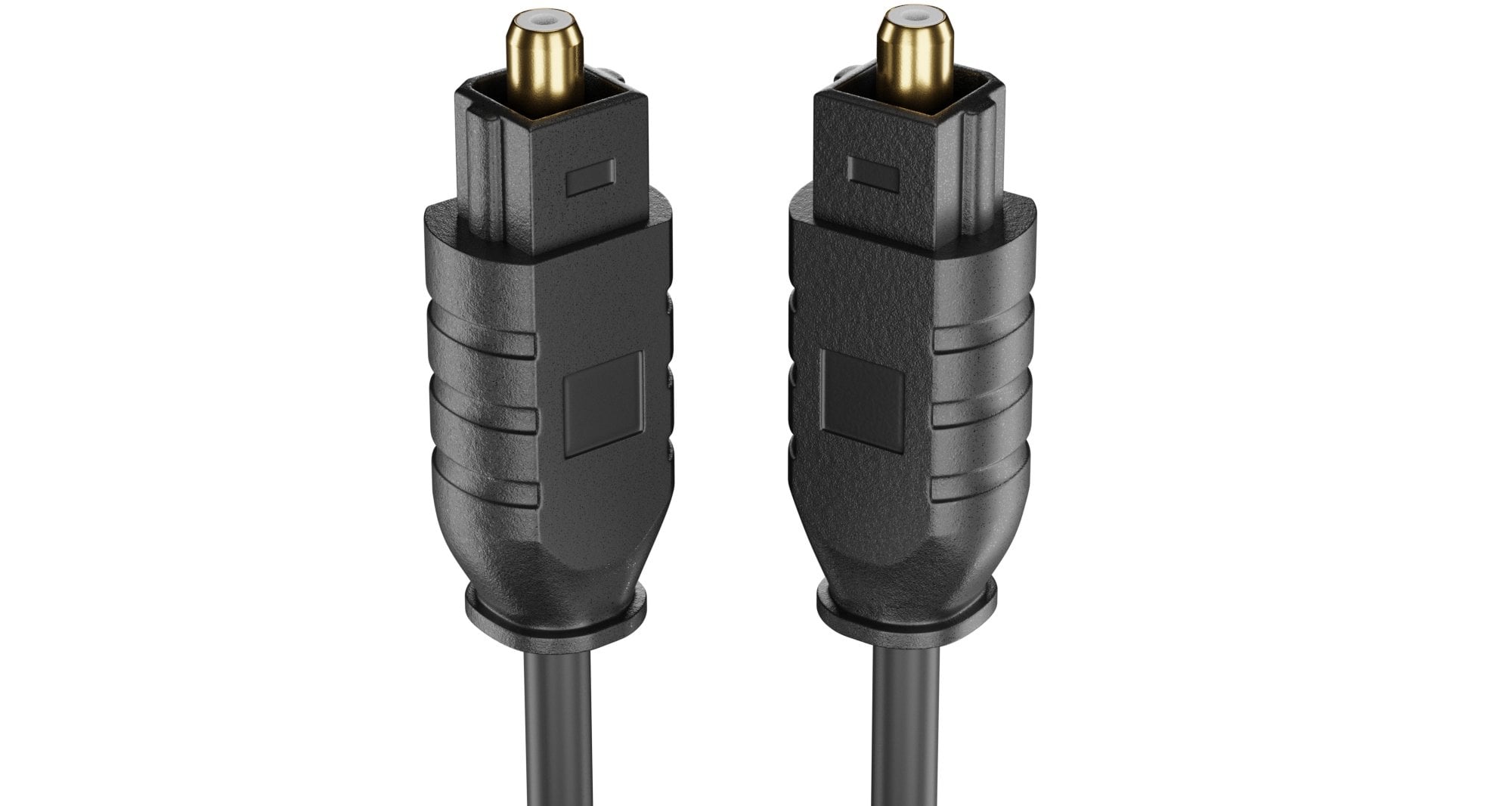
SPDIF connections exist in two main physical forms: optical (TOSLINK) and coaxial RCA. Each uses a different method to carry the same digital audio data. Optical SPDIF connector is also known as ADAT connector. Coaxial SPDIF uses a single RCA connector. BNC connector is sometimes used in professional audio equipment for digital audio connections. AES/EBU connector is a related professional digital audio standard using balanced XLR cable.
Optical SPDIF (TOSLINK)
Optical S/PDIF, commonly called TOSLINK, uses fiber optic cables and transmits light pulses. The connectors are typically square. Because it uses light rather than electricity, it is completely immune to electromagnetic interference and ground loop hum, making it ideal for runs near power cables or in electrically noisy environments.
Coaxial SPDIF (RCA)
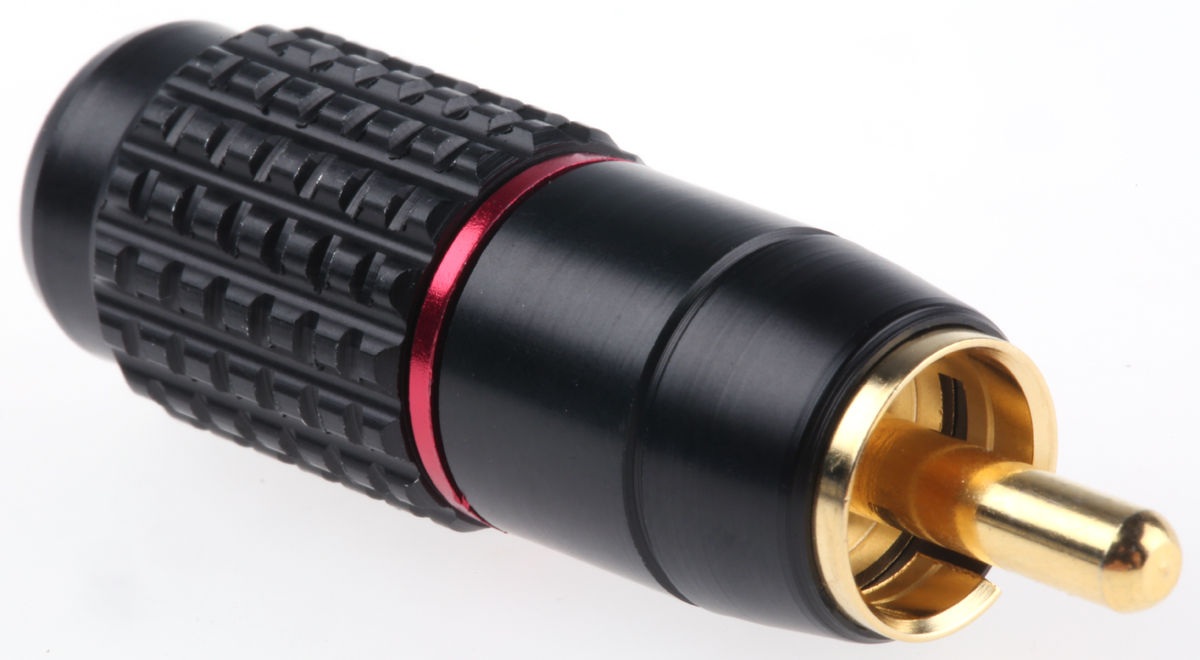
Coaxial S/PDIF uses a 75-ohm RCA cable and transmits an electrical signal. It is generally more common on older equipment and can support longer cable runs, typically up to 10-15 meters with good 75-ohm coaxial cable. The coaxial connection is often found alongside standard analog RCA jacks, so be careful not to plug a digital cable into an analog input.
Audio formats and quality SPDIF supports
SPDIF is capable of carrying a range of digital audio formats, from simple stereo to compressed surround sound. It supports sample rates up to 192kHz, including 44.1kHz (CD), 48kHz (digital video), 88.2kHz, 96kHz, 176.4kHz, and 192kHz.
- Uncompressed PCM: It can carry two channels of uncompressed PCM (Pulse Code Modulation) audio up to 24-bit/192kHz, delivering high-resolution stereo sound.
- Compressed surround sound: It supports compressed multi-channel audio formats such as Dolby Digital (AC-3) 5.1 and DTS surround sound. It can also carry bitstreams that enable 5.1 and 7.1 surround sound from sources like DVDs and Blu-rays.
- DSD: For coaxial S/PDIF, DSD (DoP) only supports DSD64, a format used by some high-end audio players.
Common devices and use cases for SPDIF
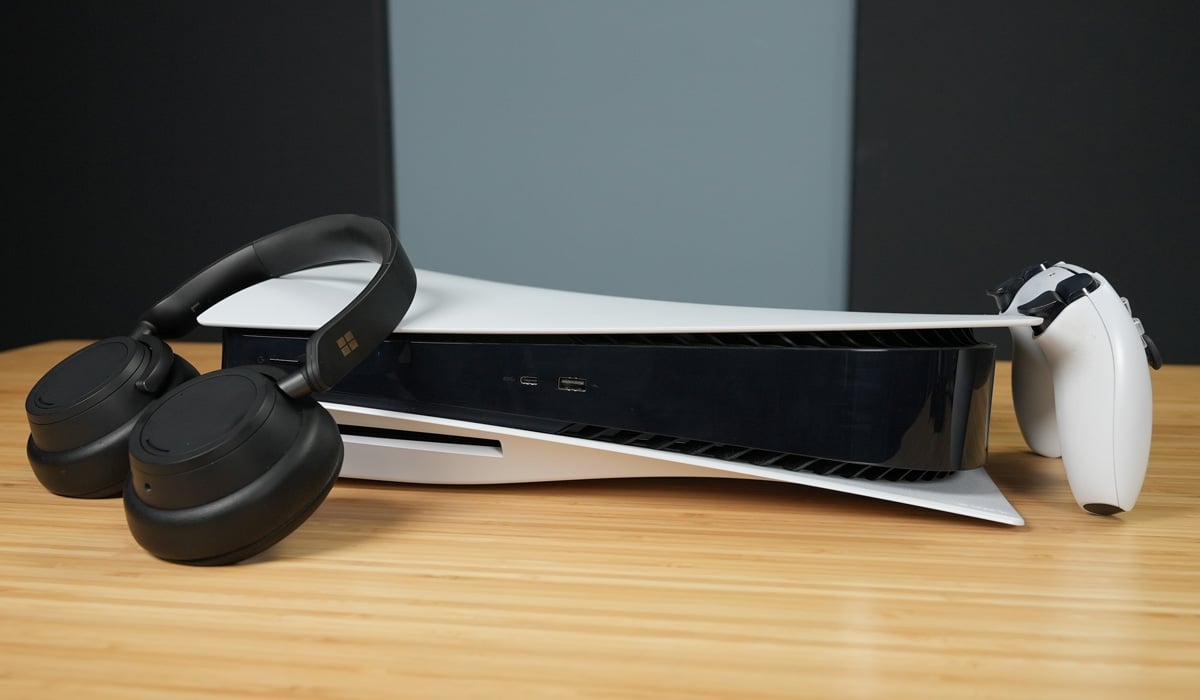
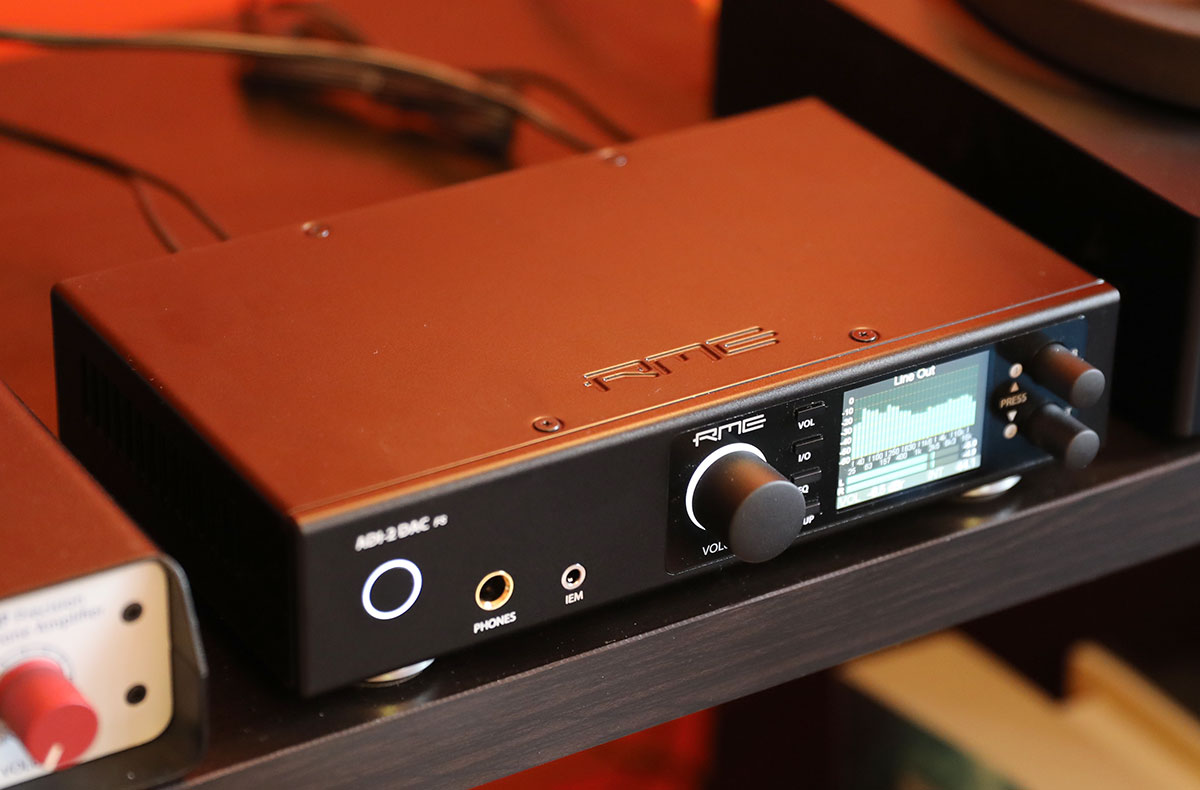
SPDIF is a standard connection on many home audio and video devices. Typical connections include linking a TV to a soundbar or home theater receiver for stereo or Dolby Digital 5.1 surround sound. Game consoles, DVD players, and Blu-ray players often use SPDIF to send digital audio to an external receiver. It is also found on computer sound cards and some audio interfaces for connecting to powered speakers or external DACs. For setups where you prefer a wired connection over wireless audio connections, SPDIF provides a stable, uncompressed alternative that doesn't suffer from the latency or compression of Bluetooth.
Frequently Asked Questions
What does SPDIF stand for?
SPDIF stands for Sony/Philips Digital Interface, reflecting the two companies that developed the standard.
What are the two connector types for SPDIF?
The two physical forms are optical (TOSLINK), which uses a fiber optic cable with a square connector, and coaxial, which uses a 75-ohm RCA cable with an electrical signal.
What devices use SPDIF connectors?
SPDIF is commonly found on TVs, soundbars, home theater receivers, game consoles, DVD and Blu-ray players, and computer sound cards.
What is the difference between coaxial and optical SPDIF?
The main difference is the transmission medium: coaxial uses an electrical signal over a copper RCA cable, while optical uses light pulses over a fiber optic cable. Optical is immune to electrical interference, while coaxial can generally support longer cable runs (up to 10-15 meters). Both carry the same digital audio data.
Related reading: How To Set Up Phonak Tv Connector.