




Control what others see when you make a private number call
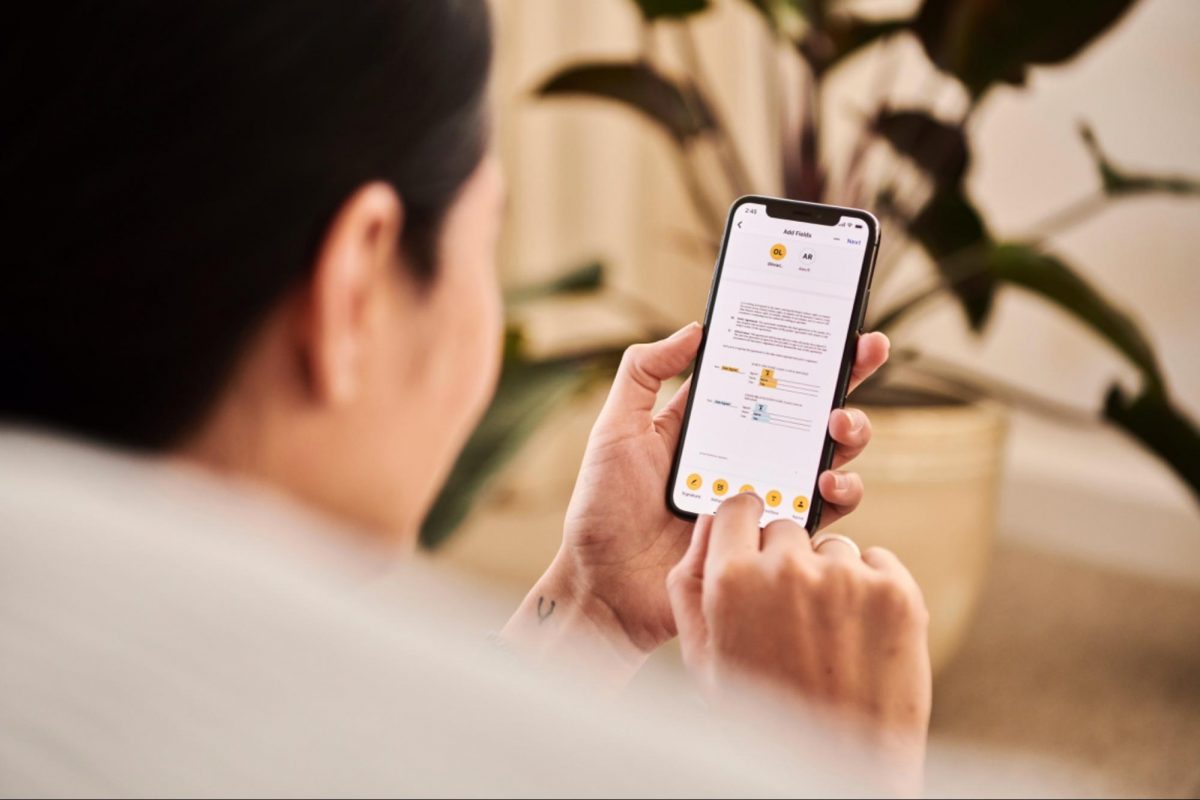
Before you return a private number call, you can take a few seconds to control what the person on the other end actually sees. On an iPhone, open Settings, tap Apps, then Phone, and select Show My Caller ID. Switching it off stops your information from appearing on their screen. The path for Android varies by manufacturer, but on a Samsung device you can go into the Phone app, tap the three-dot menu, then Settings, Supplementary services, and Show your caller ID to choose Never. When you move to internet-based calling, things get trickier. There is no universal toggle for making a call with no number displayed inside the app. For instance, you cannot hide your phone number on WhatsApp for a standard voice call, as the platform’s privacy control is limited to sharing your number with business accounts. Similarly, if you want to hide phone number in signal, you will find that the app does not offer a per-call masking option. For a more persistent change, you can change caller id on Android through your phone or carrier settings, though the exact path varies by device and service provider. The availability of that feature depends on your device, carrier, and whether your service provider supports suppressing phone number on outbound calls.
Identify an unknown incoming caller
Before you reach for a third-party service, it helps to know that most hidden calls aren't coming from criminals. They're often just people who dialed *67 to block their caller ID for a single call. Your carrier already logs the real number, but they won't hand it over without a court order unless you act fast. If you need to find out private caller on cell phone activity immediately after the call ends, contact your carrier about their internal tracing options, though you as the subscriber may never get to see the number on your own screen. Apple's call identification framework, accessed through Settings > Apps > Phone > Call Blocking & Identification, only works for numbers the system can see, and one App Store developer explicitly warns that no iOS app can reveal a private or hidden caller due to how the operating system restricts access. That same limitation means that while you can silence unknown callers, you cannot identify a restricted phone number after the fact on the device itself. When you want to screen future calls rather than investigate past ones, exploring the 16 best mobile number tracker apps you should download now makes more sense, since services like Truecaller and Hiya can flag known incoming numbers in real time by matching them against public databases before you pick up, though they cannot reliably identify private or hidden callers.
Set up caller ID and handle special calls
Before you can spot a hidden number, your own line needs to display what the network is already receiving. If you want to get caller id on Verizon cell phone, caller name display works through the Call Filter or Caller Name ID app, not the phone’s built-in settings. On an iPhone that means grabbing the app from the App Store with iOS 10 or newer, while many Android devices ship with it preloaded, though you should check the carrier’s eligible-devices list because some models are restricted. On the home side, you can activate caller id on home phone through your calling feature package, but the exact menu varies. You can control per-call privacy with *67 to block your number and *82 to reinstate it on the next outgoing call.
Some incoming calls follow rules that ordinary caller ID cannot rewrite. The major wireless carriers do not treat calls from a state facility as standard voice calls that you can simply toggle on from your phone’s dialer, and there is no way to accept collect calls from jail on cell phone as a normal carrier feature. A completely different mechanism kicks in when a threat is involved, and a police trace a phone number operation is not something you run from a consumer app.