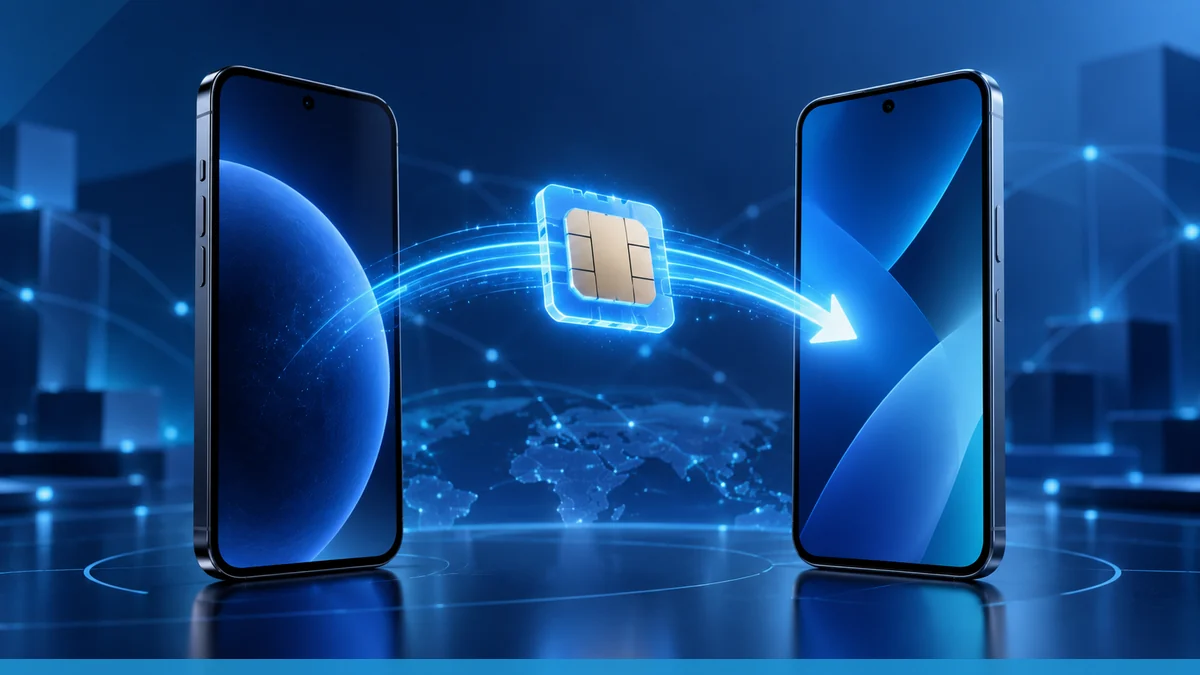





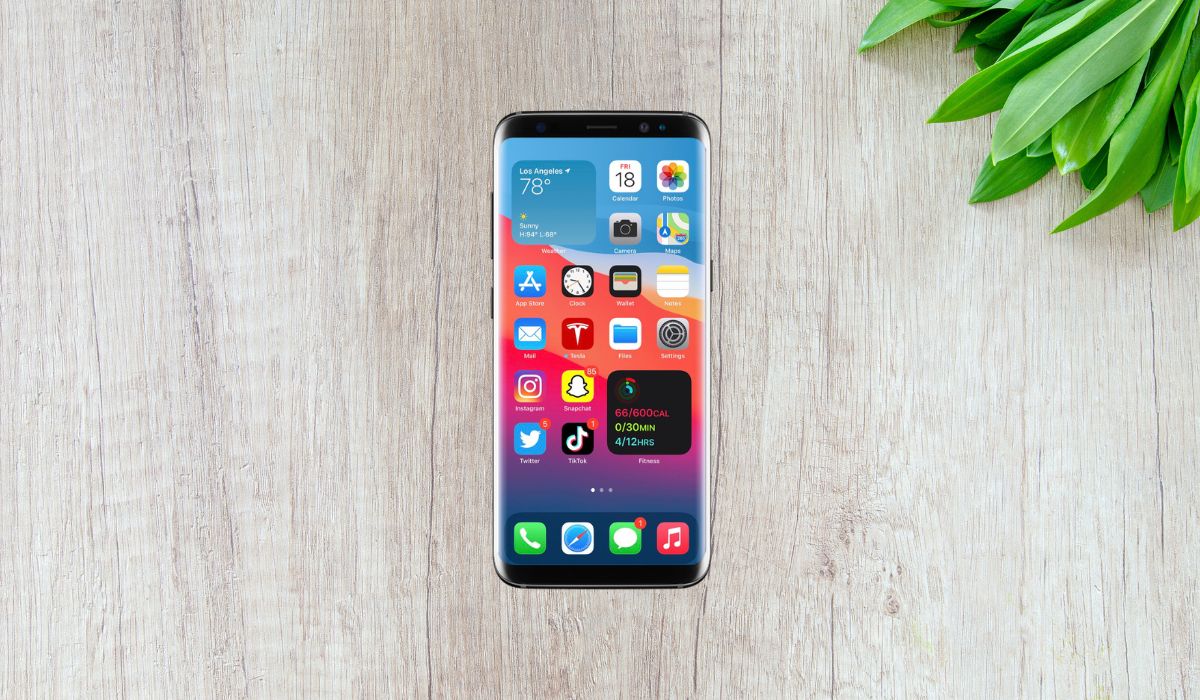
You cannot install iOS on an Android device. Apple’s closed ecosystem and tight hardware-software integration mean that the only way to get the iOS experience is to buy an iPhone, and the only documented procedure for moving your data from Android to an iPhone is Apple’s Move to iOS app.
Can you install iOS on an Android device?
No. Apple does not support installing iOS on any non-Apple hardware. The company’s operating system is designed exclusively for iPhone components, and no official method exists to run it on an Android phone. Any claim that you can “install iOS on Android” is false.
Why installing iOS on Android is not possible
Three major barriers prevent this. First, hardware incompatibility: Android devices use different processors, graphics chips, and sensors than iPhones, and iOS lacks the drivers needed to communicate with them. Second, legal restrictions: Apple’s end-user license agreement prohibits installing iOS on non-Apple devices, and doing so breaches that contract. Third, no official iOS ROMs exist: Apple never releases iOS as a flashable file for Android phones. The original article’s claim that you can download an “iOS ROM zip file” from forums is unsupported by any official source; such files are at best Android skins that mimic iOS, not the actual operating system.
As for the question “Can I install iOS on Samsung?”, no. iOS is not compatible with Samsung hardware for the same reasons: different architecture, no drivers, and Apple’s exclusive hardware lock.
The safe alternative: Move to iOS, not install iOS
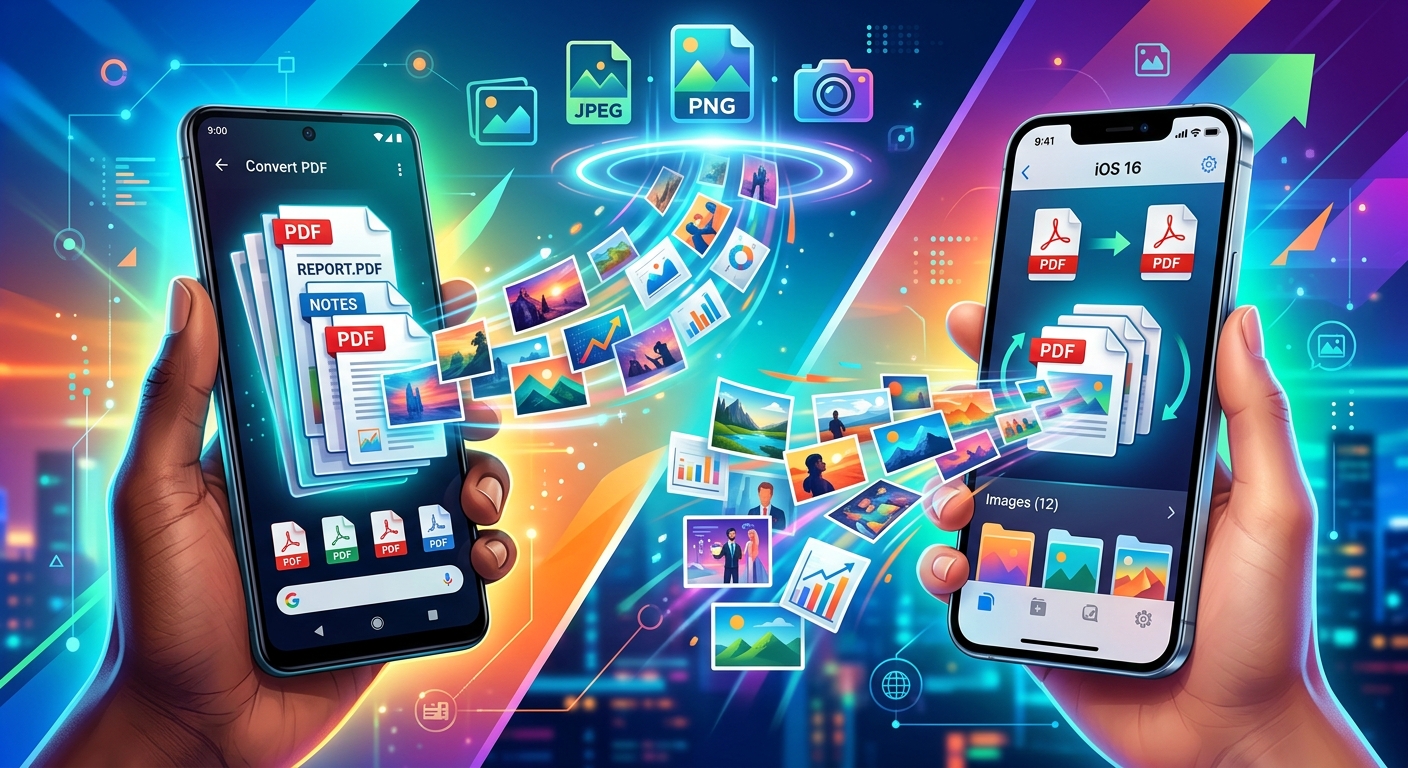
If you want the iOS experience, the only documented path is to switch to an iPhone. Apple provides the Move to iOS app, which transfers your contacts, messages, photos, and other data from an Android phone to a new iPhone. This is not installing iOS on Android; it is moving your personal content to a device that already runs iOS.
Back up all important data and files on your device before installing iOS, including contacts, photos, videos, and any other personal data. Use iCloud, iTunes, or third-party backup tools to create a secure backup.
Update your device's software to the latest version before attempting to install iOS. This ensures that your device has the necessary system updates and fixes any known issues that could interfere with the installation process.
It is recommended to connect your device to a stable internet connection and follow the instructions provided by Apple for updating your device's software.
How to prepare your Android phone for Move to iOS
- Ensure your Android device runs Android 6.0 or later. Apple documents Move to iOS for Android 6.0 and later only.
- The app is available in Universal (recommended) and 64-bit only versions.
- If an alert appears asking you to allow installation from unknown sources, follow the on-screen steps to enable it. This is a standard Android permission, not a security risk.
- Keep your Android phone charged and connected to Wi-Fi during the transfer.
After the transfer, your new iPhone will guide you through the rest of the setup. The Move to iOS process is the only method Apple supports for moving from Android to an iPhone.
What about unlocking the bootloader and custom ROMs?
Unlocking the bootloader and using custom recovery tools like TWRP are real procedures, but they are for installing custom Android operating systems, not iOS. To unlock the bootloader on an Android device, you first enable Developer options by opening Settings > About phone and tapping Build number seven times (some devices show Android version or Software information instead). Then go to Settings > System > Developer options and enable OEM unlocking. Android’s developer documentation says this setting is necessary for unlocking the bootloader and for flashing custom ROMs. However, no official source documents a bootloader unlock workflow for installing iOS, and no iOS ROM zip file exists from Apple. Custom ROMs that look like iOS are still Android underneath and do not provide the actual iOS operating system, Apple App Store access, or iCloud integration. Battery life may be affected as iOS is not originally designed to run on an Android phone. Furthermore, performance may vary depending on the compatibility of your device with the iOS ROM. For legitimate OS updates, always use the official update channel for your device, whether that is Apple’s software update for iPhones or your Android manufacturer’s update system. Updating iOS and operating systems on an iPhone is handled through Settings > General > Software Update; there is no equivalent for Android devices.
Frequently Asked Questions
Is it legal to install iOS on an Android device?
While it is not a criminal offense, it breaches Apple’s end-user license agreement. This could result in Apple disabling services or blocking your device from accessing the App Store and iCloud.
Will installing a custom ROM erase all data on my Android phone?
Yes. Flashing any custom ROM, whether it is a different version of Android or a lookalike iOS skin, wipes the device’s internal storage. Back up your data before attempting any such procedure.
Can I make my Android look like iOS?
Yes. You can install launcher apps from the Google Play Store that mimic the iOS home screen, icons, and control center. These apps change the visual appearance without modifying the underlying Android operating system, and they do not require unlocking the bootloader.
What is the easiest way to switch from Android to iPhone?
The easiest way is to buy an iPhone and use Apple’s Move to iOS app. The app transfers your contacts, messages, photos, and other data wirelessly during the initial iPhone setup. No technical skills are required.
Does installing a custom ROM void my warranty?
Yes. Unlocking the bootloader and flashing any custom software typically voids the manufacturer’s warranty. This applies to both Android custom ROMs and any unofficial iOS-like ROMs.
Can I switch back to Android after installing iOS?
Yes, you can revert back to Android by flashing the Android ROM, but this process is also complex and requires a similar level of caution.
Related reading: How To Update IPhone 6 To Ios 14 and How to Downgrade iOS Using SHSH2 Blobs (2022 Guide).


![Best & Latest Updates on Mobile Operating Systems [Android, iOS, KaiOS]](/wp-content/uploads/2019/11/featured-1.jpg)