



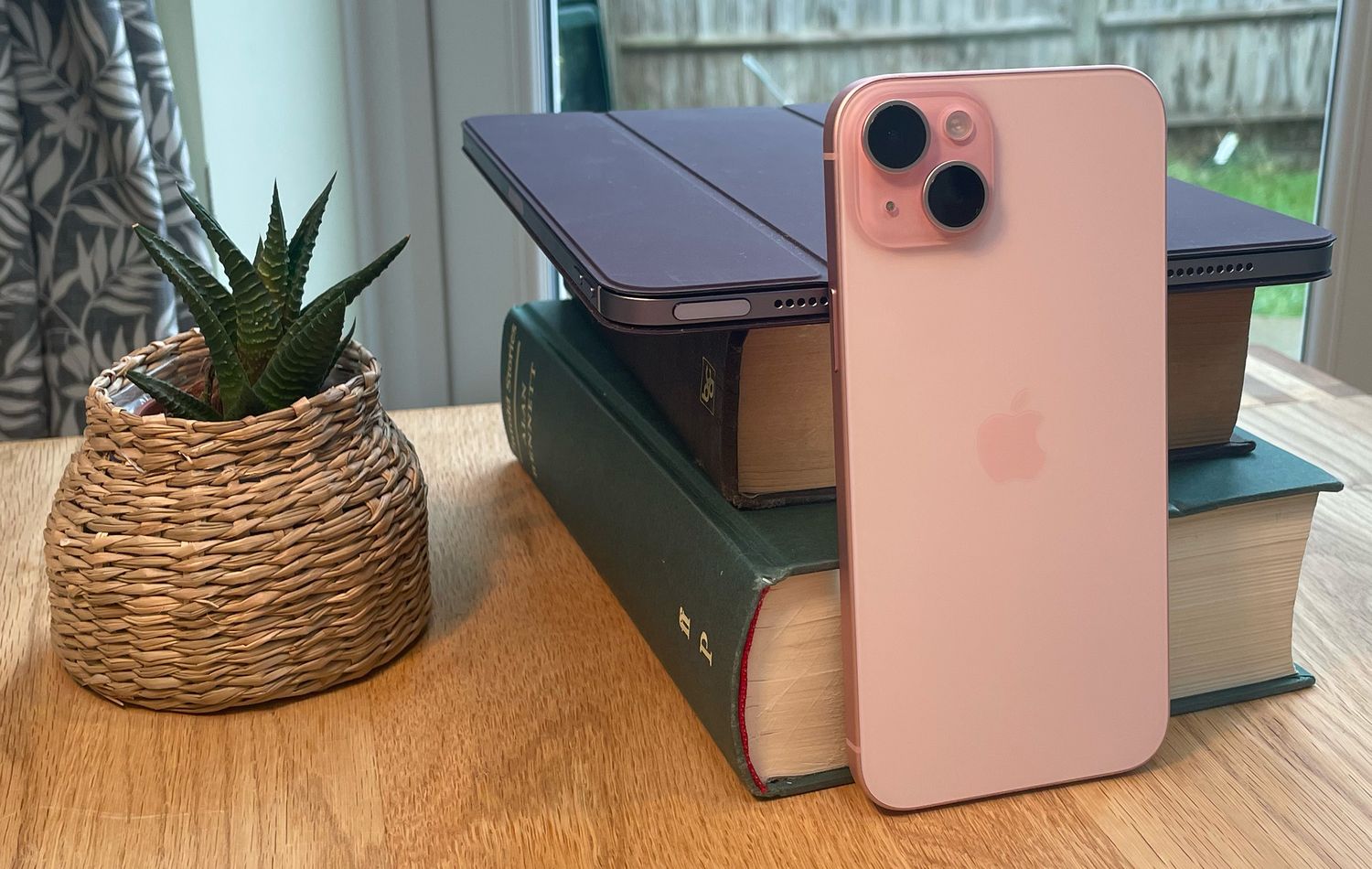
The latest iOS update for iPhone squashes bugs in Mail, Notes, and Messages, addressing issues that can disrupt your daily communication and productivity. While Apple's current release notes for this version do not list specific fixes for each app, the update promises to improve stability across these core applications.
iOS update for iPhone squashes bugs: what you need to know
This update targets known problems in Mail, Notes, and Messages, though Apple has not published detailed patch notes for the current version. Based on previous iOS updates, users can expect fixes for issues like messages not syncing, attachments failing to display, and notes becoming inaccessible. The update also includes general stability enhancements that improve app responsiveness and reduce crashes. In Notes, the app now supports creating folders to categorize notes, pinning notes to the top of the list, and improved formatting options like headings, subheadings, and bulleted or numbered lists. It also supports text recognition, making handwritten notes searchable, and has enhanced collaboration features for real-time sharing and editing. In Messages, the update reduces lag in typing, provides enhanced delivery and read receipts for more accurate status information, provides improved stability during group chats, and optimizes media sharing for faster sending and receiving of photos and videos.
How to install the iOS update on your iPhone
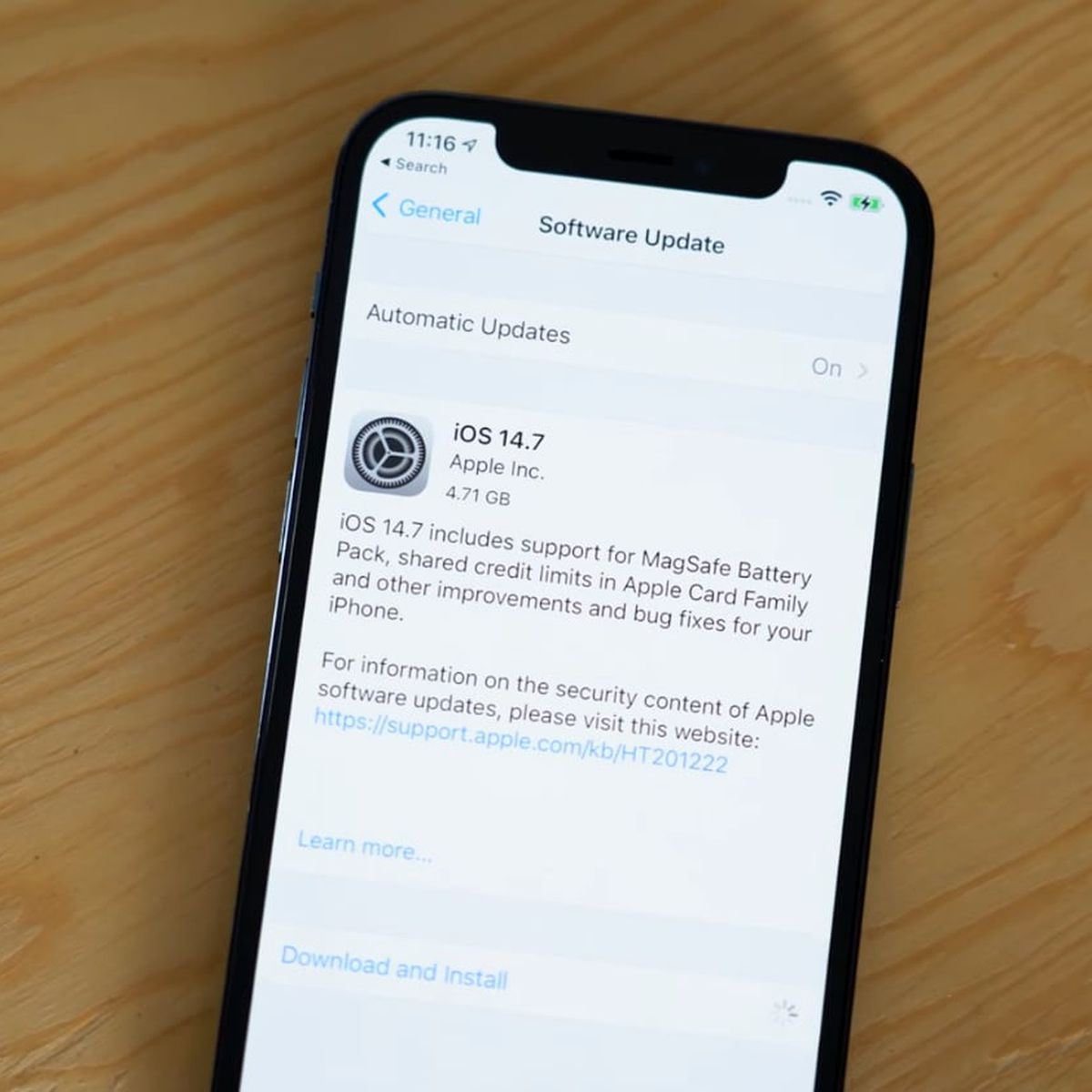
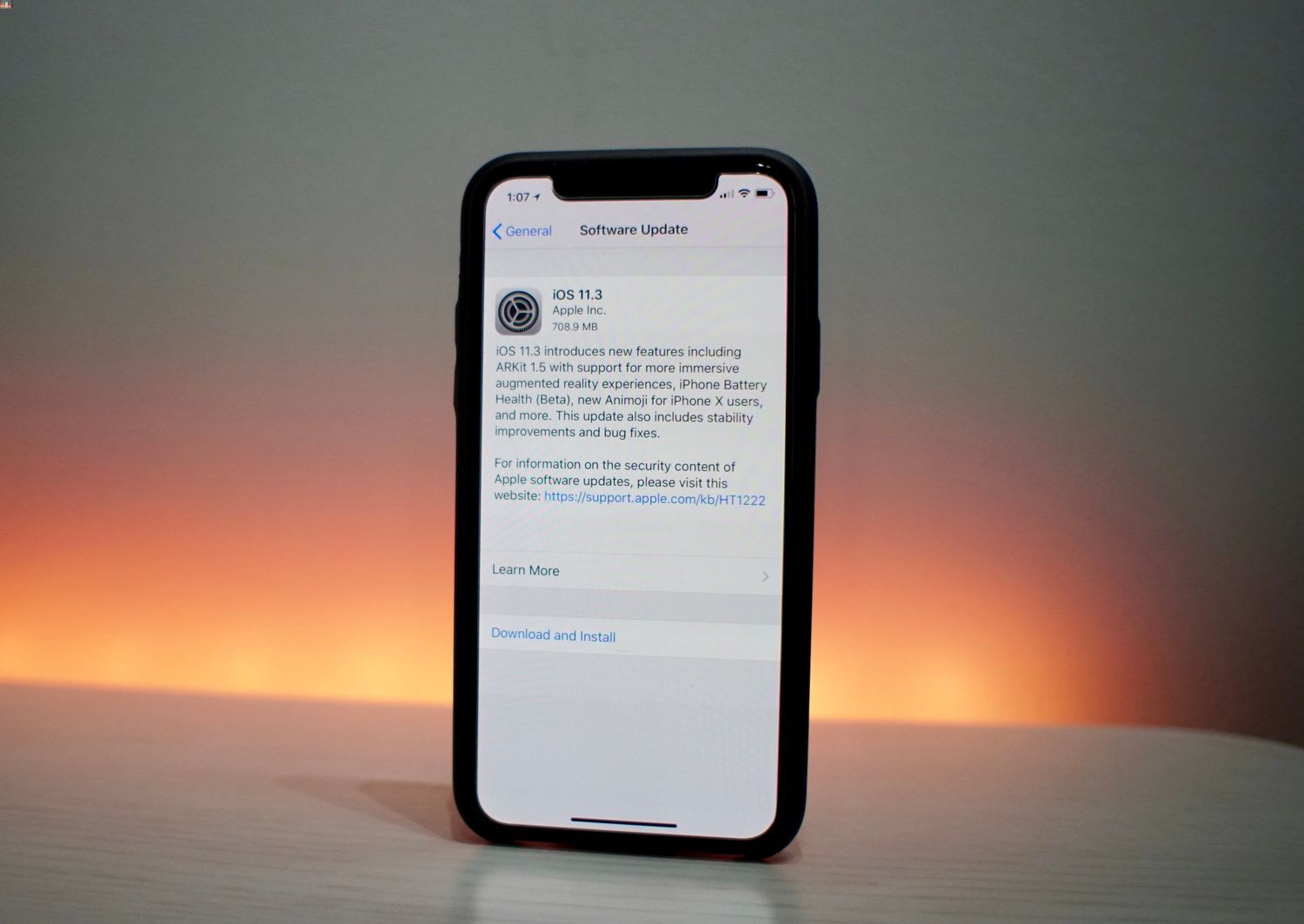
- Open the Settings app on your iPhone.
- Tap General.
- Select Software Update.
- If an update is available, tap Download and Install.
Your iPhone must be connected to Wi-Fi and have sufficient battery life (or be plugged into power) to complete the update. If the update does not appear, check again later or ensure you are connected to Wi-Fi and power, as Apple's support documentation advises. It is also recommended to back up your iPhone before updating to protect your data.
What past iOS bug fixes tell us about Mail, Notes, and Messages
Apple has a history of addressing specific bugs in these apps through iOS updates. Older release notes document fixes for search within Mail, Files, and Notes, resolving issues where users could not find emails or notes by keyword. Another documented fix addressed a Messages problem where photos, links, and other attachments might not display in the Messages details view. The update addresses the issue of emails appearing as blank in certain circumstances. It also addresses the problem of attachments not opening or loading properly within the Mail app. Additionally, it tackles intermittent syncing issues some users have encountered with their email accounts, which could lead to missing emails or delays. These examples illustrate the kinds of improvements that iOS updates typically deliver for these apps.
Updating apps on Android: a quick comparison
For users managing multiple devices, the Android system update path is Settings > System > Software update on many devices, though Google notes some devices use About phone or About tablet > Software update. To update individual apps, open the Google Play Store, tap your profile icon, select Manage apps & device, then Updates available, and choose See details to update specific apps or use Update all. For automatic updates, go to Profile picture > Settings > Network Preferences > Auto-update apps and choose over any network, Wi‑Fi only, or Don't auto-update apps. When updating iOS and operating systems, the process differs significantly from Android, but both platforms prioritize security and stability through regular updates.
Tips for a smooth iOS update experience
- Back up your iPhone using iCloud or a computer before updating to safeguard your data.
- Use Wi-Fi instead of cellular data to avoid large data charges, as iOS updates can be several gigabytes in size.
- Ensure your iPhone has enough storage space; if storage is low, delete unnecessary files or apps.
- Keep your iPhone plugged into power during the update to prevent interruptions.
Frequently Asked Questions
Can I update iOS on my iPhone over cellular data?
While possible, it is not recommended because iOS updates are large and can consume significant cellular data. Always connect to Wi-Fi when possible to avoid unexpected charges.
What should I do if the iOS update fails?
First, check that your iPhone has enough storage space. If storage is limited, delete unnecessary files or apps. Restart your iPhone and try again. If the problem persists, verify your internet connection or try a different Wi-Fi network. Apple Support can assist if the issue continues.
Will updating iOS on my iPhone delete my data?
No, updating iOS normally preserves your data. However, backing up your iPhone before updating is strongly recommended to prevent data loss in case of an unexpected error during the process.
How do I know which iOS version fixes specific bugs in Mail, Notes, or Messages?
Apple's release notes sometimes list specific fixes, but not always. For the latest update, the release notes do not detail individual bug fixes for these apps. Checking Apple's support pages or the release notes after updating can provide more information.
Related reading: When Does The IOS 15.4 Come Out and How To Update IPhone 6 To Ios 14.