




To take phone off DND, swipe down from the top-right corner of an iPhone screen to open Control Center, or swipe down from the top of an Android screen to open Quick Settings, then tap the Do Not Disturb icon to disable it. This is the fastest way to restore your calls and notifications immediately.
How to take phone off dnd quickly
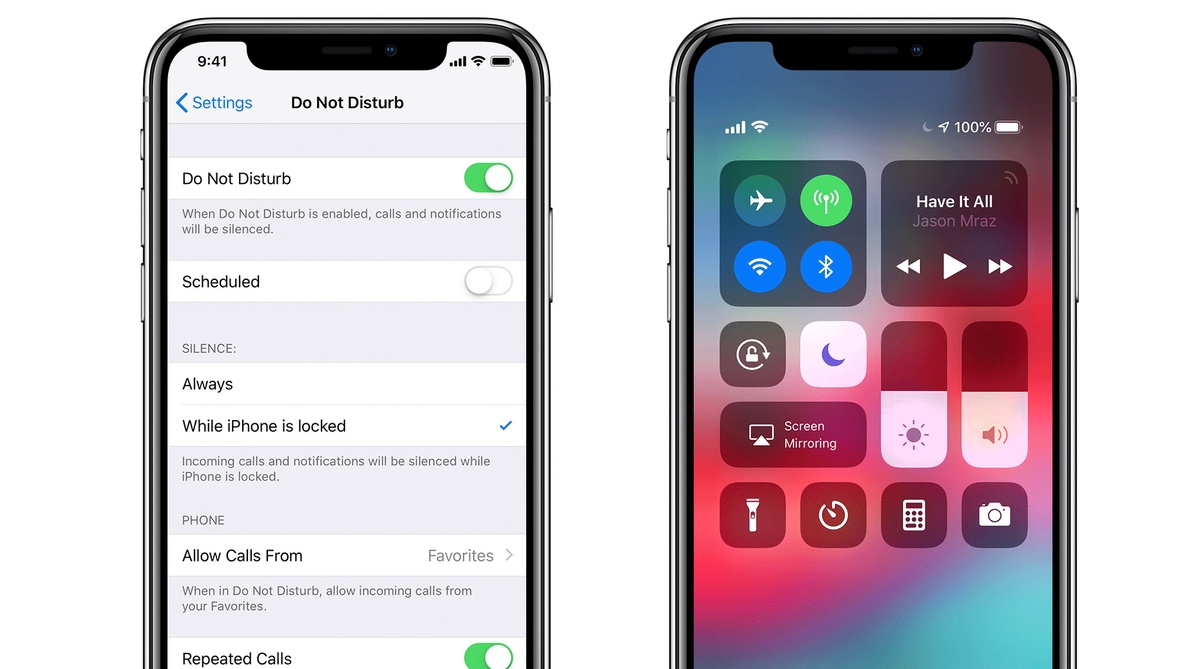
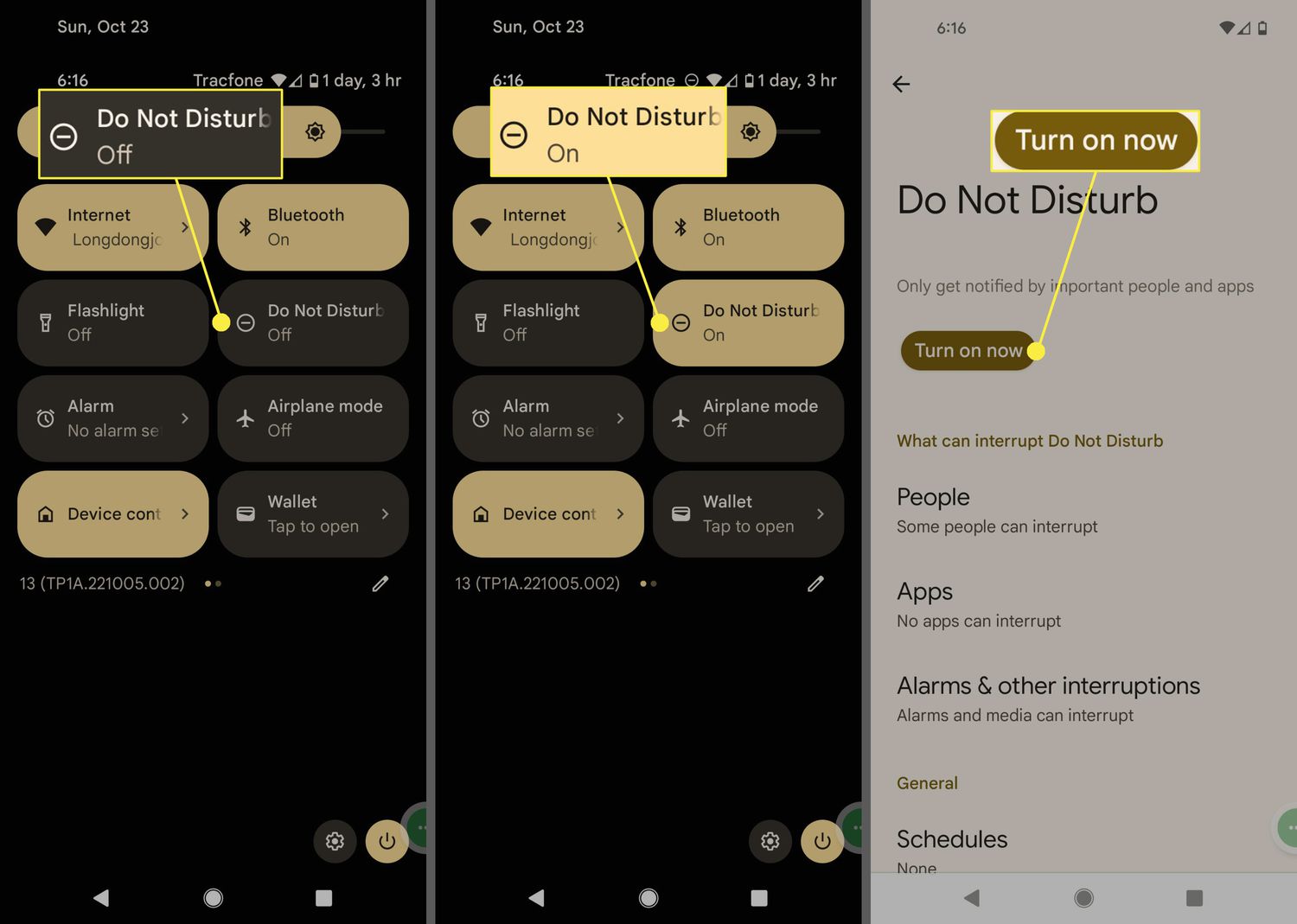
When you need to silence your phone again immediately, the quick-access menus are your best tool. On many smartphones, you can find a shortcut to enable or disable Do Not Disturb mode in the control center or notification shade by swiping down from the top of the screen. On an iPhone, swipe down from the top-right corner (or swipe up from the bottom on models with a Home button) to open Control Center. On an Android device, swipe down from the top of the screen to open the Quick Settings panel. In either case, look for the Do Not Disturb icon and tap it to turn it off.
What the Do Not Disturb icon looks like
Knowing the icon confirms that Do Not Disturb is the reason your phone is silent, rather than a hardware mute switch or low volume. On iPhones, a crescent moon icon appears in the status bar and on the Lock Screen when DND is active. On Android devices, the icon typically looks like a circle with a horizontal line through it, similar to a "no" sign, or it may also look like a crossed-out bell. If you see either of these symbols, your phone is in Do Not Disturb mode.
How to turn off Do Not Disturb on an iPhone
There are two reliable methods to disable DND on an iPhone. The first uses Control Center:
- On iPhones with a Home button, swipe up from the bottom to open Control Center (not swipe down from top-right). On models without a Home button, swipe down from the top-right corner of the screen.
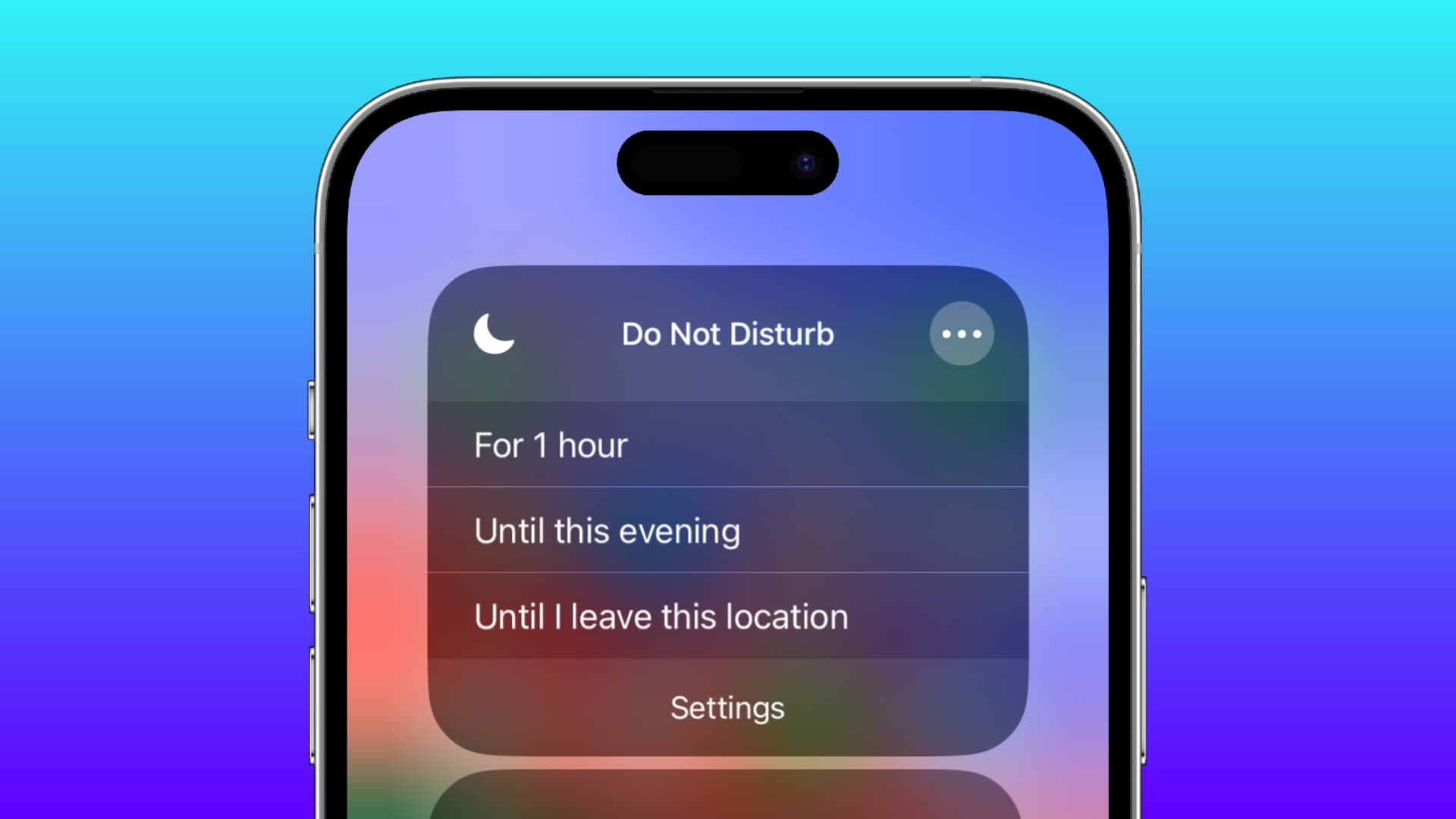
- On older iPhone models, the Do Not Disturb toggle in Control Center is a crescent moon icon that you tap directly, not a Focus button. On newer models, tap the Focus button, which may show "Do Not Disturb" or another active Focus option.
- Tap "Do Not Disturb" in the menu to turn it off. The icon will no longer be highlighted when DND is off.
The second method uses the Settings app:
- Open the Settings app.
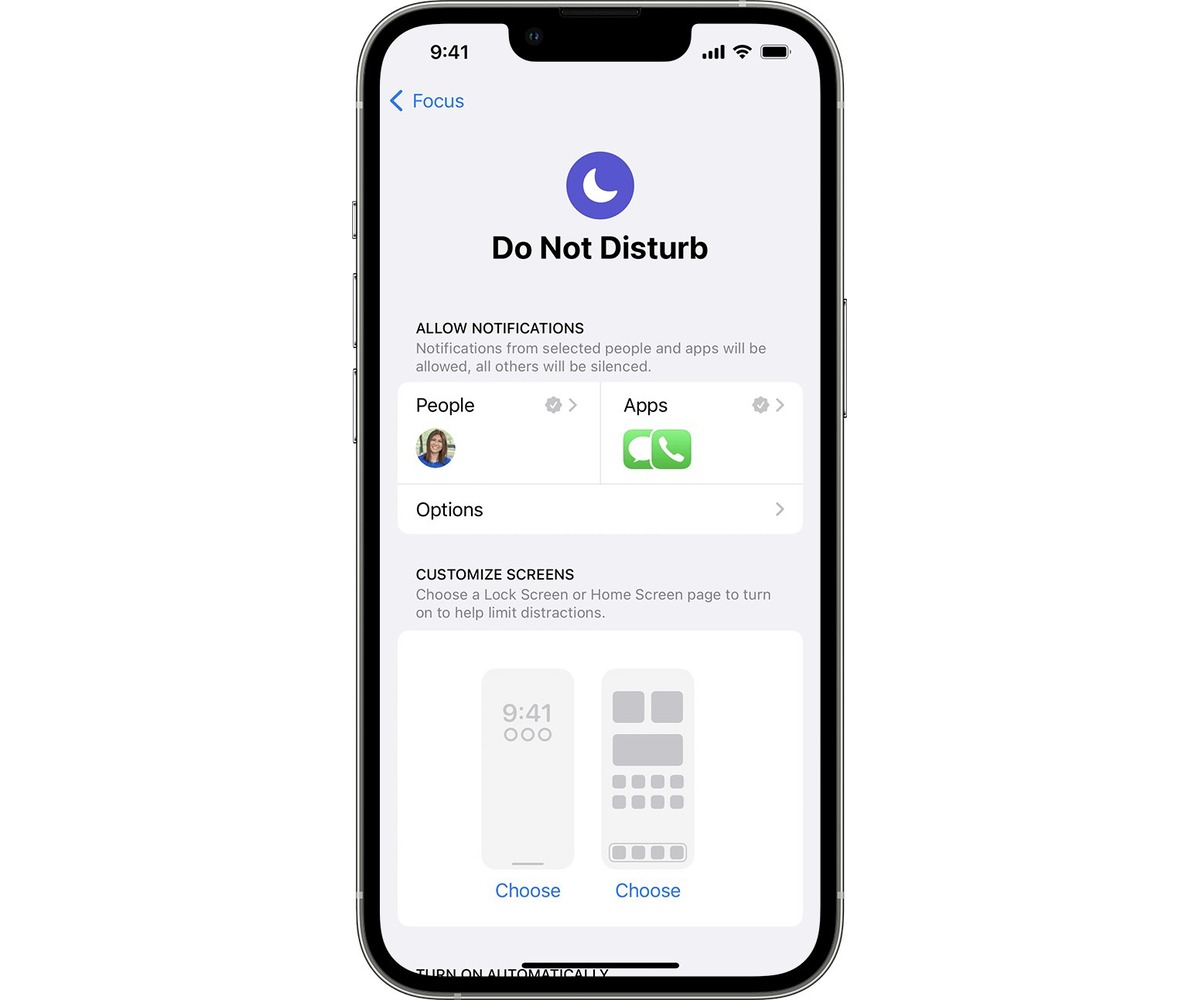
- Tap Focus.
- Tap Do Not Disturb.
- Toggle the switch off.
Note that on iOS 15 and later, Do Not Disturb is part of Focus modes. Other Focus modes like Sleep, Work, or Personal can also activate DND-like silencing. If the crescent moon icon remains visible, check if another Focus mode is enabled. DND settings can also be shared across all your Apple devices if "Share Across Devices" is enabled in Settings > Focus.
How to turn off Do Not Disturb on an Android device
Android offers two primary ways to disable DND. The Quick Settings panel is the fastest:
- Look for the Do Not Disturb icon (a circle with a horizontal line) and tap it to turn it off.
If you prefer the Settings menu:
- Open the Settings app.
- Navigate to Notifications > Do Not Disturb, or Sound & vibration > Do Not Disturb, depending on your device. You can also access Do Not Disturb settings via Settings > Sound & vibration > Do Not Disturb.
- Toggle the switch off.
What to do if Do Not Disturb keeps turning on
If DND reactivates automatically after you turn it off, check your Do Not Disturb settings for active schedules, Modes, or Routines. On Android, open Settings > Notifications > Do Not Disturb and look for any scheduled rules or automatic triggers. On iPhone, go to Settings > Focus > Do Not Disturb and review any schedules or automation rules you may have set. Disable any that are causing the unwanted activation. Common triggers include bedtime schedules, driving modes, or time-based routines.
Customizing Do Not Disturb to avoid missing important calls
You do not have to fully disable DND to receive critical alerts. Both iPhone and Android allow you to set exceptions. You can customize Do Not Disturb to allow calls from specific contacts or repeated callers. On Android, you can allow calls from specific contacts, repeat callers, or notifications from certain apps within the Do Not Disturb settings. On iPhone, within the Focus settings for Do Not Disturb, you can allow calls from specific contacts or allow repeated calls to ring through. This way, you can keep your phone silent for most interruptions while still receiving important communications. Understanding the difference between Do Not Disturb and silent mode helps: silent mode typically mutes all sounds but still shows notifications, while DND can block both sounds and visual alerts unless exceptions are set.
Frequently Asked Questions
Will turning off Do Not Disturb restore missed calls or notifications?
No, turning off DND will not restore missed calls or notifications that were silenced while the mode was active. However, new incoming calls and notifications will be received as usual once DND is disabled.
Can I schedule Do Not Disturb to automatically turn off at a certain time?
Yes, both iPhone and Android allow you to schedule DND to enable or disable at specific times. On iPhone, use the Schedule option within Focus > Do Not Disturb. On Android, look for Scheduled rules in the Do Not Disturb settings.
How do I take my phone off silent mode if I don't see the DND icon?
If you do not see the crescent moon or circle-with-line icon, your phone may be in silent mode rather than Do Not Disturb. Use the physical volume buttons to increase the volume, or check for a silent mode switch on the side of the device (common on iPhones and some Android models).
Can I allow emergency alerts while Do Not Disturb is on?
Yes, emergency alerts like AMBER alerts or severe weather warnings typically bypass Do Not Disturb settings on both iPhone and Android. You can verify this in your phone's emergency alert settings.
Why does my Do Not Disturb turn on automatically at night?
This is likely due to a scheduled Bedtime or Sleep Focus mode on iPhone, or a scheduled DND rule on Android. Check your Focus settings on iPhone or the Do Not Disturb schedules on Android to adjust or disable the automatic activation.
Related reading: How To Unmirror My Phone and How To Put IPhone On Dnd.