




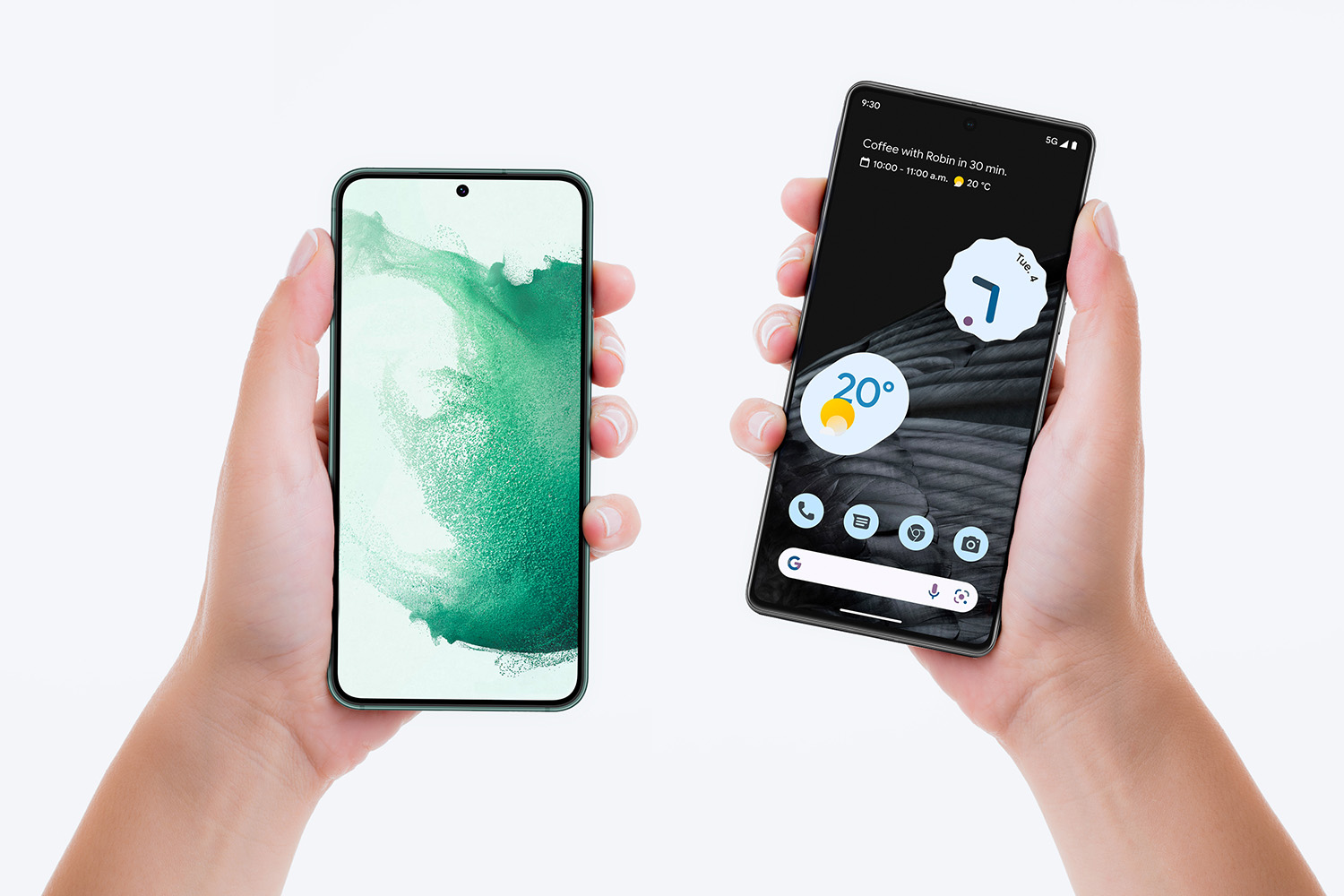
The preferred spelling in formal U.S. writing is cell phone (two words), as documented by the FCC and Britannica, while cellphone is an accepted variant; no official rule from Apple, Google, or Samsung mandates one over the other.
What the official sources say
FCC materials consistently use "cell phones" and "wireless devices," not "cellphone," in their guidance. Britannica’s entry uses "cell phone" as the head term, defining it as a wireless telephone operating within a defined area. The Associated Press (AP) Stylebook advocates for the two-word form 'cell phone', while The Chicago Manual of Style accepts both variations.
When to use 'cell phone' vs. 'cellphone'
Use cell phone in formal, professional, or U.S.-focused writing, such as business reports, academic papers, and government communications, to match the style of authoritative sources. Cellphone is acceptable in informal contexts like texting, social media posts, or casual conversation, where brevity is valued. For global audiences, mobile phone works well and avoids regional spelling debates. The choice ultimately depends on your audience and the tone of your writing.
Why the confusion exists
Compound words in English often evolve from two words to one over time, as seen with "e-mail" becoming "email" and "on line" becoming "online." Cellphone follows this trend, merging "cell" and "phone" into a single word for convenience. However, "cell phone" remains the dominant form in edited U.S. publications, and the shift to a closed compound has not been as widely adopted as with other terms. The variation persists because language change is gradual, and different style guides and regions favor different forms.
Frequently Asked Questions
Are cell phones and smartphones the same?
No. A cell phone is a general term for any mobile phone device. A smartphone is a type of cell phone that offers advanced features like internet access, app support, and enhanced computing power. All smartphones are cell phones, but not all cell phones are smartphones.
What are some essential features to consider when buying a cell phone?
Key features include the operating system (Android or iOS), processing power, screen size and resolution, camera quality, battery life, storage capacity, and connectivity options like 4G or 5G. Also consider waterproofing or expandable storage. Prioritize the features that match how you use your device daily.
How do I choose a plan?
Evaluate your typical data usage, budget, and coverage area. Compare carriers on coverage maps and consider features like international calling or family plans. Reading customer satisfaction reviews can also help you decide.
How can I extend the battery life of my cell phone?
Reduce screen brightness, use Wi-Fi instead of cellular data when possible, close unused apps running in the background, and disable push notifications for non-essential apps. Remove unnecessary widgets or live wallpapers, avoid extreme temperature conditions, and consider purchasing a portable battery charger or power bank. Adjust email and app sync settings to less frequent intervals, and turn off Bluetooth or GPS when not in use.
What is the origin of cell phones?
The concept of cellular telephony was introduced in the late 1970s, dividing regions into smaller cells for efficient signal transmission. The term "cell phone" was born from this technology, describing portable devices that used the cellular network infrastructure. Understanding the origin of cell phones helps clarify why the two-word form is historically grounded.
What are mobile phone basics?
Mobile phone basics include understanding how a device connects to a cellular network, makes calls, sends texts, and accesses data. Knowing these fundamentals helps you choose the right device and plan, and it explains why terms like "cell phone" and "mobile phone" are used interchangeably. Mobile phone basics and how they work are essential knowledge for any user.
Related reading: What Are 5 Facts About Phones?.