



How mobile phones work and what they actually are
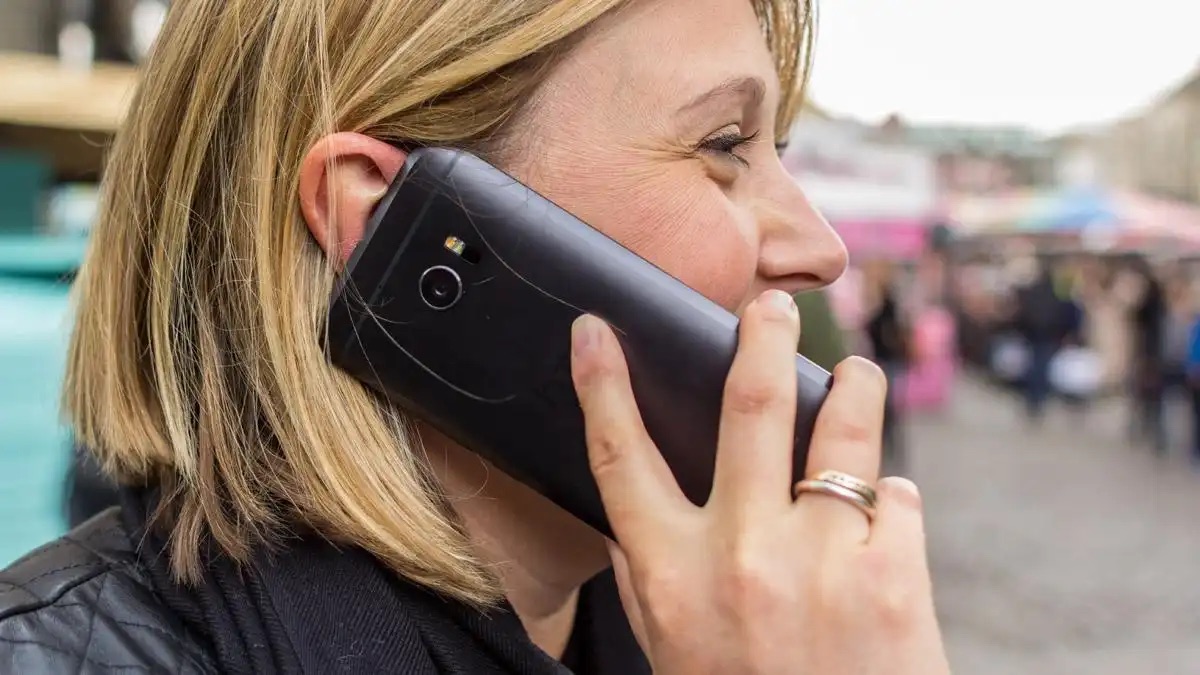
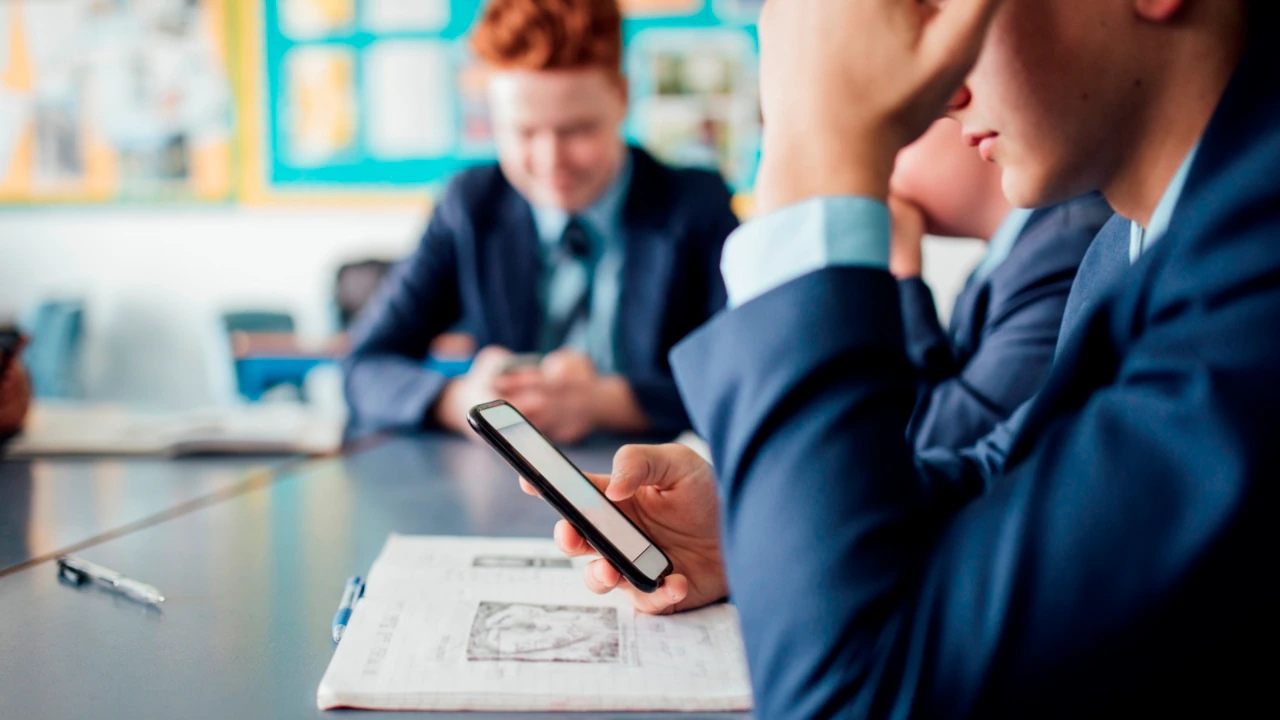
To understand how mobile phones work, it helps to settle on a clear definition of a mobile device. In everyday speech, “cell phone” and “mobile phone” mean the same pocketable wireless telephone, and the name you reach for mostly depends on where you live. That single object is also a handheld device by design, shaped to operate comfortably in one palm while you tap or swipe with the other. Because a modern handset runs a full operating system and installs apps, you will sometimes hear people defining a mobile phone as a computer that happens to fit in your pocket. When you step back and think about a cell phone and its uses, the real split is not between calling and computing but between connecting through a radio tower and relying only on Wi‑Fi. That line is also what clarifies the difference between portable and mobile. A tablet you carry from room to room is portable, while a device that maintains a call while you walk or drive is truly mobile. In the same way, the everyday meaning of a handheld device turns on that always‑available wireless link, not just on its size.
What we call these devices around the world
The word you reach for depends almost entirely on where you learned English. In the United States and Canada, people overwhelmingly say cell phone, a term that stuck because the system is divided into small geographic zones called cells. That same pocketable device is a mobile phone throughout the United Kingdom, Ireland, and much of the Commonwealth. The British term for cell phones is often shortened even further to just mobile in casual conversation, and you will also encounter a similar word for mobile when people drop the second half of the phrase entirely, which works the same way as saying phone once the topic is established. Apple and Google both steer writers toward mobile phone as the preferred neutral word in their official style guides, recommending against cell phone or cellular phone altogether. When you see the phrase phone short for something. The spelling question cell phone versus cellphone spelling has a straightforward answer in professional writing: the closed-up cellphone is specifically called out as something to avoid. Australian terms for mobile phones were not covered. If you are trying to settle on the correct word for cell phone in your own writing, match your audience by using mobile phone to stay neutral across regions, or choose cell phone when you are writing primarily for a North American reader.
The history behind your phone
The story starts with the wired telephone long before anyone imagined a pocketable wireless version. No single date settles when the first phone was invented, but if you want to understand the full timeline, you should read about what was the first phone invented. Alexander Graham Bell's 1876 patent for the electric speaking telephone marks the commonly recognized starting point. The leap to radio-based calling took decades. The most widely cited milestone for the origin of cell phones came in 1973. That year the first widely recognized mobile phone call was made by Motorola's Martin Cooper on April 3 using a prototype that weighed over two pounds. These early systems were analog, carrying voice as continuous radio waves. That entire first generation of mobile systems is now referred to as 1G. The real transformation arrived with second generation wireless technology. It digitized voice calls on infrastructure first implemented in 1991. In the United States, the main 2G technologies included GSM, CDMA, iDEN, and TDMA. Because they replaced the older analog AMPS standard, the industry grouped all four under the 2G label. That shift from analog to digital made features like caller ID, encryption, and eventually mobile data possible. It laid the groundwork for every smartphone system that followed.
How the cellular network connects your calls
Every call or text begins its journey as a radio signal. The kind of waves are used to make and receive cellphone calls fall within the radio-frequency portion of the electromagnetic spectrum. Your phone converts your voice into an electrical signal and hands it to a tiny radio transmitter, which pushes the signal through the air to the nearest tower. The average cellphone tower height varies by terrain and zoning rules, but most are tall enough to clear nearby buildings and trees so they can hand your conversation to the next zone without a dead spot. This arrangement of overlapping geographic zones is cellular network technology explained in its simplest form. A city is divided into cells, each served by its own tower and set of frequencies, letting millions of people reuse the same channels without interfering with one another.
The towers are only the visible edge of a mobile network. Behind each one sits a chain of base stations, switching centers, and backhaul connections that route your call to its destination, whether a landline across the country or another phone two blocks away. When a provider sells you a plan, they are really selling you access to this physical infrastructure, and that ongoing subscription makes up your mobile service. On an iPhone, you manage that connection under Settings > Cellular, where you toggle Cellular Data on or off to control whether the device reaches out to those towers for anything beyond voice. The whole system depends on your phone staying in constant contact with the tower grid as you move. As your signal weakens in one cell, the system silently passes you to a stronger one and the call holds.
Understanding mobile data and network symbols
When you glance at the status bar of your phone, the letters you see tell you exactly which generation of mobile network your device is using right now. If you have ever wondered what does LTE mean on my phone, the term stands for Long Term Evolution and signals a connection to an LTE cellular network for data, and clicking that phrase will explain exactly how it affects your everyday browsing speed. Whether that connection also carries your voice calls depends on a setting in your cellular options, where the Voice & Data option determines if calls ride over LTE or fall back to an older signal if your carrier supports VoLTE.
Older network types still appear when you move out of range of faster towers. This is part of the larger question of what is data on a cell phone, the wireless internet link that apps, browsers, and streaming services use, distinct from the separate channel that carries a traditional phone call unless your provider supports VoLTE, and reading that piece will clarify exactly what you are paying for in your plan.
How your phone uses Wi‑Fi
When your phone connects to the internet through a home router or a coffee-shop hotspot, it is using a local wireless network. That network has nothing to do with the tall towers a carrier operates. This distinction is the reason a tablet or a phone without a SIM card can still browse the web and stream video. The device only needs to be connected to Wi‑Fi, meaning its internal radio can talk to a standard access point.
A common point of confusion is mobile phone Wi‑Fi connectivity for calls. If your provider supports it and you turn on the feature, the phone can route a voice call over that same local network. It does this instead of relying on a distant cell site. This is especially useful in a basement or a building where the tower signal cannot reach.
On an iPhone, open Settings → Cellular, select the line if you have multiple SIMs, tap Wi‑Fi Calling, turn on Wi‑Fi Calling on This iPhone, tap Enable, and follow any emergency address prompts. On Android, go to Settings → Network & internet → SIMs, tap your carrier SIM, then tap Wi‑Fi calling. The exact labels shift from one manufacturer to another. The feature does not work everywhere. Availability depends on your specific operator. You may need to enter an emergency address before the switch will stay on.
Tablets and how they fit in
People often reach for an iPad or Android slate expecting it to work exactly like their phone, then hit a wall when there is no green call button. The answer is yes in every sense except the one that matters most: a tablet is a portable computer you can take anywhere, but it does not automatically contain the cellular radio and SIM card that make a phone a phone. For a clear tablet device explained, an article that breaks down the hardware and software differences so you never confuse the two again, think of it as a larger-screen sibling that may share your apps and your pocket Wi‑Fi hotspot, yet still lacks its own direct line to a carrier tower unless you bought a specific mobile-data model. Open the iPhone Settings > Phone, turn on Calls on Other Devices, then go into the iPad Settings > FaceTime and enable Calls from iPhone so your tablet rings when the phone does. The question of how to use my Android tablet as a phone, an article that shows you the workarounds and app choices for your specific brand, has a different shape. No single built‑in control replicates that handoff across every manufacturer, and other Android tablets rely on third‑party VoIP apps over Wi‑Fi.
- classifying a tablet as a mobile device
- use my Android tablet as a phone
- tablet device explained
- use tablet as phone
Specialized mobile systems and terms
Not every device you pick up runs Android or iOS. A few specialized platforms handle very specific jobs, such as LG’s current smart TVs and smart appliances, which run the WebOS mobile operating system, a Linux-based platform that first appeared on Palm phones like the Pre and Pixi but now lives almost entirely on television screens and refrigerator displays rather than handsets, which is why you will not find it powering a modern smartphone. On a completely different technical track, you might encounter the mobile code definition when reading about how a provider pushes a short burst of software instructions to your SIM card. The term refers to executable data that runs on the device’s secure element or SIM, not inside the main apps you see on your home screen, and you generally cannot view or edit it directly through standard device settings.
Frequently Asked Questions
How do I turn on Wi‑Fi Calling on my iPhone?
Open Settings → Cellular, select your line, tap Wi‑Fi Calling, then turn on Wi‑Fi Calling on This iPhone and follow the emergency address prompts. Availability depends on your specific carrier supporting the feature.
How do I set my iPhone to use 5G Auto?
On iPhone 12 models and later with a 5G data plan, go to Settings → Cellular → Cellular Data Options → Voice & Data and select 5G Auto. The phone then automatically switches to LTE when 5G does not provide noticeably better performance.
Can I make calls from my iPad using my iPhone number?
Yes. On your iPhone, open Settings → Phone and turn on Calls on Other Devices. Then on your iPad, go to Settings → FaceTime and enable Calls from iPhone so the tablet rings when your phone does.