




Before you dial: the basic structure of international phone numbers
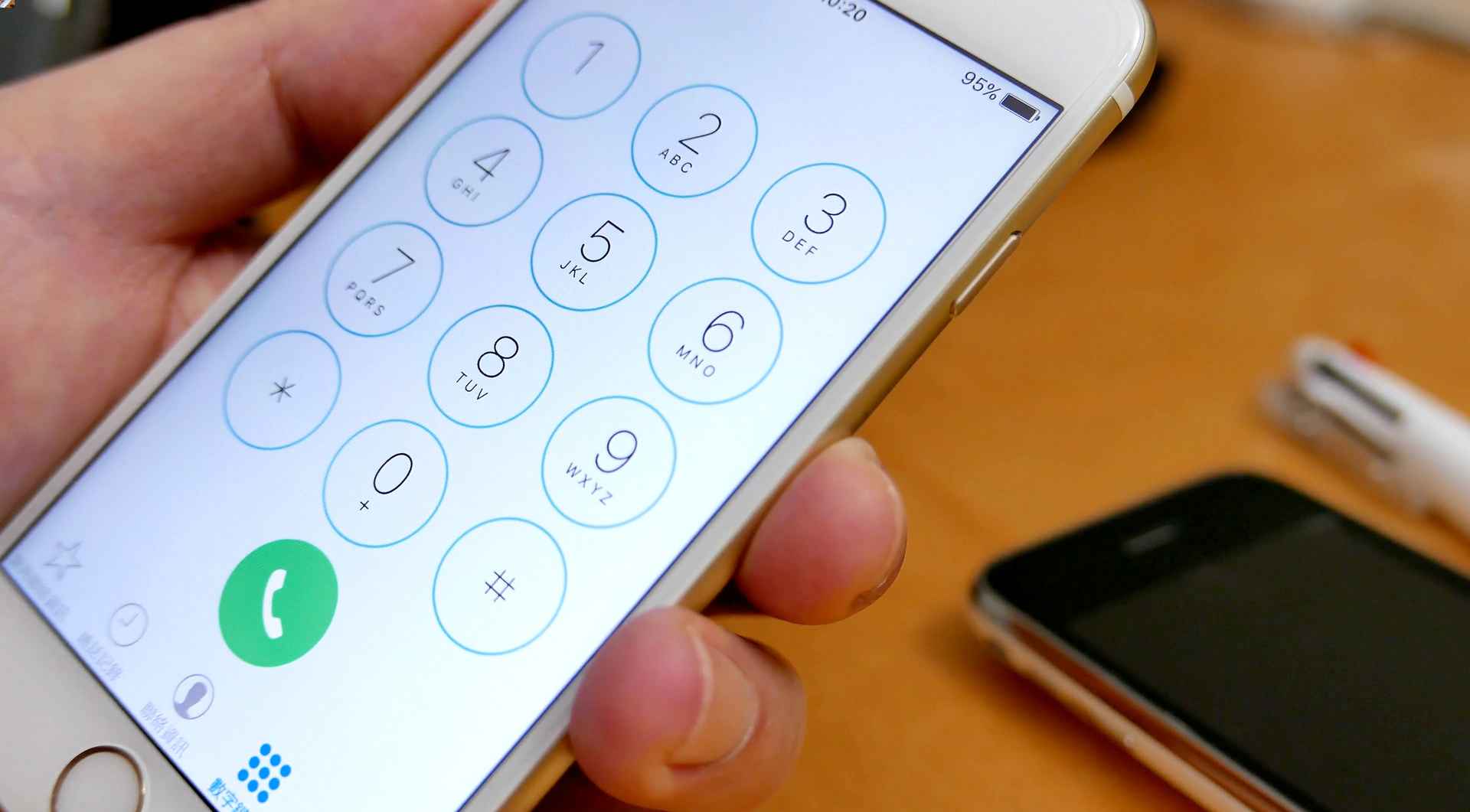
Dialing international phone numbers follows a fixed sequence, starting with an exit code that tells your local carrier you are calling abroad. From the United States that code is 011, though you can also enter + instead. On a mobile phone you can usually press and hold the 0 key until a + symbol appears, which works as a universal stand-in no matter where you are. Then continue with the rest of the digits.
Once you have the exit code or + in place, the very next digits are the country code. If you ever need to find the country code of a phone number you have saved, look immediately after the + symbol or the international exit prefix. For example, when you enter US phone number with country code, you type +1, then the three-digit area code, then the seven-digit local line. To write a phone number with a country code in the USA correctly, the accepted format is +1 (area code) local line. The same logic applies when you write mobile number with country code for any destination: start with + and the country code, then the full mobile digits, stripping out any initial zero that only works for domestic calls. Putting all of this together gives you the phone number in international format, a clean sequence of +, country code, area code, and local line with no extra trunk prefixes left in the way.
Calling North American numbers from anywhere
Calling a number in the United States or Canada follows the same rules because both countries share the North American Numbering Plan, so you do not need to remember two different codes. The us country code phone system uses is +1, and that single prefix works for every American area code and mobile line. If you are looking up Canada'S country code and phone number format to understand the exact dialing pattern for your next call to Toronto or Vancouver, you will find it is identical: +1, followed by a three-digit area code and the seven-digit local digits. Because the country code for Canada phone number is also +1, a caller in London or Tokyo enters exactly the same digit pattern for Toronto as they would for Chicago. The only difference appears when you are already inside North America, where you can call an American mobile number by dialing 1, the area code, and the local digits, though local calls may not require the leading 1. Many people who live abroad and want a presence in the States look into how to get an American phone number through a voice-over-IP service, which typically assigns a +1 line that rings on an app wherever you have data. If you are trying to call USA from Australian mobile and need the correct sequence to avoid a failed connection, the documented international format is +1, the area code, and the local digits, stripping any initial zero that the American contact would never include.
- Canada'S country code and phone number format
- call USA from Australian mobile
- call an American mobile number
- get an American phone number
- us country code phone
Calling the United Kingdom from the US or abroad
When you dial into the United Kingdom, the country code is 44. The call won’t connect unless you first enter the exit code your local carrier expects. From a US cell phone, that means starting with 011, though you can also enter the + sign (often by pressing and holding the 0 key or via a dedicated key). After the exit code and 44, strip the initial zero from the UK phone line, which is the step that trips people up most often. If you need to call London cell phone from USA, you drop the first zero on the mobile entry in exactly the same way. The pattern holds true whenever you call UK mobile from USA, so a contact that looks like 07911 123456 on a British screen is dialed as +44 7911 123456 with no zero after the country code. Storing contacts with the + sign and country code keeps them ready to use no matter where you travel.
The same structure applies across a set of closely related tasks that differ only in the specific destination or device wording. To call London from US cell phone, you simply follow the same exit code and country code sequence, and the process remains consistent when you call a UK number from a US cell phone. You always drop the trunk prefix after the international dialing code, a rule that also governs how you call England cell phone without the geographic label changing the fundamental dialing sequence. The same logic extends beyond Britain when you call Japanese number from US cell phone.
Calling European phone numbers
When you need to dial German phone number from outside the country, use the international format with +49, and remember to drop the opening zero from the area code or mobile prefix that you would normally use inside Germany. On an iPhone, you can touch and hold the 0 key until the plus sign appears, then type 49. A Berlin landline that begins with 030 domestically becomes +49 30 followed by the rest of the digits, and a mobile that starts with 0151 is correctly dialed as +49 151.
Italy breaks the usual pattern in a way that surprises many callers. When you call an Italian phone number from abroad, you must keep the initial zero in the local portion after the country code 39. A Rome landline written as 06 is dialed internationally as +39 06, not +39 6, and the same rule applies to mobile prefixes. On an iPhone, you can touch and hold 0 until + appears, then enter 39 and the full sequence including that initial zero.
To write French phone numbers correctly in an address book or email signature, the structure returns to the more common rule of stripping the first zero from the local portion and placing +33 at the front. A Paris line shown locally as 01 44 55 66 77 is recorded as +33 1 44 55 66 77, and mobile contacts follow the same logic where the initial 06 or 07 becomes +33 6 or +33 7.
Calling Asia-Pacific and Middle Eastern numbers
Dialing into Japan follows the same logic you have already seen with other countries but trips people up on a specific formatting detail. When you need to write phone numbers in Japanese for an international contact card, mobile digits are shown domestically as 090-XXXX-XXXX, 080-XXXX-XXXX, or 070-XXXX-XXXX, and to make that string of digits work from abroad you replace the initial zero with Japan’s country code, so the format becomes +81 followed by the number without the leading 0.
Australia requires the same careful handling of its mobile prefix. To call an Australian mobile number from America, you start by entering the U.S. exit code 011 (or '+' from a mobile phone), then dial 61, then the mobile digits without the initial zero. The official style guide clarifies that you should write Australian mobile number in international format as +61 followed by the figures grouped in three chunks of three, which makes the sequence easy to read at a glance.
The Middle East introduces a different situation where the initial step is clear but the local mobile pattern is less standardized. To call a cell phone number in Egypt, start with 011 or '+', add 20, then the mobile number without its leading zero. The same principle of dropping the domestic trunk prefix that applies in Japan and Australia remains the central habit to build, no matter which side of the Pacific you are reaching.
Calling Mexico and Latin American numbers
When you need to call a Mexican phone number from the United States or Canada, the format is straightforward on paper but easy to fumble in practice. On a mobile phone, simply enter the plus sign, then type 52 followed by the full 10-digit local line including the area code. The FCC confirms that this single structure applies to both Mexican mobile phones and landlines when dialing from a mobile phone, so a contact in Guadalajara or Monterrey is dialed as +52 and then the ten digits with no extra prefix required. If the call does not connect on the first attempt, you may need to dial a Mexican cell phone number by checking for any updated dialing requirements, though the standard format remains +52 followed by the ten digits. Before you can try any of this, you obviously need the digits, and the most natural way to ask for telephone number in Spanish depends on who you are talking to. With friends or someone your own age, use “¿Cuál es tu número de teléfono?”; for formal situations, switch to the respectful “¿Cuál es su número de teléfono?” so you get the right string of digits without an awkward pause.
Formatting and entering numbers in apps and spreadsheets
After you strip trunk prefixes and add the correct exit and country codes, you still need to store the result somewhere it will not break. When you input phone number in excel, pasting a string like +33 1 44 55 66 77 can trigger an unwanted calculation, which is why you would want the article on how to input phone number in excel to avoid that exact problem. It may also strip the plus sign unless you prepare the cell first. Select the column before you type, open the Home tab, and click the small Dialog Box Launcher next to the Number group. If the built-in format does not match the grouping your contacts use, you can set the number format to a telephone number through the More Number Formats path, which lets you define a custom pattern; you would want the article on how to set the number format to a telephone number to master this customization.
Once the contact is saved correctly in your address book, sharing it in person should keep the international format intact. To AirDrop a phone number from an iPhone, open the contact card in the Contacts app. Tap Share Contact and pick AirDrop from the share sheet, you would want the article on how to AirDrop a phone number to ensure the transfer goes smoothly. The recipient gets the full string exactly as you stored it, complete with the plus sign and country code. On newer devices running iOS 17 or later you can also use NameDrop. Hold the top of your iPhone a few centimeters from the other person’s device until the preview appears. Then choose to share your card or receive theirs. Both methods preserve the formatting you set, so the entry dials correctly the first time.
Special cases: rotary phones and faxing
Dialing internationally from a classic desk phone requires one extra piece of preparation before you can even begin spinning the digits. If you still use rotary phone hardware, it already uses pulse dialing by design. Once the mode is correct, you rotate the dial to the finger stop for each digit of the full international sequence, letting the dial return completely before moving to the next digit. The string includes the exit code, the country code, and the local subscriber line with any initial zero dropped.
Sending a fax to a phone number internationally follows the same structural rules as a voice call, though the hardware path is different. You will need a third-party fax service or app to transmit the document, and when prompted for the destination, enter the complete string exactly as you would for a voice call, including your local exit code, the country code, and the area code.
Frequently Asked Questions
How do I enter a + symbol on an Android phone keypad?
Touch and hold the 0 key until the + symbol appears on screen. This works from the Phone app keypad and applies the universal exit code no matter which country you are dialing from.
Why does my iPhone strip the leading zero from some international numbers automatically?
Apple's international assist feature recognizes the country code and removes domestic trunk prefixes that are not needed abroad. Store contacts with the + sign and country code so the phone formats the number correctly every time.
What is the E.164 format for storing a Canadian mobile number?
Write the number as +1 followed by the three-digit area code and seven-digit local line with no spaces or punctuation, for example +14151231234. Canada shares the +1 country code with the United States under the North American Numbering Plan.
How do I set a custom phone number format in an Excel column?
Select the column, open the Home tab, and click the Dialog Box Launcher next to the Number group. Choose More Number Formats to define a custom pattern that preserves the plus sign and grouping your contacts use.
Does Google Fi use a different dialing pattern for calls to Mexico?
No, the standard international format applies: enter +52 followed by the full ten-digit Mexican local line including the area code. The same structure works for both landlines and mobile phones when dialing from a mobile device.