




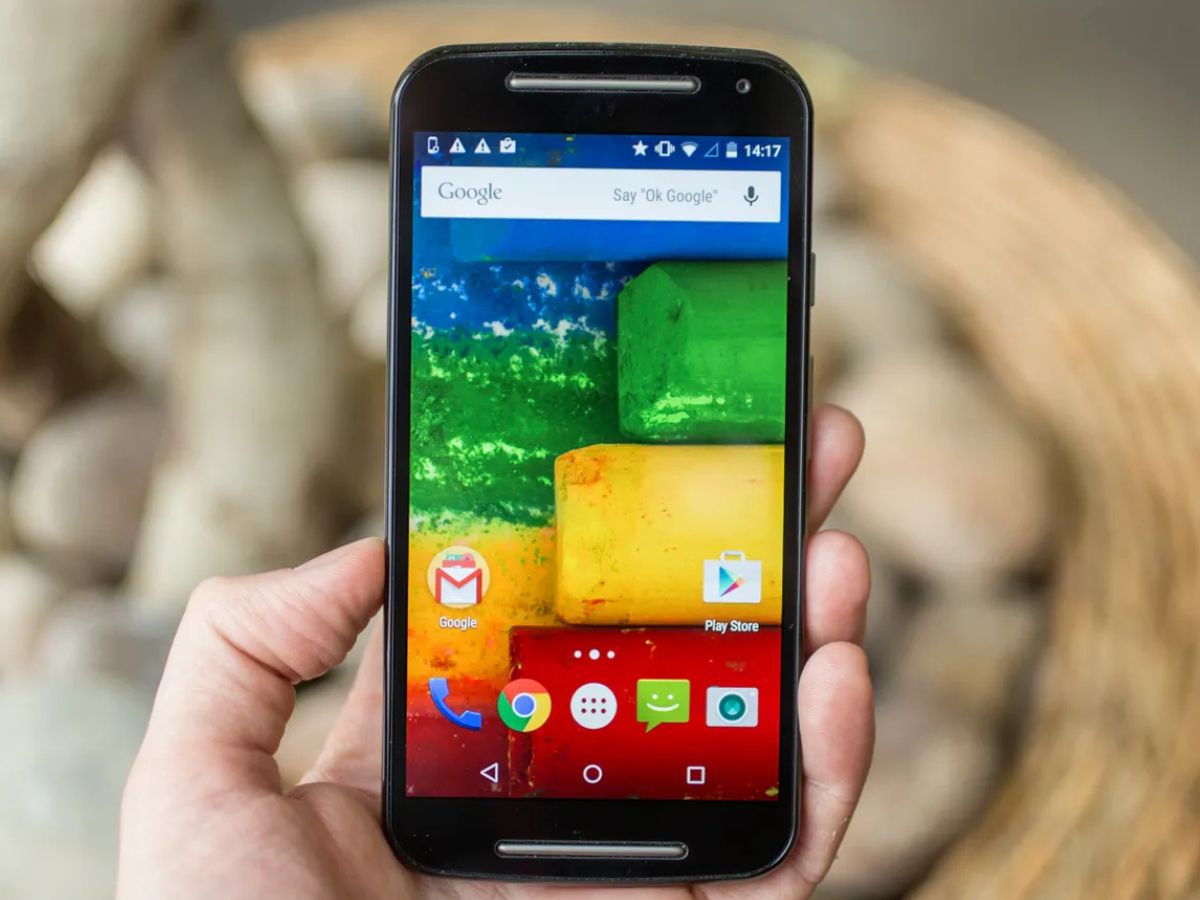
To change the SIM card on your Motorola Moto G, you use a side-mounted SIM tray and a SIM ejector tool, not by removing the back cover. This process is the same whether you need to switch carriers, replace a damaged card, or take SIM card out of Android for use in another device.
What you need before you start
- A SIM ejector tool or a small paperclip
- A compatible Nano-SIM card
- The phone powered off (recommended to avoid damage)
Locate the SIM tray on your Moto G
The SIM tray is on the right side of most Moto G models, including the Moto G 5G and Moto G Power. Look for a small pinhole on the side edge, that marks the tray. The exact location can vary by model, so if you don’t see it on the right, check the left side or consult your model’s support page.
Eject the SIM tray
- Place the phone on a flat surface.
- Insert the SIM tool into the small hole in the tray.
- Gently push until the tray pops out.
This follows Motorola’s documented steps for all Moto G models. Do not force the tool, if it resists, double-check you’re in the correct hole.
Insert or replace the SIM card
- Place the Nano-SIM in the tray with the gold contacts facing down.
- Align the notched edge of the card as shown on the tray’s outline.
- If your model supports dual SIMs, you can insert a second SIM into the adjacent slot. On some Moto G models, Motorola says to check dual-SIM support in Settings > About phone > SIM Status; if you see SIM Slot 1 and SIM status (SIM slot 2), the phone supports two physical SIMs.
On some newer Moto G models, the second slot may support an eSIM instead of a physical card.
Push the tray back in
- Slide the tray back into the phone until it clicks flush with the side.
- Power on the device.
The phone should recognize the SIM automatically. If you’re switching carriers, you may need to enter a PIN or unlock code provided by your new carrier.
Set up dual SIMs if your model supports them
To manage dual SIMs, go to Settings > Network & Internet > SIMs and mobile network. Here you can turn a SIM off or on by tapping next to the SIM name. For a 2026 Moto G model, only the owner of the phone can access dual-SIM settings.
Troubleshooting common issues
- No SIM icon in the notification bar: This appears when no SIM is detected. Remove the tray, reseat the card with gold contacts down, and reinsert.
- Tray won’t eject: Ensure you’re using the correct tool and pushing straight into the pinhole. If the tray is stuck, do not force it, contact Motorola support.
- SIM not recognized after insertion: Power off the phone, remove the tray, check that the Nano-SIM is properly aligned and not damaged, then reinsert and power on.
- Removing an SD card: If your model combines the SIM and SD card in one tray, AT&T says to unmount the memory card first: Home screen > swipe down with two fingers > Settings > Storage > storage drop-down > SD card > Menu icon > Eject.
Frequently Asked Questions
Do I need to power off my Moto G before changing the SIM?
Yes, it is recommended to power off the phone to prevent potential damage to the device or SIM card. This also ensures the phone properly detects the new card when it restarts.
Will changing the SIM card affect my data or settings?
No, changing the SIM does not affect your apps, photos, or settings. However, if you switch carriers, your phone number and mobile data plan will change to match the new SIM.
What SIM size does the Motorola Moto G require?
All modern Moto G models use a Nano-SIM. If you have a larger SIM (Micro or Standard), you will need to cut it down or get a replacement Nano-SIM from your carrier.
Can I use my Moto G with a different carrier after changing the SIM?
Yes, most Moto G phones are unlocked and work with any compatible carrier. Check your model’s network bands and confirm with the new carrier that your device is supported. If you need to change the SIM card in an iPhone, the process is different, iPhones also use a side tray but may require a different tool or have eSIM-only models.