




To turn off magnifier on your screen instantly, press the Windows logo key + Esc. This keyboard shortcut immediately closes the Magnifier tool, returning your display to its normal view.
How to turn off magnifier on your screen instantly
The fastest solution is using a keyboard shortcut. Press the Windows logo key and the Esc key at the same time. If the standard shortcuts don't work, try the alternative keyboard shortcut: Windows logo key + ESC + Enter. As an alternative, look for the small rectangular Magnifier pop-up window on your screen and click the X (close button) in its top-right corner. Either method will remove the magnifier immediately.
Turn off magnifier from the taskbar
If you prefer using your mouse, you can close Magnifier directly from the taskbar. Locate the Magnifier icon in the system tray area of your taskbar (it typically looks like a magnifying glass). Right-click this icon, then select Exit or Close from the menu that appears. This will shut down the magnifier without needing to navigate through settings.
Disable magnifier through Windows Settings
To turn off the magnifier and prevent it from reactivating, you can disable it through Windows Settings. Follow these steps:
- Open the Start menu and click the Settings gear icon.
- Navigate to Accessibility, then select Magnifier from the menu.
- Toggle the Magnifier switch to the Off position.
While in these settings, you can also adjust the zoom level and choose between the three available views: Full screen (magnifies the entire display), Lens (a magnifying glass follows your mouse), and Docked (a magnified area stays fixed in one position). To uninstall the magnifier software completely, go to Control Panel > Programs and Features, locate the magnifier application, and select Uninstall.
What if I'm on a Mac?
On macOS, screen zoom is controlled through the Accessibility settings. To turn off screen zoom, go to the Apple menu, select System Settings, click Accessibility in the sidebar, then click Zoom. From there, you can disable the zoom feature entirely or adjust the relevant settings to your preference.
What if I'm on Linux?
For GNOME-based Linux distributions, you can disable the screen magnifier using a command-line method. Open a terminal and run the following command:
gsettings set org.gnome.desktop.a11y.applications screen-magnifier-enabled false
This command turns off the screen magnifier immediately and will persist until you re-enable it.
Frequently Asked Questions
How did the magnifier get turned on?
Magnifier in Windows is activated by pressing the Windows logo key + Plus sign (+). You may have accidentally pressed this key combination, which instantly enables the tool. It is a common occurrence when typing or cleaning your keyboard.
How do I adjust the magnification level?
While Magnifier is active, press the Ctrl key plus the Plus sign (+) to zoom in, or the Ctrl key plus the Minus sign (-) to zoom out. You can also use the slider in the Magnifier settings under Start > Settings > Accessibility > Magnifier.
How do I use the magnifier intentionally?
To use the magnifier when you need it, press the Windows logo key + Plus sign (+) to turn it on. You can then switch between Full screen, Lens, and Docked views using the settings menu or the Magnifier toolbar. This is helpful for reading small text or examining details.
Can I turn off magnifier on Xbox?
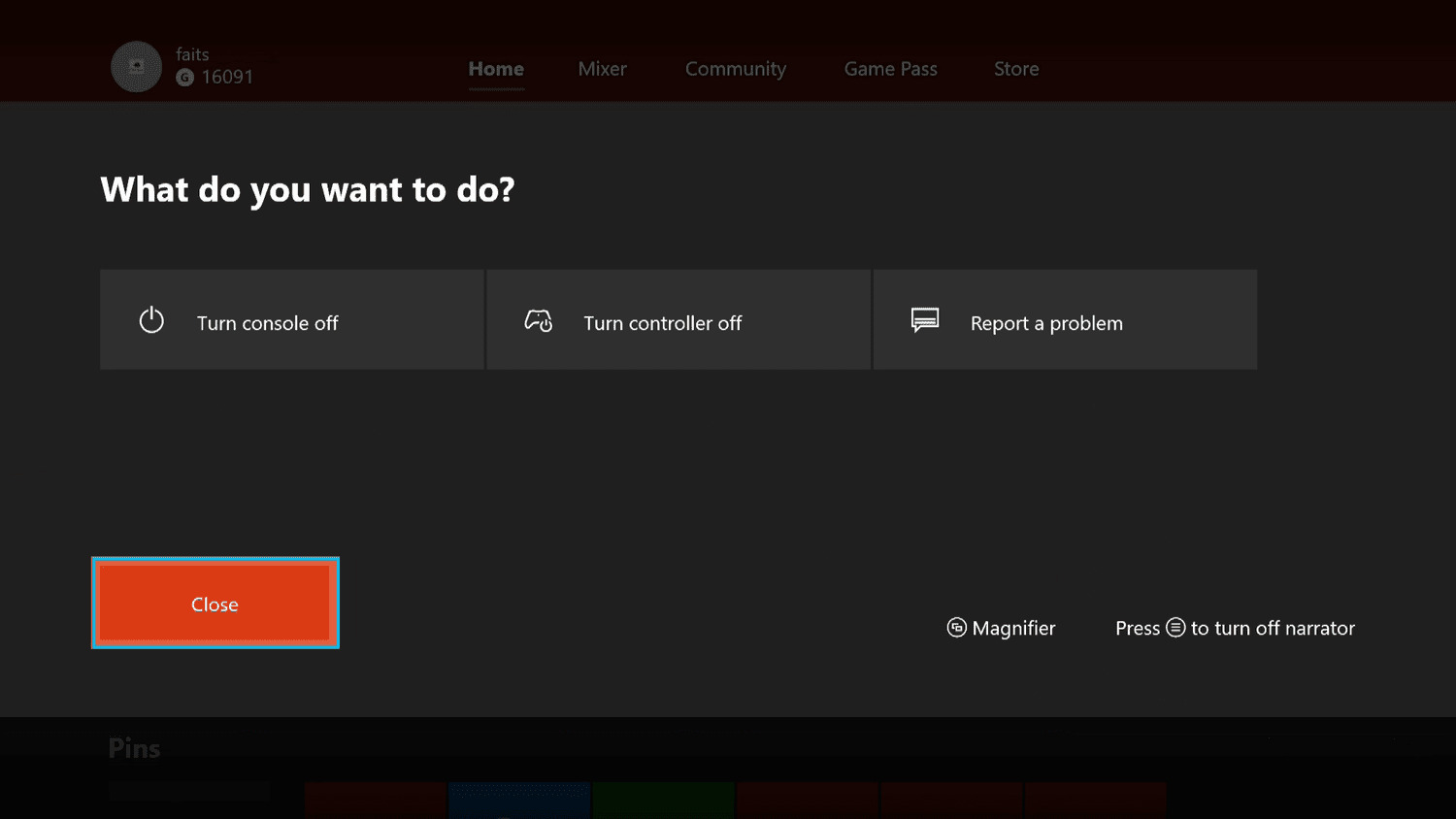
Yes, you can turn off magnifier on Xbox by pressing the Xbox button on your controller to open the guide, then navigating to Profile & system > Settings > Accessibility > Magnifier and toggling it off. The keyboard shortcut Windows logo key + Esc also works if you have a keyboard connected to your Xbox.
Can the screen magnifier be permanently disabled?
Yes, you can permanently disable the magnifier by going to Start > Settings > Accessibility > Magnifier and toggling the Magnifier switch to Off. This prevents it from launching when you press the keyboard shortcut or use navigation gestures. You can always re-enable it later if needed.
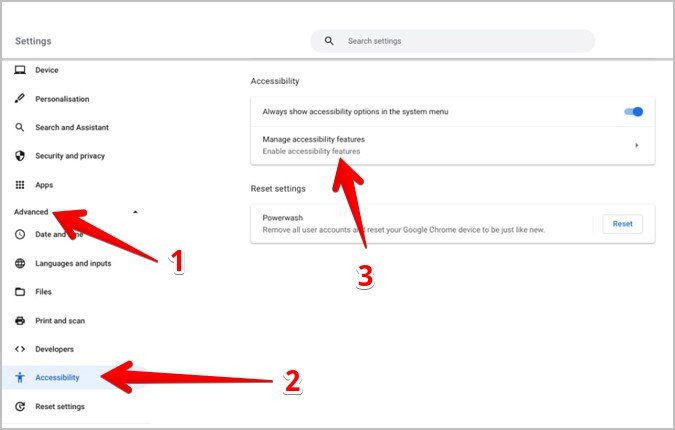
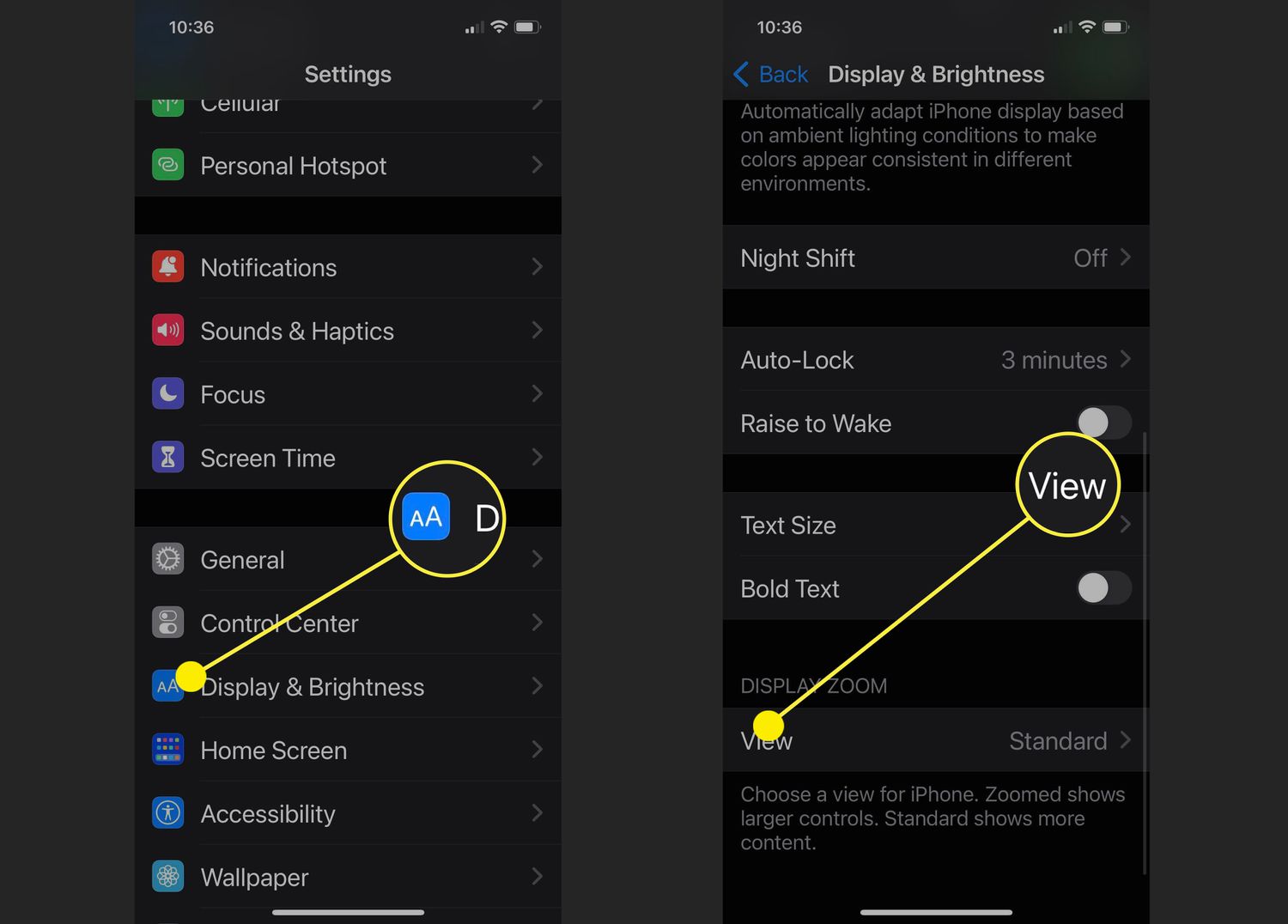
Is the screen magnifier available on all devices?
Availability varies by operating system and device model. While most desktop and mobile platforms include a built-in magnifier, some older or specialized devices may not have this feature.