




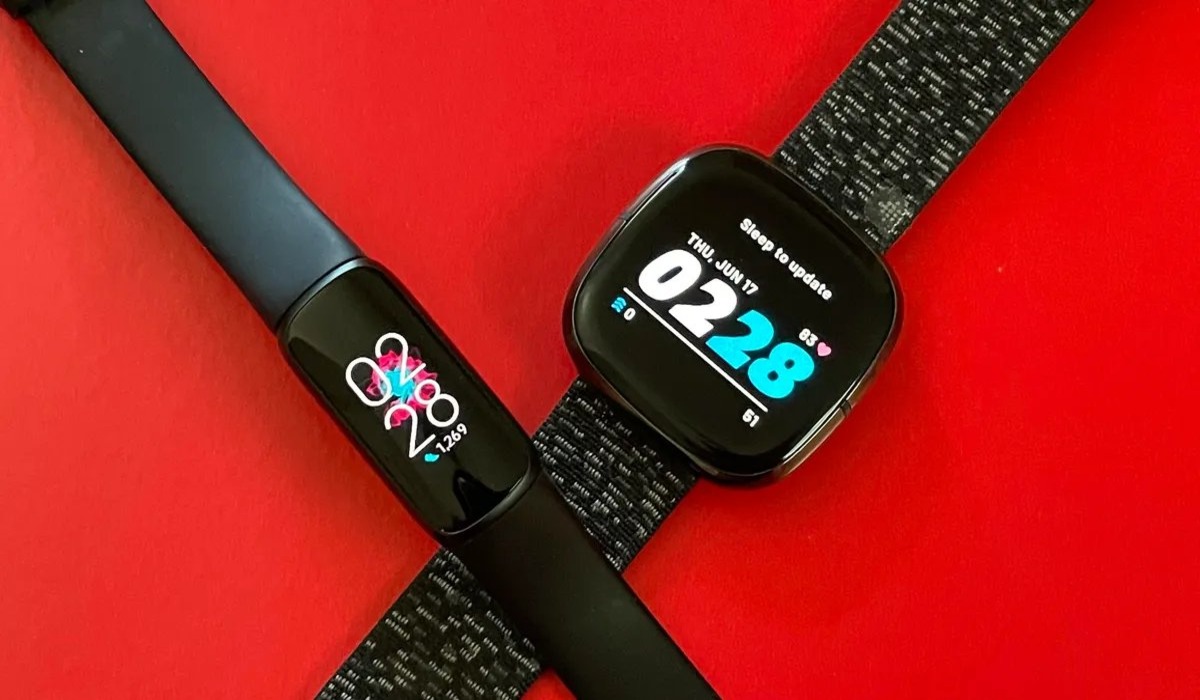
Which Fitbit is best for Afib? The Fitbit Sense and Versa 3 are the strongest documented options for irregular rhythm notifications, with all four models, Sense, Versa 3, Charge 4, and Inspire 2, equally capable when running the correct firmware. This feature is a software-based irregular rhythm notification system, not a hardware ECG, meaning compatibility depends on firmware and country availability rather than the device's physical sensors.
Supported Fitbit models for AFib detection
Fitbit Sense and Versa 3 are the flagship devices explicitly listed on Google's current support page, while Charge 4 and Inspire 2 also qualify if updated.
- Fitbit Sense: firmware version 44.128.6.12 or higher
- Fitbit Versa 3: firmware version 36.128.6.12 or higher. Uses PurePulse 2.0 technology for heart rate tracking. Water-resistant and can track swimming sessions.
- Fitbit Charge 4: firmware version 44.1.100.43 or higher. Has built-in GPS for tracking outdoor activities without phone. Battery lasts up to seven days depending on usage.
- Fitbit Inspire 2: firmware version 44.1.124.34 or higher. Battery lasts up to 10 days on a single charge.
How to set up irregular rhythm notifications
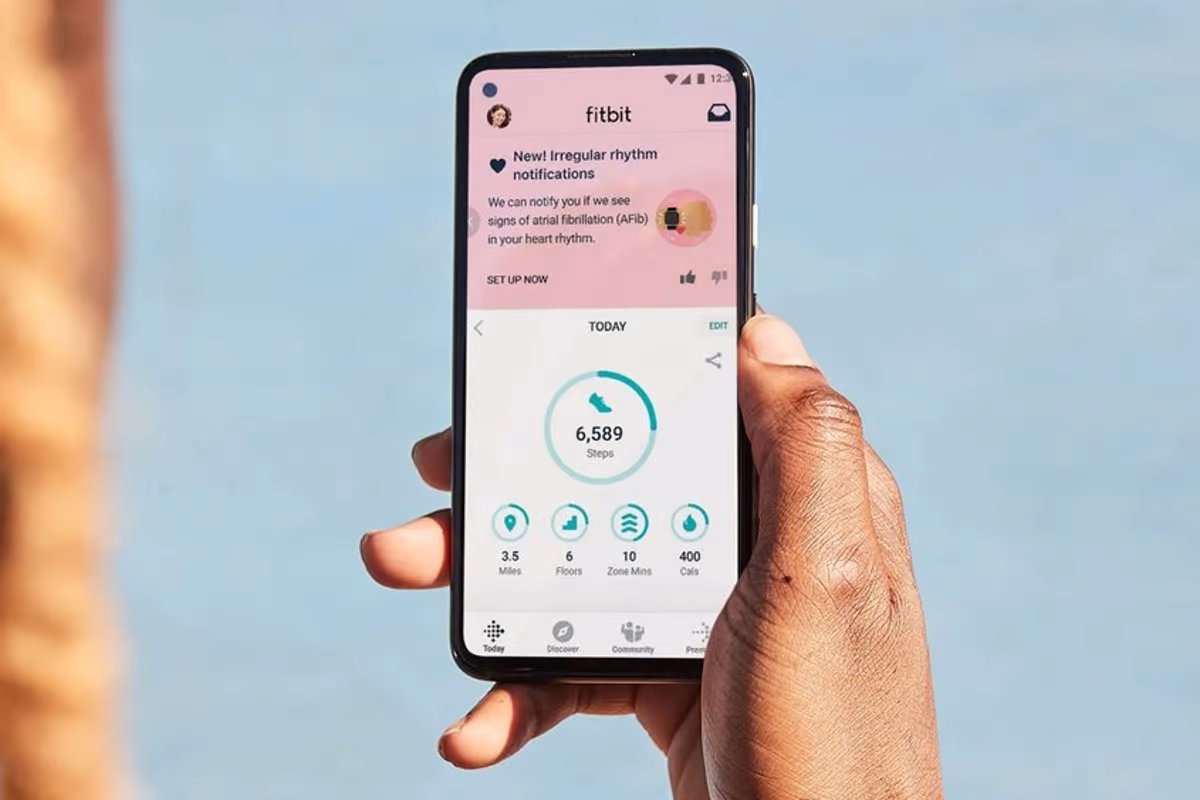
Set up the feature directly in the Fitbit app using either of these paths:
- Open the Fitbit app on your phone.
- Go to the Heart tile or the Discover tab.
- Select Irregular Rhythm Notifications.
- Follow the prompts, which include eligibility checks and consent steps, to complete setup.
The feature also appears under Assessments and Reports in the Discover tab, but the Heart tile path is the most direct route.
What the feature can and cannot do
Irregular rhythm notifications are designed to identify episodes of irregular heart rhythms suggestive of atrial fibrillation. The feature is a software-only mobile medical application that works with compatible wrist-worn products. It does not diagnose AFib or any other medical condition. Availability depends on your device's firmware version and your country's eligibility. Google explicitly states the feature is not available on all Fitbit devices, and the supported models are listed on their official support page. No documented limits exist for per-day readings, scan intervals, or carrier requirements. Fitbit Sense offers an EDA sensor for measuring body's response to stress and provides guided breathing exercises and mindfulness sessions for stress management. Fitbit Inspire 2 offers on-the-spot ECG by placing finger on device's sensor and measures sleep stages including light, deep, and REM sleep. Fitbit Charge 4 offers guided breathing exercises to manage stress levels.
How to check your Fitbit model and firmware version
To confirm your device supports irregular rhythm notifications, you need to know both your Fitbit model and its current firmware version. For detailed identification steps, refer to the "Fitbit support and ownership help" (Fitbit Support, Repairs and Device Identification) resources. In the Fitbit app, go to your device settings to find the model name and firmware number, then compare against the required versions listed above.
Frequently Asked Questions
Does Fitbit Versa 3 support AFib notifications?
Yes, if it is running firmware version 36.128.6.12 or higher.
Does Fitbit Sense support AFib notifications?
Does Fitbit Charge 4 support AFib notifications?
Yes, if it is running firmware version 44.1.100.43 or higher.
Does Fitbit Inspire 2 support AFib notifications?
Yes, if it is running firmware version 44.1.124.34 or higher.
Where do you turn on irregular rhythm notifications?
In the Fitbit app, go to the Heart tile or the Discover tab, then select Irregular Rhythm Notifications.
Is this feature a diagnosis of AFib?
No. Google states the feature is intended to identify episodes suggestive of AFib and provide a notification, not to diagnose atrial fibrillation or any other condition.