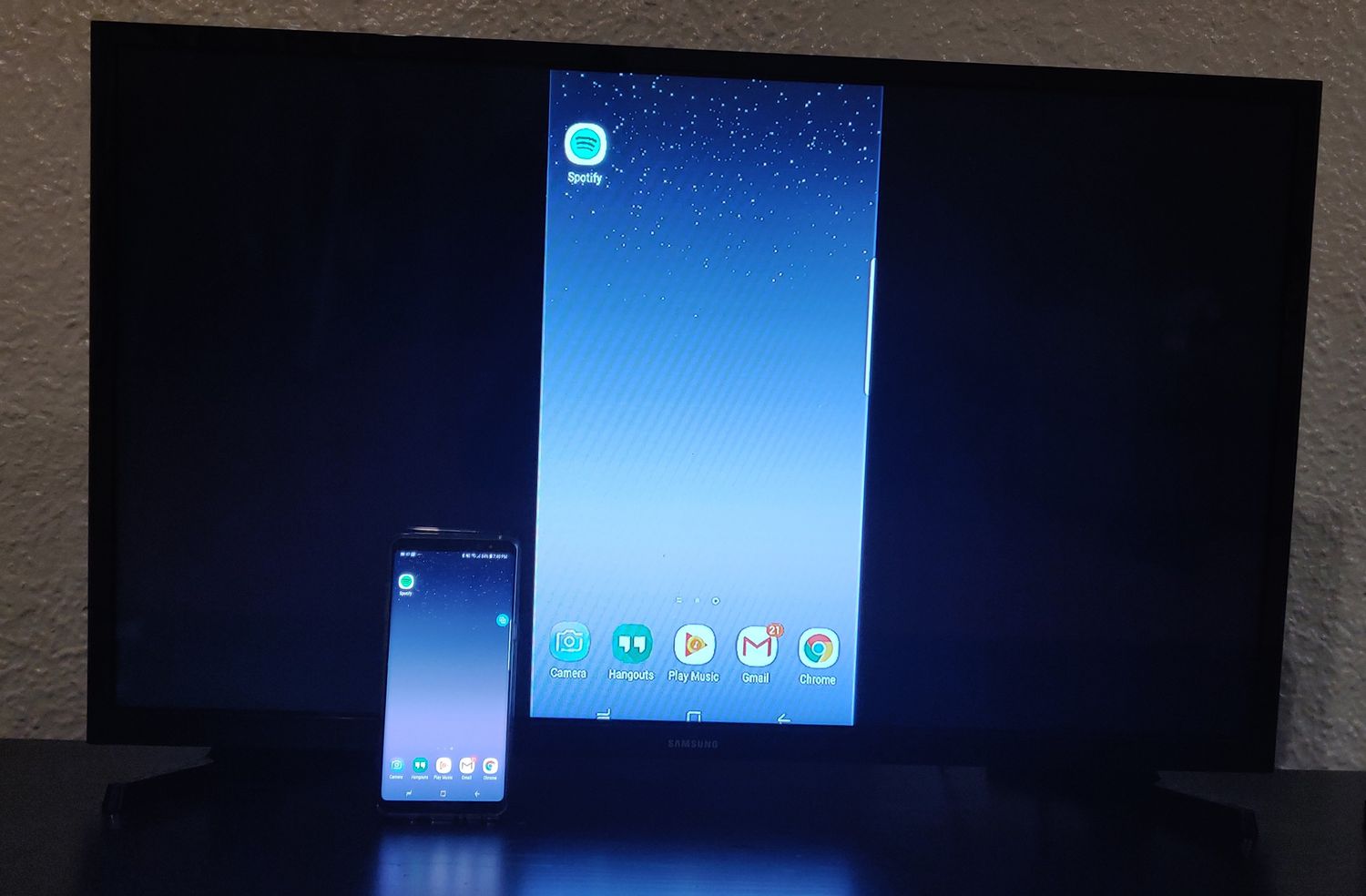




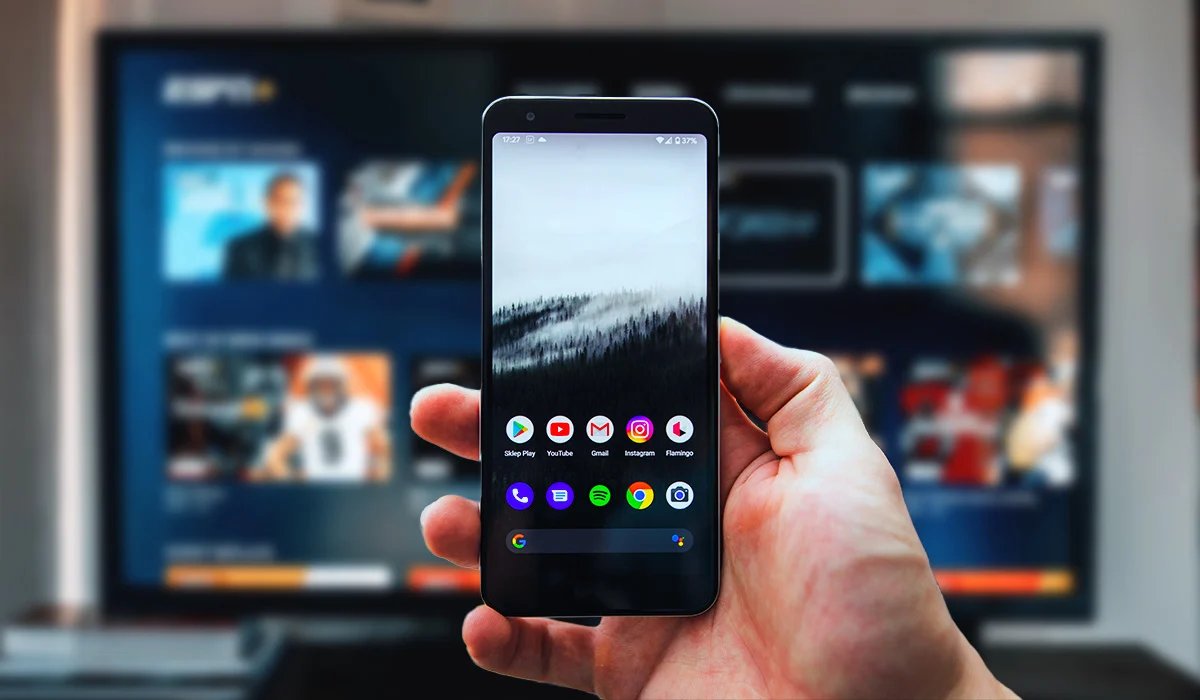
To mirror Android to Roku, use your device's built-in screen mirroring feature, which wirelessly displays your entire phone or tablet screen on your Roku-connected TV. This method lets you share photos, play mobile games, or use apps on a bigger screen without any extra hardware.
How to mirror Android to Roku with built-in features
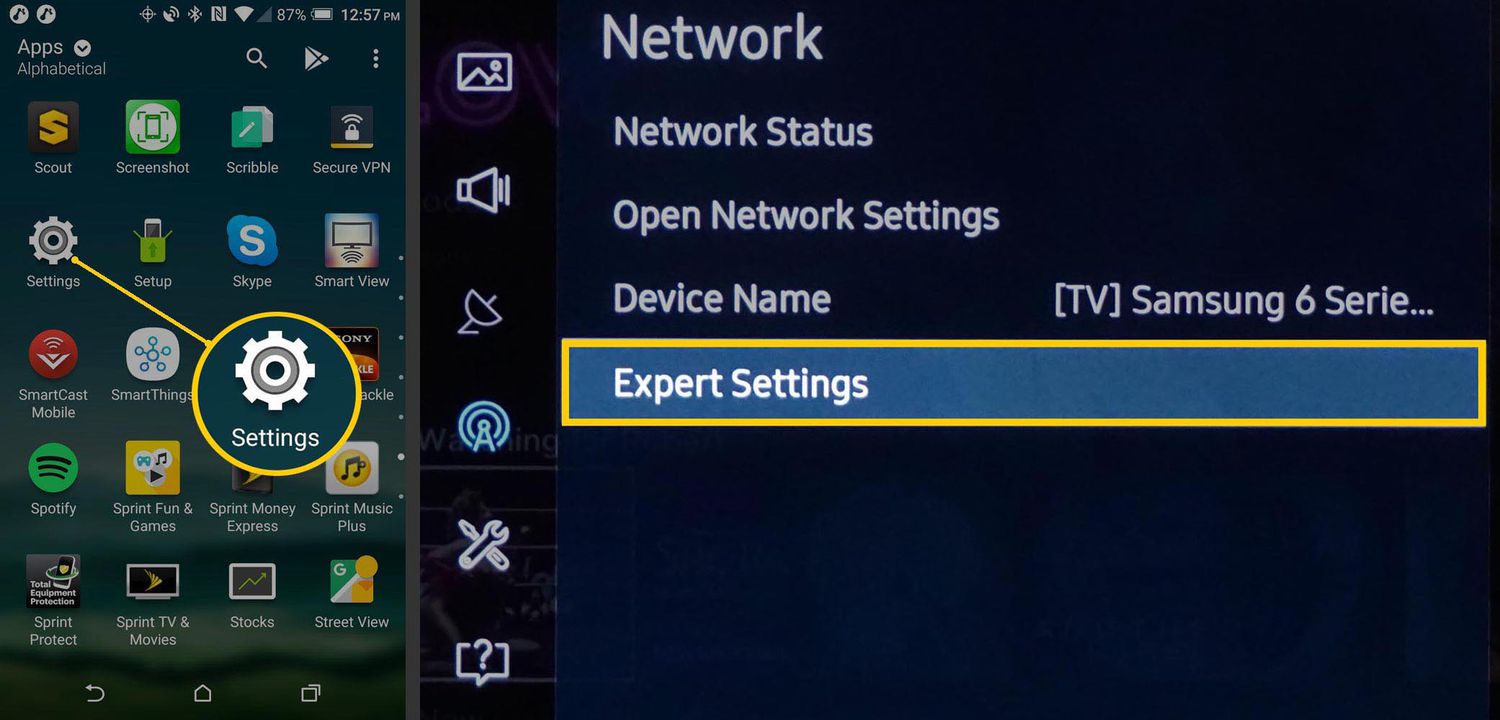
- On your Roku, go to Settings > System > Screen mirroring and set the mode to "Prompt" or "Always allow." Roku screen mirroring mode must be set to 'Prompt' or 'Always allow' in Settings > System > Screen mirroring.
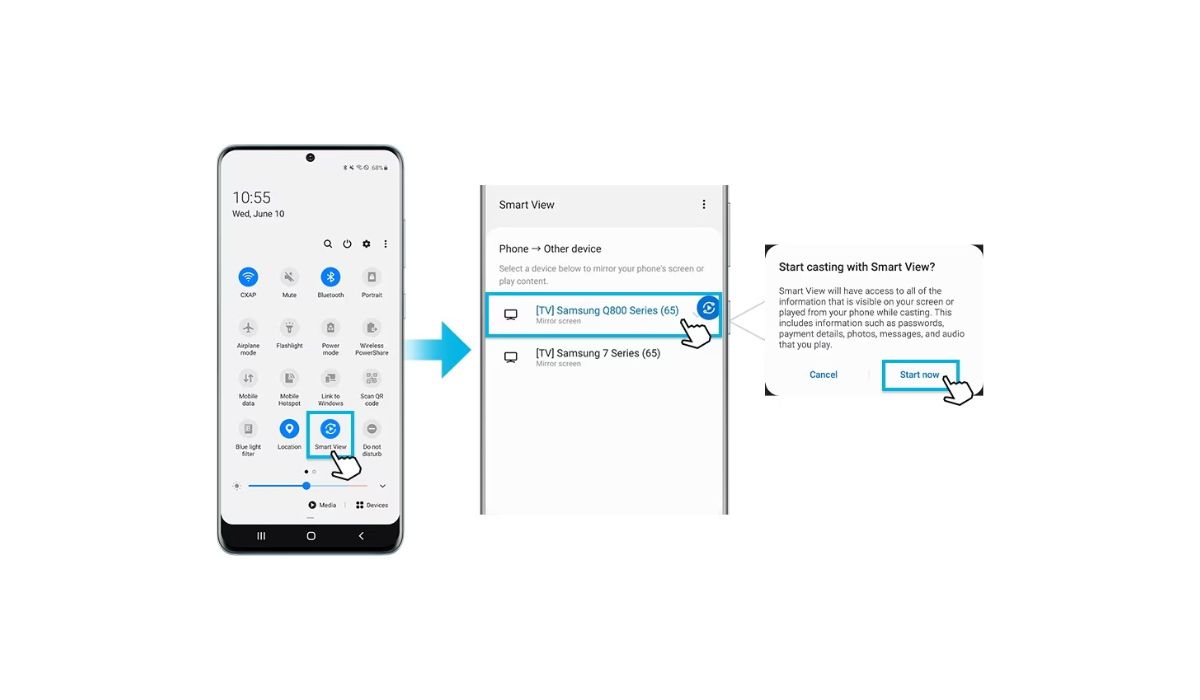
- On your Android device, swipe down from the top of the screen to open the Quick Settings panel.
- Tap the screen mirroring feature. Common names for this feature on Android devices include "Smart View" (Samsung), "Cast," "Screen Cast," "Wireless Display," "Screen Share," or "Screen Projection" (other brands).
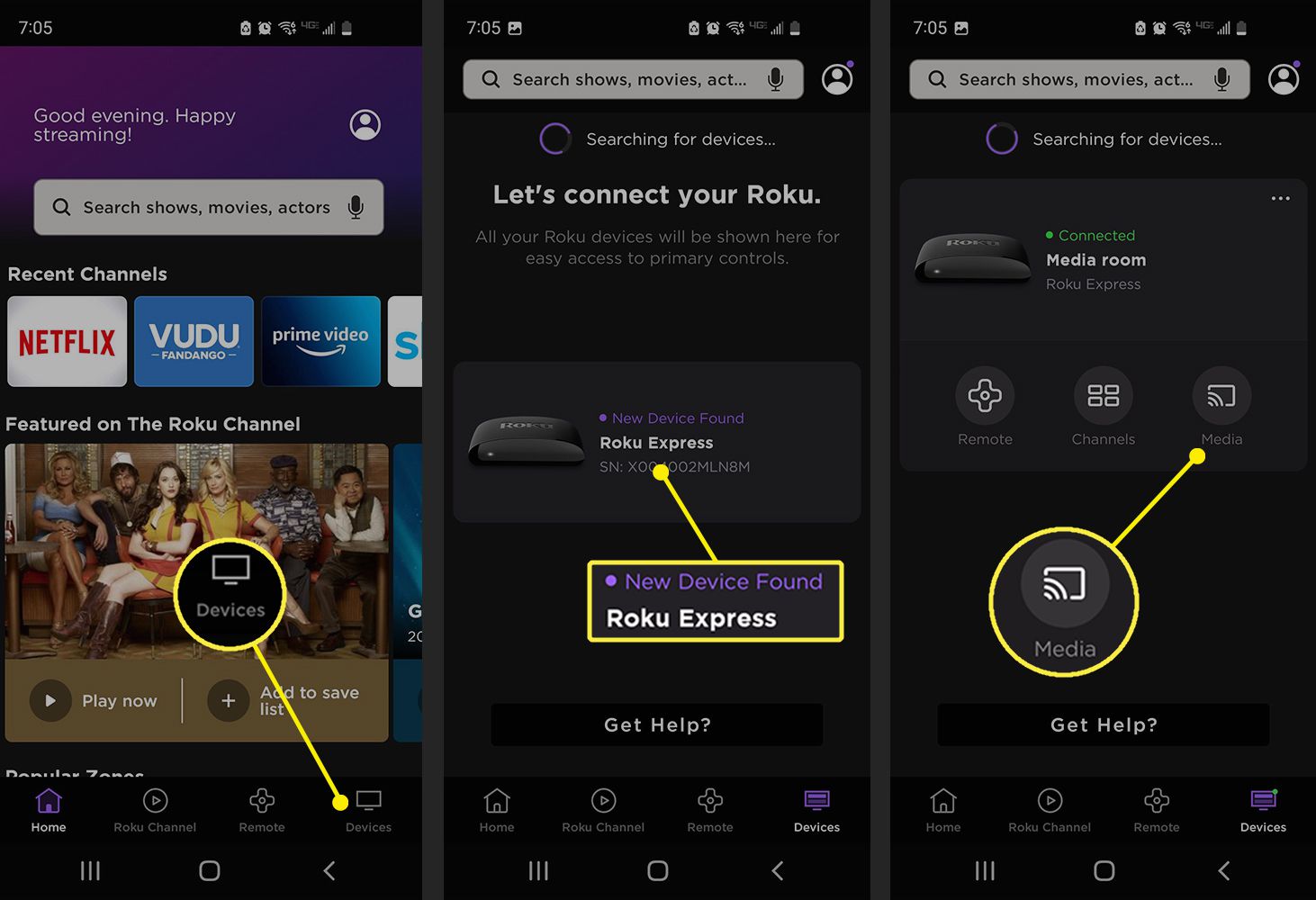
- Select your Roku device from the list of available devices.
- A request will appear on your TV screen; use your Roku remote to select "Allow" or "Always allow" to establish the connection.
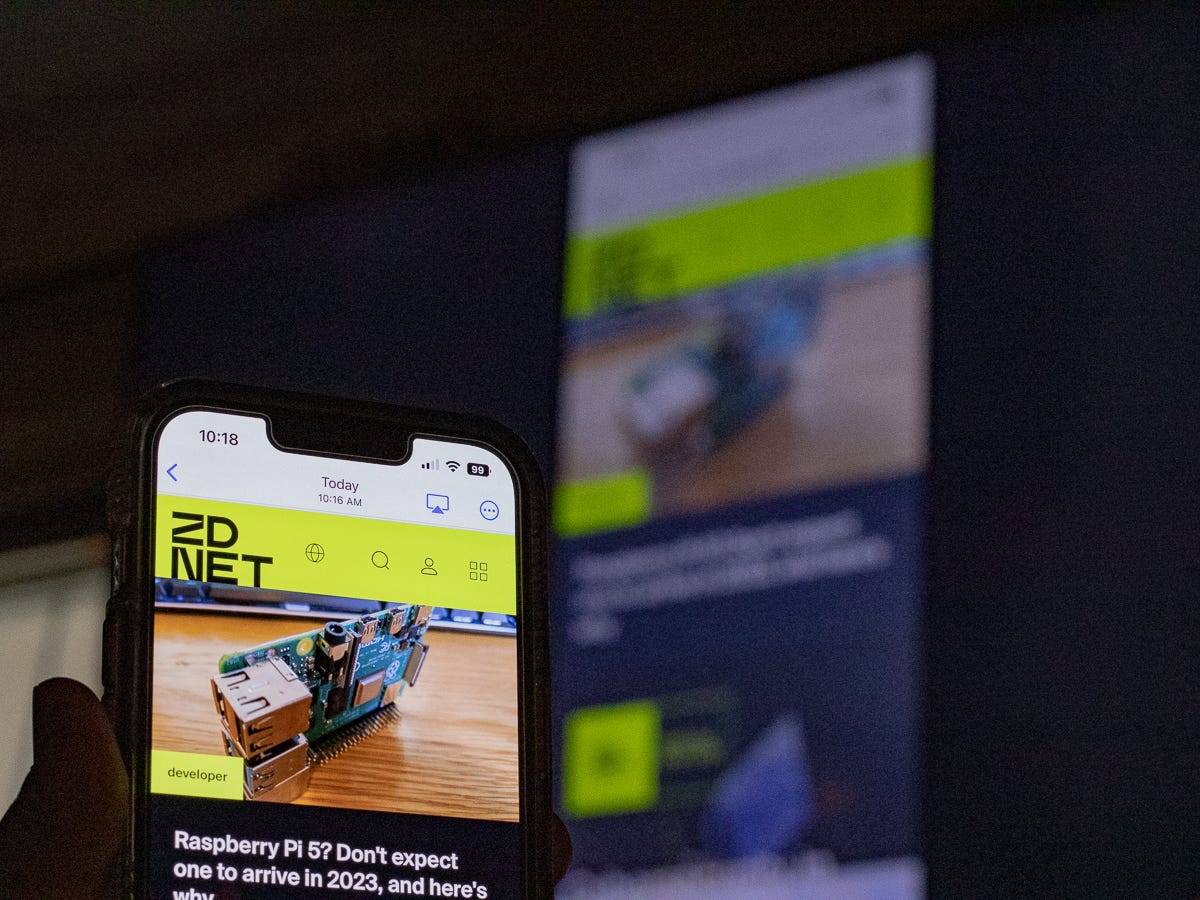
Once connected, your Android screen appears on your TV. This is how to screen mirror Android directly, and it requires your phone to stay powered on and actively displaying content for the duration of the session.
What's the difference between mirroring and casting?
Screen mirroring duplicates your entire Android screen, including apps, menus, and notifications, onto your Roku. Your phone must remain on and active the whole time. Casting, by contrast, sends specific media content (like a YouTube video or Netflix show) to the Roku, allowing your Android device to be used for other tasks or even powered off. Use mirroring when you want to show anything on your phone screen; use casting when you just want to play a video or song.
Why won't my Android mirror to Roku?
If the built-in method fails, check these common issues first. Most current generation Roku streaming players and Roku TV models support screen mirroring, but some older or basic models (e.g., Roku Express model 3700, Roku Express+ model 3710) do not. Verify that both devices are connected to the same Wi-Fi network. Android devices running version 10.0 or later generally support screen mirroring, as do Google-branded devices (like Nexus or Pixel) running OS 6.0 or later. Some apps or content may have restrictions on mirroring due to copyright or technical limitations. If everything checks out and mirroring still won't connect, third-party screen mirroring apps can be installed on both the Android device and Roku to facilitate mirroring as a reliable fallback solution. Third-party app example: AllCast can stream photos, videos, and music to Roku. Scrcpy is a free, open-source screen mirroring tool that can display Android screen on a computer, which can then use Roku as a secondary monitor.
Frequently Asked Questions
Does my Android version matter for screen mirroring?
Google-branded devices like Nexus or Pixel phones running OS 6.0 or later also work, contrary to some older information, these devices are fully compatible.
Will screen mirroring work with all Roku models?
No. Most current generation Roku streaming players and Roku TV models support it, but some older or basic models (such as Roku Express model 3700 and Roku Express+ model 3710) do not have screen mirroring capability.
Do I need any extra hardware to mirror Android to Roku?
No additional hardware is required. Both devices just need to be on the same Wi-Fi network. The built-in screen mirroring feature handles the connection wirelessly.
Can I mirror Android to Roku without Wi-Fi?
No. Screen mirroring between Android and Roku requires both devices to be connected to the same Wi-Fi network. There is no wired or Bluetooth-based alternative for this feature.
Can I mirror all the content of my Android device to Roku?
Related reading: How To Connect Samsung Phone To Roku TV and How To Mirror An Android Device To A Projector.