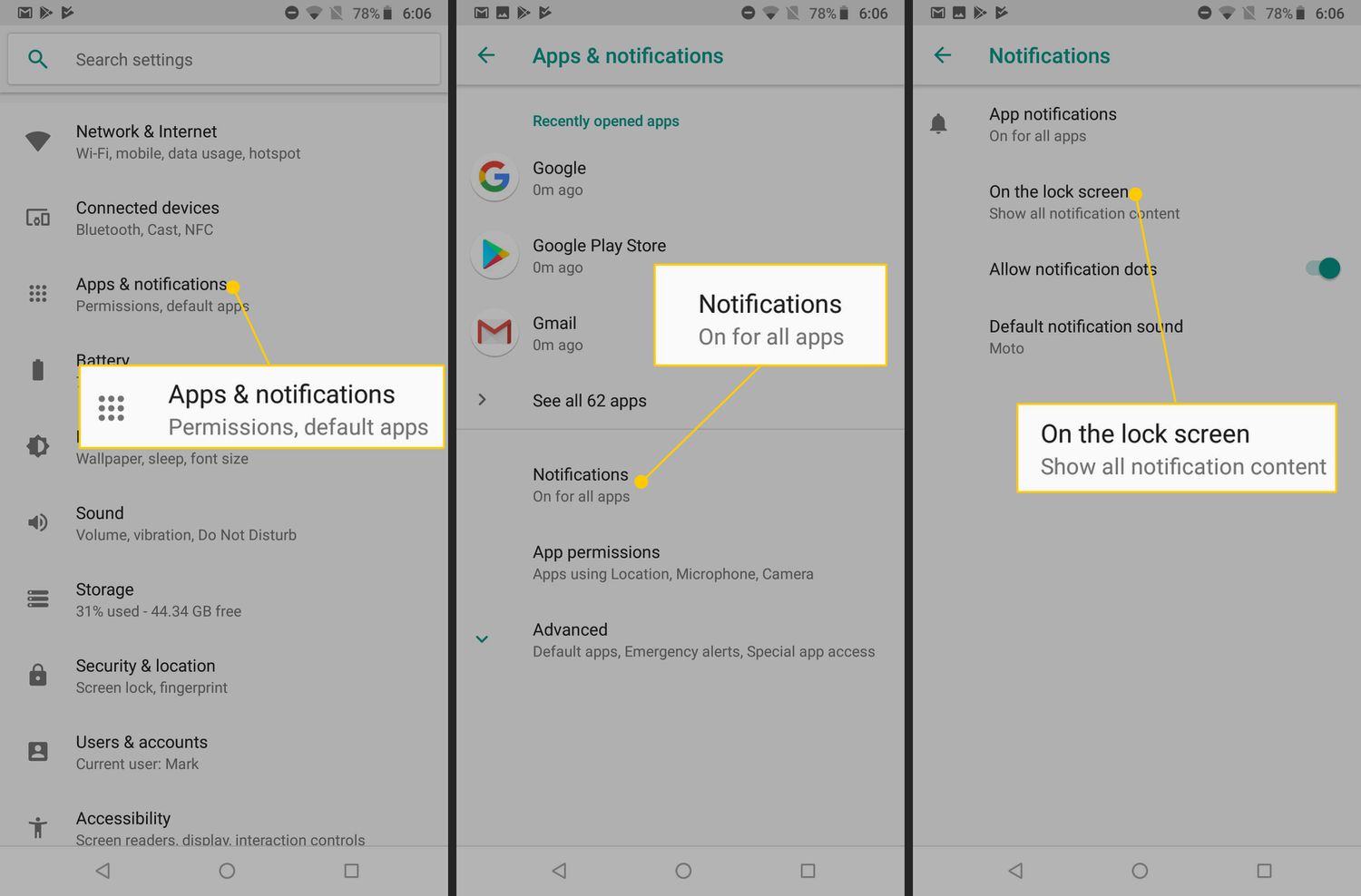





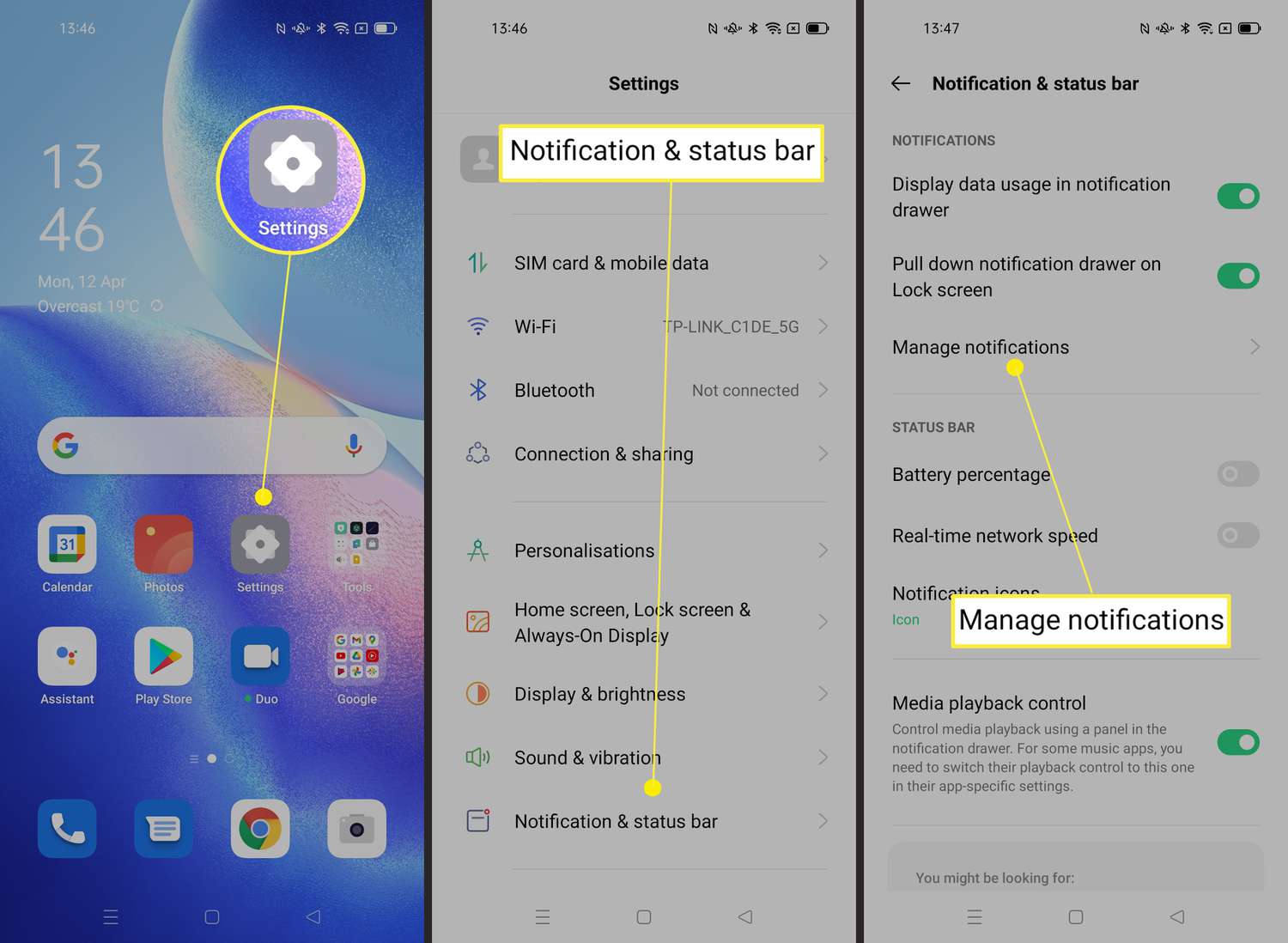
To turn off vibration on Android, you need to adjust separate controls for calls, notifications, keyboard taps, and touch interactions. The exact menu paths may vary by device maker and Android version, but Google documents the core settings in Settings > Sound and vibration or Settings > Accessibility > Vibration & haptics.
1. Disable vibration for calls
- Press a volume button on your phone.
- Tap the Menu icon (three dots or lines) at the right of the volume slider.
- Tap See more if that option appears.
- Turn off Vibrate for calls.
Alternatively, go to Settings > Sound and vibration > Vibration and haptics > Vibrate for calls and turn off the switch. This control stops your phone from vibrating when you receive an incoming call.
2. Turn off vibration for notifications
- Open Settings.
- Go to Accessibility > Vibration & haptics.
- Find the Notification vibration control and turn it off.
Because Google does not give a single universal “off” label for every Android device, the exact switch name may vary by model or Android version. This setting stops vibration for incoming notifications.
3. Disable keyboard vibration
- Open Settings.
- Go to Sound and vibration > Vibration and haptics.
- Turn Keyboard vibration off.
This stops your phone from vibrating each time you tap a key on the on-screen keyboard.
4. Disable vibration for touch interactions
- Open Settings.
- Turn off Touch feedback.
You can also use the master control Use vibration & haptics to disable all vibration at once. Turning off touch feedback stops vibration for taps, swipes, and other screen interactions.
If you ever want to restore vibration, you can use the same paths to turn these settings back on. Understanding the vibration settings on your phone lets you control exactly when your device buzzes. If you later decide you want to turn on vibrate on phone, simply reverse the steps above. For those who also need to turn off notifications in Android (every version), the notification vibration control is separate from the sound and pop-up settings for each app.
iPhone steps that match the article topics
- Turn off vibration for message notifications specifically via Settings > Notifications > Messages > Sounds > Haptics, then tap None.
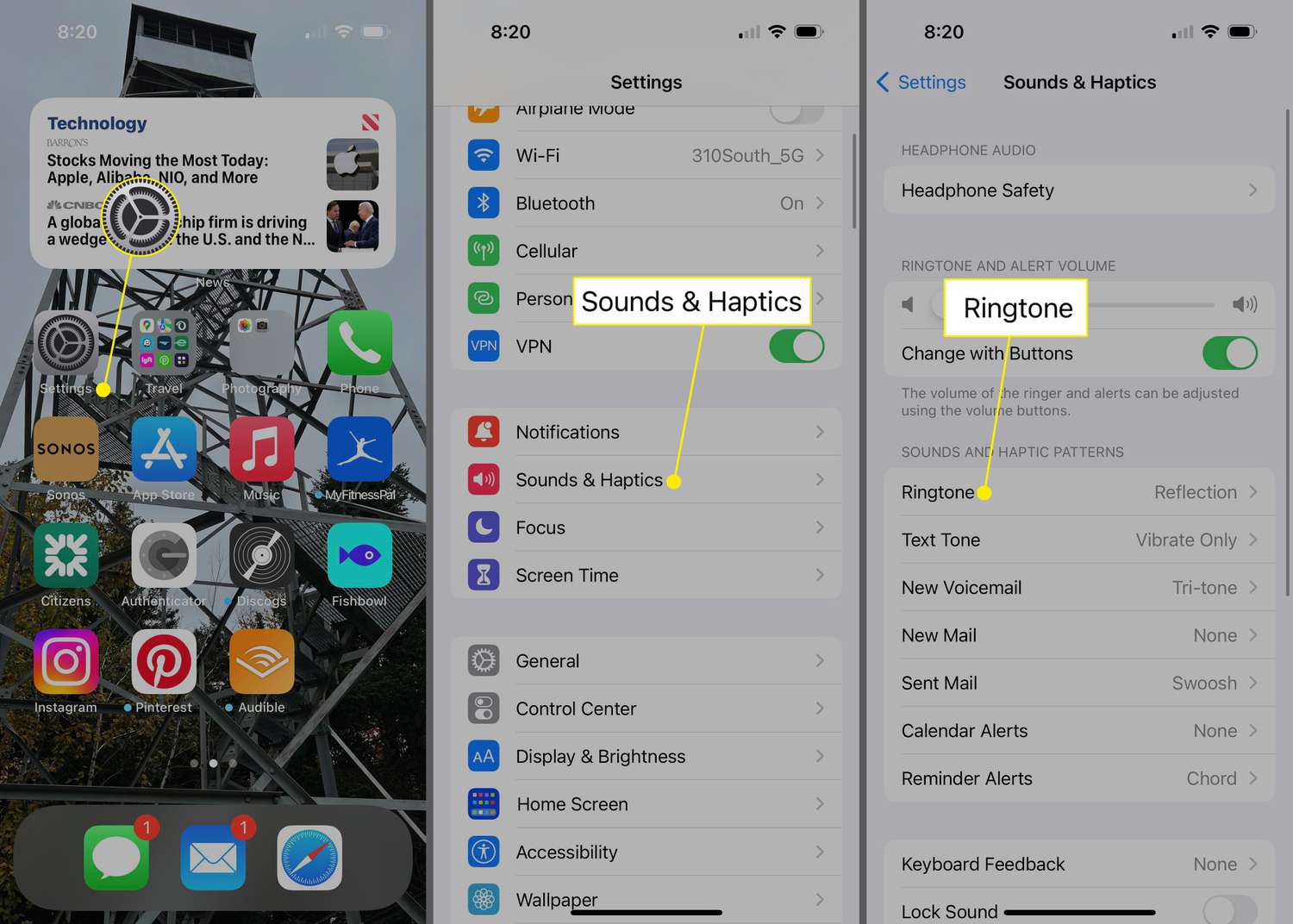
- Turn off vibration for specific alerts in Settings > Sounds & Haptics.
- Turn off all vibrations in Settings > Accessibility > Touch > Vibration.
Documented limits and device/version notes
- Turning off all vibration on iPhone also disables vibration for earthquake, tsunami, and other emergency alerts.
Frequently Asked Questions
Can you turn off only call vibration?
Yes. Use the Vibrate for calls setting described in section 1 to disable vibration for incoming calls while keeping vibration for notifications, keyboard, and touch interactions active.
Can you turn off notification vibration without disabling all vibration?
Yes. The Notification vibration control in Settings > Accessibility > Vibration & haptics lets you stop vibration for notifications while other vibration types (calls, keyboard, touch) remain on. The exact off behavior can vary by device.
Does turning off all vibration affect emergency alerts?
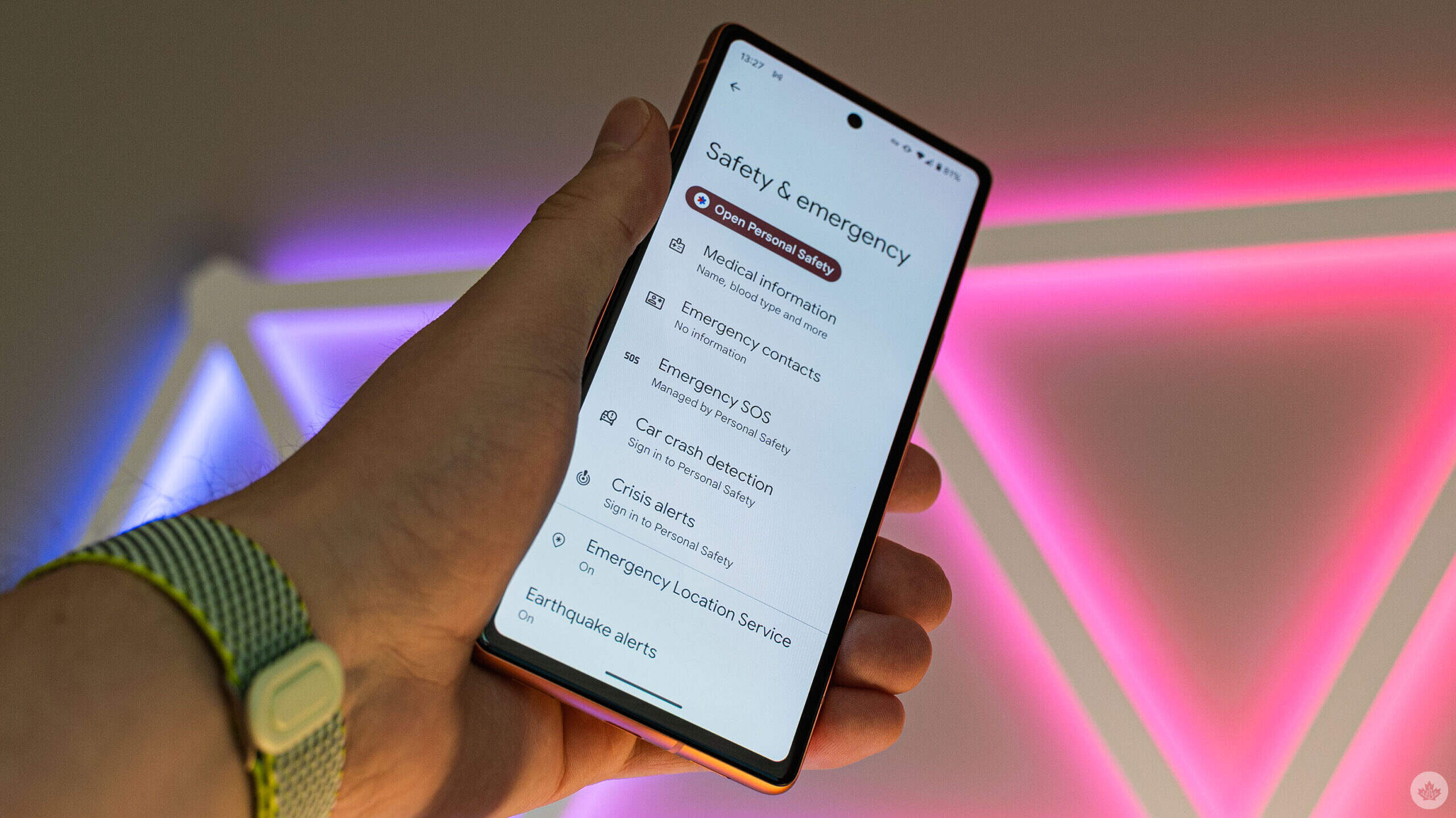
On Android, Google does not state that disabling vibration settings affects emergency alerts. However, on iPhone, Apple explicitly warns that turning off all vibration in Settings > Accessibility > Touch > Vibration also disables vibration for earthquake, tsunami, and other emergency alerts.
Why would I want to turn off vibration?
Disabling vibration can reduce distraction in meetings or quiet environments, conserve battery life since the vibration motor uses power, and create a more peaceful experience when you do not want tactile feedback.
Can I customize vibration for specific apps?
Android does not offer a universal system setting to disable vibration per app. Some apps provide their own vibration controls inside their notification settings, but the system-level vibration settings described above apply to all apps.