



Before you start: screen mirroring vs. casting vs. remote control
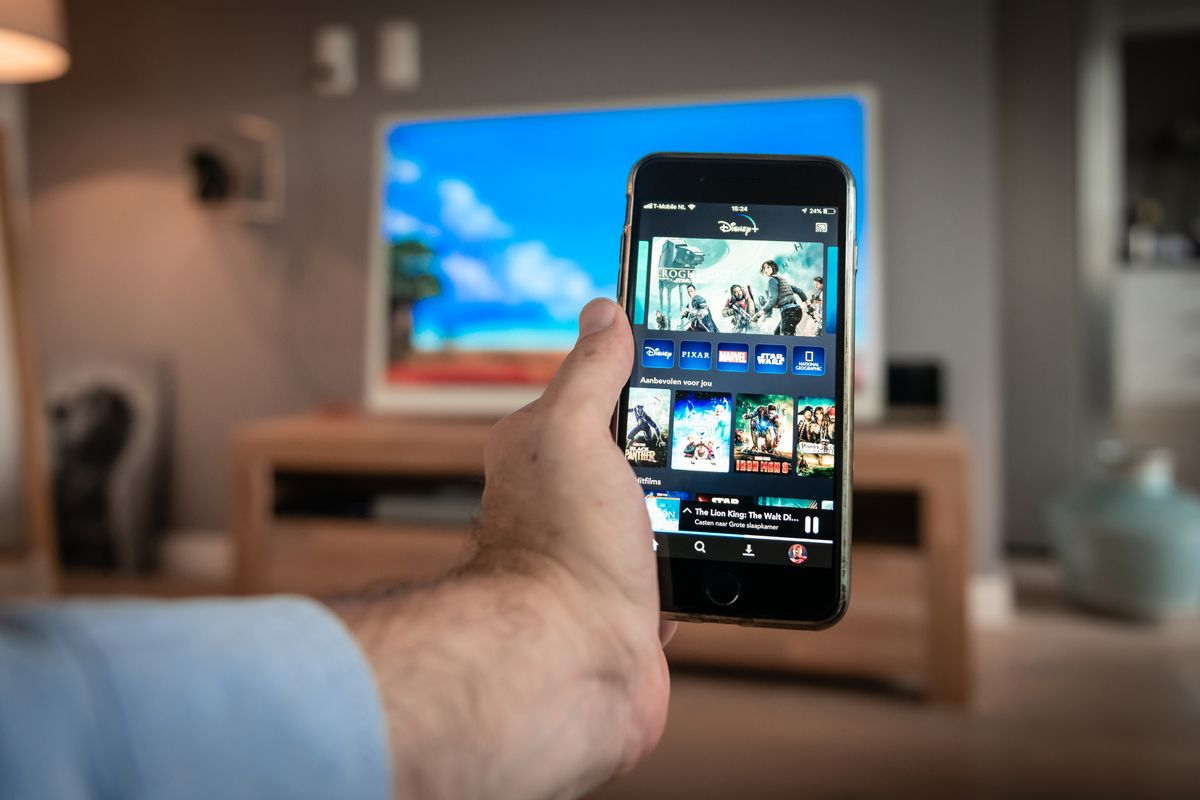
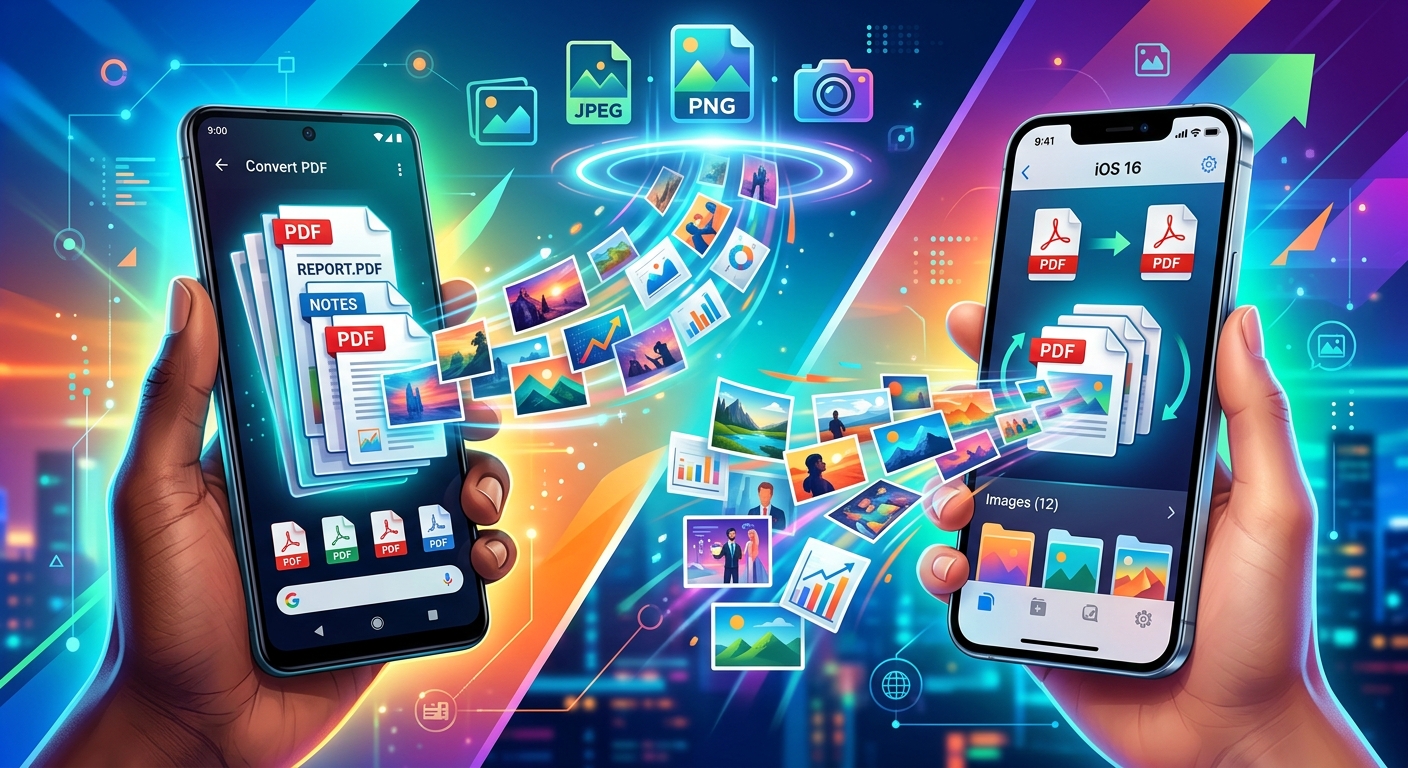
To screen mirror Android, you first need to know exactly what you want to do because the terms get mixed up constantly. True screen mirroring duplicates your entire phone display on the TV in real time, every app, notification, and swipe. That is different from casting, where you tap a cast icon inside an app like YouTube to send only that video, which frees up your phone for other tasks. It is also not the same as using your phone as a remote control, which just replaces the physical clicker. If you are trying to Bluetooth my phone to my Roku TV for mirroring, that path does not exist; Roku’s screen duplication for Android relies on a separate wireless protocol limited to compatible Android and Windows devices, not a Bluetooth pairing. For iPhone, you would instead open Control Center, tap Screen Mirroring, select your Roku from the list, then enter the AirPlay code if one appears on the TV.
- connect phone remote to Roku TV without Wi-Fi — How To Connect Phone Remote To Roku TV Without Wi-Fi
- connect iPhone to Roku TV Bluetooth — How To Connect iPhone To Roku TV Bluetooth
- Bluetooth my phone to my Roku TV — How To Bluetooth My Phone To My Roku TV
Mirror your Android screen to a TV or streaming stick
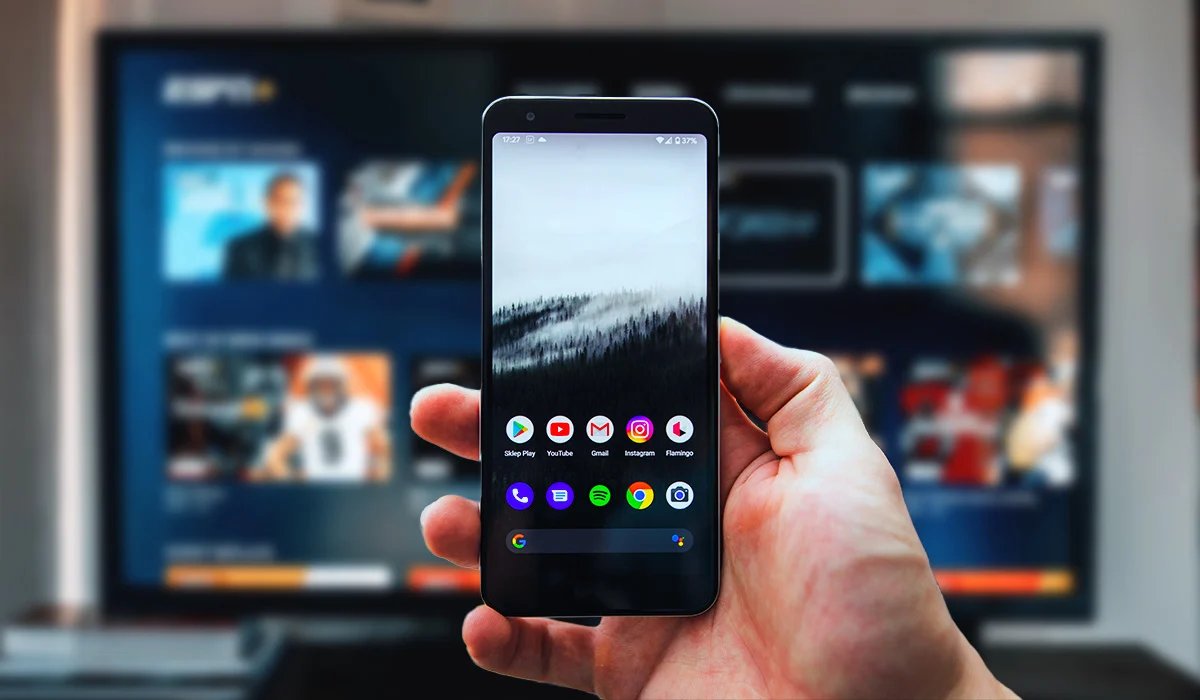
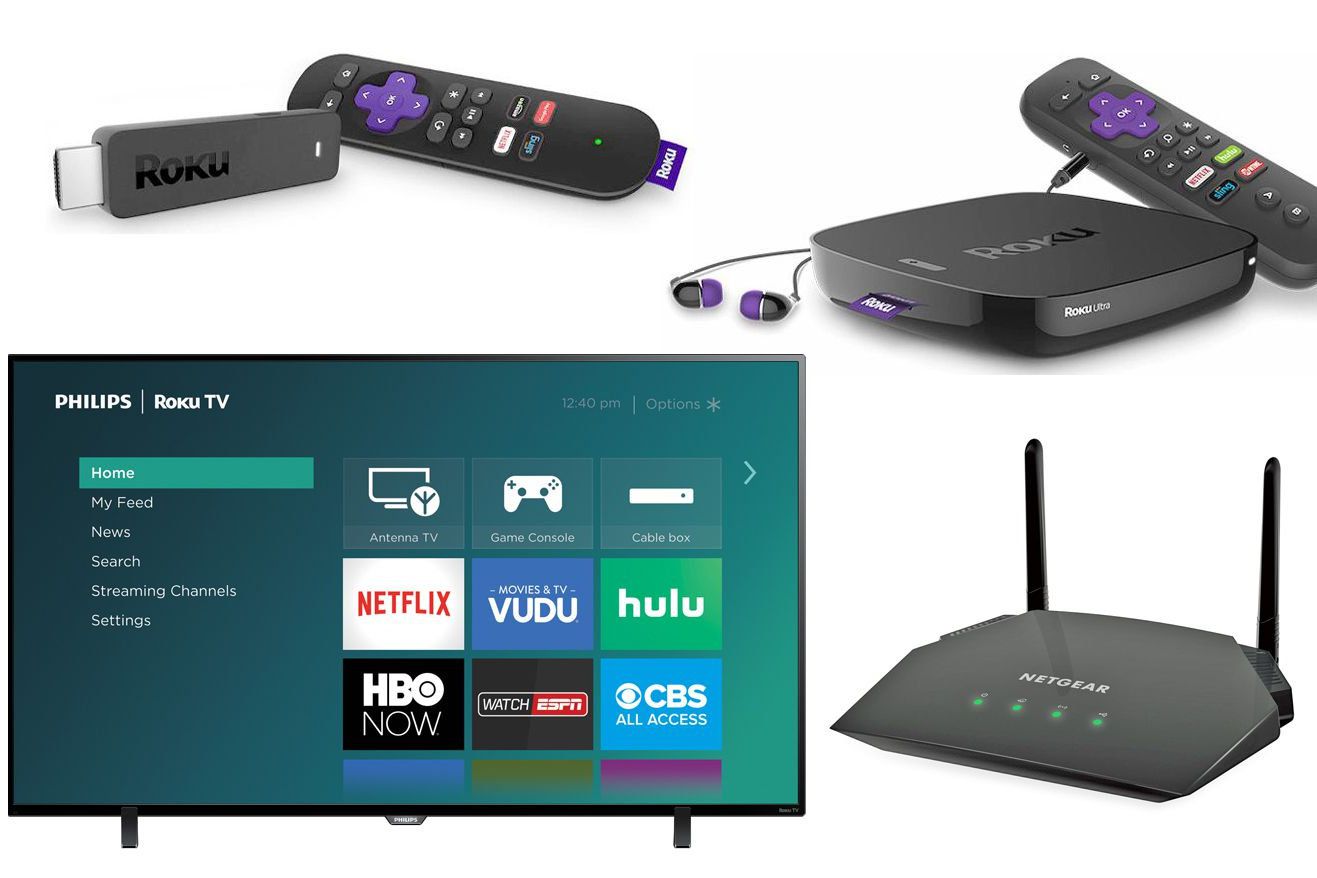
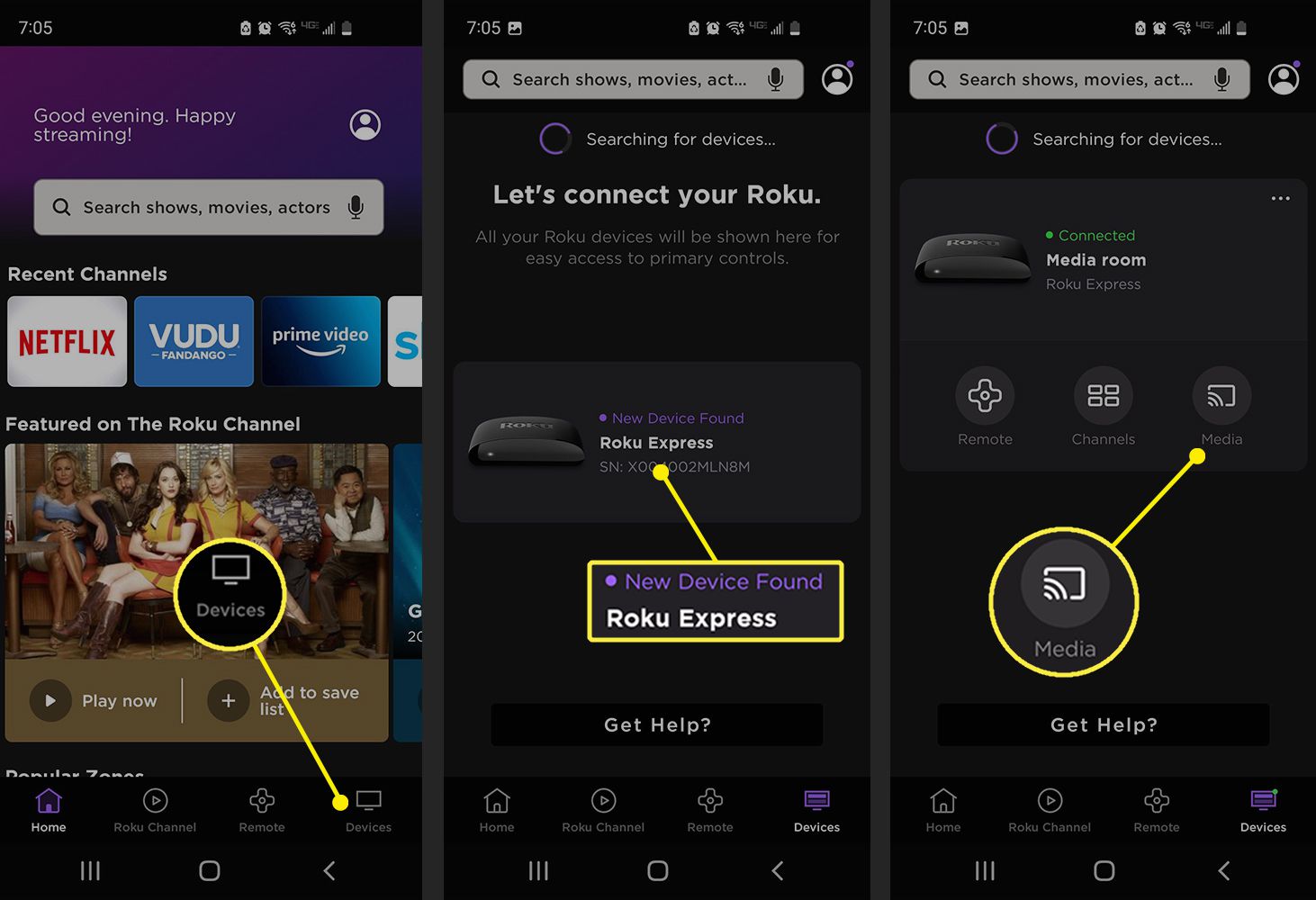
When you want to mirror Android to Roku, start on the TV itself. Open Settings > System > Screen mirroring > Screen mirroring mode and set it to Always allow or Prompt. Most current-generation Roku streaming players and Roku TV models support this function, though Google-branded devices like Pixel and Nexus running OS 6.0 or later are not likely supported under the general Android 10.0 or later rule. From your phone, pull down the status bar and tap Smart View, then pick your Roku from the list, making sure both devices are on the same network.
If you need to mirror Android phone to Fire Stick. To mirror my phone to my LG TV, swipe down from the top of the screen and look for Screen Share in the Notifications or Quick Settings panel, then select your LG television from the device list and accept the connection prompt on the TV. The retrieved LG pages document Android only for this feature.
Beyond these core setups, a handful of related tasks come up frequently. These include connecting a Samsung phone to a Roku TV, using the Roku remote app, and sharing a mobile hotspot with a television. Which one you need depends entirely on whether you are trying to display your screen, control the TV, or give it internet access. When you want to connect a phone to a LG TV without relying on wireless casting, a USB-C to HDMI cable provides the most stable link.
To connect Samsung phone to Roku TV wirelessly, use the Android Smart View flow: on the Roku, go to Settings > System > Screen mirroring > Screen mirroring mode and choose Always allow or Prompt. Then pull down the status bar and tap Smart View, select the Roku device from the list, and follow the on-screen prompts on the Roku to allow screen mirroring.
If your physical remote is lost, a connect phone Roku remote to TV setup path is not available. You can connect hotspot to your TV by turning on the mobile hotspot feature in your Android settings.
Mirror to a computer or another phone
When you need to see your Android screen on a laptop or desktop, you can mirror my phone to my Chromebook using the Phone Hub feature built into Chrome OS, which lets you view and interact with your phone's display directly on the Chromebook after a one-time setup. To establish that link, you first connect your phone to your Chromebook through the same Google account and a quick Bluetooth handshake in the settings, and the actual screen data then travels over Wi‑Fi or a local network connection. If you are working on an Apple computer, you can mirror phone to MacBook by installing a third-party receiver app, since macOS does not include a built-in receiver for Android's native casting protocol. For remote help or multitasking across mobile devices, you may need to share Android screen to another phone, and one reliable method is to use TeamViewer on your smartphone: open the app, go to Computers and sign in, enter the remote device's Partner ID, and press Remote Control. The remote phone must be running TeamViewer QuickSupport or Host on Android, or QuickSupport on iOS, making this setup work for providing support from a desktop, tablet, or another phone.
Connect your phone to a projector or external monitor
When you need a larger canvas for a presentation or a movie, you can take a wired approach that guarantees a stable connection. For an iPhone, Apple's Lightning Digital AV Adapter duplicates exactly what you see on your screen to any HDMI-equipped display at up to 1080p HD. This works immediately once the cable is plugged into a projector or external monitor. On the Android side, the built-in Miracast protocol is a common way to mirror an Android device to a projector wirelessly. You simply open your phone's screen mirroring feature and select the projector from the list of available devices.
Specific projector brands streamline this with their own menus. To connect phone to Vankyo projector without wires, set the projector to its screen-mirroring mode. Then on an iPhone, open Control Center and tap Screen Mirroring to pick the projector's name. If you prefer a cable, the projector's home screen offers an iOS Cable option that uses your original Lightning cord. A similar process works when you need to connect a phone to an Auking projector. The wireless casting receiver typically requires both the phone and projector to share the same Wi‑Fi network or a direct hotspot connection. For desktop-like productivity, you might simply connect my phone to my monitor through a compatible video adapter. Many modern Android phones support this natively for direct video output. In a vehicle, the ability to cast phone to car screen usually depends on your head unit's support for screen mirroring.
Use your phone as a video source for streaming or recording
Turning your phone into a live camera source goes beyond simple screen duplication and often involves a direct video feed to a streaming application. If you want to use your phone as a webcam for OBS, Apple users can rely on the wireless Continuity Camera feature on an iPhone XR or later running iOS 16 with a Mac running macOS Ventura 13 or later, with both devices signed into the same Apple Account and near each other, while Android setups typically require a third-party app that creates a virtual webcam link over USB or Wi‑Fi.
The process to connect my drone to my phone starts by physically linking your mobile device to the drone’s remote controller, then opening the manufacturer’s specific app to receive the live camera transmission. On the ground, you can connect Swann security cameras to phone by scanning the device’s QR code through the Swann Security app while your mobile device is on a 2.4 GHz network and the camera is in pairing mode, indicated by a slowly blinking blue LED. For stabilized shots, the way you connect Hohem gimbal typically involves waking the stabilizer and following the manufacturer's instructions to activate and calibrate the motors, turning your phone into a smooth, professional-grade filming rig.
Mirror without a smart TV or Wi-Fi network
When your television lacks smart features entirely, you can still connect a phone to a non-smart TV wirelessly by plugging a small display receiver into an open HDMI port. One path is to use Miracast dongle hardware.
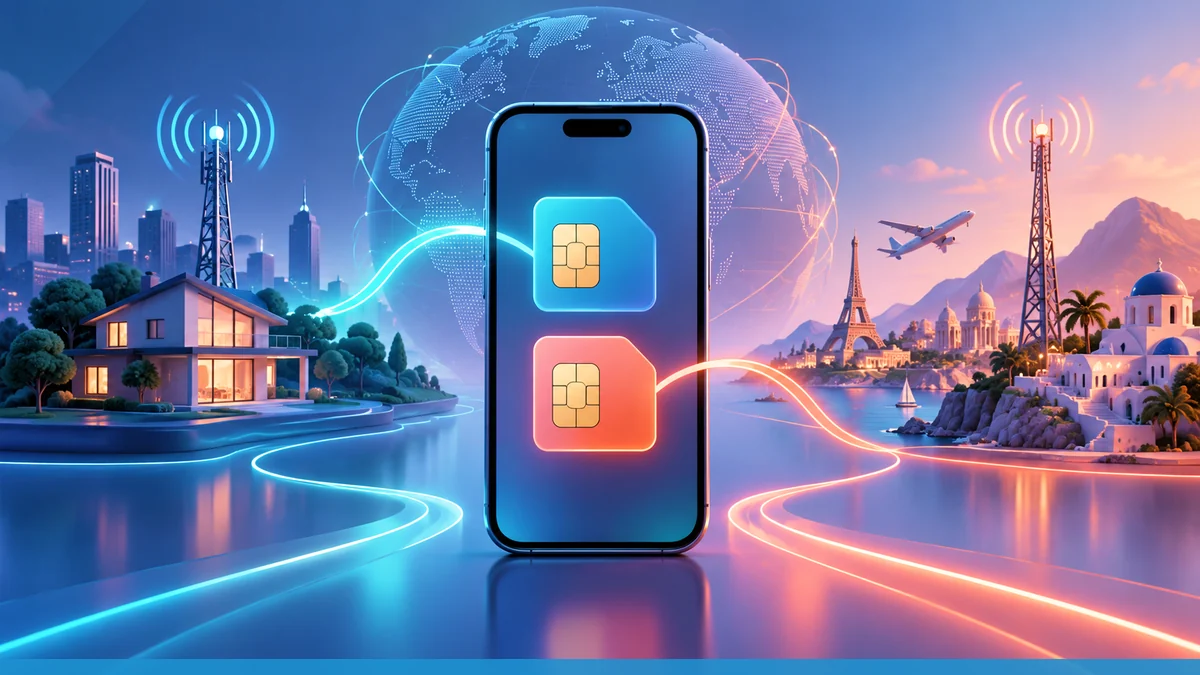
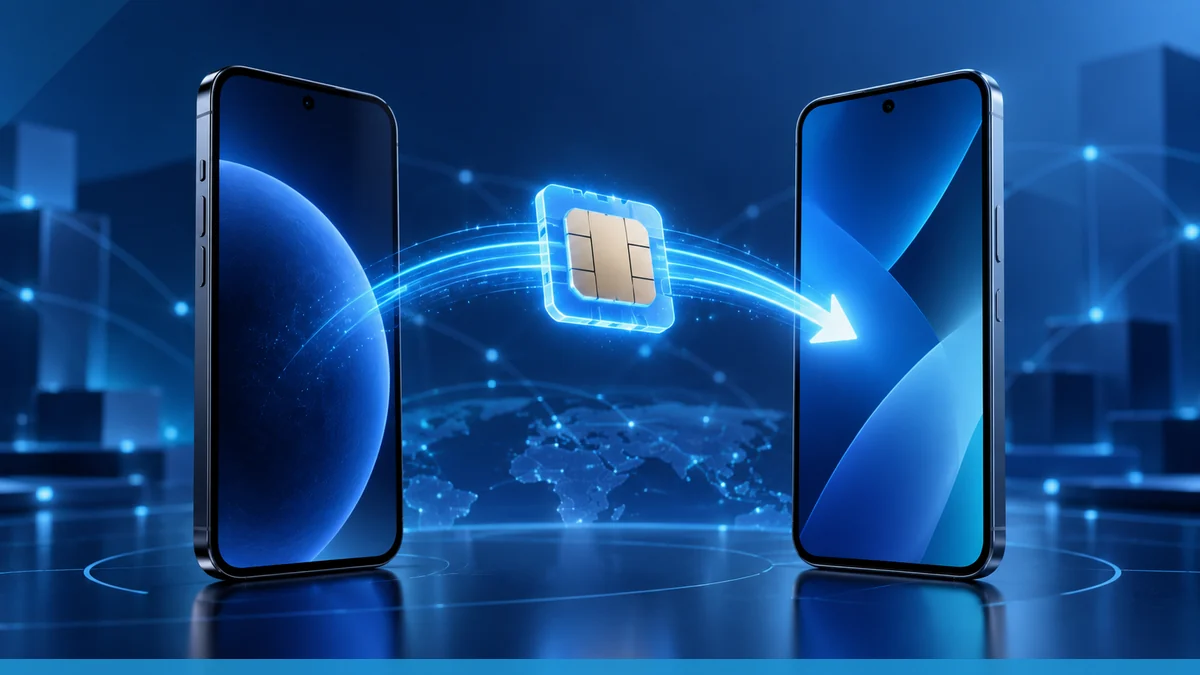
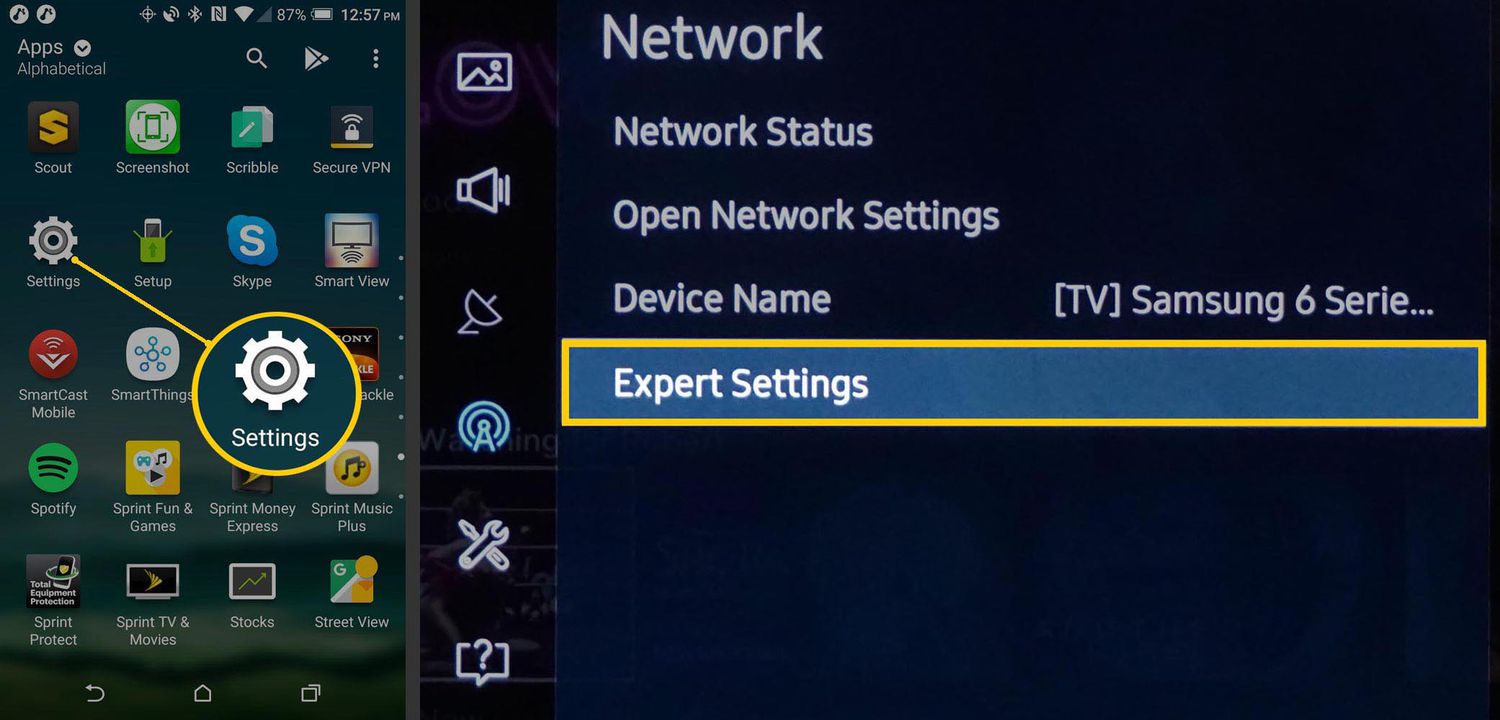
Getting the link established is straightforward. On Android, open Settings and look for Cast, Screen Cast, Screen Mirror, Wireless Display, or Smart View. Then select the adapter from the device list and confirm the prompt on the TV. If no Wi‑Fi network is available, some receivers let you create a pairing through your phone's mobile hotspot instead. Both your phone and the adapter must support the Miracast wireless standard for this to work. Menu labels vary between manufacturers, so you may need to explore a bit.
A common question involves whether the phone itself can do the job without any extra gear. Current models from Apple, Google, and Samsung do not include built-in projector hardware, but you might want to read about which phones have built-in projectors to see if any models can project directly without a receiver. A dedicated receiver remains the practical solution for displaying your screen on a regular television. This small investment instantly bridges the gap between a modern handset and an older display.
Choosing the right adapter makes all the difference. Look for a compact device that plugs directly into the HDMI port and draws power from a USB connection on the TV or a nearby outlet. Many popular versions are labeled as Miracast or wireless display receivers. Once powered, the unit typically shows a standby screen with simple instructions and a device name you will recognize during setup.
Performance depends on a few key factors in your environment. Physical distance between the handset and the receiver should stay within a reasonable range for stable screen sharing. Large metal objects or thick walls can weaken the signal, so try to keep a clear line of sight. The adapter handles video and audio together, which means you can stream movies, show photos, or give presentations without a separate sound cable.
Occasionally the initial handshake fails even when everything seems correct. A quick power cycle of the adapter often resolves this. Unplug it from both HDMI and USB for ten seconds, then reconnect it and wait for the standby screen to reappear. On the Android device, toggling the Wi‑Fi off and back on can also refresh the discovery process. If the connection still drops during use, switching the phone to airplane mode with Wi‑Fi re-enabled sometimes eliminates interference from background cellular tasks.
This approach works well for older conference room displays too. Many office projectors and large monitors have open HDMI inputs but no smart platform. Carrying a small wireless receiver in your bag turns any of those screens into a destination for your phone. You avoid hunting for the right cable or adapter dongle for your specific charging port. The setup is the same whether you are in a living room or a boardroom.
For homes with a mix of devices, one receiver can serve multiple handsets. Family members and guests can take turns casting without pairing and unpairing each time. Just stop the current session from the first phone, and the adapter becomes available for the next person to select from their own Cast menu. This makes it a flexible hub for sharing content on the big screen.
Security on these direct links is straightforward. Because the connection bypasses the local network, the video stream is not traveling through a shared router. The transmission stays between the two endpoints. No one else on the same Wi‑Fi can accidentally or intentionally interrupt your session. This isolation provides a clean, private channel for your content.
Audio sync is generally reliable with modern receivers. Most units support the standard protocols that keep sound matched to the picture during video playback. If you notice a slight delay, some adapter apps offer a manual sync adjustment slider. Gaming with fast action can reveal tiny lag, so for twitch-sensitive titles a wired connection is still the better choice. For everything else, the wireless experience feels natural.
Powering the adapter is simple but worth planning. Many televisions have a USB service port near the HDMI inputs that supplies enough current. If your TV does not, or if the port shuts off with the screen, a basic phone charger plugged into a wall outlet works perfectly. The receiver draws very little electricity, so you can leave it connected and ready indefinitely without worrying about energy use.
When you travel, this tiny gadget replaces a tangle of cables. Hotel TVs almost always have an accessible HDMI port and a USB power source. You can stream your own shows or review work documents on the larger display in seconds. The familiar standby screen guides you through the connection, and you do not need to log into the hotel's network or navigate a foreign smart TV interface.
Compatibility extends beyond phones to many tablets and some laptops. Any Android device with the Cast or wireless display feature built in can send its screen to the same receiver. This means a single adapter serves as a universal bridge for multiple gadgets you already own. The core requirement remains the Miracast standard, which is widely adopted across the Android ecosystem.
Setting expectations for video quality helps avoid frustration. Most receivers support resolutions that match the capabilities of many older televisions. The image is sharp and clear for presentations, photos, and HD video. Higher-resolution adapters require a compatible display to take full advantage. For the majority of non-smart TVs, a standard 1080p receiver delivers exactly what the screen can show.
Finally, remember that this method turns a one-way television into an interactive display. Everything on your phone appears on the big screen in real time. You can swipe through a photo album while the family watches, demonstrate an app to a group, or follow a workout routine from a larger view. The simplicity of plugging in one small device unlocks a feature that feels built into the room.
Mirroring from an iPhone or general phone basics
When you live in a mixed-device household, knowing how to mirror a cell phone often means understanding two different wireless languages at once, and if you need to share content from an Apple device, you'll want the dedicated guide on how to screen mirror on iPhone 14 to follow the exact steps for that model. On an iPhone, true real-time duplication of your entire display relies on AirPlay, and you must first link the handset and the destination to the same Wi‑Fi network. If you own Apple’s latest handset, the steps for a screen mirror on iPhone 14 begin by swiping down from the upper-right corner to open Control Center, then tapping the Screen Mirroring icon and selecting an Apple TV 4K, a compatible smart TV, or a Mac from the list. Should a passcode appear on the television, simply enter it to establish the link, and when you are done you can return to Control Center and choose Stop Mirroring. Be aware that some video apps block this function, and AirPlay display sharing works to a TV or Mac but not to an iPad. If the devices refuse to see each other, restarting both and checking for firmware updates often resolves the issue.
- screen mirror on iPhone 14 — How To Screen Mirror On iPhone 14
- mirror a cell phone — How To Mirror A Cell Phone
Frequently Asked Questions
Which Roku Express models do not support screen mirroring?
Roku Express model 3700 does not support screen mirroring. Models 3960, 3930, and 3900 do support it, and model 3910 supports mirroring only through the HDMI output, not composite or A/V connections.
What Android version is required for Roku screen mirroring?
Roku says screen mirroring is generally supported on Android 10.0 or later. Google-branded devices like Nexus and Pixel running OS 6.0 or later are specifically called out as not likely supported under that general rule.
Does TeamViewer work for remote control between two iPhones?
Yes, the remote iPhone must run TeamViewer QuickSupport. The controlling device opens TeamViewer for Remote Control, signs in, enters the Partner ID of the remote device, and presses Remote Control to start the session.
How do I connect my iPhone to a Vankyo projector with a cable?
Go to the projector's Home page and select iOS Cable or iOS Cable Cast, then connect your iPhone to the projector's USB port using the original Lightning cable. This mirrors your screen without relying on a wireless network.