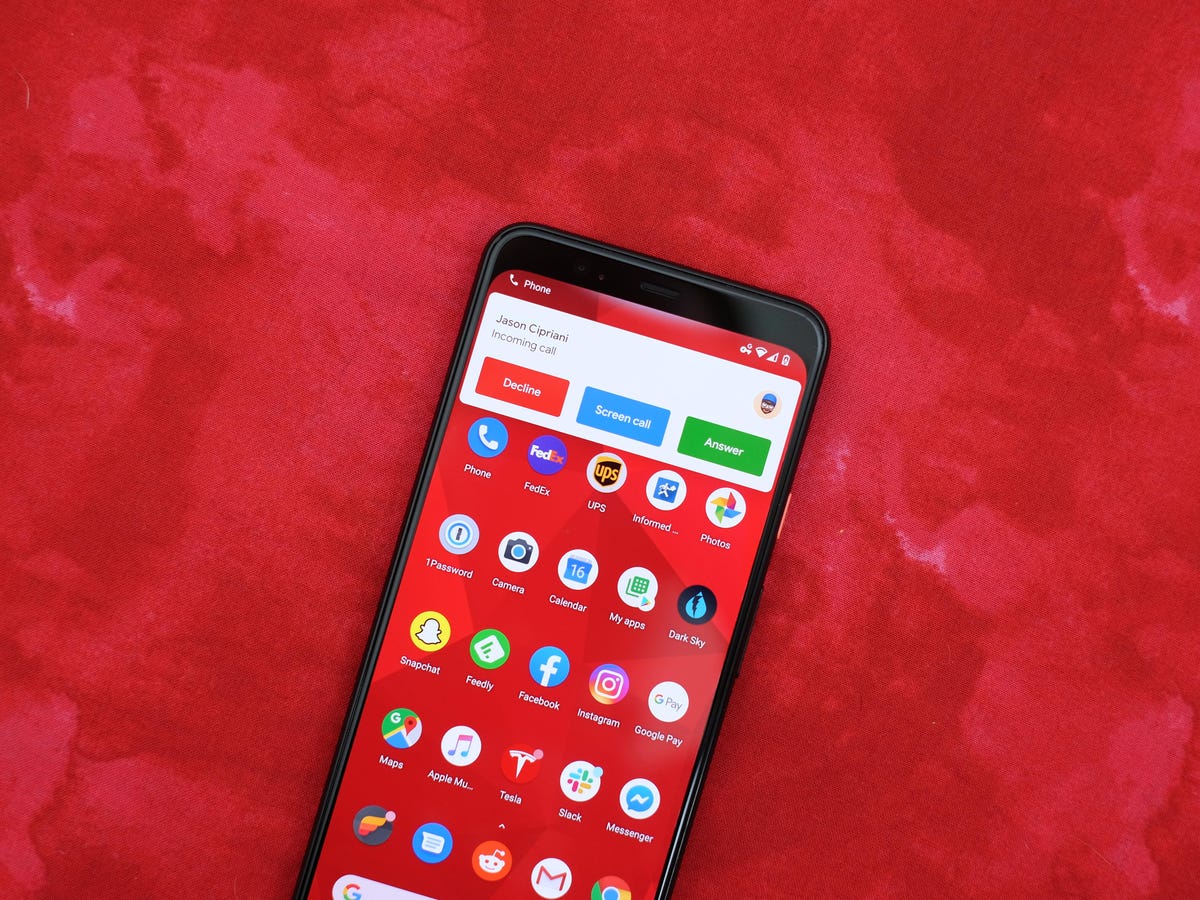





To answer an Android phone, the most common method is to swipe the green phone icon or call bar to the right or upwards on the screen when a call comes in. This simple gesture connects you to the caller and starts the conversation.
How to answer an Android phone with a swipe
When your Android phone receives an incoming call, the screen displays the caller's name or number along with a green phone icon. On most devices, you answer by swiping this icon to the right or upward. Some Android phones, particularly when unlocked, may instead show a rectangular "Answer" button that you can tap directly. This is the default and most widely used method across all Android devices.
How to answer with a single tap on Samsung Galaxy phones
Samsung Galaxy phones offer two ways to replace swiping with a single tap, which is useful if you prefer a simpler gesture or have difficulty swiping.
- Open the Phone app and tap the More options (three vertical dots) icon.
- Select "Settings," then "Answering and ending calls."
- Under "Gesture to answer calls," choose "Tap."
Alternatively, you can enable the "Assistant Menu" in Accessibility settings. Go to "Settings" > "Accessibility" > "Interaction and Dexterity" and toggle on "Replace Swipe with Single Tap." This makes the entire call screen respond to a single tap instead of a swipe.
How to answer hands-free with your voice
For hands-free situations, such as when your hands are busy or your phone is across the room, voice commands let you answer without touching the device.
On Google Pixel phones, you can say "Hey Google, answer the call" if "Hey Google" voice activation is enabled. Pixel devices with "Quick phrases" turned on allow you to simply say "Answer" when a call comes in. To enable this, search for "Quick replies" in device Settings and enable the "Incoming calls" option. This feature works without needing to say "Hey Google" first, making it even faster.
How to answer using a Bluetooth device
When your Android phone is paired with a Bluetooth headset, car system, or speaker, you can answer incoming calls by pressing the dedicated answer button on that device. This is especially convenient when your phone is in your pocket, bag, or not immediately accessible.
Samsung Galaxy phones offer an additional hands-free option: auto-answer. You can set your phone to automatically answer calls after a specified duration when connected to a Bluetooth device. This setting is found under "Settings" > "Advanced Features" (or "Device Care") > "Accessibility" > "Interaction Controls" (or "Call Assistance") > "Auto-Answer Calls." Samsung Galaxy phones can be set to auto-answer calls after a specified duration (e.g., 2, 5, or 10 seconds) when connected to a Bluetooth device or headset.
How to silence or reject an incoming call
Sometimes you need to silence a ringing phone without answering, or you want to decline the call entirely. Android provides several options for this.
- To silence the ringer without rejecting the call, press the Volume key on your phone. The call continues ringing silently until it ends or is diverted.
- To reject an incoming call, you typically swipe left on the screen or tap a red "Dismiss" or "Decline" button.
- Android phones allow you to reject a call and send a quick text message to the caller by tapping the "Message" option during an incoming call.
Customizing your incoming call screen
You can change how incoming calls appear while you are using other apps. On Samsung devices, open the Phone app settings and look for "Call display while using apps." You can choose between "Full screen," which takes over the entire display, "Pop-up," which shows a smaller window, or "Mini pop-up," which is the most compact option. The display of incoming calls while using other apps can be customized on Samsung devices to appear as "Full screen," "Pop-up," or "Mini pop-up" via the Phone app settings under "Call display while using apps." This customization helps you manage calls without fully interrupting your current activity.
Keeping your device updated is important, as older software versions may have limited functionality or interfere with call answering features. Ensuring your device is running the latest software version is important, as older versions may have limited functionality or interfere with call answering features. Check for system updates regularly to ensure you have access to the latest options and improvements. For users who rely on alternative calling methods, Google Voice and internet calling options provide additional flexibility for managing calls over data networks.
Frequently Asked Questions
Can I answer a call without touching the screen at all?
Yes, if your phone supports it. Google Pixel phones with "Quick phrases" enabled let you say "Answer" to pick up calls. Some Samsung models also support voice commands through Bixby or Google Assistant.
Why does my Android phone sometimes show an "Answer" button instead of a swipe?
Some Android devices, particularly when the phone is unlocked or when using certain launchers, display a tapable "Answer" button instead of a swipe gesture. This is a normal variation and depends on your phone's software version and settings.
How do I stop accidentally answering calls when my phone is in my pocket?
Enable the proximity sensor feature in your phone's settings, which turns off the screen when the phone is near your face or in a pocket. You can also adjust the "Answering and ending calls" settings to require a more deliberate gesture.
Can I set my phone to automatically answer calls from specific contacts?
Android does not offer a built-in feature to auto-answer calls from specific contacts. However, you can use third-party apps from the Google Play Store that provide this functionality, or use the auto-answer feature for Bluetooth devices if you are connected to a headset or car system.
What should I do if swiping doesn't answer my calls?
First, check if your screen protector or case is interfering with touch sensitivity. Restart your phone, and ensure your software is up to date. If the problem persists, check your Phone app settings to confirm the gesture is not disabled or changed to a different action.