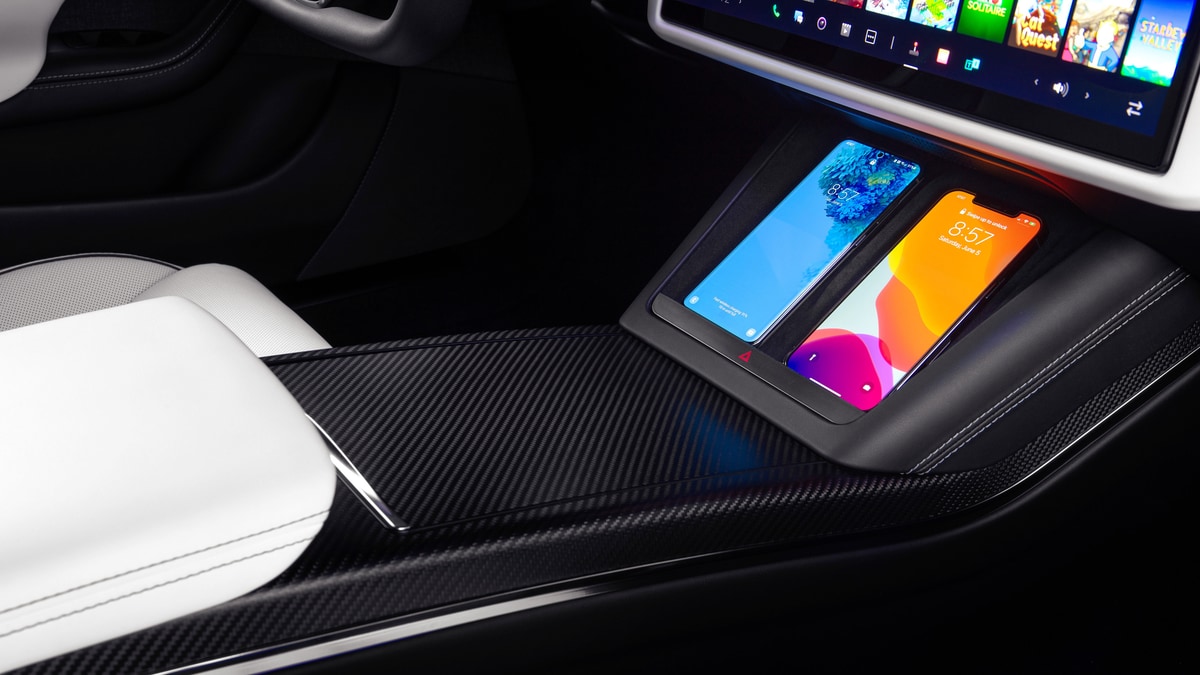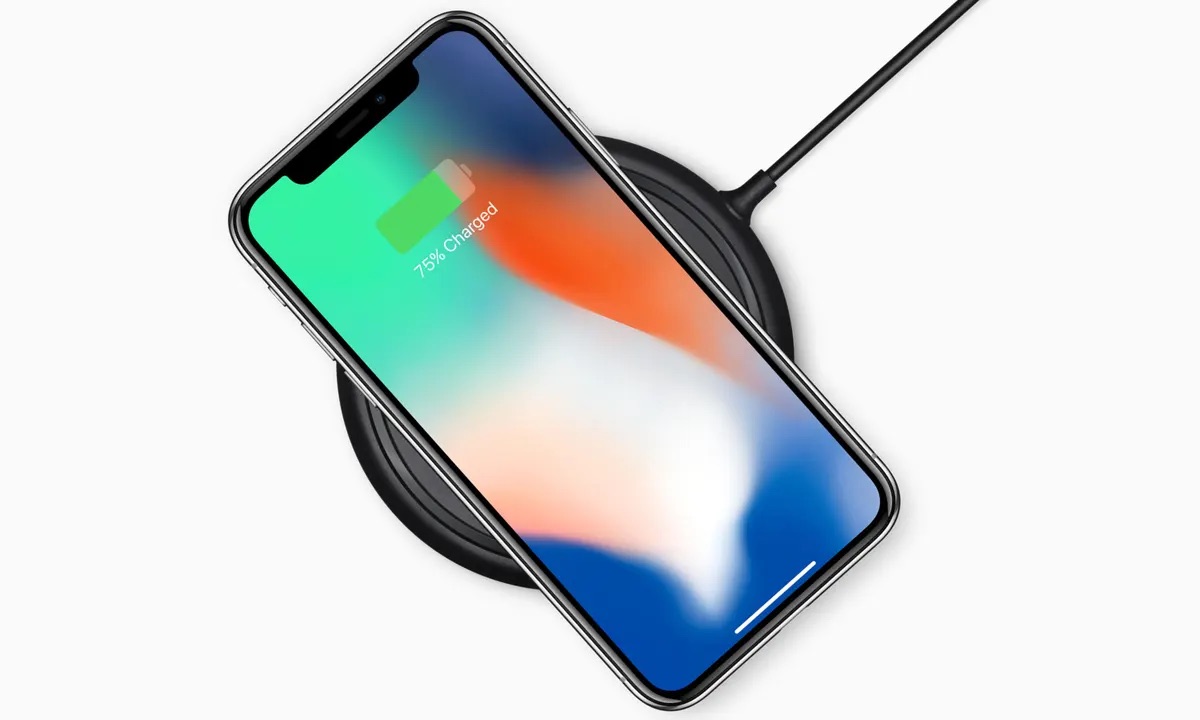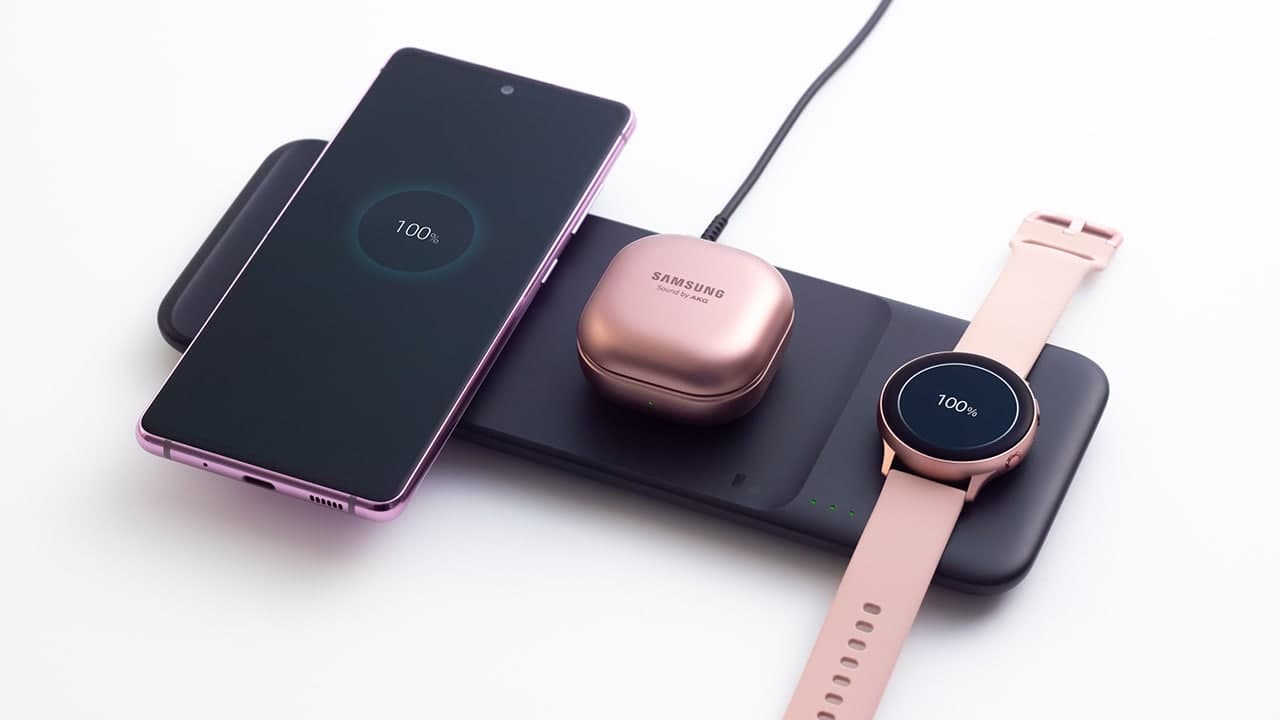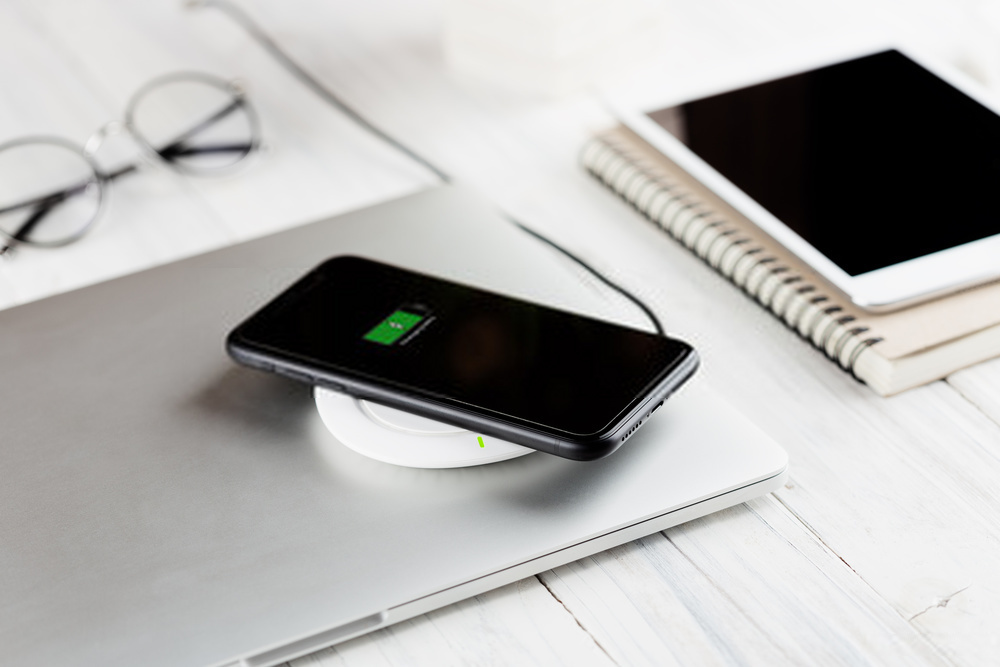





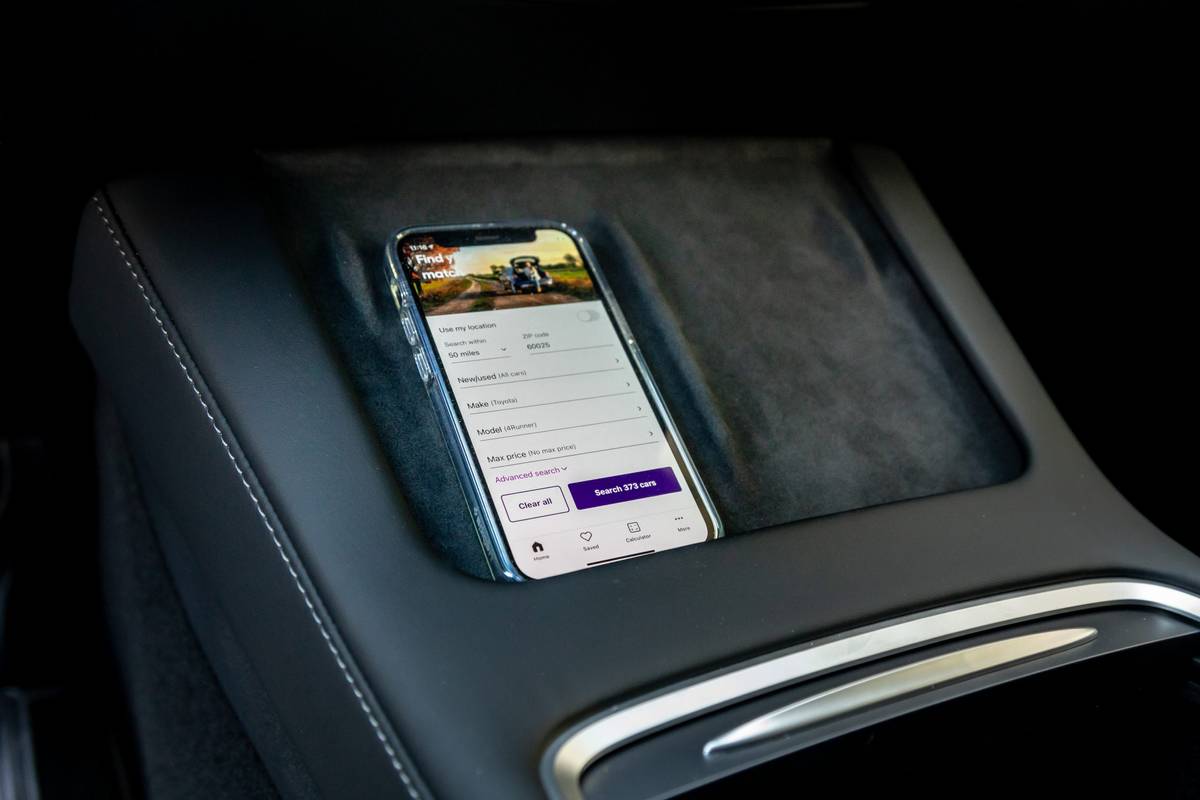
To charge your phone in a Tesla, you can use the built-in wireless charging pad or connect a cable to one of the vehicle's USB ports. The most straightforward method is to place a Qi-compatible phone on the front console pad, which delivers up to 15W of power to supported devices like the iPhone 8 and later or recent Samsung Galaxy models.
How to charge your phone in a Tesla with the wireless pad
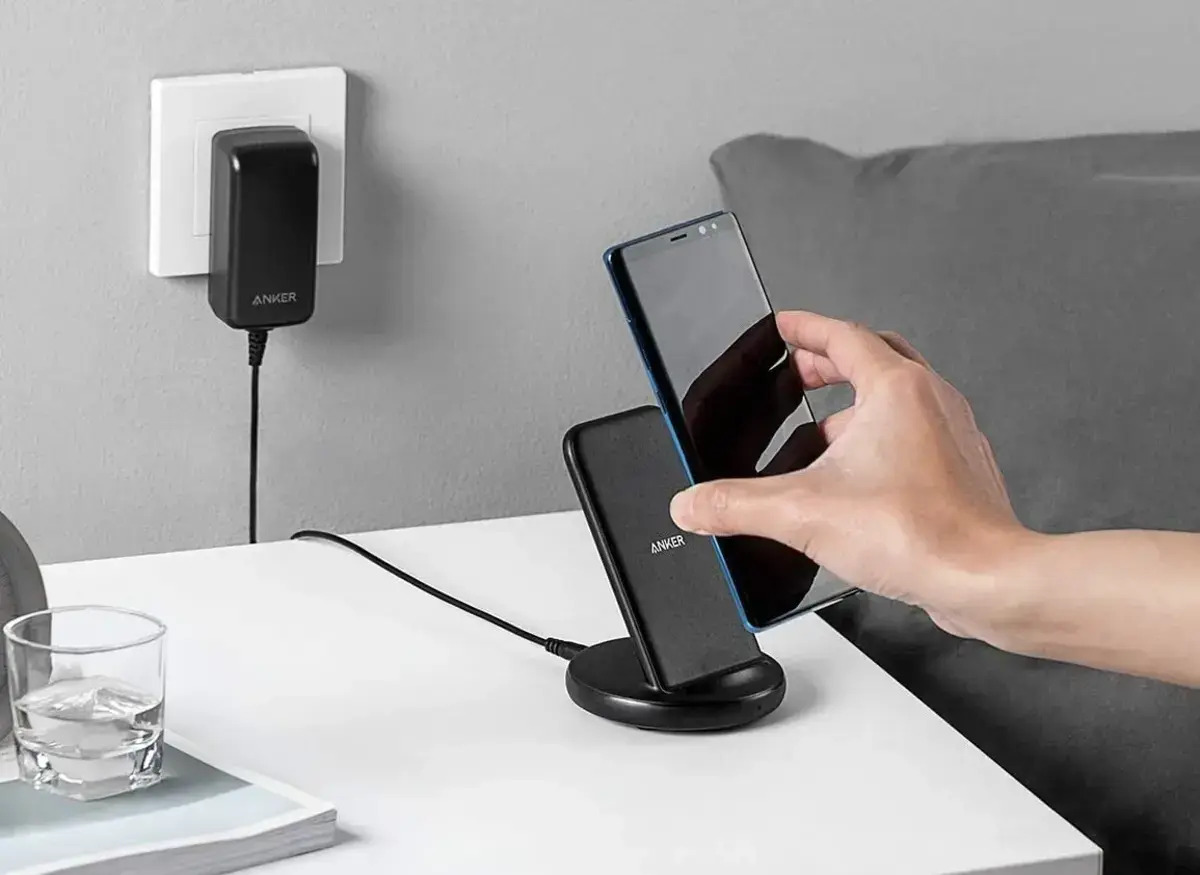
The integrated Qi wireless charger is located in the front console of most newer Tesla models, including Model 3, Model Y, Model S, and Model X. To use it, place your phone directly on the pad, ensuring it is centered and in direct contact with the surface. The charger supports Qi-enabled phones, including iPhone 8 or later and various Samsung Galaxy models, and typically provides up to 15W of power. Thick or metal phone cases, as well as objects like keys or NFC cards, can interfere with wireless charging or prevent it entirely, so remove any such items before placing your phone on the pad. If you are curious about wireless charger charging times, a 15W pad will generally charge a modern smartphone from empty to full in roughly two to three hours, though actual speed depends on your phone's battery capacity and charging circuitry.
How to charge your phone in a Tesla with USB ports
Tesla vehicles have USB ports located in the front compartment of the center console, inside the glovebox, and for rear passengers. Newer models (such as Model Y and Model 3 vehicles manufactured after May 2020) primarily feature USB-C ports, while older models may have USB-A ports. Front console USB ports can output power ranging from approximately 15W to 27W, or up to 36W for some Model 3 and Model Y front USB-C ports, depending on the vehicle's manufacture date and whether multiple devices are connected. The Cybertruck's front USB-C ports can provide up to 65W. Rear USB-C ports typically deliver around 15W to 27W, while the glovebox USB-A port (often used for Sentry Mode) can also charge devices, sometimes at lower rates like 7.5W. For optimal charging, use USB 3.0 compliant cables; non-compliant cables may result in slower charging or connection problems. Avoid connecting multiple devices using a USB hub, as this can prevent connected devices from charging or being recognized by the vehicle's systems. Power is supplied to the USB ports when the vehicle is in use, detects a user, or when features like Camp Mode are active. Charging your phone via USB may temporarily disable other USB functions like playing audio files or media from a USB drive. For fastest USB charging, use the port closer to the center display.
How to charge your phone in a Tesla with the 12V outlet
A 12V power outlet (often referred to as a cigarette lighter port) is available in the center console of most models. It provides up to 12A continuous draw (16A peak) for accessories and can be used with a 12V USB adapter for phone charging. This method is a useful fallback when the wireless pad is occupied or if you need to charge a device that does not support Qi charging. Simply plug a car charger adapter into the 12V outlet, connect your phone's charging cable, and your device will begin charging whenever the vehicle is powered on or in accessory mode. While the12V outlet does not offer the same power output as the high-speed USB-C ports, it provides a reliable and universally compatible charging solution that works with any phone and any standard car charger.
Managing phone charging and power settings
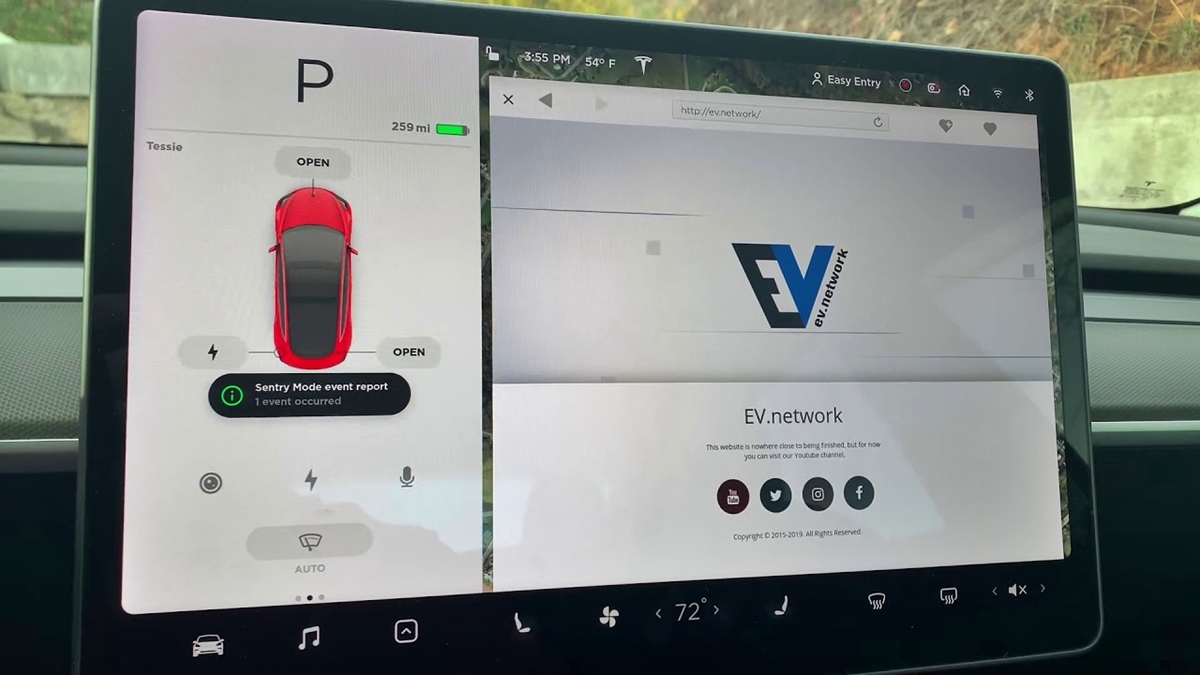
Phones charge wirelessly when the vehicle is powered on (the touchscreen is on and a user is present); they do not charge after exiting the vehicle unless features like Sentry Mode, Keep Climate On, or Camp Mode are enabled. You can disable the wireless phone charging pads via the touchscreen by navigating to Controls > Charging > Wireless Phone Charging Pads. Additionally, you can enable the "Phone Left on Wireless Charger" alert by going to Controls > Locks on the touchscreen, which will notify you if you exit the vehicle with your phone still on the wireless pad. The Tesla Mobile Connector can be used to charge a phone by plugging a USB charging cable into its USB port and connecting to a power source, useful for longer charging sessions when parked. Note that the Tesla mobile connector is designed primarily for charging the vehicle itself, not for phone charging, and should not be used as a phone power source.
Frequently Asked Questions
Can I charge my phone while driving?
Yes. The wireless charging pad and USB ports are active whenever the vehicle is powered on and a driver is present, so you can charge your phone while driving.
Will charging my phone drain the Tesla's driving battery?
No. The USB ports and wireless pad draw power from the vehicle's low-voltage auxiliary battery, which is recharged by the main traction battery. The energy used to charge a phone is negligible and will not noticeably affect driving range.
Why is my phone not charging on the wireless pad?
Common causes include a thick or metal phone case, placing an object like a key or NFC card between the phone and the pad, or the phone not being centered on the charging surface. Also verify that the wireless charging pads are not disabled in Controls > Charging.
Can I use a USB hub to charge multiple phones at once?
It is better to use the available USB ports directly or use the12V outlet with a multi-port adapter.
Do the USB ports stay on when the car is parked?
USB ports and the wireless pad are powered only when the vehicle is on, a user is detected, or when features like Sentry Mode, Keep Climate On, or Camp Mode are active. After exiting without these features enabled, the ports will turn off.