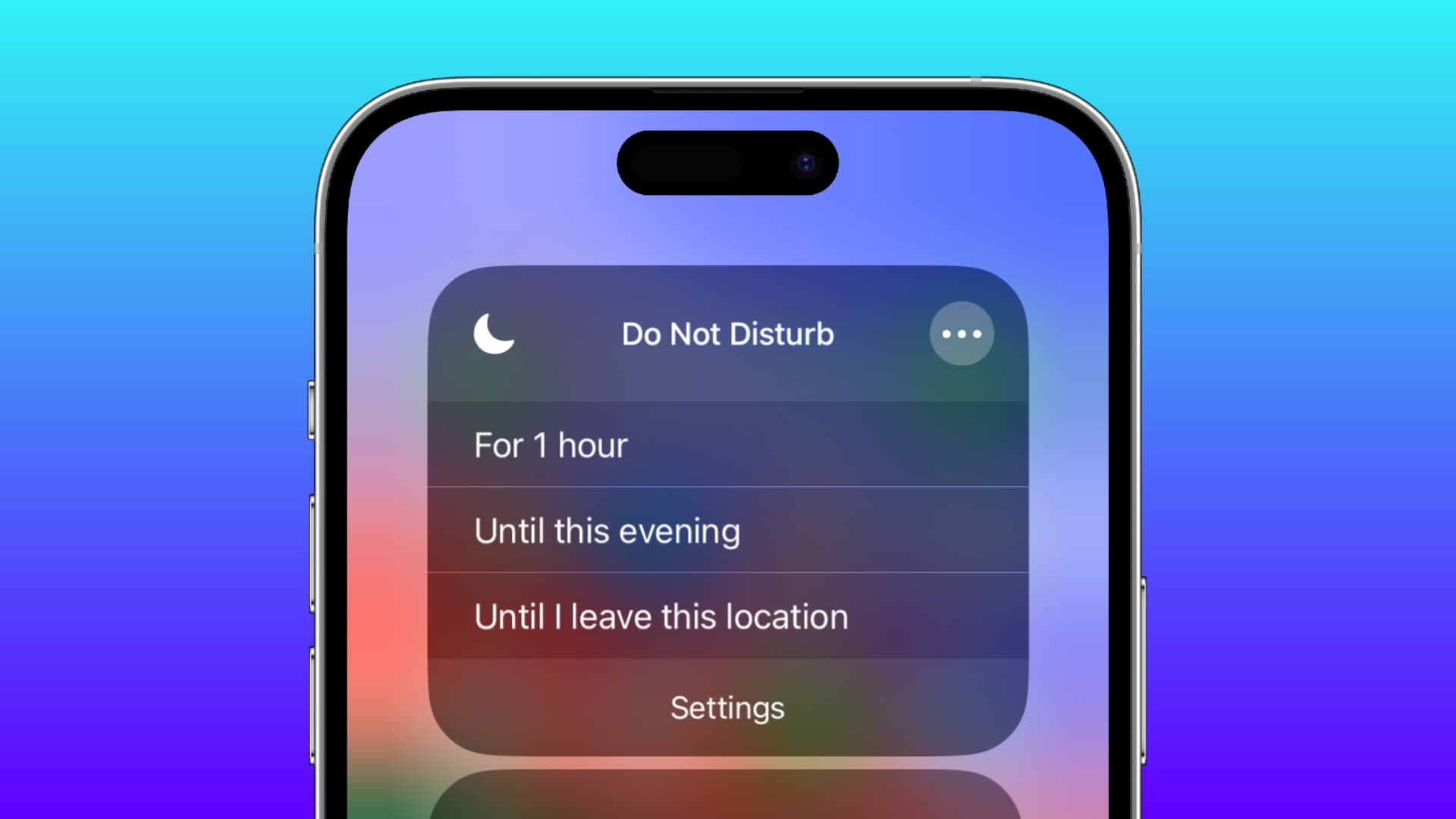





To take your phone off Do Not Disturb, on an iPhone, open Control Center and tap the Do Not Disturb Focus button. On an Android, swipe down from the top of the screen and tap the Do Not Disturb tile.
Turn off do not disturb on iPhone
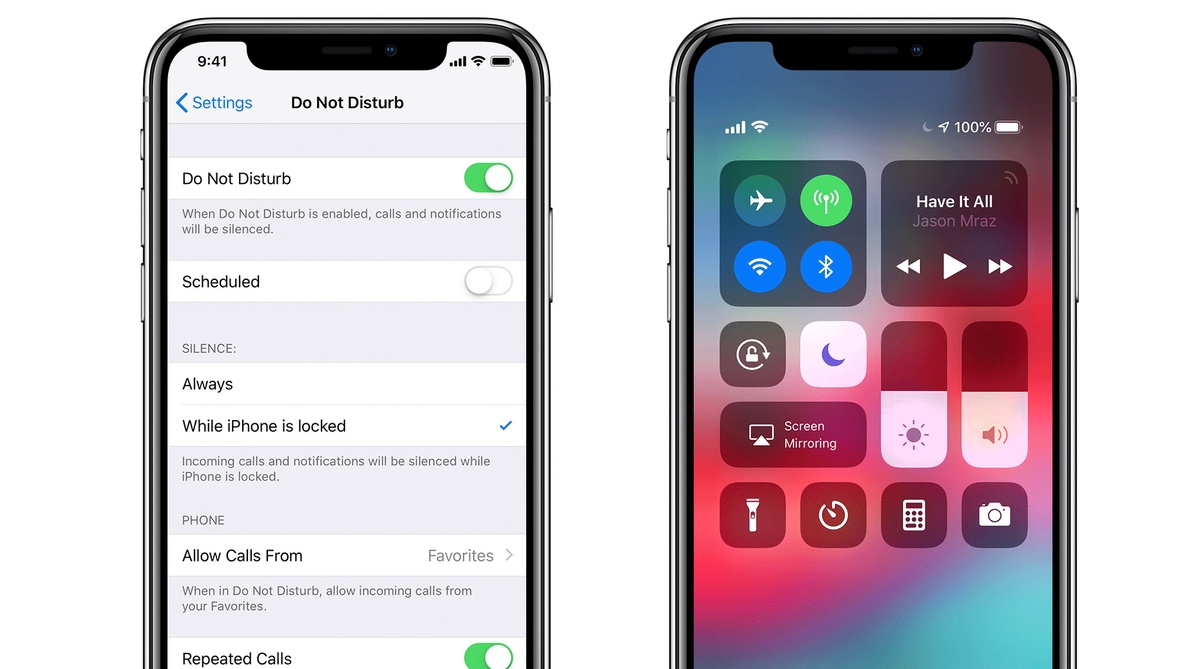
The fastest way to turn off Do Not Disturb on an iPhone running iOS 15 or later is through Control Center. Swipe down from the top-right corner of the screen (or swipe up from the bottom on older iPhones), then tap the Do Not Disturb Focus button. Alternatively, press and hold the Focus button in Control Center, then tap Do Not Disturb to deselect it. You can also ask Siri to turn off Do Not Disturb. If you prefer the settings path, open Settings, tap Focus, then tap Do Not Disturb, and toggle the feature off. On older iOS versions, the settings path is Settings > Do Not Disturb, with options such as Scheduled, Allow Calls From, Repeated Calls, and silence behavior.
Turn off do not disturb on Android
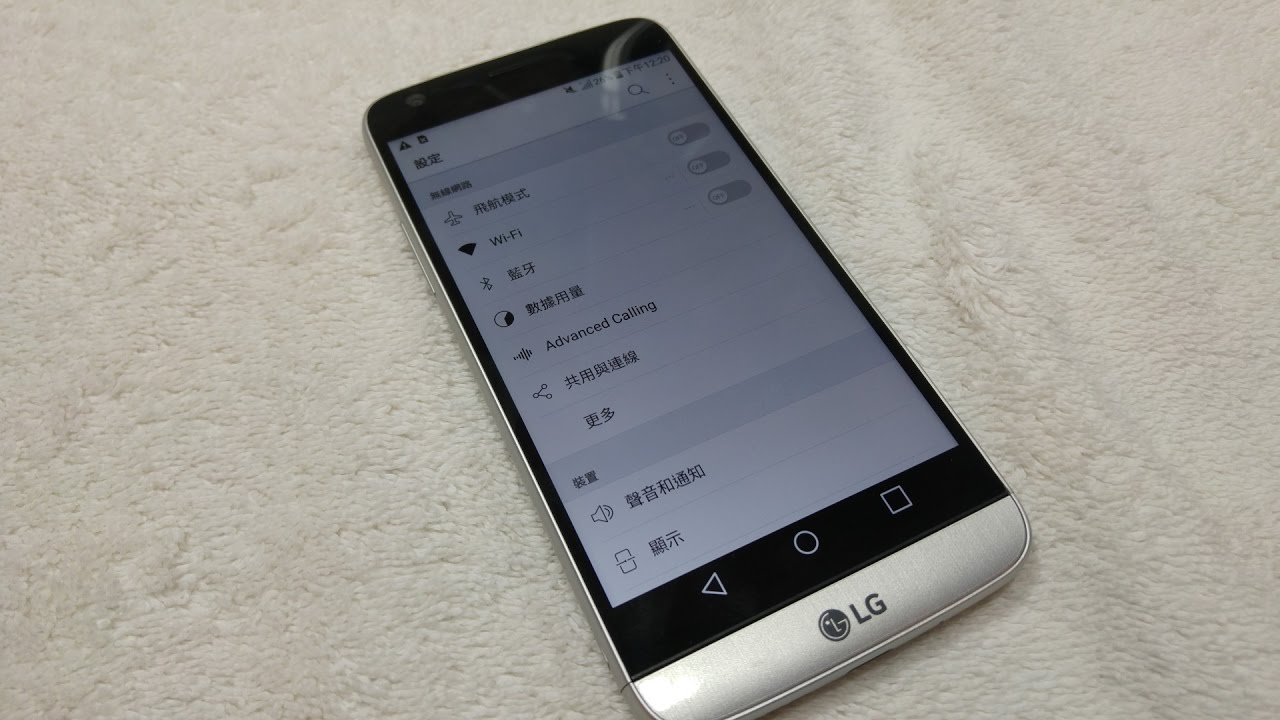
On Android, swipe down from the top of the screen to open Quick Settings, then tap the Do Not Disturb tile to turn it off. You can also disable Do Not Disturb by pressing and holding the volume up or down button until the Do Not Disturb option appears. The exact label for this tile may vary by device; some phones show "Do Not Disturb" directly, while others may require a longer press to access the settings. On Pixel phones, the same Quick Settings access works once Do Not Disturb is set up. If the tile is not visible, check settings paths such as Notifications > Do Not Disturb or Sound & vibration > Do Not Disturb, depending on your device.
What to do when do not disturb keeps turning back on
If Do Not Disturb keeps turning back on automatically, it is likely controlled by a schedule, mode, or rule. On an iPhone, go to Settings > Focus > Do Not Disturb and check the Set a Schedule option. Disable any active schedules or delete them. On Android, open the Do Not Disturb settings area and turn off Schedules, Turn on automatically, or Rules, or delete them if present. These auto-enabling features are designed to activate Do Not Disturb at specific times or events, so disabling them stops the automatic behavior.
Customize do not disturb instead of turning it off completely
Instead of turning off Do Not Disturb entirely, you can customize it to allow important interruptions. On an iPhone, open Settings > Focus > Do Not Disturb and adjust Allow Calls From to include specific contacts, or enable Repeated Calls so a second call from the same number within three minutes gets through. You can also set a Schedule to activate Do Not Disturb only during certain hours. On iPhone, Do Not Disturb can be set to silence only when locked or at all times. On Android, similar options are available in the Do Not Disturb settings, allowing you to let calls from starred contacts or repeated calls bypass the mode. This way, you avoid the confusion between Do Not Disturb and silent mode while staying reachable for emergencies.
Frequently Asked Questions
Can I schedule do not disturb?
Yes. On Android, look for scheduling options within the Do Not Disturb settings, where you can set automatic activation times based on your routine.
Will do not disturb block all notifications?
By default, Do Not Disturb silences calls, alerts, and notifications. However, you can customize exceptions, such as allowing calls from specific contacts or enabling repeated calls, on both iPhone and Android.
Is there a way to override do not disturb for important calls?
Yes. On iPhone, enable the Repeated Calls option so a second call from the same number within three minutes will ring through. On Android, you can allow calls from starred contacts or set priority exceptions in the Do Not Disturb settings.
Can I set different rules for Do Not Disturb?
Yes, many phones offer the option to create custom rules based on time of day, location, or specific calendar events.
Related reading: How To Take Phone Off Dnd and How To Call Someone When Their Phone Is On Dnd.