




Understanding your Verizon prepaid plans and pricing options
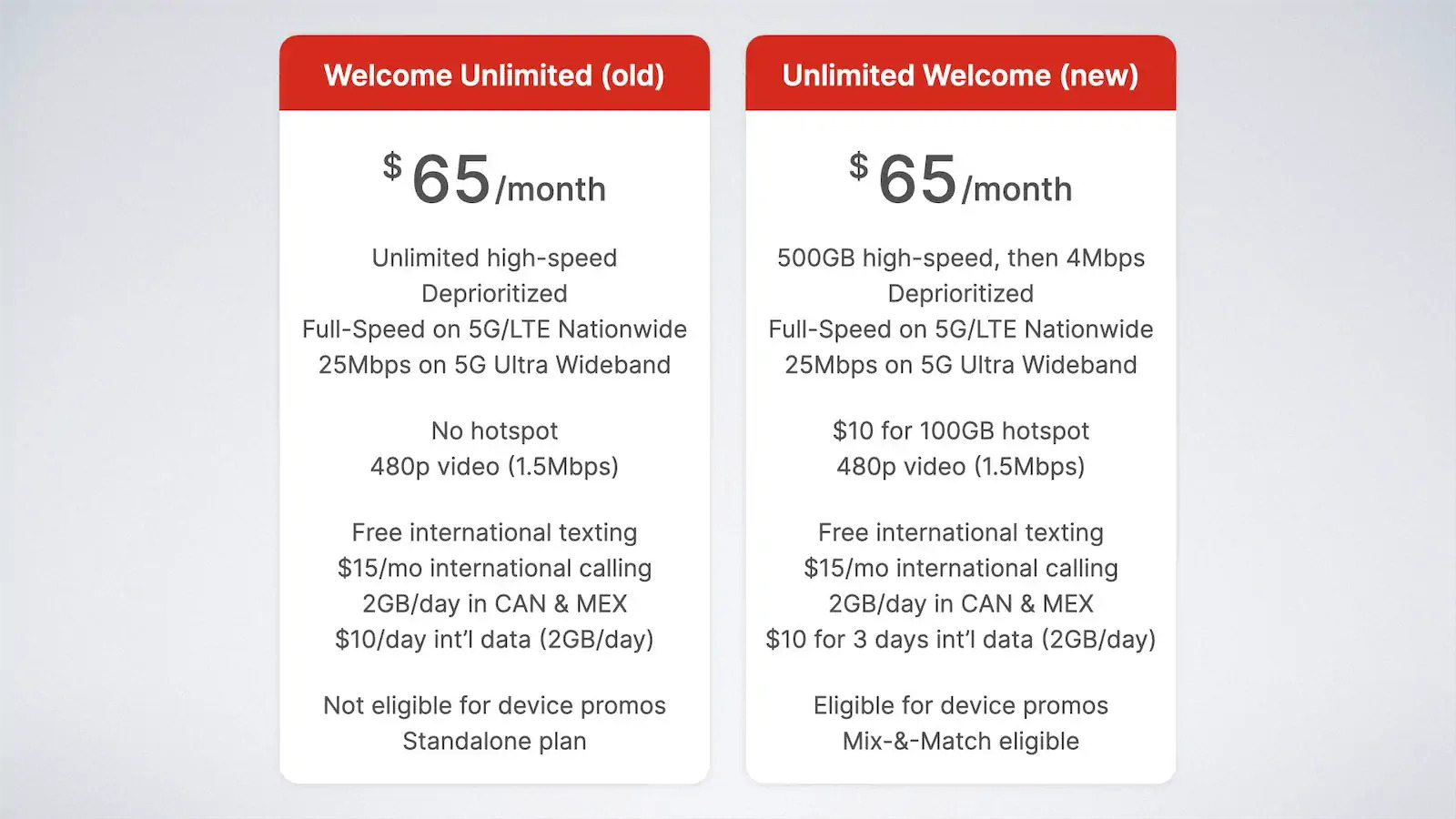
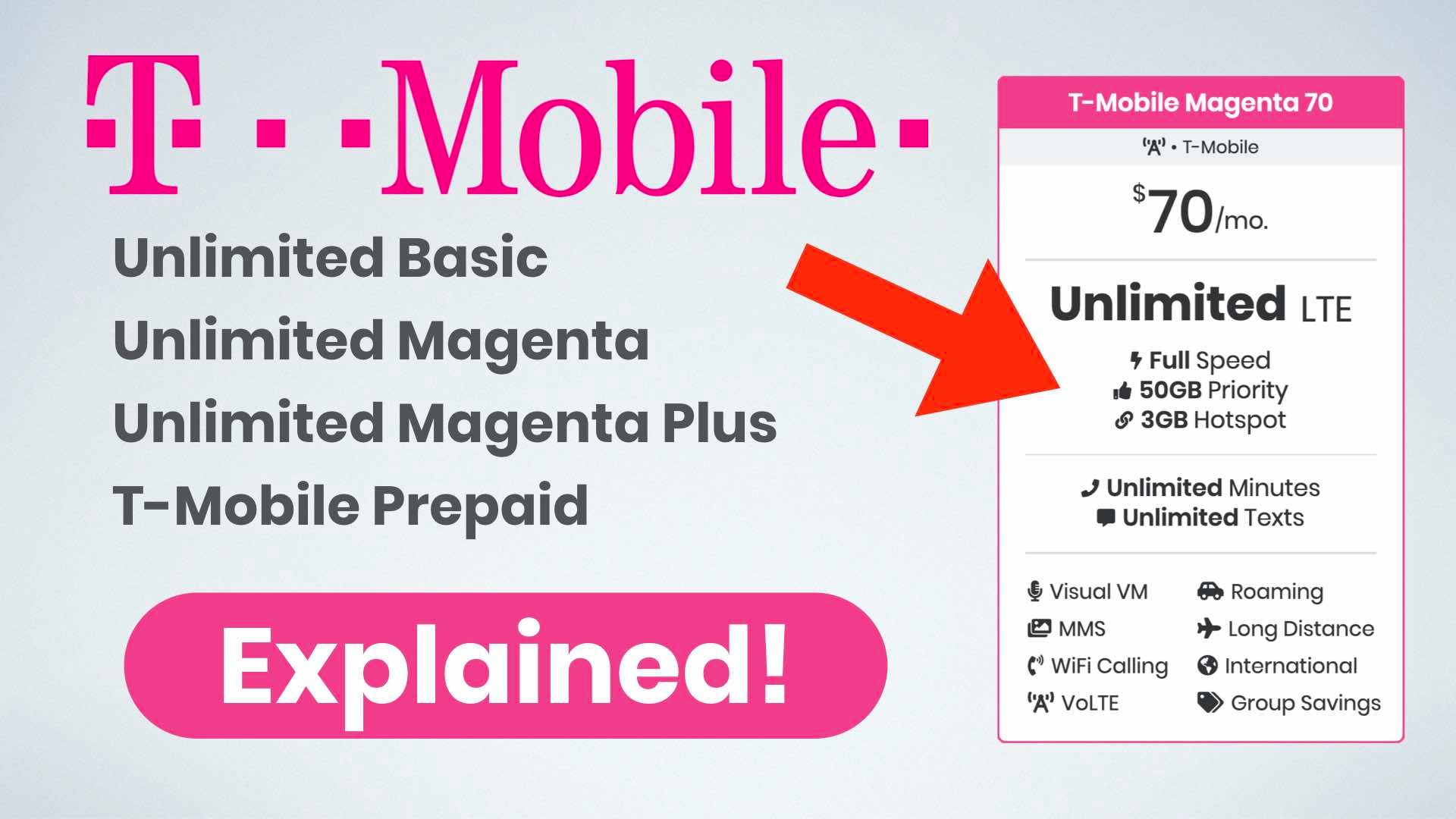
Getting a clear picture of what you actually pay for starts with how Verizon prepaid plans and Verizon plans explained on their site break down. You pay in advance for voice, text, data, and mobile hotspot with no credit check, deposit, or long-term contract required. All current Verizon prepaid phone plans include 5G Nationwide access, while 5G Ultra Wideband is available with the Unlimited Plus smartphone plan and select higher-capacity data-only plans. When you compare that to T-Mobile'S monthly rates, the unlimited plans on their main page qualify for a discount when you enroll in AutoPay using a debit card or bank account, and the prepaid specifics live on a separate section of their help site.
If you are bringing your own device, knowing which cell phone plans are compatible with Verizon phones helps you avoid a mismatch before you switch. Many prepaid alternatives run on the same underlying network but may restrict features like Wi-Fi calling or visual voicemail on certain models. The unlimited Verizon prepaid cell phone plans also include up to 25 GB of premium mobile hotspot data on the Unlimited Plus plan, and all prepaid phone plans include unlimited texting to over 200 countries, with talk, text, and data extending to and from Mexico and Canada. Plans priced at a certain threshold earn a Loyalty Discount after staying active for three or nine months. Costco cell phone plan options in the U.S. are sold through wireless kiosks that carry a mix of flexible plans from major providers, while Walmart cell phone plans work similarly through in-store and online prepaid offerings. Checking your phone’s IMEI on the network’s compatibility tool and deciding whether you need in-person assistance will quickly narrow the field.
Getting the best deal or device protection
Once you have settled on a network, locking in savings often comes down to timing and account permissions. To get the best deal at Verizon wireless, check your eligibility in My Verizon, where the system verifies your line before showing available offers. If you manage multiple lines, you can combine Verizon cell phone plans on the same billing profile to receive multiline discounts, though options depend on your current plan type and whether you are adding a new line.
For hardware coverage, the Verizon mobile protect offers coverage for loss, theft, damage, and post-warranty malfunctions. You can add it from that same screen as long as your device qualifies, but first check if your phone has AppleCare in your device settings, since doubling up may not be necessary. The same logic applies to wearables, and comparing Apple Watch cellular plan pricing across carriers can reveal whether adding a standalone watch line to your current operator actually costs less than switching the paired phone plan entirely.
Finding a store or coverage near you
Before you set out, a quick compatibility check can save you a trip, because prepaid plans on the same network sometimes restrict features like Wi‑Fi calling on phones that were originally locked to another provider. If you want to walk into a physical location, you can use the store locator to get the nearest T-Mobile store address and directions, but calling ahead to check the T-Mobile store closing time on the same day you plan to visit helps you avoid a locked door.
Coverage tools let you verify signal at your exact address before you switch by entering your address and zip code or tapping the location icon to see estimated signal strength and device compatibility for your area. If you need to quickly locate a cell tower near you, you can dial *3001#12345#* on an iPhone to open Field Test Mode and view live signal numbers, though you cannot read the serving-cell ID directly from iOS.
The discount applies automatically to your line once the waiting period ends, and you can track its status from your dashboard with no extra steps required to keep it active.
Paying your bill or checking a due date
Before you reach the due date, open the My Verizon app and tap the Menu icon (3 lines), then Payment, and view the balance on the Balance tab to see the total amount and the calendar date printed right on the summary screen. That same view is where you can complete a one-time payment, and if you need more time, you can add funds before your due date to keep your service active.
Regardless of which network you use, the question of when is my phone bill due is answered in the same place: page one of your monthly statement and the overview inside your provider’s app both show the cutoff date. Payments must post before that day to avoid a late fee, and setting a calendar reminder a few days early prevents a missed cycle, which is especially helpful if you switched from a postpaid plan to a prepaid refill schedule that does not send the same alerts.
Contacting customer service or filing complaints
Verizon divides its wireless plans into postpaid and prepaid tiers, and each tier comes with its own billing rhythm, network access, and service boundaries. Postpaid plans bill at the end of the cycle, run a credit check, and grant full access to roaming partners and device financing. Prepaid plans require payment before the month begins, skip the credit pull, and often limit domestic roaming. Both tiers share the same core 4G LTE and 5G Nationwide footprint, yet the experience of managing your line changes the moment you step outside that shared coverage zone.
Prepaid plans from Verizon include a loyalty benefit tied to longevity. This structure rewards long-term prepaid users who might otherwise consider a postpaid migration and narrows the price gap between the two tiers for customers who remain on the same plan for an extended period. Postpaid plans offer a different set of financial incentives, bundling streaming perks, international features, and multi-line pricing that can lower the per-line cost when you combine several lines under one billing arrangement. Prepaid plans lack these multi-line bundles and instead emphasize a flat monthly rate with no surprise fees, so the trade-off sits squarely between simplicity and feature depth.
Both plan families operate on the same physical infrastructure. Postpaid lines receive priority data access during network congestion, while most prepaid offerings are subject to deprioritization when towers are busy. This means a prepaid device may see slower throughput at a crowded venue or during peak hours, but the difference disappears in areas with ample capacity. For a single-line user who rarely encounters tower congestion, the prepaid experience can feel identical to a postpaid one.
Postpaid customers can finance a new phone over 36 months with zero-interest installment agreements, while prepaid users must buy their device outright or bring a compatible phone they already own. The bring-your-own-device path works across both tiers, but the prepaid activation process requires an IMEI check to confirm the phone is unlocked and compatible with the prepaid network profile. A phone originally purchased through a postpaid carrier may need a manual settings update before it functions correctly on the prepaid side.
When you need to speak to a Verizon wireless representative, the path differs between postpaid and prepaid accounts, and that distinction matters before you commit to a plan. Prepaid assistance often routes through a separate phone system that does not offer the same depth of recovery tools as a full postpaid line. If live troubleshooting is critical for you, factor that into your choice. If an issue cannot be resolved through the standard help channel, you may need to contact Verizon wireless corporate for further assistance. Some customers choose to write a complaint letter to Verizon wireless outlining the steps already taken and the resolution sought, keeping a copy for their own records. Before switching providers over a service experience, it is useful to know that the telephone number for T-Mobile customer service is the primary contact for assistance. If a problem remains unresolved, you can file a complaint with T-Mobile corporate office using the available customer service channels.
Postpaid plans include TravelPass or a monthly international option that lets you use your domestic talk, text, and data allowance in more than 210 destinations for a daily fee. Prepaid plans limit international roaming to Mexico and Canada on select plans, with no daily-pass option for other countries. A frequent traveler who needs connectivity across Europe or Asia will find the postpaid tier far more accommodating. Prepaid users who travel abroad can supplement their line with a local eSIM, but that requires a separate purchase and a different phone number for the trip.
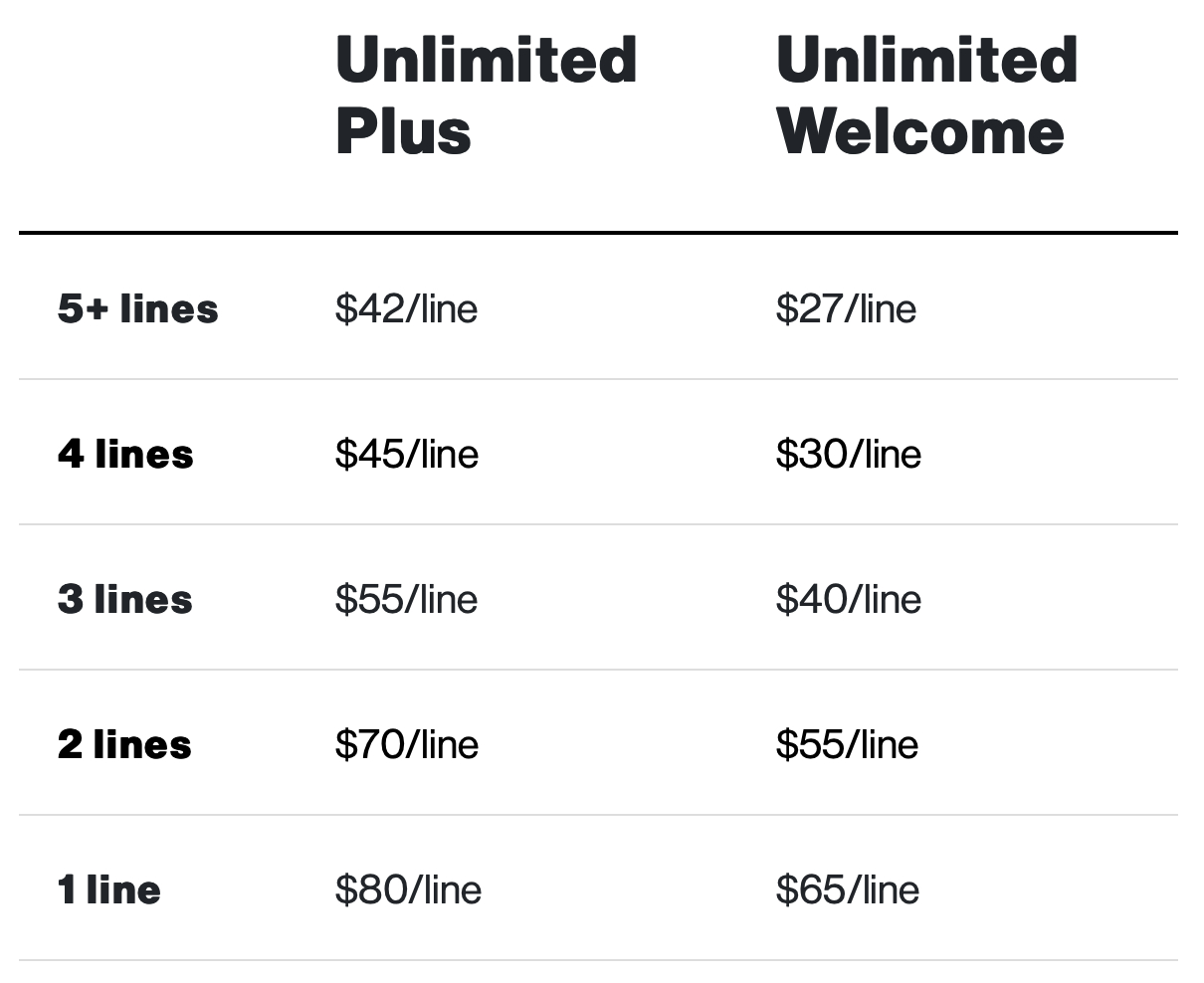
Postpaid arrangements support up to ten lines on a single billing profile, with shared data pools or unlimited data per line depending on the plan selected. Prepaid multi-line setups cap at five lines and offer a per-line discount that increases with each added member. The prepaid multi-line discount applies automatically, but each member pays their portion individually with no shared liability across members, which appeals to groups of friends or extended family who want to split costs without linking their credit histories.
Moving from prepaid to postpaid requires a credit application and a plan change that resets your billing cycle, and your existing balance does not transfer. Moving from postpaid to prepaid involves paying off any remaining device installment and unlocking the line for prepaid activation. The migration is not seamless in either direction, so choosing the right tier from the start saves time and avoids prorated charges. A customer who anticipates adding multiple lines or financing a flagship device should lean toward postpaid, while a customer who values a fixed monthly cost and already owns a phone will find prepaid more straightforward.
Prepaid plans display the total price at checkout, with taxes and fees included in the advertised rate. Postpaid bills add regulatory charges, administrative fees, and local taxes that can increase the final amount by several dollars per line. This difference in pricing clarity is one of the most cited reasons for choosing prepaid, as the all-in cost appeals to budget-conscious users who want to see exactly what leaves their bank account each month.
Postpaid lines can add Verizon Smart Family for location sharing, content filters, and screen-time limits, while prepaid lines do not support this add-on. A parent who wants granular oversight of a child’s device will need the postpaid tier. Prepaid offers basic usage alerts but lacks the same depth of monitoring tools, and this gap influences family decisions even when the per-line price of prepaid looks attractive.
Postpaid promotions frequently include trade-in credits, buy-one-get-one deals, and streaming service bundles that lower the effective monthly cost over two or three years. Prepaid
Returning or exchanging a phone
When you bought your phone directly from Verizon, you have 30 days to start a return or exchange through your online portal. Open the recent order inside My Verizon, view the order details, and begin the return process, keeping in mind that a single exchange is allowed and a restocking fee applies on wireless devices in most states. If you need to return Asurion phone hardware after a claim, place the damaged device inside the prepaid envelope that arrived with your replacement materials and send it back promptly. To return phone to AT&T, first turn off Find My device and any security locks, then use the prepaid label found inside the new phone’s box or printed from the order-tracking page. Drop the package at the shipping outlet shown on that label and keep the receipt, because AT&T requires the original device back within 30 days to prevent the remaining installment balance from being charged. The AT&T phone shipping duration for a new order is not shown as a set number of days on the provider’s site, so you simply watch for the text or email notification that confirms delivery. If you decide to return Samsung phone hardware that you financed, the same provider deadline and condition rules apply, so check your purchase date before boxing it up.
Switching carriers or porting out
Moving your number to a new provider is straightforward once you know your current account number and port-out PIN, though the exact steps to retrieve those details vary by carrier. If you plan to port out of Consumer Cellular, you may need to contact their assistance team directly to request the credentials and confirm your line is active. Timing also matters beyond the port itself; if you are moving to a T-Mobile plan through a retail partner, be aware that a Costco gift card delivery time for T-Mobile phones may vary. Before opening a new line, check the provider’s age rules, as Consumer Cellular age requirements may have specific conditions for primary holders and authorized users. Verify that you meet that threshold before initiating the switch, because a rejected application can delay your number transfer while your old service remains active.
Choosing compatible sims and accessories
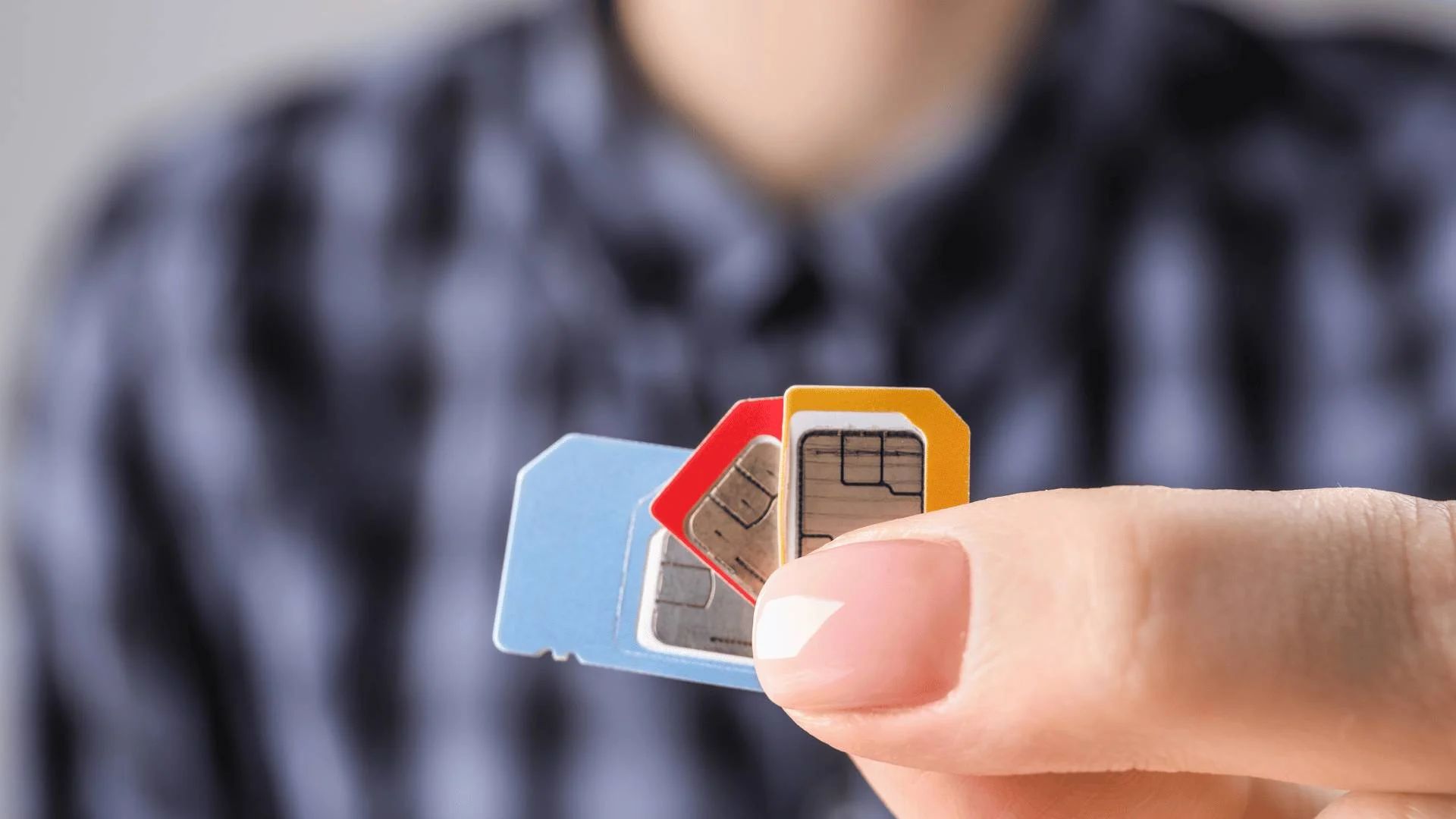
Before you pick up a SIM kit, confirm your phone can actually use it. Open the Verizon Prepaid BYOD flow and enter your IMEI number to confirm your device’s compatibility with the Verizon network. If the checker clears your phone, you can move on to picking a plan and setting up your number. For eSIM users, the My Verizon app automatically checks your phone’s eSIM compatibility and lets you activate without waiting for a physical card. If the app blocks the activation, you can contact Customer Service for assistance. You can also order a new physical SIM card and have it shipped anywhere in the U.S.
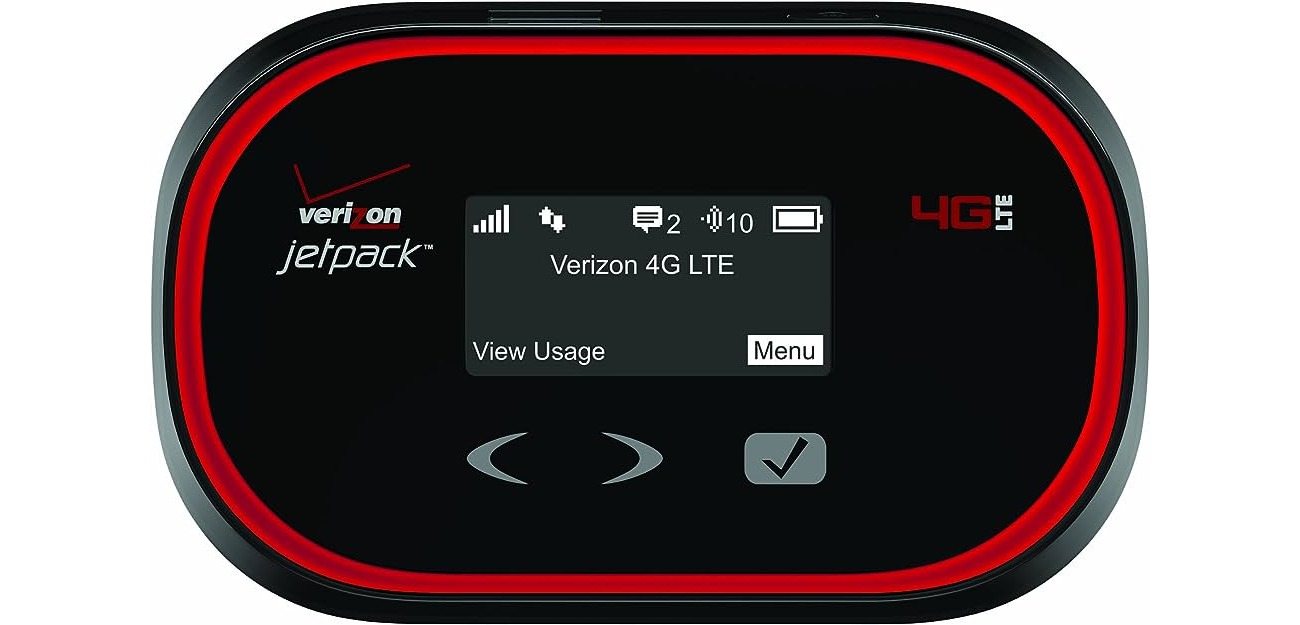
Your choice of card matters most when you are bringing a device originally built for another provider. An unlocked device from another carrier can be used with a Verizon Prepaid SIM card. Double-check which network your prepaid plan actually runs on before you buy. If you already have an activated SIM card from your desired operator, you must still ensure your device is unlocked and compatible with that operator's network. For a wider look at what is on the market right now, the 15 best GSM SIM card for 2024 roundup shows which cards handle the latest network bands and dual-SIM setups. Supported Verizon Prepaid device types include phones, smartwatches, tablets, and hotspot and router devices. Some devices can share a number too. You are not limited to just a phone when you activate a compatible line.
Frequently Asked Questions
How do I check if my phone is compatible with Verizon prepaid?
Use the IMEI compatibility tool on Verizon's website. The tool confirms whether your device is unlocked and works with the prepaid network profile. Phones originally locked to another provider may need a manual settings update before functioning correctly.
What does the Verizon Mobile Protect enrollment screen look like in My Verizon?
Open My Verizon and go to Products & plan perks. The system shows available protection options if your device or account is eligible. You can also enroll in a Verizon store.
Where in iPhone settings do I see if I already have AppleCare?
Go to Settings, then General, then AppleCare & Warranty, and tap your device. This screen shows hardware repair and technical support eligibility. The same path works on iPad.