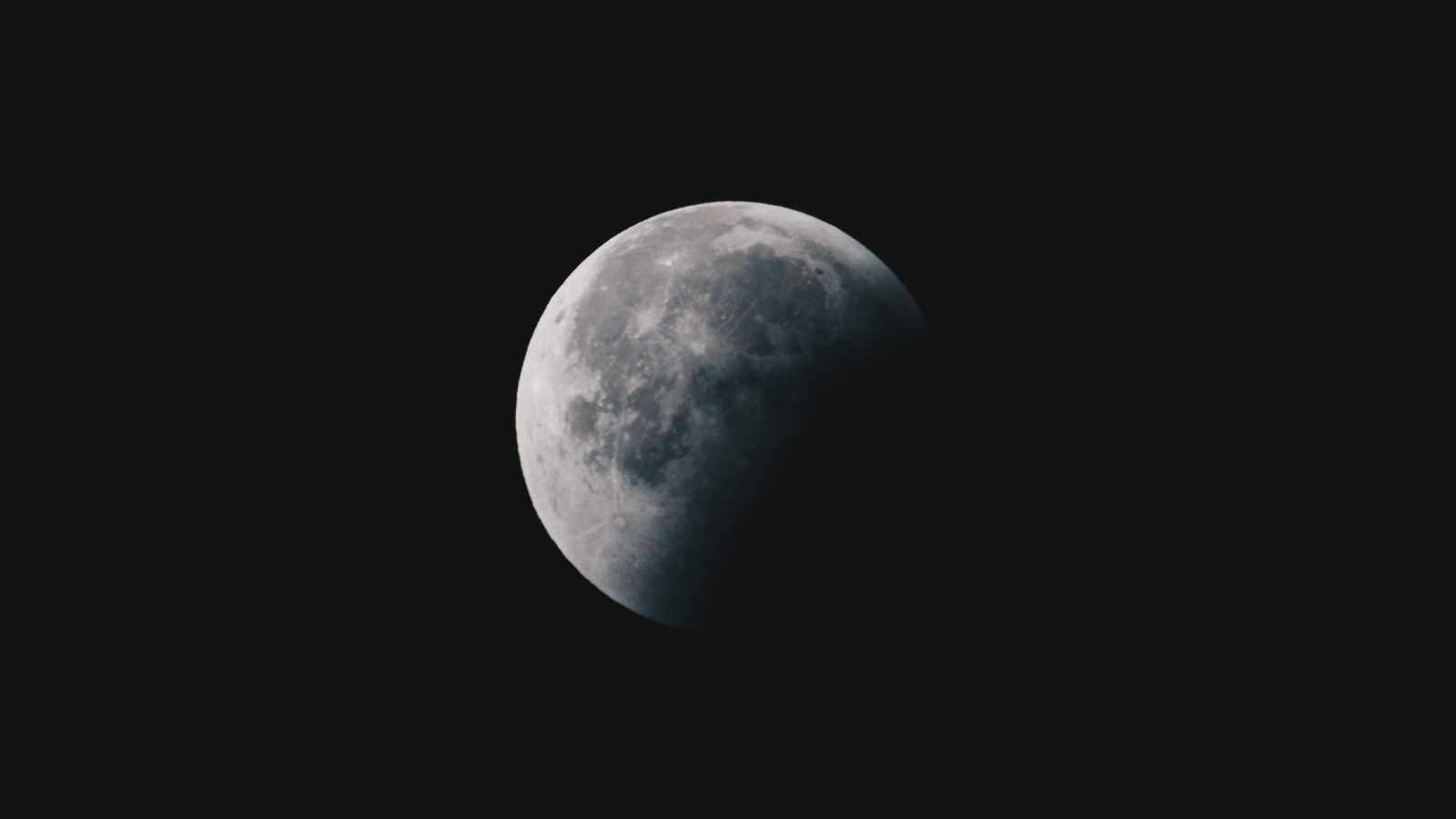





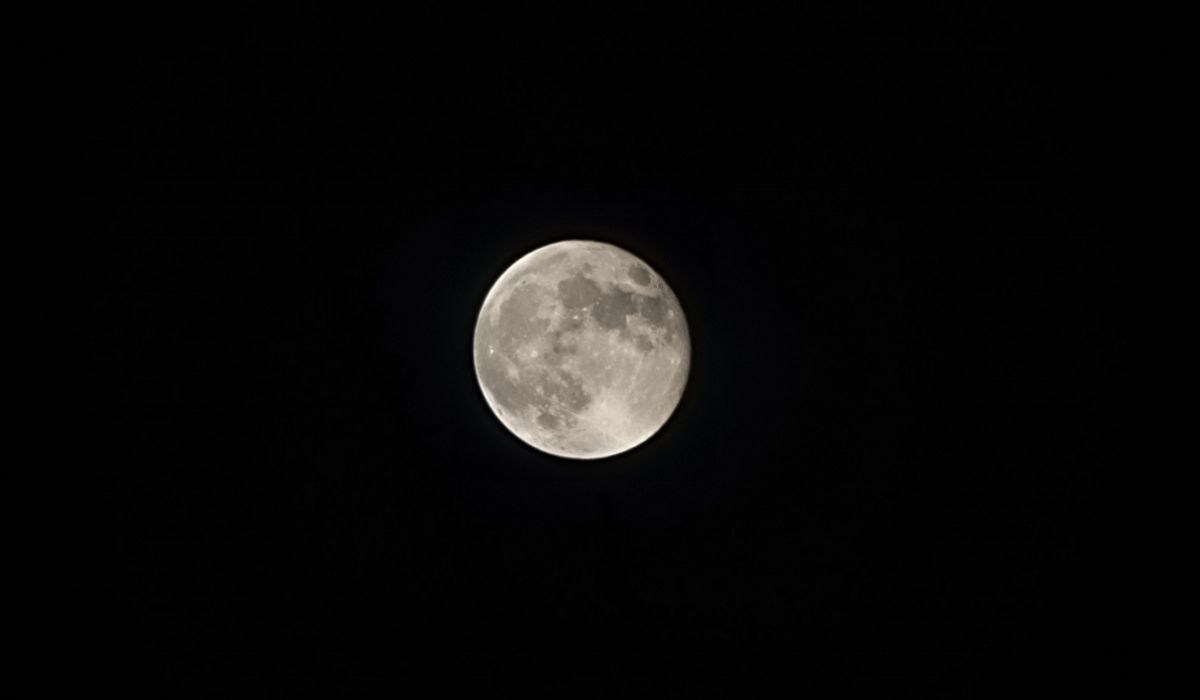
To take moon pictures with an iPhone 14 Pro, you must work around the fact that Apple does not provide a dedicated moon mode, relying instead on the phone's Night mode and 48MP Main camera to capture the shot through manual adjustments and careful stabilization. The following steps are community-tested methods, not an official Apple workflow, and they require patience and multiple attempts to get a sharp result.
How to take moon pictures with iPhone 14 Pro: what you need to know first
This means any moon photography steps for the iPhone are community-sourced, not from an Apple guide. The phone's hardware is capable, but you will need to manually control exposure and focus to get a clear image of the moon.
Getting ready: stabilize your iPhone and find dark skies
Preparation is critical for moon photography because the long exposure required to capture the moon's details is extremely sensitive to movement. Use a stable surface or a tripod-style support to keep the iPhone completely still during the shot. Google's official guidance for moon and star photos on Pixel devices recommends placing the phone on a stable surface, and the same principle applies to the iPhone 14 Pro. Ensure your battery is fully charged and clear storage space, as moon photos can produce larger file sizes. Choose a location with dark, cloud-free skies away from urban areas to reduce light pollution. Check the moon phase; a full moon can wash out contrast, while a crescent or quarter moon may show more surface detail. Google recommends avoiding a full moon if you want deeper blacks and more contrast.
Adjusting camera settings for a moon photo
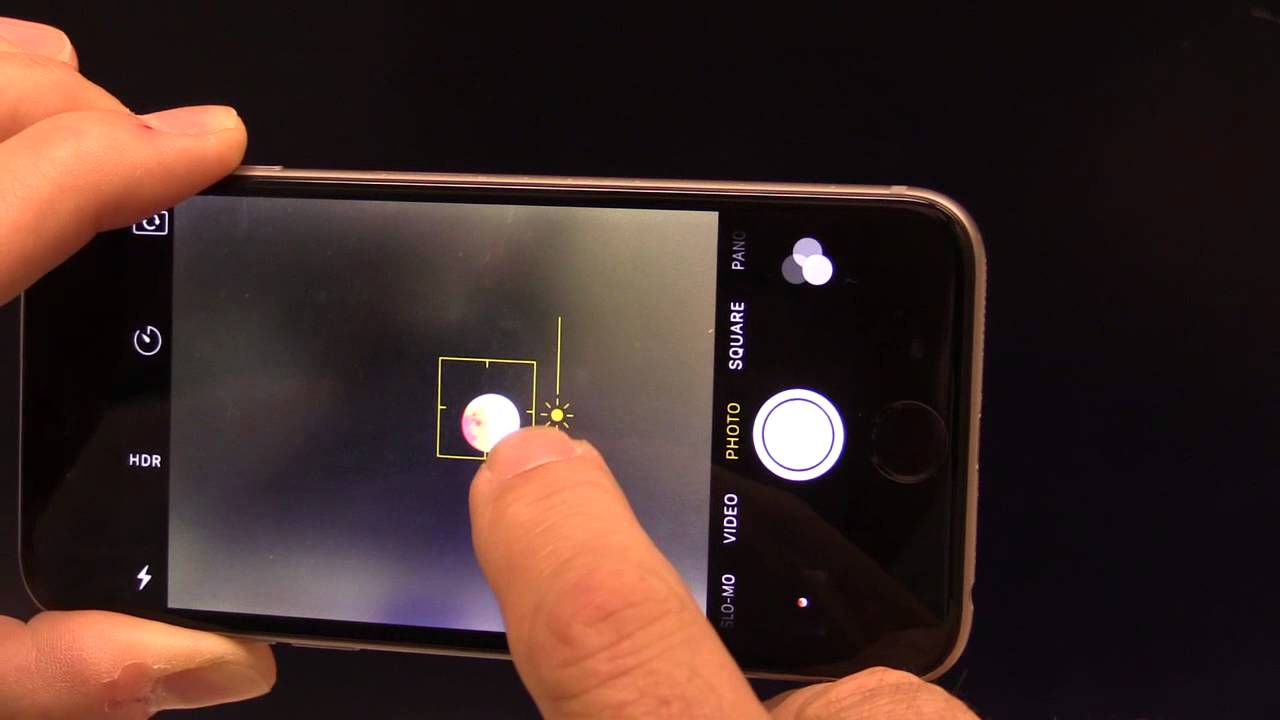
These steps are community-sourced and not from an official Apple workflow. Open the Camera app and tap the moon on the screen to set focus. Then slide your finger down on the screen to decrease exposure, which prevents the moon from appearing as a bright, featureless white disc. Frame the shot by zooming in using the pinch gesture, but be aware that the iPhone 14 Pro does not have an official zoom limit for moon shots documented by Apple. Use the self-timer (3 or 10 seconds) to minimize shake when tapping the shutter. The phone's Night mode will activate automatically in low light, but you cannot force a specific moon mode because Apple does not provide one.
Capturing the moon and reviewing your shot
Once the settings are adjusted, press the shutter and keep the iPhone completely still until the exposure finishes. The capture time will vary depending on the darkness of the sky. Experiment with composition by adding a foreground element, such as a tree, arch, hillside, or rock, for scale and depth, as Google recommends for its Pixel devices. Take multiple shots to increase your chances of a sharp image, then review each photo for sharpness and detail. Multiple attempts are often needed because even slight movement or changing light conditions can affect the result.
How other phone makers handle moon photography
For context, other smartphone makers provide official moon photography guidance. Google says its moon and star guidance applies to Pixel Camera Night Sight and Astrophotography features: open Camera, select Night Sight, then tap Astro to enable Astrophotography mode. The Pixel should be placed on a stable surface with a 3- to 10-second self-timer to reduce shake. Google says once you press the shutter, Pixel begins a long exposure, often around four minutes, and may extend the capture time if the sky is very dark. Google says to keep the phone completely still until the on-screen timer finishes. Google Pixel: tap and lock focus on a bright star or foreground, then adjust exposure by sliding your finger up or down until the sky and foreground look balanced. Samsung's official guidance says moon shots can be affected by Scene Optimizer, and you can disable it by going to Camera app > Camera settings > Scene Optimizer > Off. Samsung says to use the zoom map to check the moon’s location and adjust the moon to the center of the screen. Both approaches rely on the phone's hardware and software working together, but neither provides a universal moon mode across all Android phones.
Frequently Asked Questions
Does iPhone 14 Pro have a documented moon mode?
No. The retrieved Apple support page documents Night mode and camera hardware for the iPhone 14 Pro, but does not include a moon-specific mode or moon workflow.
What exact Samsung setting should be turned off for more natural moon photos?
Camera app > Camera settings > Scene Optimizer > Off. This disables AI support for the image, giving you a more natural result.
What exact Google Pixel path enables astrophotography?
Camera > Night Sight > Astro. This mode is designed for moon and star photography on Pixel devices.
What accessories are recommended for moon photos with an iPhone 14 Pro?
While the iPhone 14 Pro's camera can capture moon images on its own, a tripod or stable surface is strongly recommended to minimize blur from hand movement during the long exposure.
For the wider topic, see iPhone models and camera specs.
Related reading: How To Take A Picture Of The Moon With IPhone 11.