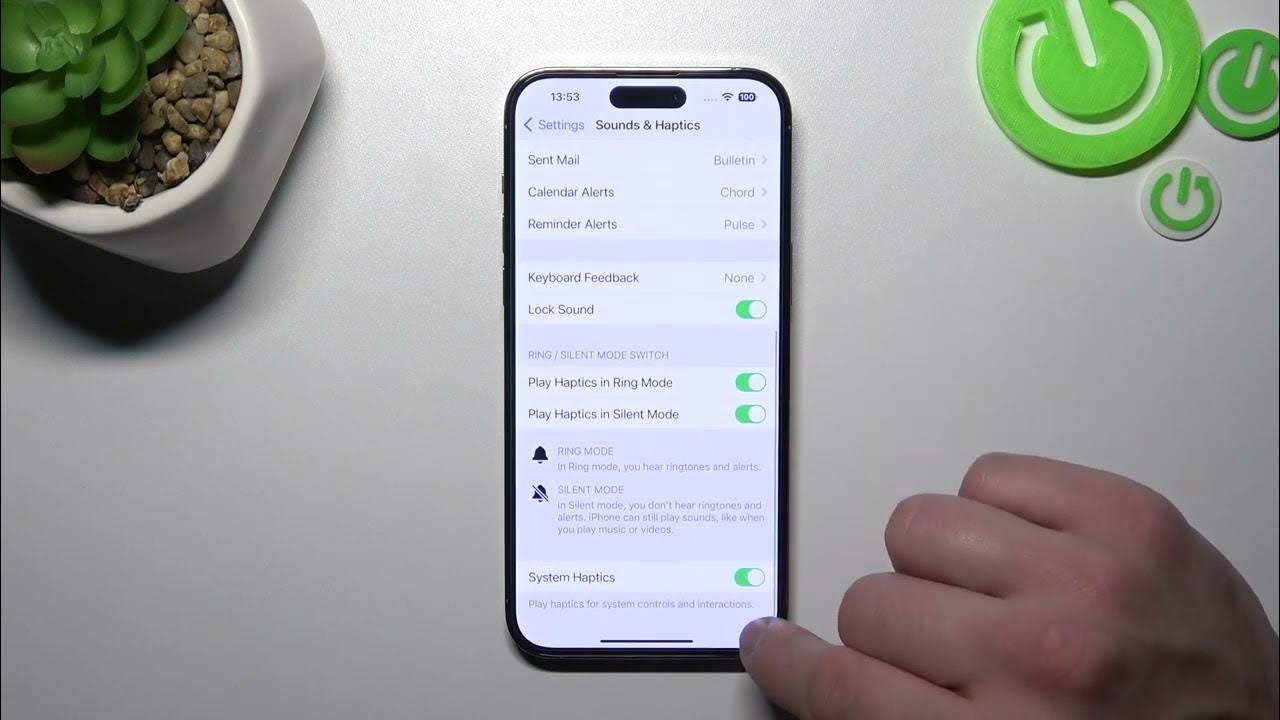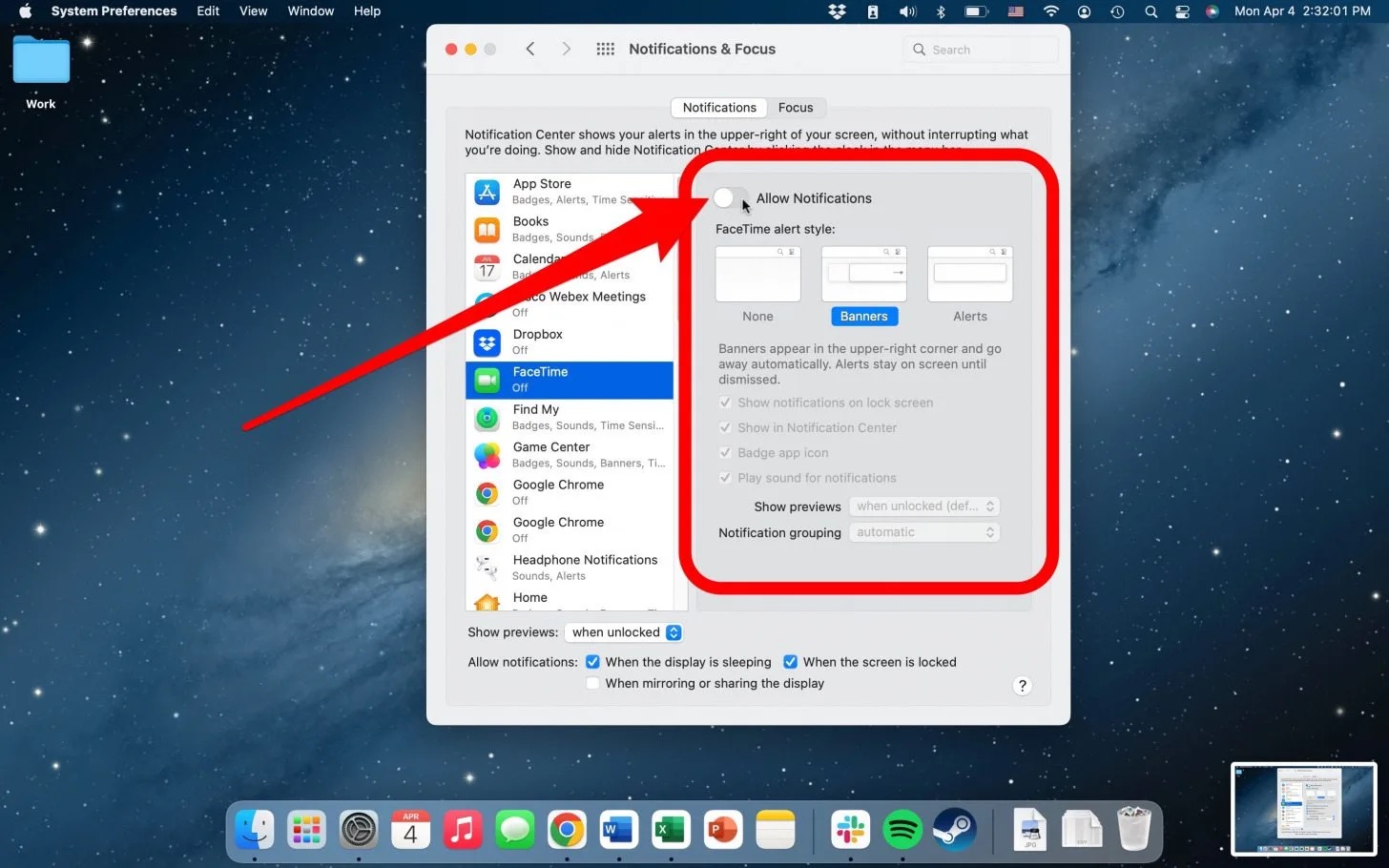





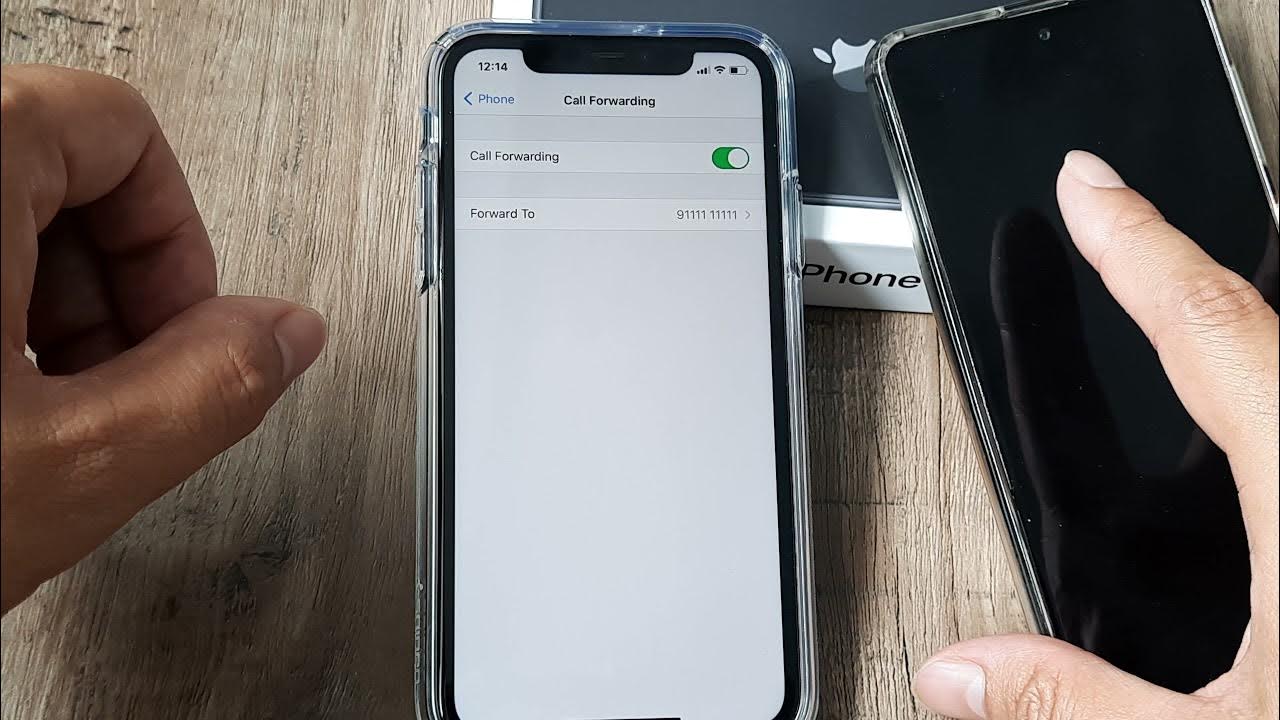
To turn off call forwarding on iPhone 11, open Settings, tap Apps, tap Phone, tap Call Forwarding, and toggle the switch off. On older iOS versions, the path is Settings > Phone > Call Forwarding instead, so the exact menu name varies by iOS version.
Check if call forwarding is already on
When call forwarding is active, a Call Forwarding icon appears in the iPhone status bar. On a Dual SIM iPhone, you need to select the correct line before checking the setting inside Settings > Apps > Phone > Call Forwarding. On Dual SIM models you choose a line first.
Turn off call forwarding in Settings
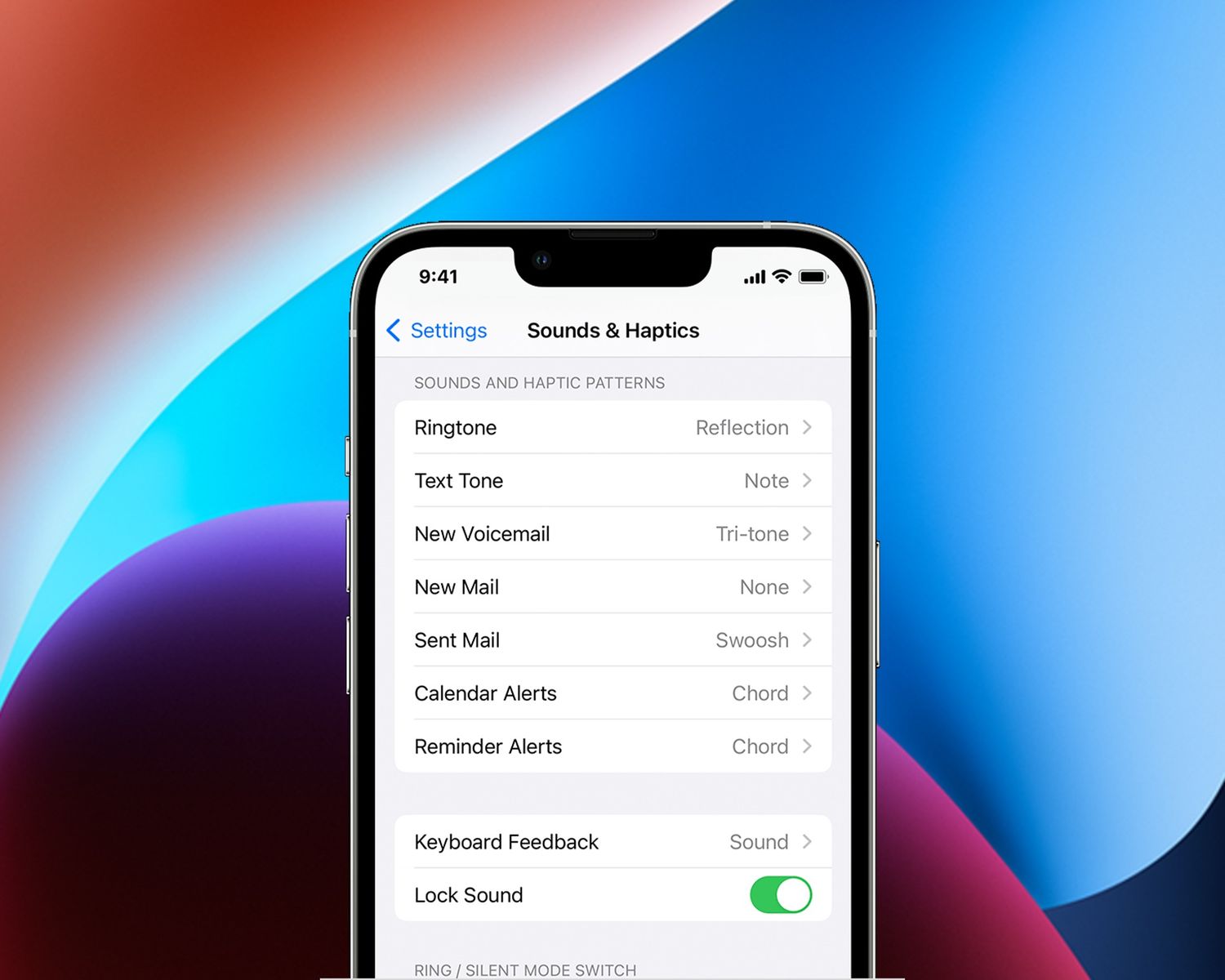
- Open Settings.
- Tap Apps, then tap Phone.
- Tap Call Forwarding.
- Turn the Call Forwarding switch off.
If the screen shows a Forward To number, turning off the feature with the on/off switch rather than just clearing the number is the documented way to stop forwarding.
Confirm call forwarding is disabled
Apple does not provide a separate confirmation screen for call forwarding being off. The main on-device indicator is the absence of the Call Forwarding icon from the status bar.
Troubleshooting: when call forwarding won't turn off
You must be in range of the cellular network when trying to change call forwarding settings, or the change may not take effect. Apple says this feature is available on iPhone when the line uses a GSM cellular network; on CDMA service, the carrier handles it. If your line uses a CDMA network, Apple directs you to contact your carrier to have forwarding turned off, because the carrier controls it. For Dual SIM models, make sure you have selected the correct line before trying to disable it. Conditional call forwarding (forwarding when busy, unanswered, or unreachable) depends on carrier support and must be configured with your carrier directly. Google's Phone app community guidance points to Phone app > three-dot menu (⋮) > Settings > Calling accounts > Call forwarding on Android. Another Google support-thread result says Settings > Calls may be the next step in some versions, so the exact menu path varies by device and Phone app version. Google's thread also lists forwarding types such as Always forward, When busy, When unanswered, and When unreachable. Apple's documented support covers iPhone models using GSM cellular service, including Dual SIM models; Apple does not give an iPhone 11-only limitation in the guide.
Frequently Asked Questions
Will turning off call forwarding affect my voicemail settings on iPhone 11?
No. Voicemail and call forwarding are separate features, so disabling forwarding does not change your voicemail setup.
Does turning off call forwarding on iPhone 11 incur any additional charges?
Turning off call forwarding does not add charges. The feature itself is typically included in your voice plan.
Can I schedule call forwarding on my iPhone 11?
The iPhone does not include a native option to schedule call forwarding. It can only be turned on or off manually.
Can I turn off call forwarding for specific numbers only?
No. The iPhone’s call forwarding setting applies to all incoming calls; there is no per-number control.
How do I forward a cell phone if I want to use this feature later?
To forward a cell phone on an iPhone, go to Settings > Apps > Phone > Call Forwarding, enter the destination number, and toggle the switch on.
Related reading: Why Do I Only Have 2 Bars On My IPhone 11 and How To Turn Off Roaming On IPhone 14.