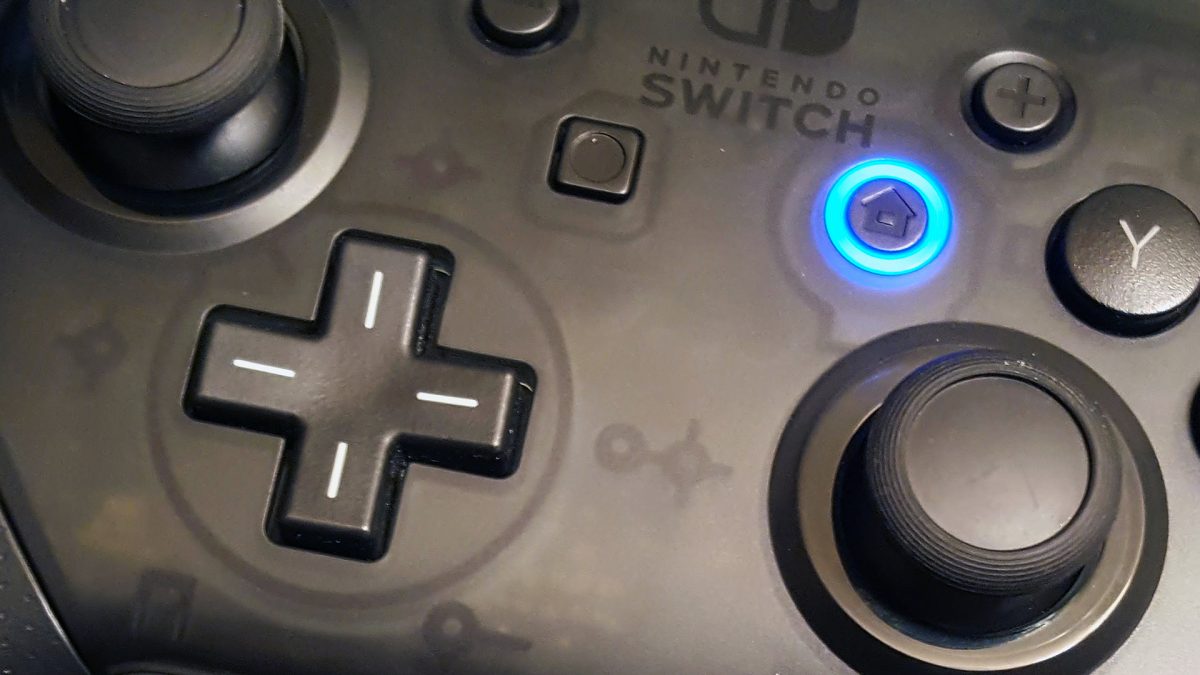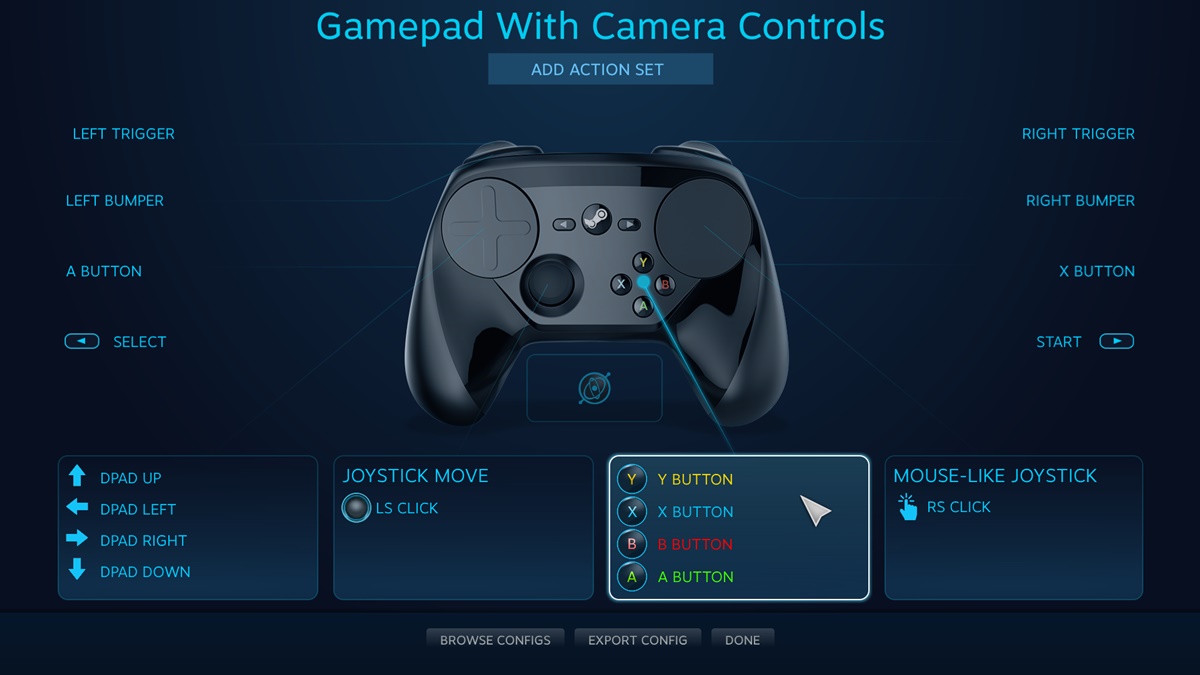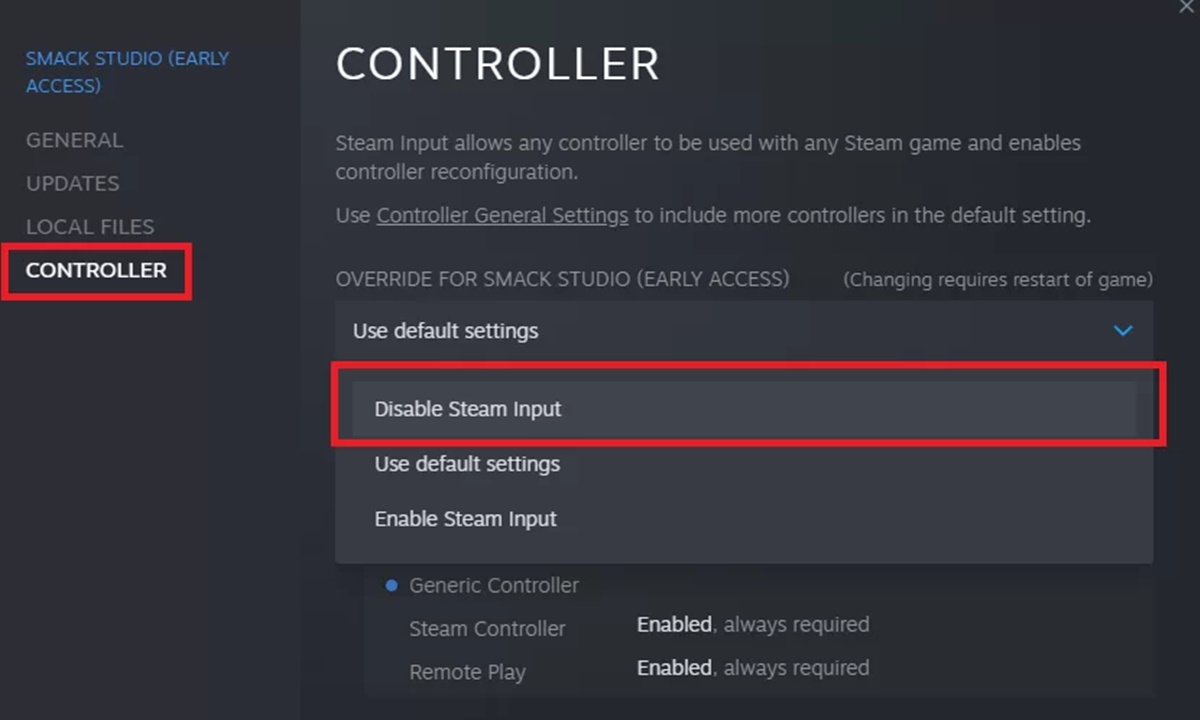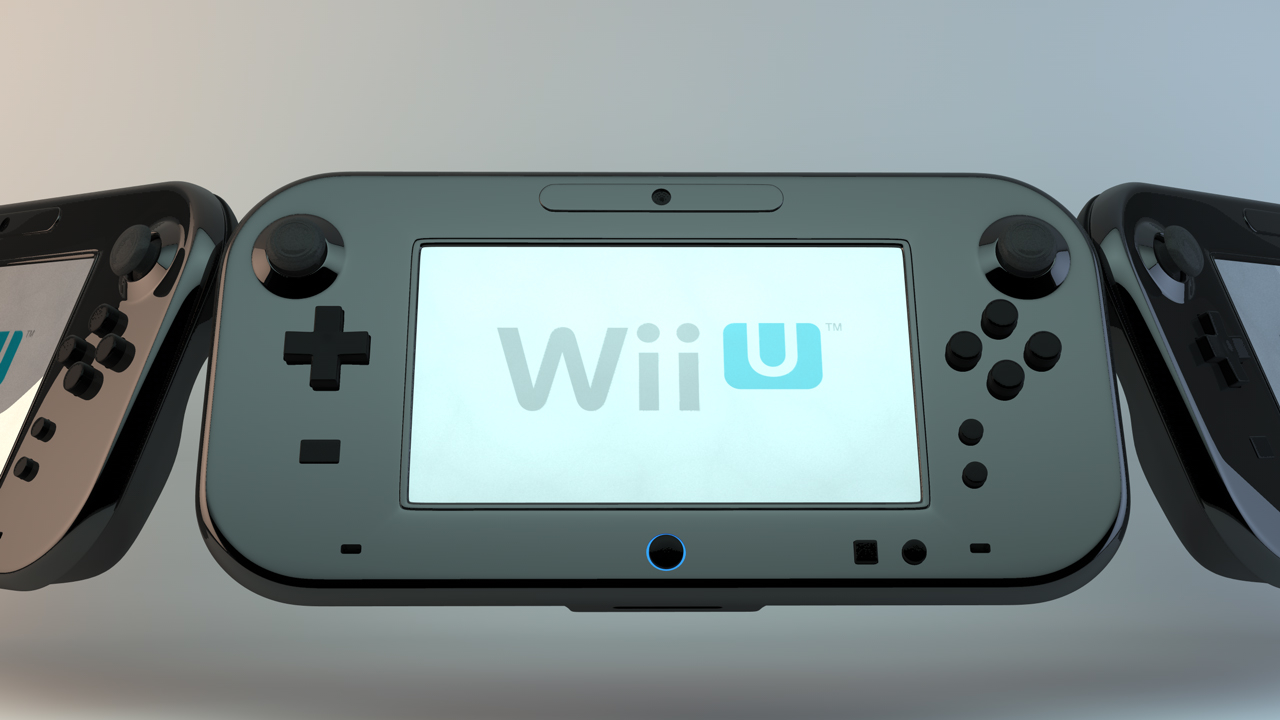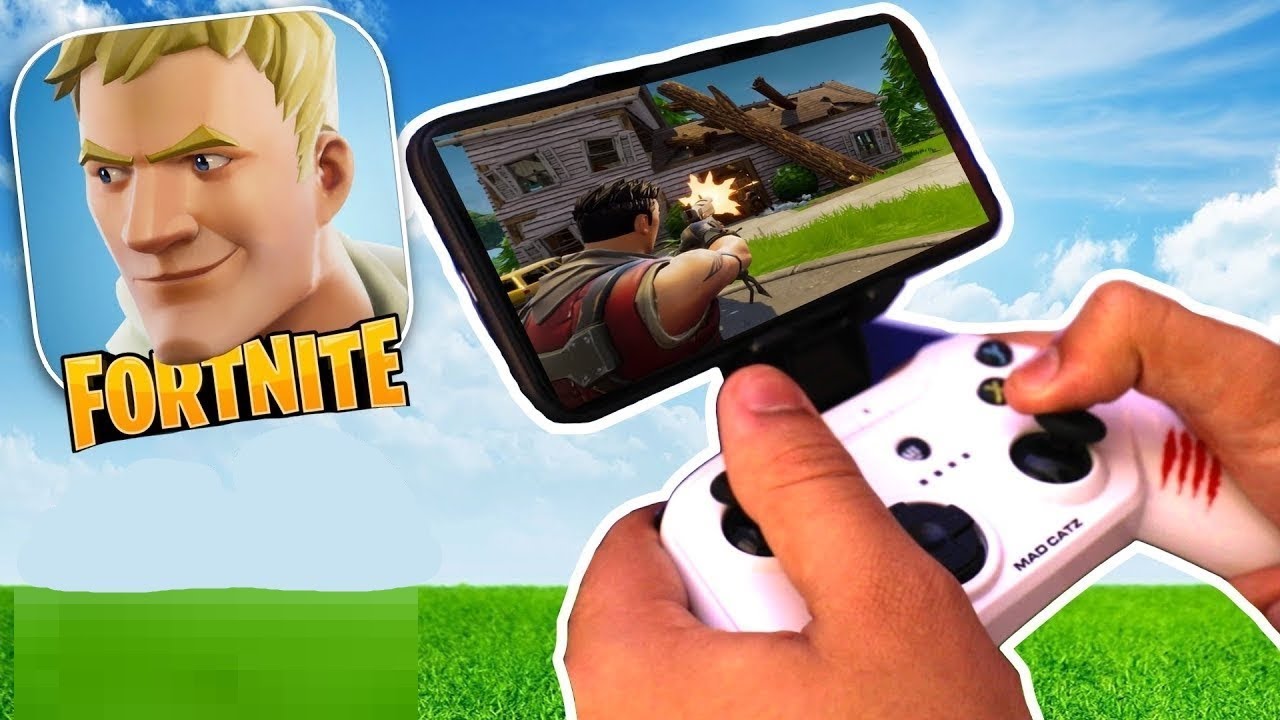





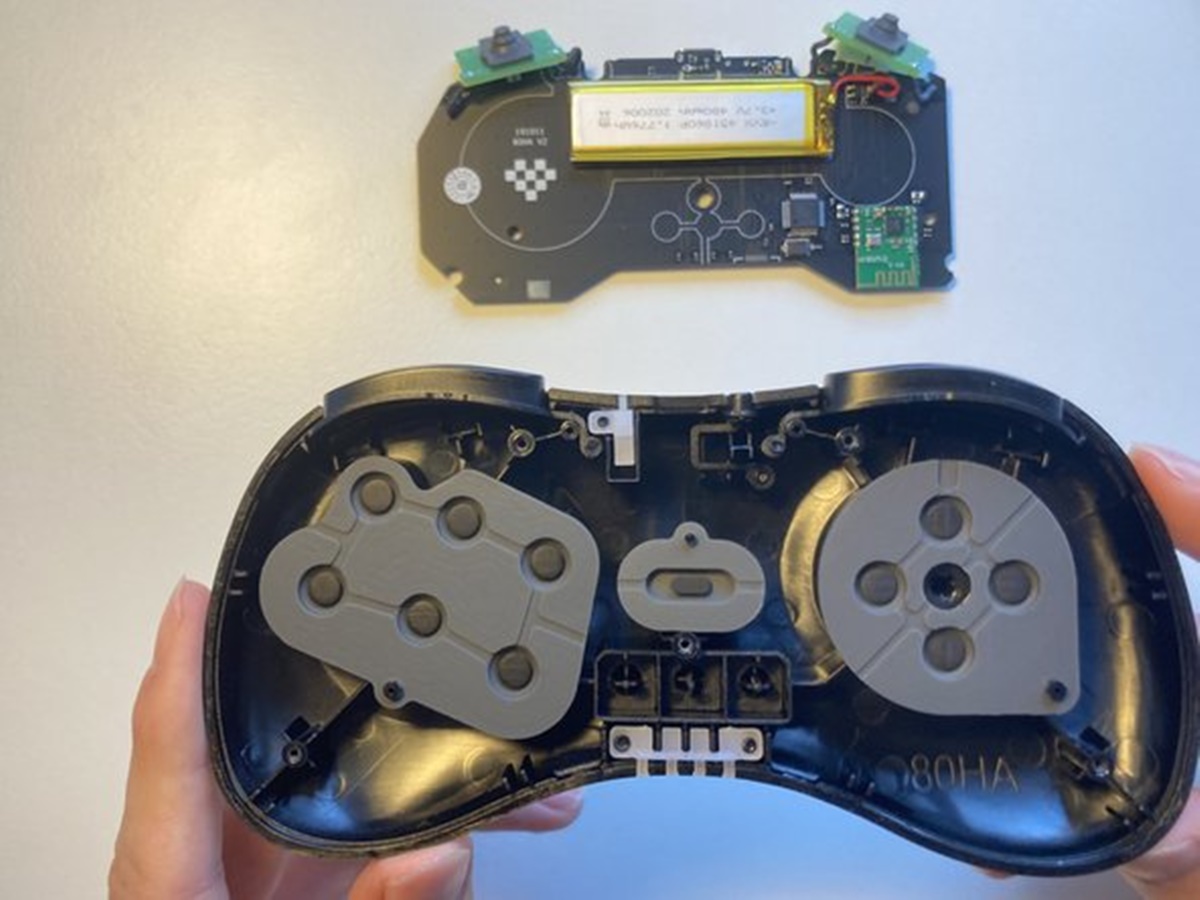
No official hardware removal guides exist from Apple, Android, or any major device manufacturer if you need to remove gamepad dpad components.
Why you can't find official steps to remove gamepad dpad
No verified hardware removal procedures for a gamepad D-pad have been published by Apple, Google, or any carrier. The official support pages for iPhone and Android focus entirely on how apps receive and process D-pad signals, not on how to open the controller or detach the D-pad itself. This means any step-by-step removal guide you find online comes from third-party sources, not from the companies that manufacture your devices.
What the official documentation actually covers
Android's game controller documentation describes D-pad presses as keycodes such as KEYCODE_DPAD_UP, KEYCODE_DPAD_DOWN, KEYCODE_DPAD_LEFT, and KEYCODE_DPAD_RIGHT, and also as hat-axis events AXIS_HAT_Y and AXIS_HAT_X. The guidance tells developers to treat D-pad key codes and hat-axis events as identical input events for compatibility across Android versions starting from Android 4.1. Android controller support guidance references Android 4.1 and higher for the proxy implementation path. Neither platform provides instructions for detaching, cleaning, or replacing the hardware.
Safe alternatives to physical dpad removal
Before attempting any disassembly, consider software-based solutions that avoid the risks of opening your controller. Many gamepad issues stem from input mapping or sensitivity settings rather than physical damage.
- Remap the D-pad inputs within your game's control settings. Most modern games allow you to reassign D-pad directions to different actions, which can work around a sticky or unresponsive button without touching the hardware.
- Adjust dead zone or sensitivity settings if your game or controller software offers them. This can reduce accidental inputs without any physical modification.
- Consult the official controller support page for your specific gamepad model. Manufacturers often provide troubleshooting steps for input issues that do not require disassembly and do not void your warranty.
- Use the operating system's controller calibration or testing tools to confirm whether the D-pad is sending the correct signals. This helps determine if the problem is hardware or software related.
These alternatives keep your warranty intact and avoid the risks of damaging internal components. For users who need structured help with their controller, the gamepad setup and troubleshooting section of your device's support site is the correct place to start.
When to seek professional repair
If the D-pad is physically broken, unresponsive after software troubleshooting, or if you have already opened the controller and damaged internal parts, professional repair is the only safe option. Disassembly almost always voids the manufacturer's warranty, and attempting to clean or replace the D-pad without proper tools and experience can cause permanent damage to the circuit board, ribbon cables, or button contacts. Contact the controller's manufacturer or a certified electronics repair service rather than following unverified online guides.
Frequently Asked Questions
Can I remove the D-pad on any gamepad?
Not all gamepads allow easy D-pad removal. Some controllers have a fixed D-pad that is soldered to the circuit board or molded into the shell, making removal impossible without destroying the component. Check your specific model's design before attempting any disassembly.
What tools do I need to remove a gamepad D-pad?
Common tools include a small precision screwdriver and a plastic pry tool, but the exact requirements vary by controller model. No official documentation specifies tools for this task, and using the wrong size or type of tool can strip screws or crack the housing.
Are there any risks involved in removing a gamepad D-pad?
Yes. Risks include breaking plastic clips, tearing ribbon cables, damaging solder joints, and voiding the warranty. If you apply too much force, you can permanently ruin the controller. Professional repair is recommended unless you are experienced with electronics disassembly.
Will removing the D-pad fix stickiness or unresponsiveness?
Not necessarily. Stickiness is often caused by debris or residue on the surface or underneath the D-pad, which can sometimes be cleaned without removal. Unresponsiveness may be due to a worn conductive pad or a broken circuit trace, which requires replacement of internal parts, not just D-pad removal.
Does Apple or Android provide any official repair guides for gamepad D-pads?
No. The only official material from these companies describes how software interprets D-pad input, not how to repair or replace the physical hardware. Any repair steps you find are from third-party sources and carry no guarantee of accuracy or safety.
For the wider topic, see gamepad setup and troubleshooting.
Related reading: How To Turn Off Blue Light On Switch Pro Controller and How To Set Up A Gamepad For Steam.