




To change your IP address on a mobile phone, the method depends on whether you want to mask your public IP from websites or refresh your local network address. On an iPhone, the two real ways to change or mask your public IP are Apple's built-in privacy features and third-party VPNs, though Android steps vary by manufacturer.
How to change IP address on your iPhone
Unplug and restart your router
Unplug your router, wait about 30 seconds, and plug it back in. This often forces your ISP to assign a new public IP address to your home network, which affects all connected devices including your iPhone.

Forget the Wi-Fi network and reconnect
Forgetting and rejoining a network can assign a fresh local IP address on both Android and iPhone.
- Open Settings and tap Wi-Fi.
- Tap the blue i icon next to the connected network.
- Tap Forget This Network, then confirm.
- Reconnect to the same network by selecting it and entering the password.
Assign a static IP manually
Set a fixed local IP address via Settings > Wi-Fi > network > Configure IPv4 > Manual. Enter your chosen IP, Subnet Mask, and Router, then tap Save.
Use iCloud Private Relay to limit IP tracking
iCloud Private Relay hides your IP address from known trackers, not all sites, by routing your Safari traffic through two separate internet relays. This feature is available with an iCloud+ subscription.
- Open Settings and tap your name at the top.
- Tap iCloud, then Private Relay.
- Turn on Limit IP Address Tracking.
- Tap IP Address Location and choose either Maintain General Location (shows a broader area) or Use Country and Time Zone (shows only your country and time zone).
Renew your local IP lease on Wi-Fi
Renewing the lease refreshes your local network address on that Wi-Fi network, not your public IP. This can help with local connectivity issues such as a conflict with another device on the same router.
- Open Settings and tap Wi-Fi.
- Tap Renew Lease, then confirm in the pop-up.
Reset network settings as a broader fix
This clears all saved Wi-Fi networks and passwords, so you must re-enter them afterward. Use this when renewing the lease does not resolve network problems.
- Open Settings and tap General.
- Scroll down and tap Transfer or Reset iPhone.
- Tap Reset, then Reset Network Settings.
- Enter your passcode and confirm.
Use a VPN to mask your public IP address
VPNs route your traffic through their servers, so websites see the VPN server's IP address instead of yours. This effectively changes your public IP and can help bypass geo-blocked content. Two examples are NordVPN and PureVPN.
NordVPN: Subscribe through the NordVPN checkout page, download the app from the App Store, sign in, and select a country to connect to that region's IP address.
PureVPN: Subscribe or start a trial from the PureVPN order page, download the app from the App Store, log in with your email and password, and tap the central button on the home screen to connect.
What about Android phones?
The VPN method works the same way on Android as on iPhone: download a VPN app from Google Play, sign in, and connect. Android also has a unique alternative: Tor Browser via Orbot. Download Orbot: Tor from Google Play, install it, set your language, and choose to continue without Superuser access (rooting your phone compromises safety and voids warranty). Once activated, use a Tor-compatible browser to mask your IP with a Tor IP address. Note that Orbot only encrypts data sent from your device to the Tor network, not two-way encryption.
Assign a static IP on Android
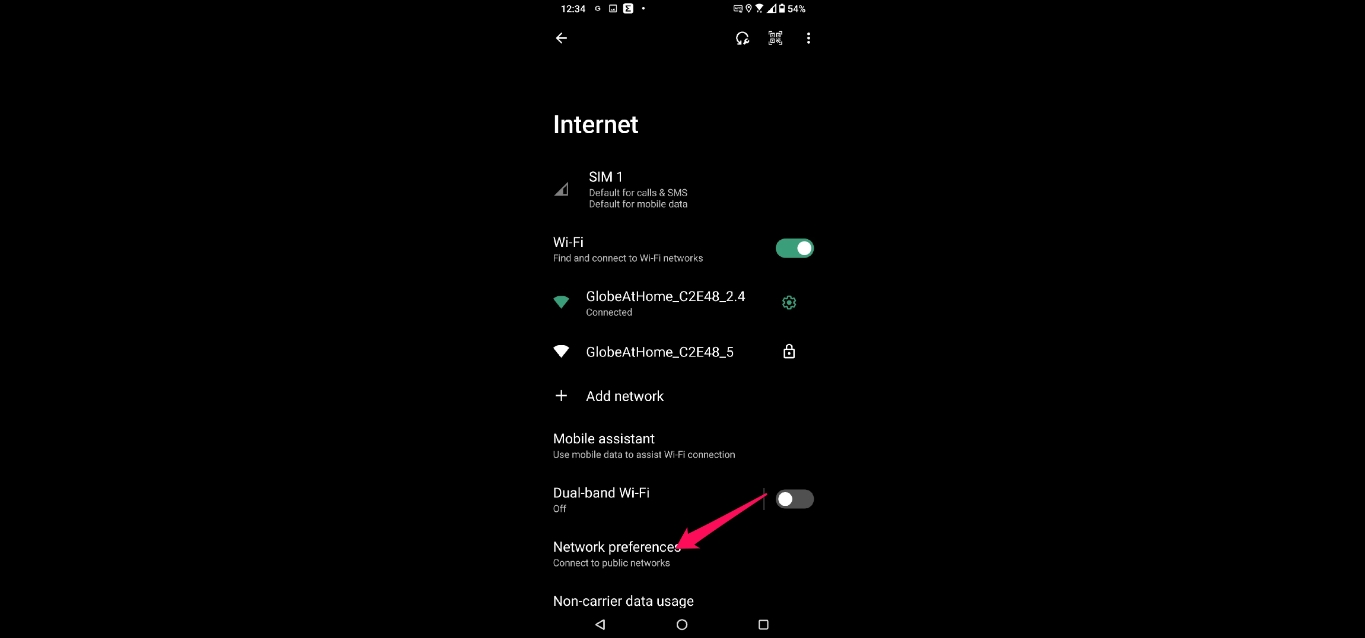
Go to Settings > Connections > Wi-Fi > cog icon > Advanced/Modify Network > IP Settings > Static. Enter your desired IP address, ensuring the last digits are any number between 1 and 225. If a combination of digits does not work, that IP address is already taken by another connected device.
When to contact your internet service provider
If you need a permanent public IP change, your ISP can assign a static public IP upon request, usually for a fee. This is the only way to get a permanent public IP change from the phone itself. Be prepared to provide your current IP address and verify your account.
Frequently Asked Questions
Does changing my IP address make me anonymous online?
No single method guarantees anonymity. Apple's Limit IP Address Tracking only hides your IP from known trackers, and even a VPN or Tor can be compromised by browser fingerprinting or logging policies.
Can I change my IP address on cellular data?
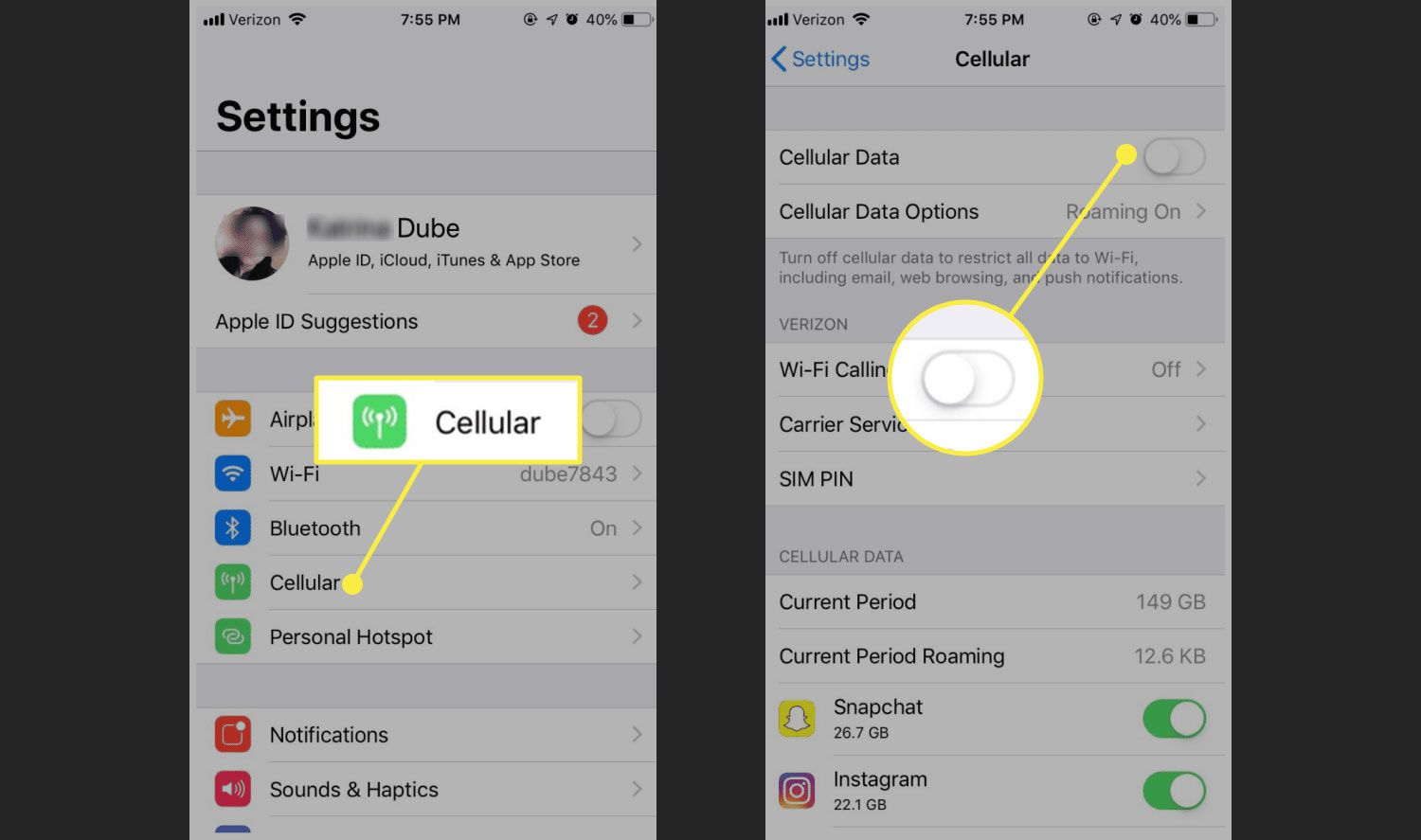
There is no documented phone-side method to change your public IP on cellular data. Your carrier assigns a dynamic IP from their network, and it changes only when the network reassigns it, not from your phone's settings.
Will changing names and labels on mobile affect my IP address?
No. Changing names and labels on mobile, such as renaming your device or Wi-Fi network, has no effect on your IP address. IP addresses are assigned by the network, not by device names.
Is it safe to set a static IP on my iPhone?
Setting a static IP via Settings > Wi-Fi > [i] > Configure IP > Manual changes only your local network address. If you enter the wrong IP Address, Subnet Mask, or Router values, you can break connectivity on that Wi-Fi network until you switch back to Automatic.
Does resetting network settings delete anything else?
Yes. Reset Network Settings removes all saved Wi-Fi networks and passwords, Bluetooth pairings, and VPN configurations. It does not delete your personal data, photos, or apps.
Related reading: How To Get Cellular Data For Free and How To Change Mobile Data IP Address.


![16 Best VPN for Android & iOS in 2022 [FREE & PAID]](/wp-content/uploads/2019/12/image3-1.jpg)