




You cannot simply turn on a setting on your iPhone or Android to receive collect calls on a cell phone; most major carriers do not support this feature, and there is no universal menu path to enable it. The ability to receive collect calls on a cell phone is entirely dependent on your carrier's specific policies and account restrictions, not a toggle in your phone's settings.
Can you receive collect calls on a cell phone?
The direct answer is that most mobile carriers do not support receiving collect calls, and there is no iPhone or Android setting to enable it. Official support pages from carriers like AT&T and Optimum confirm that their mobile services explicitly block this functionality. The feature is not a standard phone setting on any modern smartphone.
The carrier reality: why collect calls fail on mobile
Collect calls fail on mobile because the cellular ecosystem was not designed to handle them the way traditional landlines did. AT&T Phone service does not support receiving collect or third-party calls. Optimum Mobile also does not support receiving collect calls. This carrier-dependent nature means that even if you have a capable phone, your service provider must explicitly allow the feature, and most do not.
The one legacy exception: AT&T Collect to Wireless
The only documented mobile option is AT&T's legacy "Collect to Wireless" service. This is not a setting on your phone; it is a process the caller follows. To place a collect call to an AT&T wireless number, the caller dials 1-800-CALL-ATT (1-800-225-5288), selects the collect-to-wireless option, enters the 10-digit mobile number, and says their name. An AT&T Collect to Wireless call can last up to 20 minutes. This service was documented as not available from coin phones. This option is for callers placing the call, not for you to configure on your device.
How a traditional collect call works (for contrast)
On a traditional Bell home phone, a collect call works by the caller dialing 0 and following automated prompts. The receiver must then accept the charges before the call connects. This landline process illustrates why the mobile ecosystem is fundamentally different: mobile carriers have not built the billing and routing infrastructure to support this model, and most have chosen to block it entirely rather than offer it as a feature.
What to do if you're expecting a call from a facility
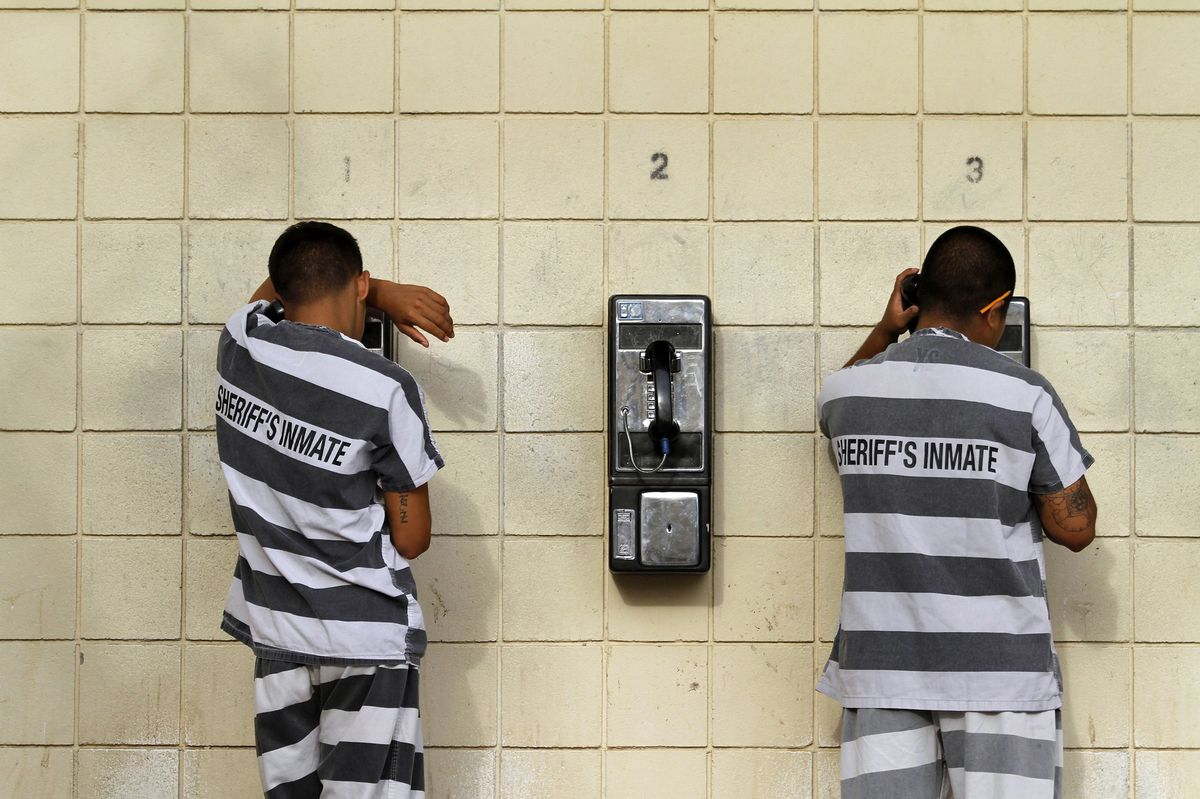
If you are expecting a collect call from a correctional facility or someone without funds, your first step is to contact your specific carrier to confirm whether they support receiving collect calls and what account restrictions may apply. Since many carriers explicitly do not, you should work directly with the correctional facility's approved service providers, as they often have their own systems for connecting calls to mobile numbers that bypass traditional collect call methods. This is a practical, empathetic approach that focuses on the actual path to receiving the call rather than trying to enable a feature your carrier does not support.
Frequently Asked Questions
Can I block collect calls on my cell phone?
Yes, if your carrier supports collect calls, you can typically request a block by contacting customer service. For example, Bell home phone users can call 1 866 310-BELL (2355) to request collect-call restriction. On Bell home phone service, collect-call blocking can be requested by calling 1 866 310-BELL (2355) and asking for collect-call restriction. On mobile, blocking depends on your carrier's available features.
Are there third-party apps for receiving collect calls?
No official third-party app for receiving collect calls on a cell phone was documented in the verified sources. While apps exist for making low-cost calls, none were found that specifically enable collect call reception as a standard feature.
Can I make collect calls from my cell phone?
Making collect calls from a cell phone is more limited than receiving them. Many mobile service providers no longer support this feature. The documented exception is AT&T's Collect to Wireless service, which is for callers placing the call to a wireless number, not for initiating from a mobile device.
Will I be charged for receiving a collect call on my cell phone?
Yes, if your carrier supports collect calls, the charges are typically billed to the recipient after they accept the call. On Bell home phone service, for example, charges are billed to the receiver upon acceptance. On mobile, any fees would depend on your carrier's specific plan and policies.
Does international calling affect collect calls on mobile?
International calling and plans do not change the fundamental carrier restrictions on collect calls. If your carrier does not support collect calls domestically, international calling and plans will not enable the feature. The same carrier-level blocks apply regardless of the call's origin.
Related reading: How To Trade In A Phone With T-Mobile.