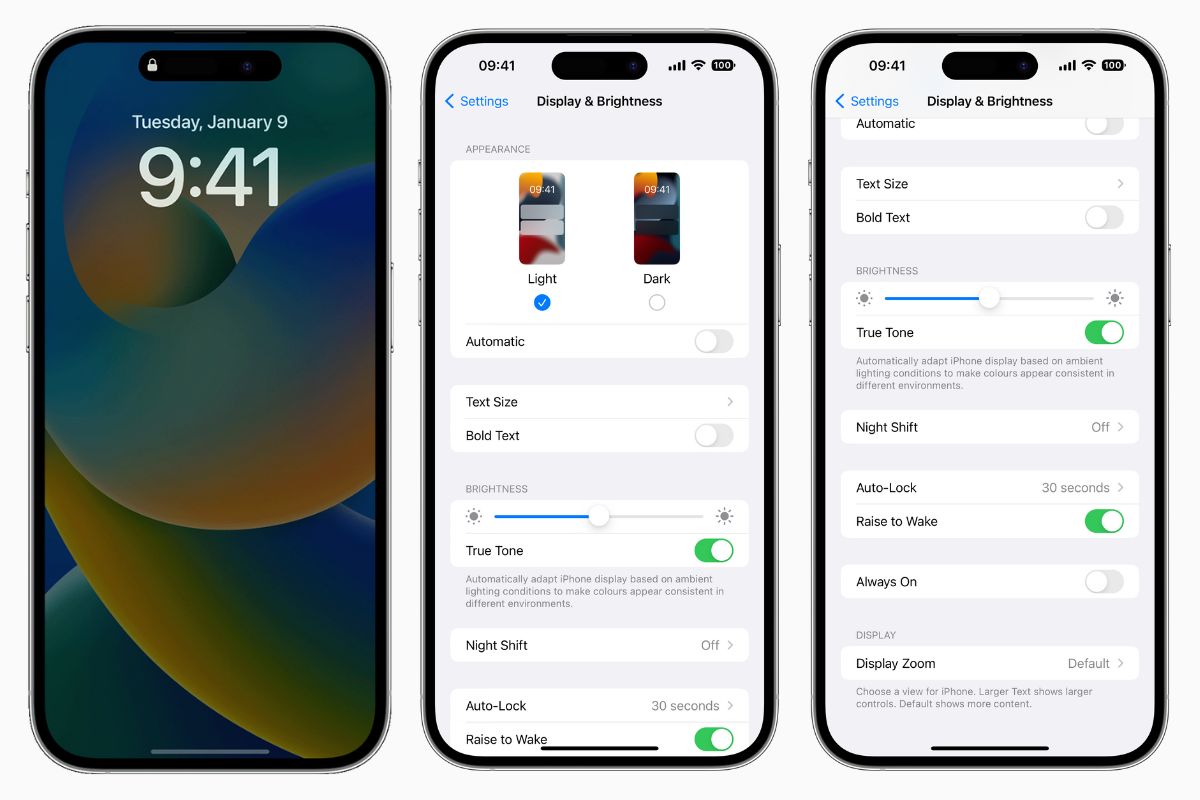





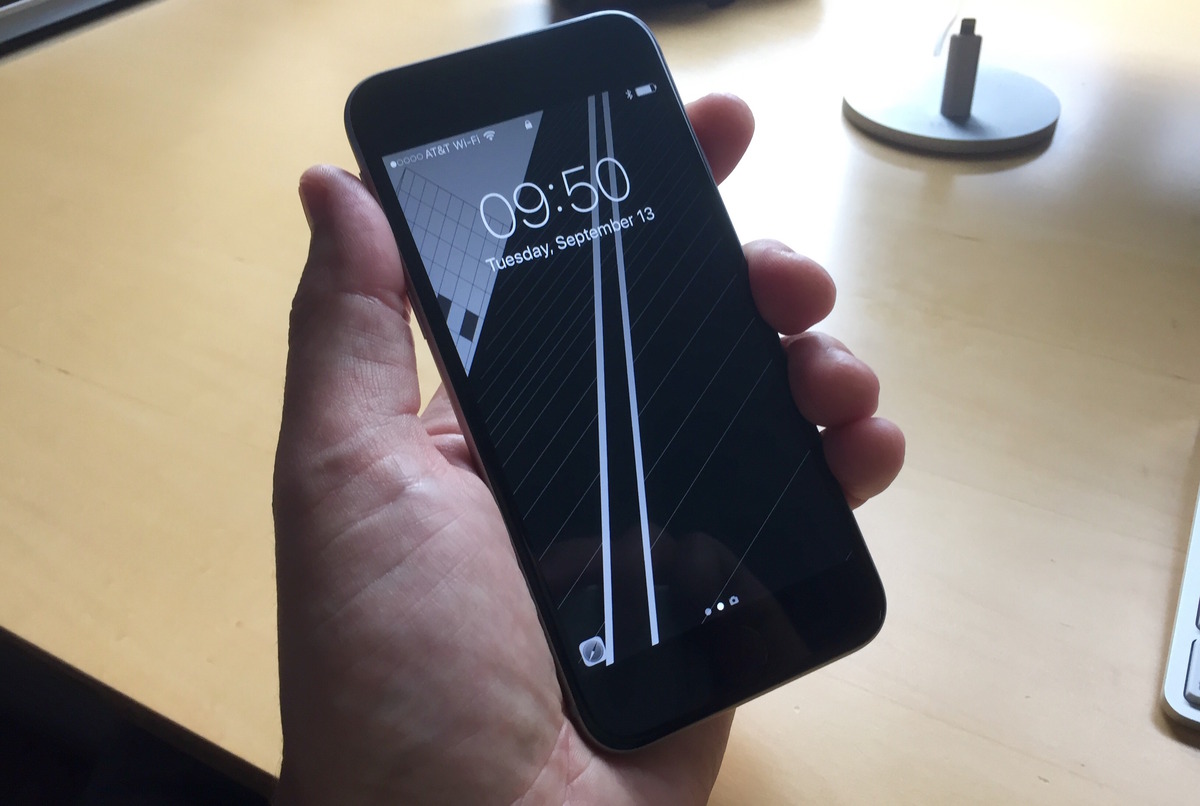
To turn off raise to wake on iPhone, open Settings, tap Display & Brightness, then toggle off the Raise to Wake switch. With this feature disabled, your iPhone screen will no longer light up automatically when you lift the device.
How to turn off raise to wake on iPhone
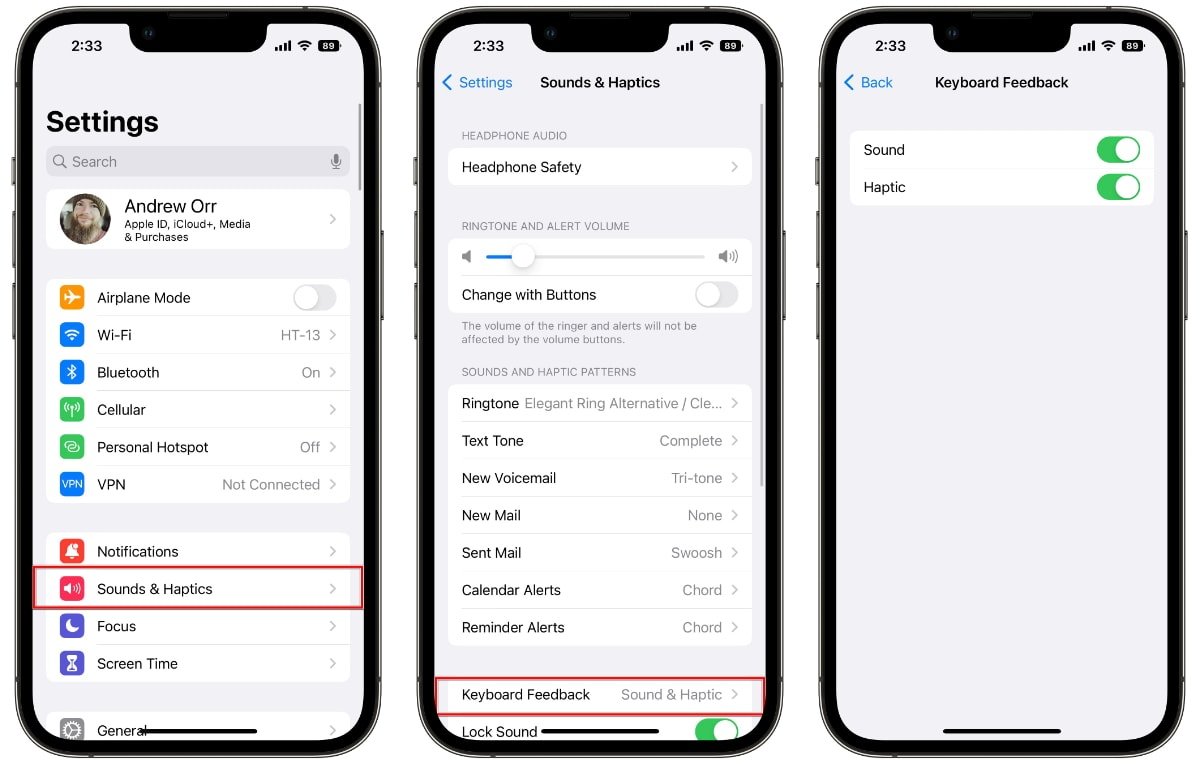
Disabling Raise to Wake is a single setting change. Follow these steps:
- Open the Settings app on your iPhone.
- Tap Display & Brightness.
- Locate the Raise to Wake toggle switch.
- Tap the toggle to turn it off. The switch will change from green to gray.
Once turned off, your iPhone will not wake when you raise it. You will need to use an alternative method to wake the screen, such as pressing the side button, pressing the Home button (on models that have one), or tapping the screen. Disabling Raise to Wake via Control Center is temporary and re-enables after iPhone restart. Turning off Tap to Wake in Accessibility settings also effectively disables Raise to Wake.
Why turn off raise to wake
Many users disable Raise to Wake to save battery life, as the feature uses a small amount of power by continuously monitoring the device's motion sensors. Another common reason is preventing accidental wake-ups when the iPhone is in a pocket or bag, which can lead to unintended screen touches or button presses. Some users simply prefer manual control over when their screen turns on, especially if they find automatic wake-ups distracting during focused work or while powering your phone on and off in a pocket.
How to wake your iPhone without raise to wake
With Raise to Wake off, you have three reliable ways to wake your iPhone:
- Side button: Press the side button (also called the power button) on any iPhone model. This is the primary method for iPhones without a Home button, such as iPhone X and newer.
- Home button: On iPhone models with a physical Home button (iPhone SE, iPhone 8 and earlier), press the Home button to wake the screen.
- Tap to wake: On supported models, you can tap the screen to wake it. This feature is separate from Raise to Wake and remains available even after disabling Raise to Wake. Tap to Wake toggle is located in Settings > Accessibility > Touch.
Note that pressing the side button or Home button will wake the screen but may also trigger Face ID or Touch ID authentication depending on your lock screen settings.
Frequently Asked Questions
Does turning off raise to wake affect Face ID or Touch ID?
No. Disabling Raise to Wake has no effect on Face ID or Touch ID. You can still unlock your iPhone or authenticate purchases using these features normally.
Will turning off raise to wake save battery?
Yes, disabling Raise to Wake can save a small amount of battery life because the iPhone's motion sensors no longer need to constantly check for the lifting motion. The savings are modest but can add up over a full day of use.
How do I re-enable raise to wake?
Follow the same steps used to disable it: go to Settings > Display & Brightness and toggle the Raise to Wake switch back on. The feature will be active immediately.
Does raise to wake work when the iPhone is face down?
No. Raise to Wake is designed to activate only when the iPhone is lifted in an upright orientation. If the device is face down or in a pocket, the feature will not trigger the screen.
Can I use tap to wake if I turn off raise to wake?
Yes. Tap to Wake is a separate setting found in Settings > Accessibility > Touch. It works independently of Raise to Wake, so you can keep it enabled even after disabling Raise to Wake.
Related reading: How To Turn Off Discoverable Bluetooth On IPhone and How To Turn Off Microphone On iPhone.