




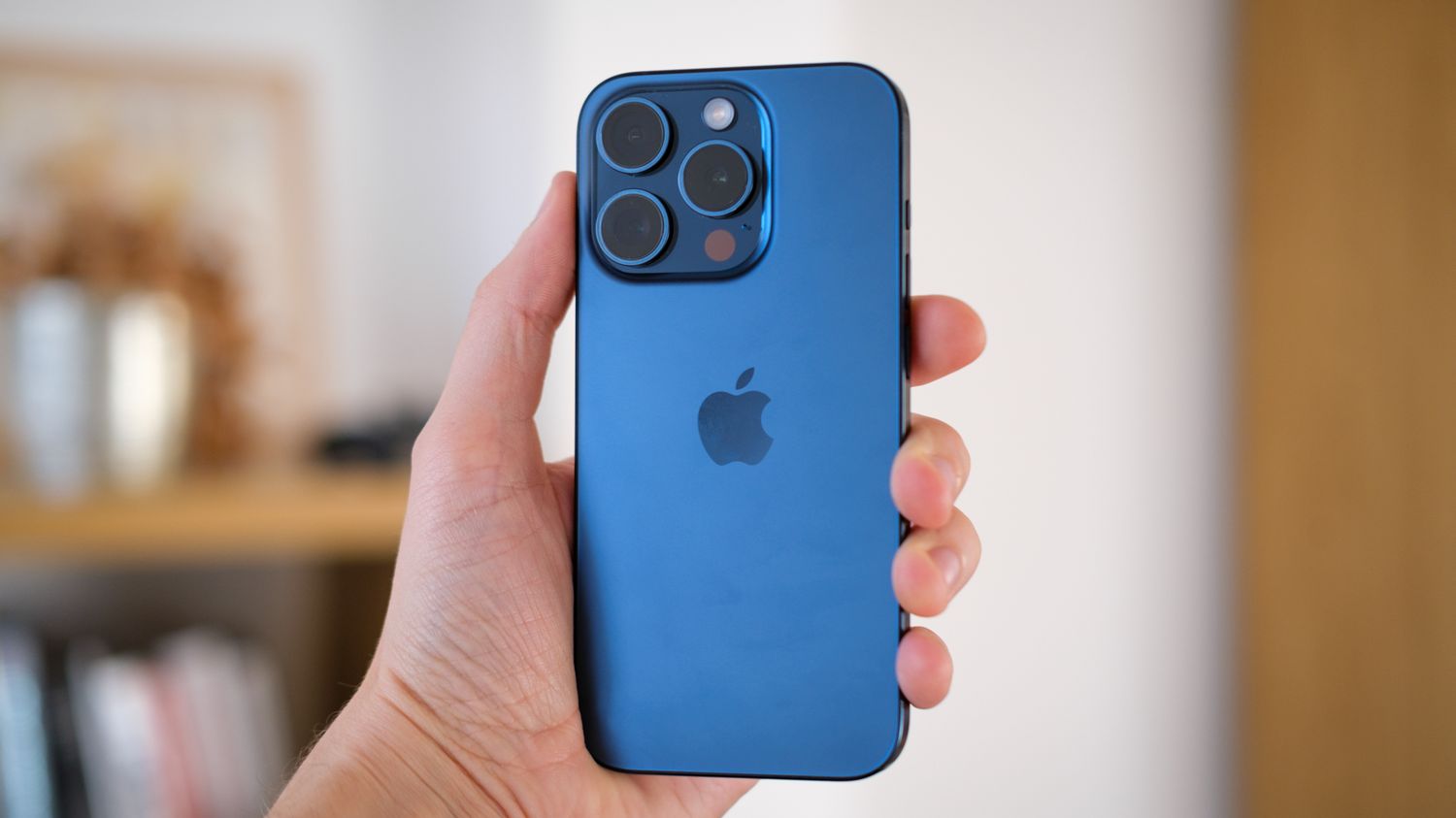
To set your iPhone 13 to vibrate, simply flip the physical Ring/Silent switch on the left side of the device downward toward the back of the phone. This one-step method immediately enables vibration for all incoming calls and notifications, silencing the ringer while keeping your phone discreetly alert.
How to set your iPhone 13 to vibrate with the silent switch
The fastest way to set your iPhone 13 to vibrate is using the physical switch located above the volume buttons on the left side of the device. When you flip the switch downward, an orange indicator appears on the switch itself, and your phone will vibrate for incoming calls and notifications without playing any ringtone. This is the primary method for quickly entering vibrate-only mode without navigating through any menus.
Adjusting system vibration settings in Sounds & Haptics
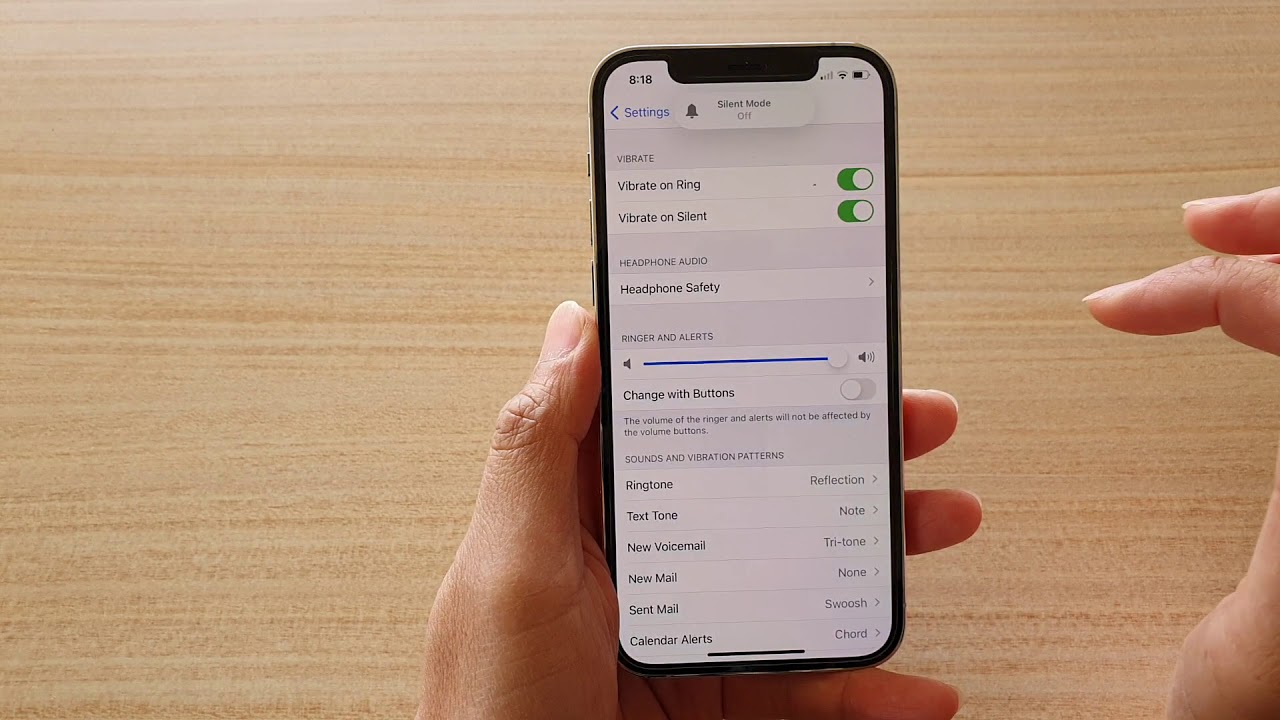
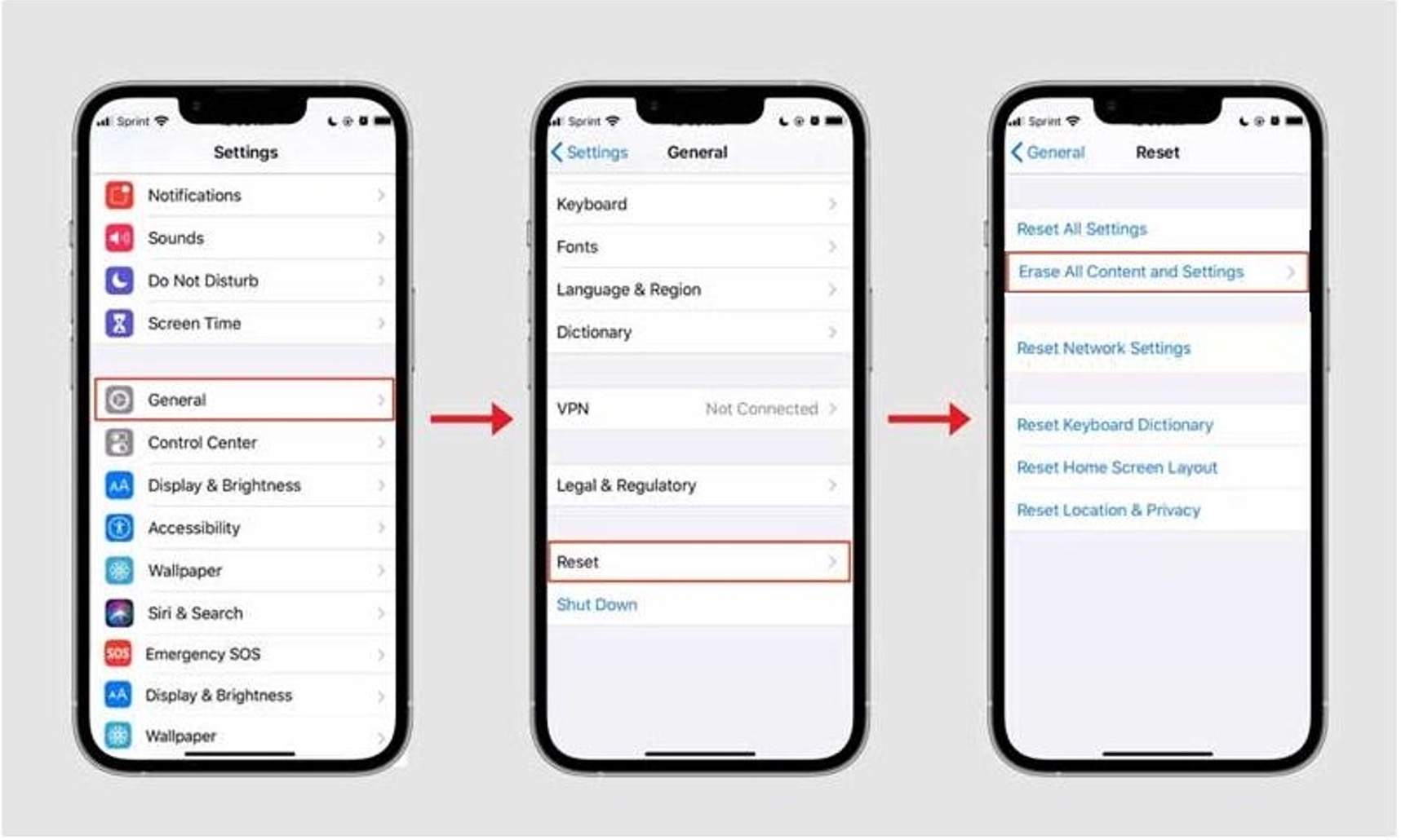
To control exactly when your iPhone 13 vibrates, you need to access the vibration settings on your phone. Open the Settings app and tap Sounds & Haptics. Under the Ringtone and Alerts Patterns section, tap Haptics to see four options that define when vibrations occur for ringtones and alerts:
- Always Play, Your phone vibrates for every ringtone and alert, regardless of whether the silent switch is on or off.
- Don't Play in Silent Mode, Vibrations occur only when the silent switch is off (ringer on), so you get no vibration in silent mode.
- Never Play, Your phone never vibrates for ringtones or alerts, regardless of the switch position.
This setting applies globally to all ringtones and alerts, giving you precise control over when your iPhone 13 vibrates without customizing individual alert types.
Customizing vibration patterns for specific alerts
You can assign unique vibration patterns to individual alert types to distinguish notifications without looking at your phone. In Settings > Sounds & Haptics, tap the alert type you want to customize, such as Ringtone, Text Tone, New Voicemail, New Mail, Sent Mail, Calendar Alerts, or Reminder Alerts. Then tap Haptics to see a list of standard vibration patterns. You can adjust vibration intensity using the slider under 'Vibration Strength' within an alert type's Haptics settings. To create a personalized pattern, tap Create New Vibration and tap the screen to record your own rhythm. After tapping Stop, save your pattern and it becomes available to assign to that alert type. This allows you to know, for example, that a specific vibration means a text message while a different one means a calendar reminder.
Frequently Asked Questions
Can I set specific contacts to bypass vibrate mode?
Yes. Open the Contacts app, select the contact, tap Edit, then choose a custom ringtone and vibration pattern. This contact will use their assigned vibration even when the silent switch is on, ensuring you never miss important calls from specific people.
How do I change the vibration intensity on my iPhone 13?
The iPhone 13 does not have a manual slider for vibration strength. The vibration intensity is fixed and controlled by the built-in haptic engine. To adjust how strongly you feel vibrations, you can change the vibration pattern to a more pronounced one under Settings > Sounds & Haptics > select an alert type > Haptics.
Will setting my iPhone 13 to vibrate drain the battery faster?
Vibrations use a small amount of battery power, but the difference is negligible in normal daily use. The haptic engine is designed to be energy-efficient, so you can keep vibration enabled without significantly impacting battery life.
Why doesn't my iPhone 13 vibrate when I flip the silent switch?
This happens if the Haptics setting is set to Don't Play in Silent Mode or Never Play. Go to Settings > Sounds & Haptics > Haptics and select Always Play or Play in Silent Mode to restore vibration when using the silent switch. The FAQ 'Why is it important to set my iPhone 13 to vibrate?' addresses use cases like meetings, theaters, or quiet environments where sound is disruptive.