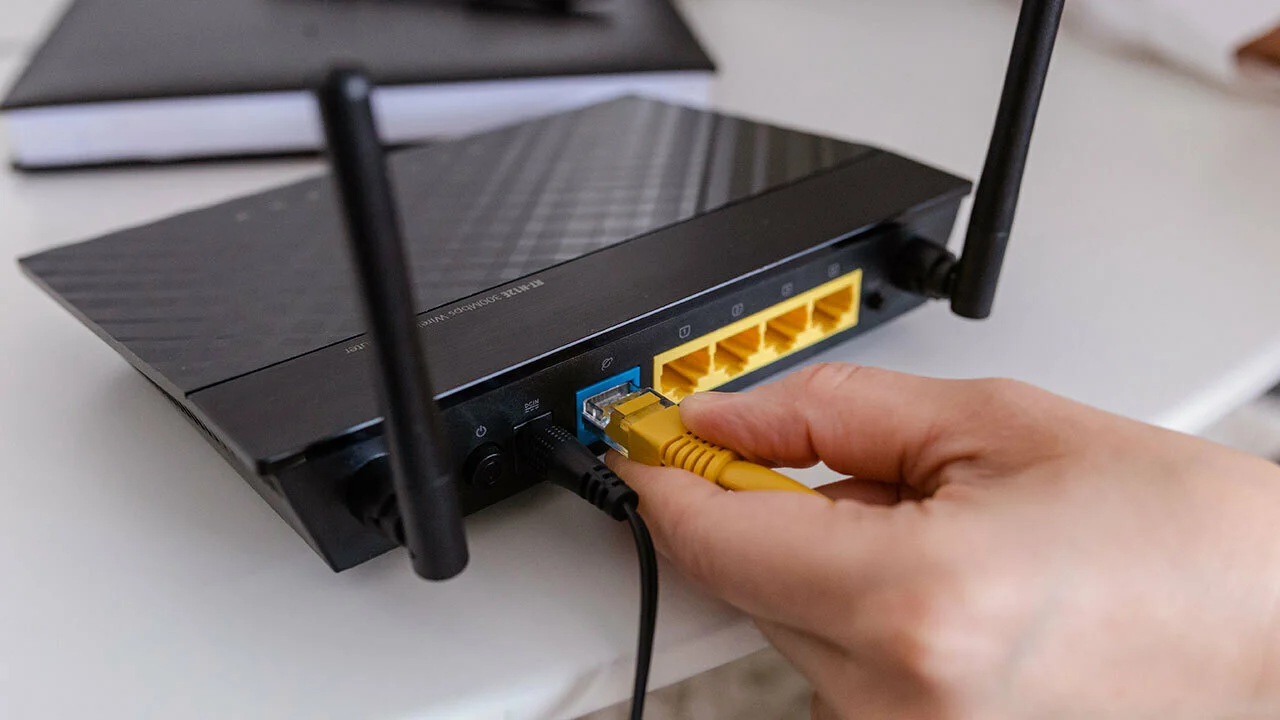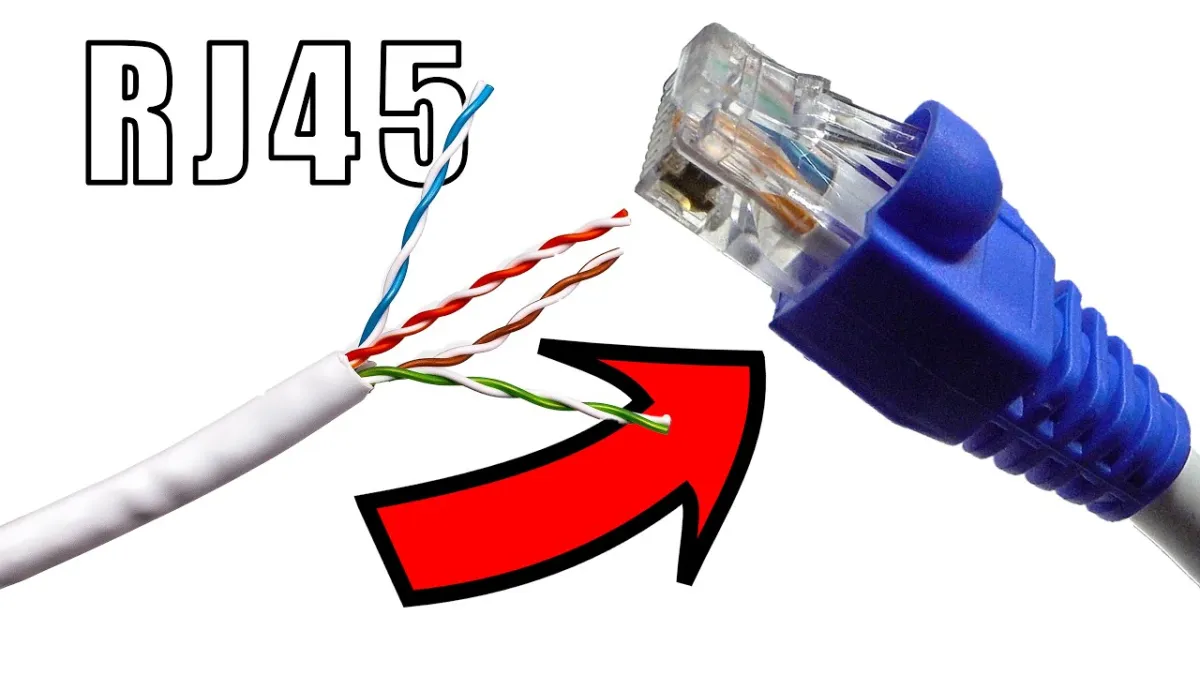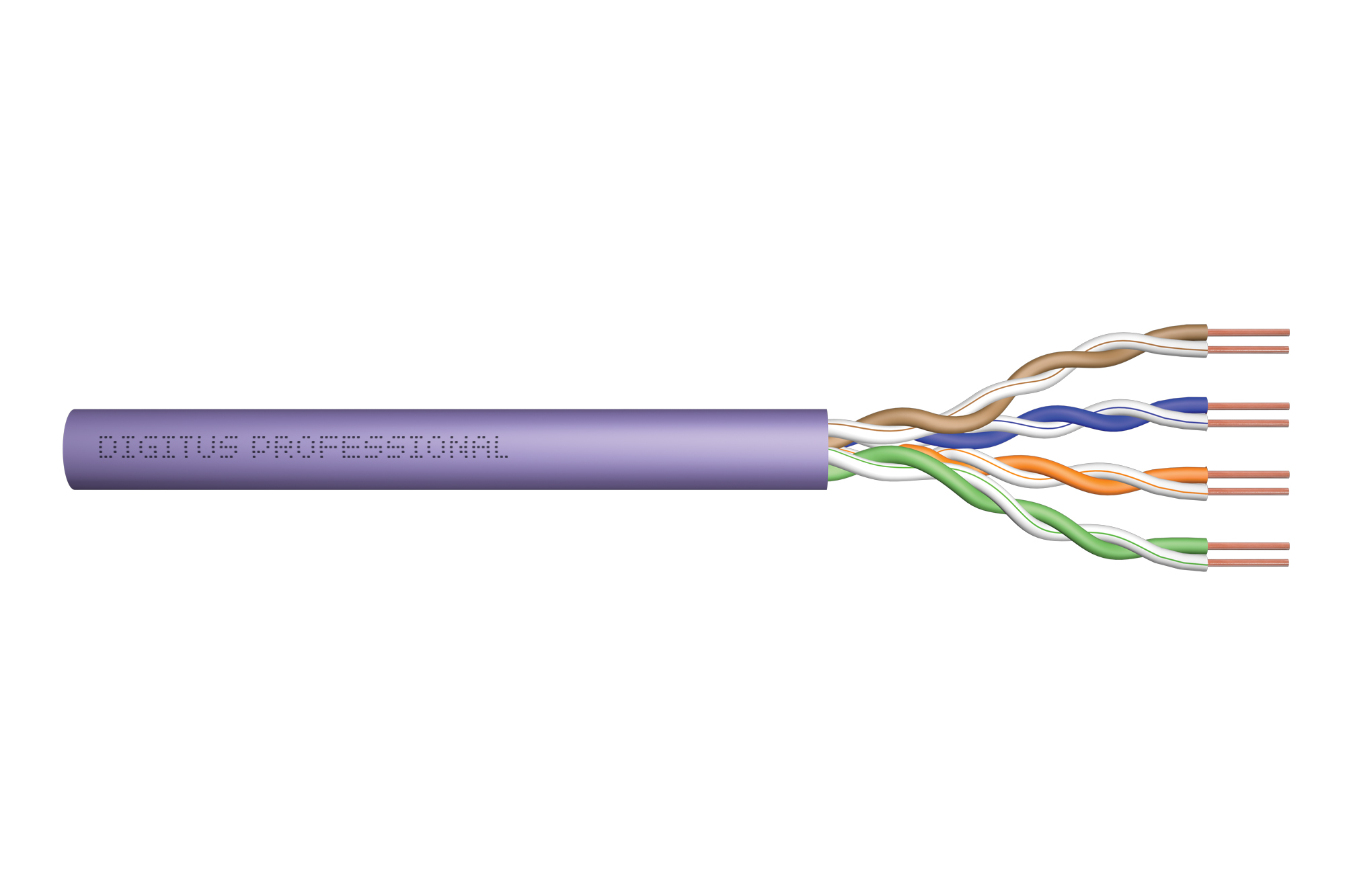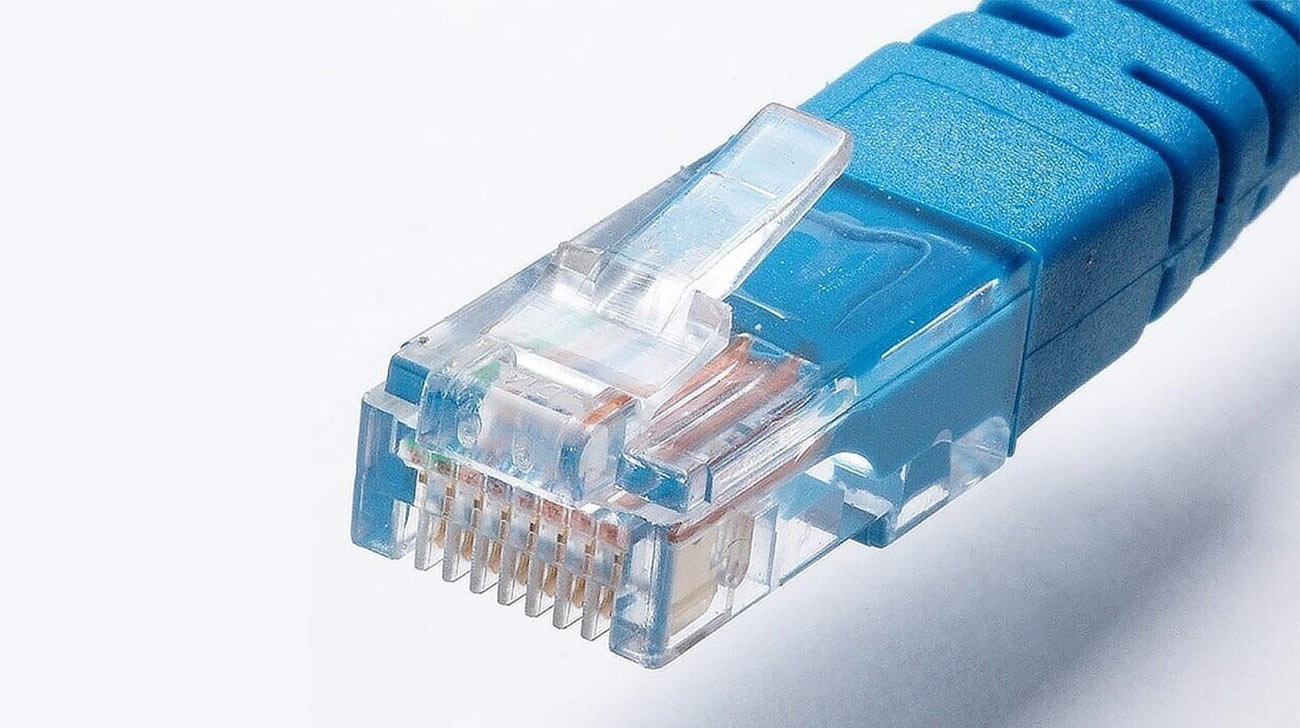





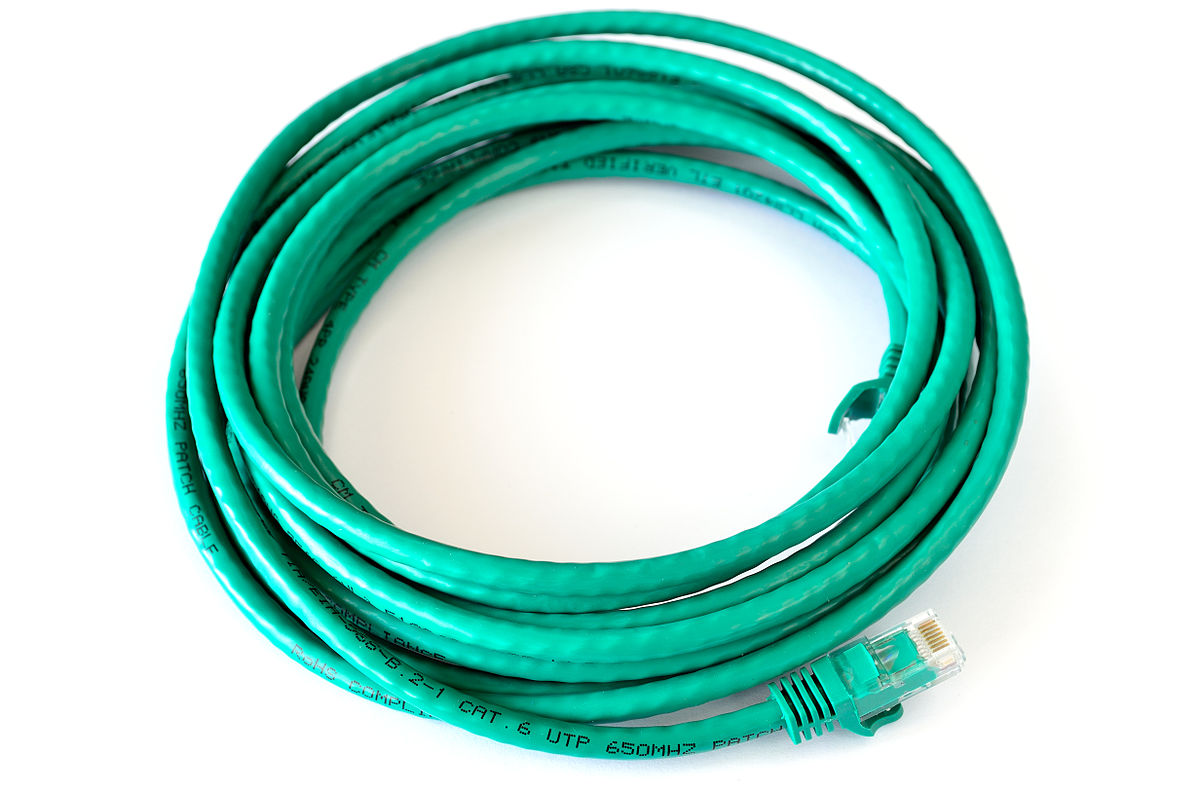
A typical Cat 6 cable uses an RJ45 connector, also known more precisely as an 8P8C (8-position, 8-contact) modular connector. This connector is the standard interface for Ethernet networks, providing the physical connection between the cable and devices such as routers, switches, computers, and laptop docking stations.
What makes an RJ45 connector specific to Cat 6?
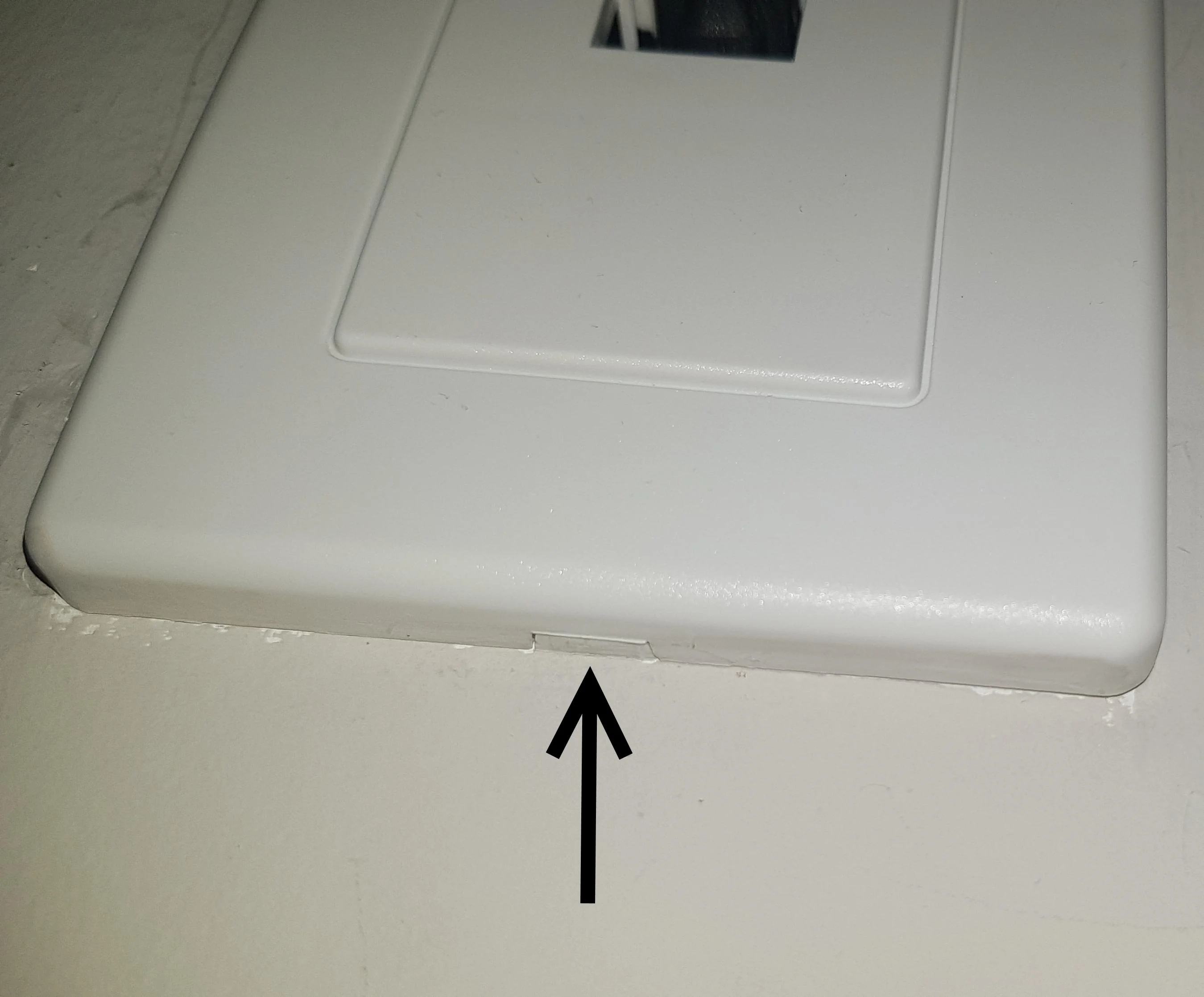
Cat 6 RJ45 connectors are physically distinct from those designed for lower categories. They often feature a staggered or zig-zag pin layout designed to accommodate the thicker 23 AWG (American Wire Gauge) solid or stranded copper conductors used in Cat 6 cable. This staggered design also helps reduce Near-End Crosstalk (NEXT), a critical factor in maintaining signal integrity at higher frequencies. A Keystone Jack connector is a modular connector that fits into a wall plate or patch panel, providing a standardized connection point that can be easily snapped in or out. A GG45 connector is a hybrid connector compatible with both Cat 5e and Cat 6 cables, featuring additional contacts to support higher frequencies and is backward compatible with the traditional RJ-45 connector. A Tera connector features an innovative design with a unique shape and a four-prong contact spring, known for superior electrical performance and commonly used in high-speed and long-distance applications. An MT-RJ connector is a small form factor connector commonly used for fiber optic connections, enabling simultaneous connection of both transmitting and receiving fibers for duplex applications. An LC connector is a small form factor connector for fiber optic cables, suitable for high-density environments and utilizing a push-pull latching mechanism.
Understanding performance and contact quality
To ensure reliable, high-speed data transmission, Cat 6 RJ45 connectors typically have 50-micron gold-plated contacts. This gold plating provides corrosion resistance and ensures consistent conductivity over time. With the appropriate connector, Cat 6 cables support data transmission up to 1 Gbps and can reach up to 10 Gbps over shorter distances of up to 55 meters.
Shielded vs. unshielded RJ45 connectors
Standard unshielded RJ45 connectors are used with Unshielded Twisted Pair (UTP) Cat 6 cable. For installations in environments with high electromagnetic interference (EMI) or radio frequency interference (RFI), shielded RJ45 connectors are available for use with Shielded Twisted Pair (STP) or Foiled Twisted Pair (FTP) Cat 6 cable. The shielding protects the signal from external interference.
Pass-through RJ45 connectors for easier wiring
Pass-through RJ45 connectors simplify the termination process by allowing the individual wires to extend through the front of the connector. This design enables visual verification of the correct T568A or T568B wiring order before the crimping step, reducing the chance of wiring errors. A Field-Terminated Plug requires field termination, meaning it needs to be assembled and crimped onto the Cat 6 cable, offering the advantage of being customizable to specific cable lengths.
The importance of using Cat 6 rated connectors
Using a connector not specifically rated for Cat 6 with Cat 6 cable can degrade performance, reduce speeds, or cause connection failure. Cat 6 connectors are engineered for the specific conductor diameter and insulation thickness of Cat 6 cable, ensuring proper contact and impedance control. Mismatching a connector designed for a lower category cable can introduce signal loss and crosstalk.
T568A and T568B wiring standards explained
Cat 6 cables are terminated using one of two industry-standard wiring schemes: T568A or T568B. Both standards provide identical electrical performance, and the critical factor is to use the same wiring standard on both ends of a cable. T568B is the most common wiring standard for modern commercial data networks in North America and for pre-made patch cables. T568A is recognized as the preferred wiring pattern by ANSI/TIA-568.2-D and is required for U.S. government federal contracts.
Frequently Asked Questions
Are Cat 6 cables backward compatible with older devices?
Yes, Cat 6 cables are backward compatible with Cat 5 and Cat 5e devices. However, the overall connection speed will be limited by the lowest standard in use, so a Cat 6 cable connected between a Cat 5e device and a Cat 6 device will operate at Cat 5e speeds.
Can I use a Cat 6 RJ45 connector on a Cat 5e cable?
While physically possible, it is not recommended. Cat 6 connectors are designed for the thicker 23 AWG conductors of Cat 6 cable.
What is a Cat 6 cable?
A Cat 6 cable, or Category 6 cable, is a type of twisted pair cable standardized for Ethernet networks. It provides improved performance and reduced crosstalk compared to Cat 5 and Cat 5e cables, supporting higher data rates and more reliable connections.