




What laptop docking stations actually do
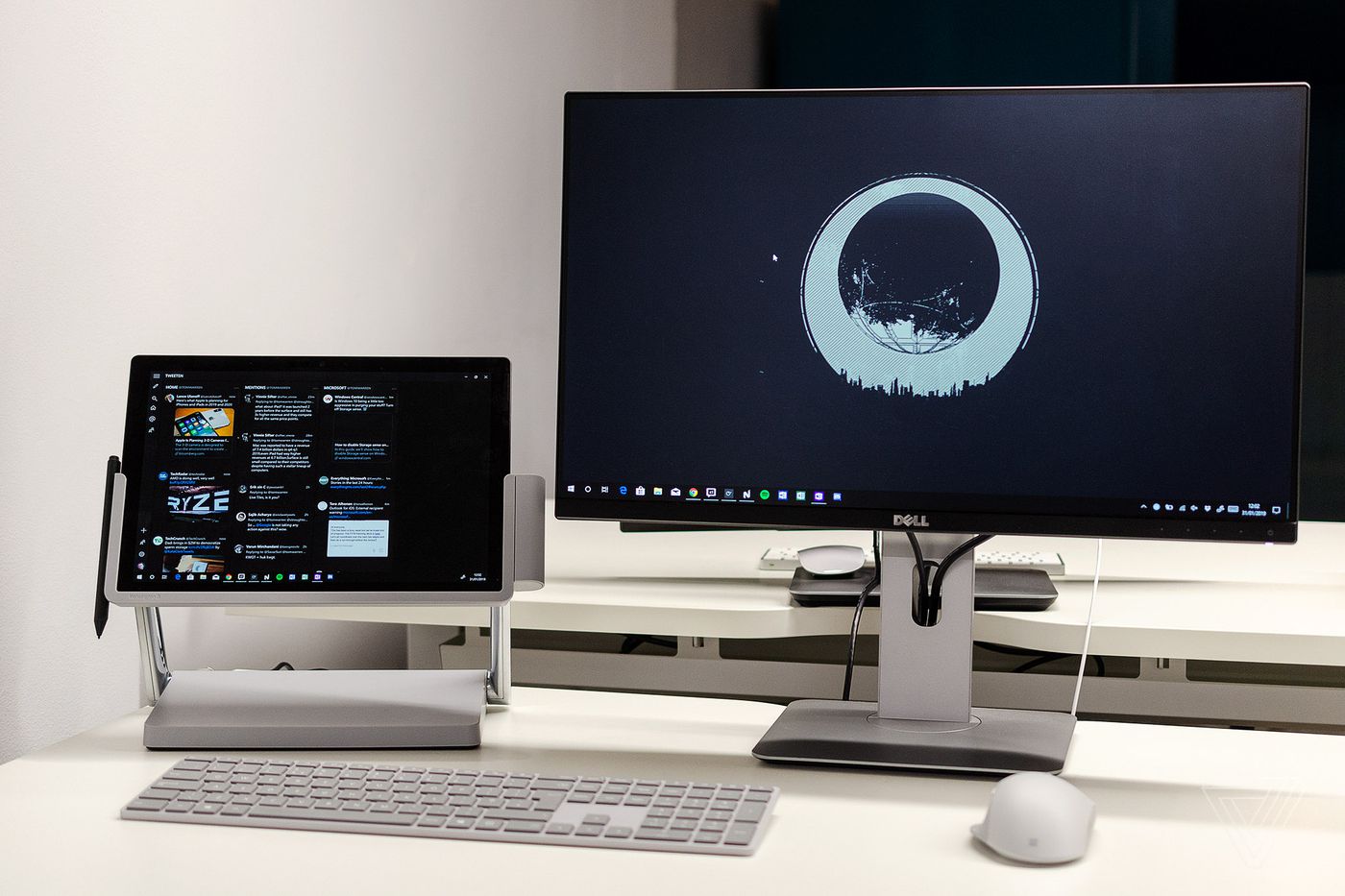
Laptop docking stations turn a single cable into a complete desktop setup, letting you connect monitors, a keyboard, a mouse, and wired networking without plugging in half a dozen separate cables every time you sit down. When you understand the definition of an interface, it becomes easier to see why not every port works the same way. Many laptops have USB-C ports that only handle data and charging. This is the most common reason docks fail to drive external monitors. The port must specifically support DisplayPort Alt Mode for video to pass through.
A Dell docking station is built to work with that company’s own one-click connection system. Dell also makes models that are proprietary and only fit specific laptop families. The concept of portability that Dell describes hinges on keeping full mobility while still having instant access to a desk full of peripherals through the dock. If you look at an ihome docking station. Before you commit, checking the cost of a docking station against your actual port capabilities saves you from buying a device your laptop cannot fully use. Dell recommends identifying your dock by its Service Tag or model number to get the correct firmware update utility from the support site.
Identifying ports and connectors
Matching cables to ports starts with shape, but the real trouble hides in what a port can actually do. A rectangular digital video port on your laptop or graphics card is likely a DP connector, used to drive high-resolution monitors directly or through a daisy-chain, and if you see that same port on a desktop tower, you are looking at a DP connector on video card, the dedicated video-out path you will use before plugging anything into the motherboard.
For wired networking, an Ethernet cable termination connector is the clear plastic RJ45 plug that clicks into place, and a typical cat 6 cable uses which connector comes down to that same RJ45 standard, so you cannot accidentally swap it for a phone line. On older Macs, the FireWire connector pin count varies: a FireWire 400 cable carries 4 or 6 pins, while FireWire 800 uses 9, and neither will fit a Thunderbolt or USB-C port without a chain of adapters.
When you are sorting through a box of adapters, remember that the connector is not used to connect to a video output device if it is an RJ45 network jack, no matter how much it resembles a wide display port. A docking station using DisplayLink technology handles the compatibility puzzle entirely and becomes a useful fallback when you find your USB-C port lacks the video output capability that a physical dock would demand.
Connecting a dock to your laptop
Before you plug anything in, confirm which port your laptop actually has. It could be Thunderbolt 3 or 4, USB-C with DisplayPort Alt Mode, or standard USB 3.0. Dell docks require a specific match to function. For a ThinkPad docking station, Lenovo includes a USB-C cable and, if that dock model includes it, a combo cable with an attached USB-A adapter. This lets the dock connect to hosts ranging from ThinkPad P Series and Dell Latitude to HP Envy, Surface Laptop 3, and M1 Pro/Max/M2 MacBooks. When you use HP docking station for laptop models, connect the dock’s power adapter first. Then attach the cable to the laptop’s USB-C port while the computer is on or off. HP also notes that laptops needing more than 100 W must keep their own AC adapter plugged in. Dell’s own setup sequence starts with updating the laptop’s drivers, BIOS, and operating system. Next, connect the dock’s power, followed by the Thunderbolt or USB cable to the laptop. This lets the operating system detect your peripherals. If you want to connect 2 monitors to laptop docking station. If you need to connect HP laptop to Dell docking station. To connect ThinkPad docking station properly, the article details the correct cable and driver steps for Lenovo models. Similarly, to connect Dell docking station without issues, the instructions walk through the BIOS and driver updates that ensure reliable detection. If an HP laptop lacks the matching port or video-capable USB-C, a Dell dock will not function as expected. The steps that follow address four common cross-brand and multi-display setups. Each one matches a specific dock type and laptop port configuration so you can pick the one that fits your hardware.
Adding external monitors
When you want to hook up two monitors to Thinkpad docking station hardware, the first detail to confirm is which generation of dock you own, because the connection type determines your ceiling. Lenovo’s USB3.0 Pro and Ultra Docks support two external screens, while a Thunderbolt 4 dock paired with a compatible Windows laptop can drive dual 4K displays at 60 Hz. Thunderbolt 3 handles 4K at 60 Hz for single or dual monitors, while USB-C Alt Mode may support lower resolutions or refresh rates when driving two monitors.
Setup follows a similar path if you need to connect a surface pro with a docking station to two external monitors. Microsoft’s Surface Dock 2, Surface USB4 Dock, and Surface Thunderbolt 4 Dock each support up to two displays at 3840 x 2160 and 60 Hz, assuming your specific Surface model can output to both. The dock model and the device’s own video capabilities together set the final resolution and refresh rate you see on your desk, so matching a current-generation unit to an older Surface may still limit what you get.
Using phones and tablets as extra screens
Before you invest in a dedicated dock, a software-based approach can give you a second display using gear you already own. Duet display turns your phone into a second screen without any extra adapters; once you install it on your iPhone or Android device, you simply open the Air tab, tap your computer's name, and choose Extend, and your PC then recognizes a proper additional monitor alongside your main panel. If you work inside the Apple ecosystem, you can use iPad as second monitor for Windows or Mac through Duet on a PC or Sidecar on a Mac. With Sidecar, you open Apple menu > System Settings > Displays, click the + button, and select your iPad from the list, though both devices must stay within 10 meters and be signed into the same Apple ID with two-factor authentication. For accessing a full desktop rather than just extending your screen, a remote desktop connection lets you reach a Windows Pro host PC by enabling Remote Desktop in Settings > System, though this streams the entire workspace rather than giving you a true extended canvas.
Docks for gaming consoles and media
Gaming consoles and media docks share a familiar trap with laptops: the physical connection fits, but the signal path doesn't work unless every link in the chain supports what you're trying to do. Before you use switch docking station hardware, connect the AC adapter directly to a wall outlet and the HDMI cable, then dock the console to use switch docking station features without intermittent display dropouts. Plug the HDMI cable into the port labeled HDMI OUT, and when the console seats fully, its screen goes black and the TV takes over provided you've selected the correct input. For a PlayStation 4, if you want to get your PS4 to read an external hard drive docking station, the console handles the recognition through its USB extended storage feature, which is the only reliable way to get your PS4 to read an external hard drive docking station for game installs. On the audio side, when you need to set the time on an ihome docking station, the quickest path is docking a compatible Apple device and using the sync feature; a manual set option is also available if you prefer to set the time on an ihome docking station without a synced device.
- get your PS4 to read an external hard drive docking station
- set the time on an ihome docking station
- use switch docking station
Fixing problems and resetting
When a dock stops responding, the most reliable first move is to disconnect everything and drain the capacitors. To reset a Dell docking station such as a WD19 series model, remove the USB-C or Thunderbolt cable from your laptop, unplug AC power from the dock, then hold the power button for a full 30 seconds. Reconnect the adapter and wait at least one minute; if the light never comes back, testing with a known-good compatible power adapter can tell you whether the original brick needs replacement. A similar power cycle will restart docking station hardware from other brands that has gone silent. For Dell wireless docks, consult the manufacturer's documentation for the correct reset procedure, which may involve a dedicated reset button and will force you to re-establish the connection from scratch. Some stubborn USB-C and Thunderbolt issues trace back to the laptop side, so restart the computer and enter the BIOS/UEFI settings, then review USB and Thunderbolt configurations to clear a bad handshake. If the problem is that you simply want to use one wireless mouse on two computers without swapping a USB receiver, look for a mouse with a dedicated channel-switching button on its underside.
Specialized setups and obscure topics
Before you install the driver to set up J5Create docking station, only connect the dock and attach displays, peripherals, and optional power after the restart. The same signal-chain logic that trips up video output applies in unexpected places, including gaming, where Terraria potion crafting and usage depends on placing an empty bottle on a table or working at an Alchemy Table to turn gathered ingredients into consumables that restore health, grant buffs, or inflict debuffs. On an entirely different front, the 2022 Maverick touchscreen size measures 8 inches across the standard center stack, a detail that matters if you are planning a mount or comparing trim specifications before your truck arrives.