




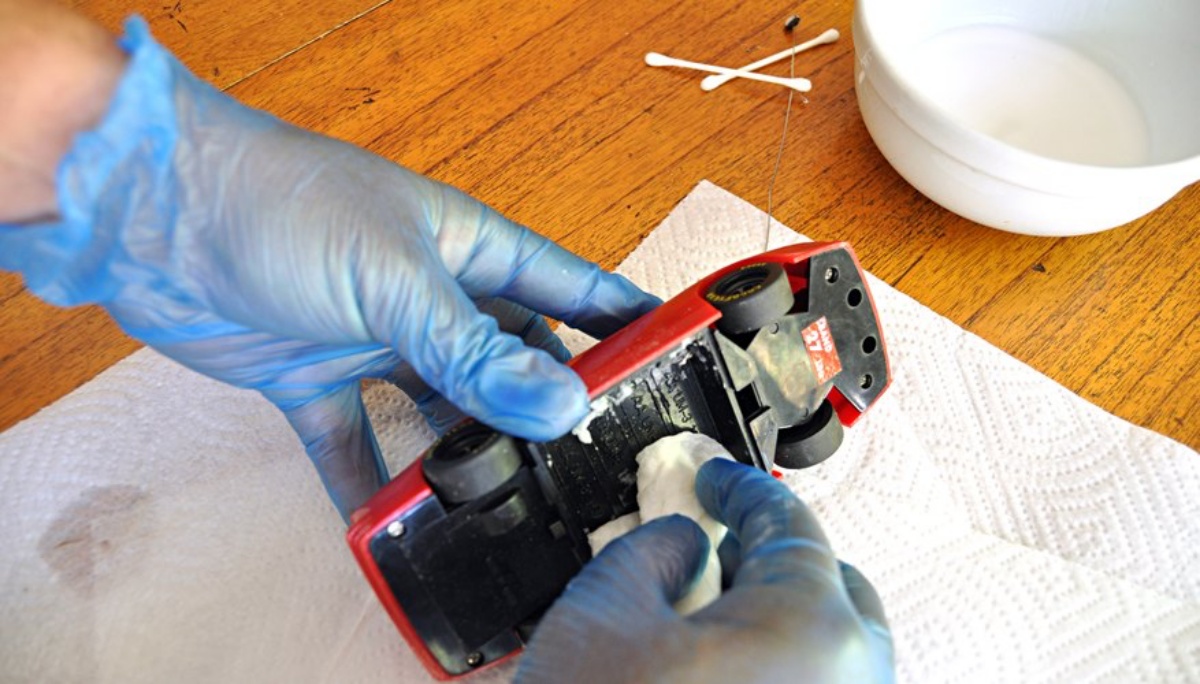
To clean battery terminals in toys, you need to neutralize the corrosive alkaline residue left by leaking batteries. This process restores electrical contact so the toy works again, and it is safe to do at home with common household items.
What causes battery corrosion in toys?
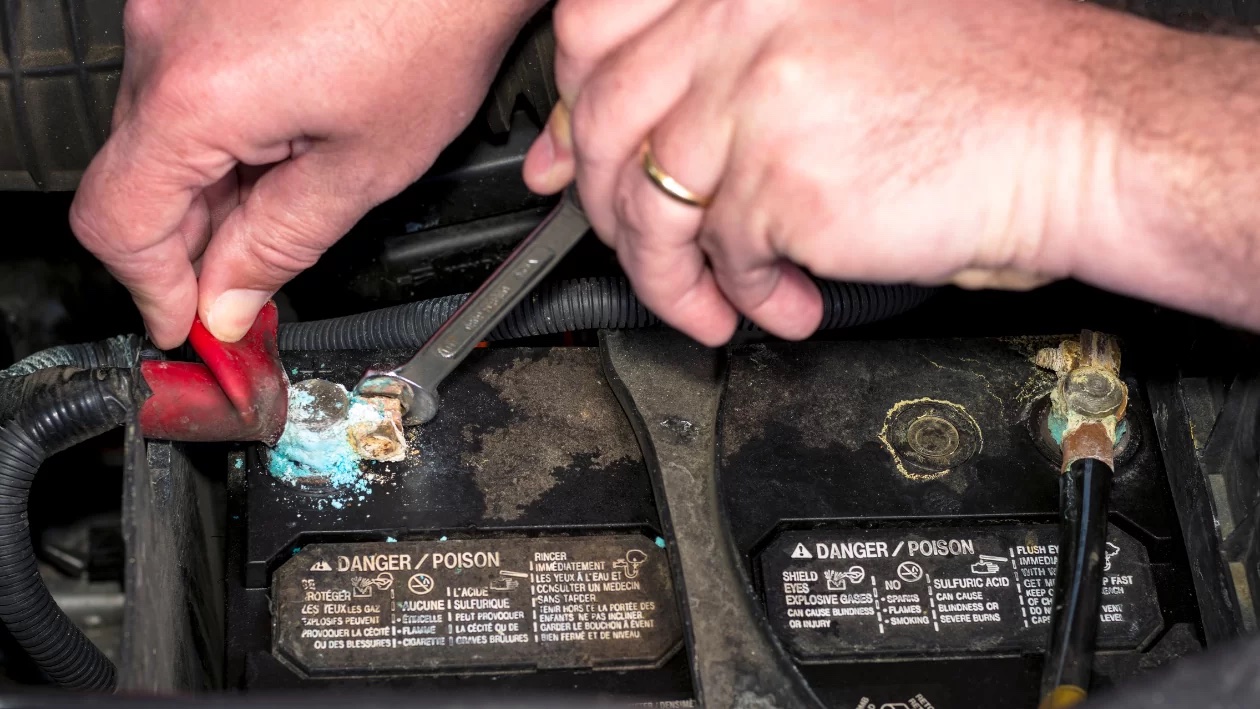
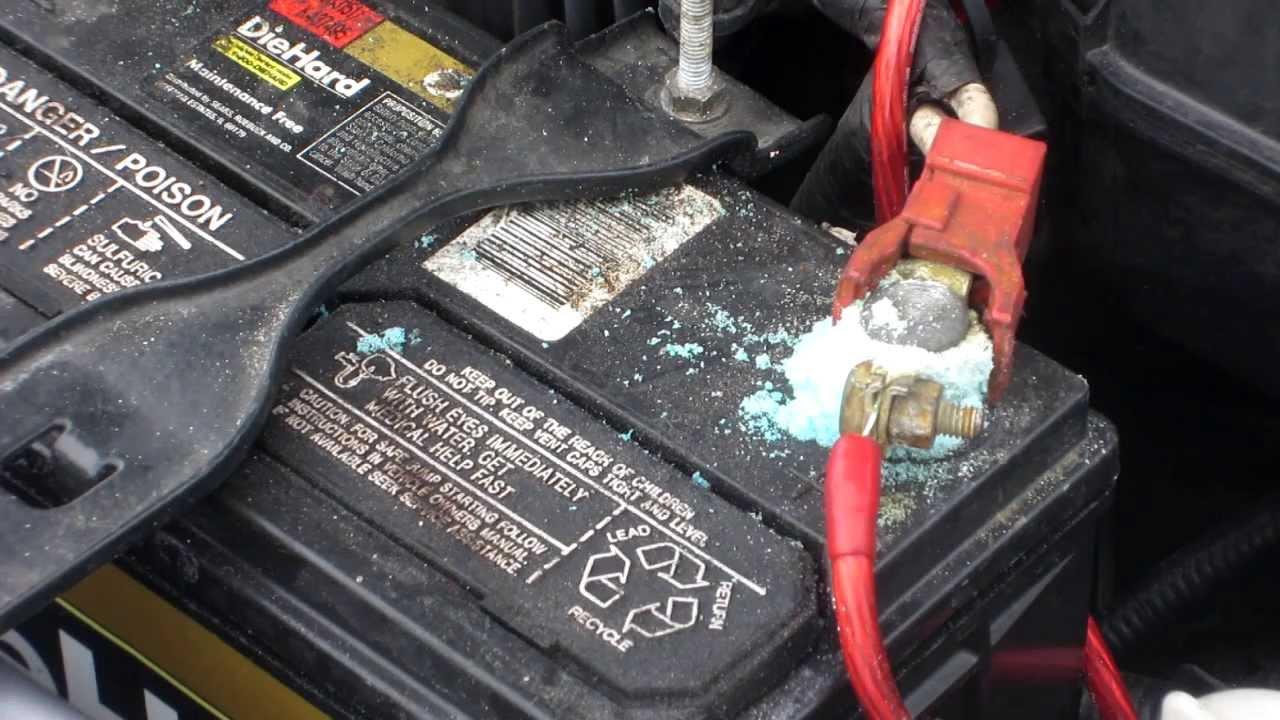
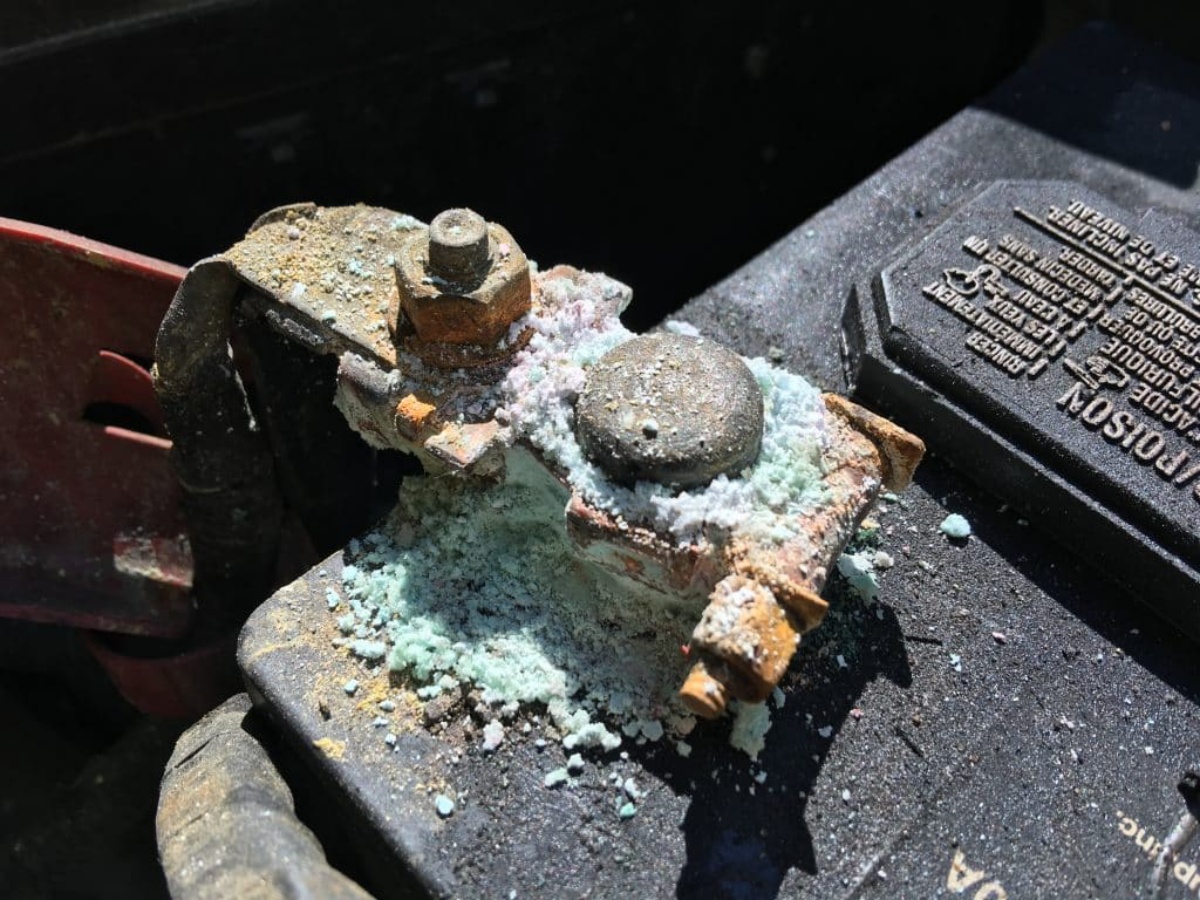
The white, powdery, or crusty substance you see on battery terminals is typically potassium hydroxide, an alkaline chemical that leaks from batteries. When it reacts with air, it forms potassium carbonate. Common causes include old or expired batteries, exposure to high temperatures, over-discharge (leaving dead batteries in a toy), and mixing different battery types or brands.
Tools you will need to clean battery terminals in toys
Gather the following items before you start: a small screwdriver to open the battery compartment, disposable gloves, safety goggles, cotton swabs, an old toothbrush, white vinegar or lemon juice, 90% or higher isopropyl alcohol, and a lint-free dry cloth. Having everything ready makes the job quicker and prevents you from touching corrosive residue while searching for supplies.
Safety precautions before you begin
Always wear disposable gloves and safety goggles to protect your hands and eyes from corrosive substances. Turn off the toy before opening the compartment. Work in a well-ventilated area to avoid inhaling any fumes. Vinegar has a strong odor; consider using gloves and a mask to protect yourself from the strong smell. Keep cleaning solutions away from children, and dispose of old batteries according to local regulations, do not throw them in the regular trash.
Step 1: Remove and dispose of the old batteries
Carefully open the battery compartment with a small screwdriver if needed. Remove the corroded batteries, handling them by the edges to avoid contact with any leaked residue. Label batteries to remember which direction they should be inserted back into the toy later. Dispose of them properly at a battery recycling drop-off, which many pharmacies and recycling centers offer.
Step 2: Brush away loose corrosion
Use a dry toothbrush or a plastic/wooden tool to gently brush away any loose white powder or crust from the battery compartment and terminals. Check for any loose or damaged wires connected to the terminals; repair or replace them before cleaning. This step removes the bulk of the dry residue so the acid in the next step can reach the remaining corrosion.
Step 3: Neutralize the alkaline residue with acid
Dip a cotton swab or an old toothbrush in white vinegar or lemon juice and gently scrub the corroded areas. If terminals are heavily corroded, leave the vinegar-soaked cloth on the terminals for a few minutes to break down the corrosion. These mild acids neutralize the alkaline potassium hydroxide residue. You may see a slight fizzing reaction as the acid and base react, this is normal and means the neutralization is working.
Step 4: Perform a final clean with isopropyl alcohol
After neutralizing, use a clean cotton swab or soft cloth dipped in 90% or higher isopropyl alcohol to wipe down the battery contacts. This removes any remaining residue and displaces moisture, helping the compartment dry faster.
Step 5: Dry completely and install fresh batteries
Ensure the battery compartment is completely dry before inserting new batteries. Insert fresh batteries that match in type and brand, following the correct polarity markings (+ and -). Test the toy to confirm it works. If it does not, check that the batteries are seated correctly and the contacts are clean.
How to prevent future battery corrosion
Remove batteries from toys that will be stored for a long time. Avoid mixing old and new batteries or different battery types in the same device. Store toys at room temperature, as heat accelerates chemical leakage. These habits also apply when replacing watch and device batteries, helping you avoid corrosion in all your household electronics.
Frequently Asked Questions
Why is it important to clean battery terminals in toys?
Regularly cleaning helps maintain a strong electrical connection, prolongs toy lifespan, and prevents potential damage to the batteries.
Can I use baking soda instead of vinegar to clean battery terminals?
Baking soda is a base, not an acid, so it will not neutralize the alkaline potassium hydroxide residue the way vinegar or lemon juice does. Stick with a mild acid for the chemical reaction that breaks down the corrosion.
What if the battery contacts are rusted or pitted?
If the metal contacts have visible rust or pitting after cleaning, the corrosion may have damaged them permanently. In that case, the toy may need new battery contacts soldered in, or the toy itself may be beyond repair.
Is it safe to use a metal tool to scrape off corrosion?
No. Metal tools can scratch the contacts, remove protective coatings, and create rough surfaces where corrosion will form again faster. Use only plastic, wood, or soft bristle brushes.
How do I know if the toy is safe to use after cleaning?
Once the compartment is completely dry and fresh batteries are installed, turn on the toy. If it operates normally and you see no sparking, smoking, or unusual heat, it is safe. If anything seems off, remove the batteries and inspect the contacts again.
Related reading: How To Clean Battery Posts and How To Clean Out Battery Corrosion.