




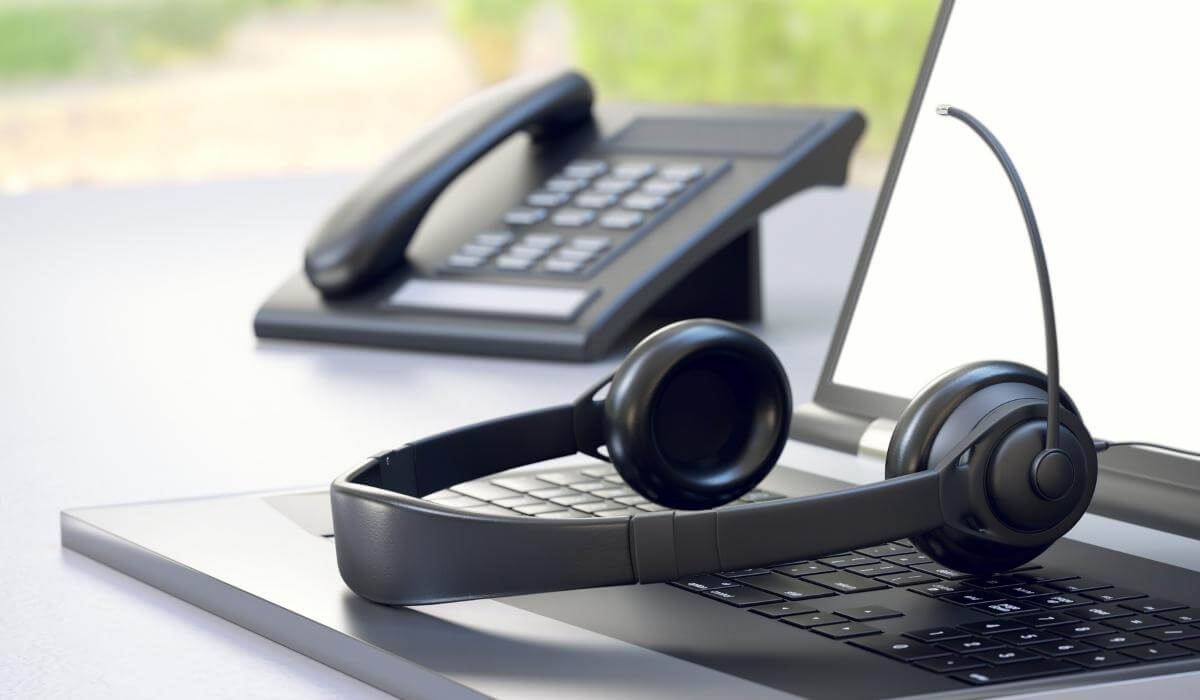
To connect a headset to a landline phone, you must first check what ports or wireless options your specific phone model supports, then follow the manufacturer’s instructions for that device. Because there is no universal standard, the only safe first step is to consult your phone’s user manual and the headset maker’s guide before attempting any connection.
Before you connect a headset to a landline phone
No single guide can cover every landline phone because connection methods vary widely by model and manufacturer. Some desk phones use a wired RJ9-style headset port, while certain cordless base stations support a paired Bluetooth headset, usually with DECT or cordless systems rather than a typical landline handset. If you have not yet chosen a phone, you may want to review how to set up landline phone service first, then confirm headset compatibility before buying.
Connecting a wired headset to a landline phone
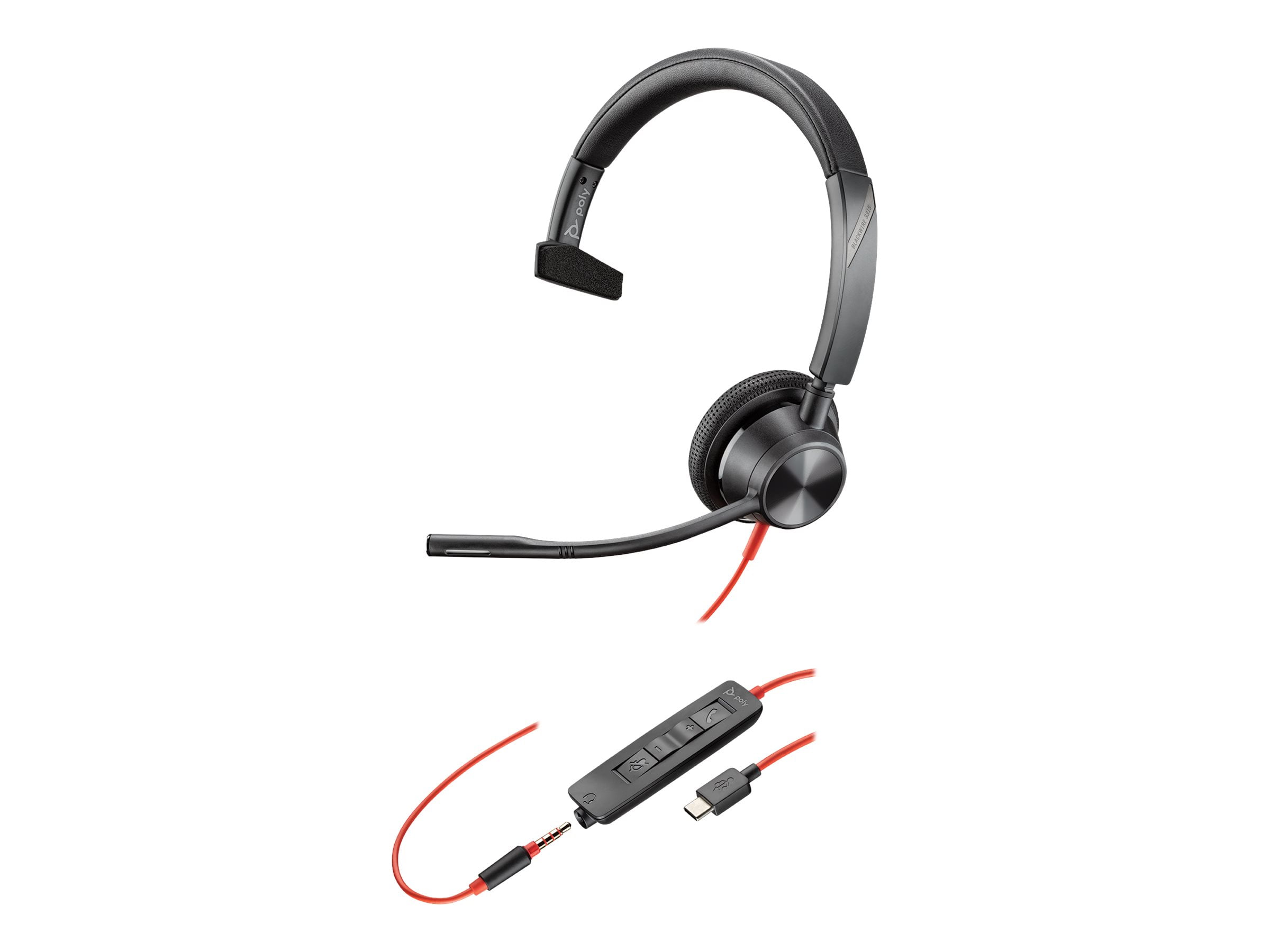
Wired headsets are the most straightforward option for many desk phones, but the port type and location are not standardized. You must verify what your phone supports before plugging anything in.
Check for a compatible port
Look at your phone’s manual or the manufacturer’s website to confirm the headset port type. Many desk phones use an RJ9 connector, but some models may use a 2.5mm or 3.5mm jack. The exact port name is not universal, so rely on your phone’s documentation rather than assuming a label.
Locate the headset port
The headset port is typically on the side or back of the phone, sometimes marked with a headset icon. If you cannot find it, the user manual will show the exact location for your model.
Make the physical connection
- Take the headset’s connector and plug it firmly into the headset port on the landline phone.
- Ensure the connection is secure to avoid sound or connectivity issues during use.
Test the audio
Pick up the handset and check for a dial tone through the headset. Make a test call to confirm the microphone works and the other party can hear you clearly. Adjust the volume settings on both the phone and the headset to your preferred levels.
Connecting a wireless headset to a landline phone
Wireless headsets offer more freedom of movement, but they require that your landline base unit supports Bluetooth and the correct profile. Not all cordless systems do.
Confirm the base unit supports Bluetooth and HSP
Check your landline base station’s manual to verify it supports Bluetooth and that your headset supports the HeadSet Profile (HSP). Apple's Bluetooth profile page says iOS and iPadOS support Hands-Free Profile (HFP), which is the profile used by Bluetooth headsets for phone audio. If your phone does not have Bluetooth, a wireless headset will not work without an adapter.
Pair the headset with the base unit
- Put the wireless headset into pairing mode according to the headset maker’s instructions.
- On the landline base unit, enable Bluetooth and make it discoverable.
- Select the headset from the list of available devices and follow any prompts to complete pairing.
For iPhone, go to Settings > Bluetooth, turn Bluetooth on, and tap the device name to pair it.
Understand key limits
In some cases, only 2 Bluetooth devices can be used with the unit simultaneously, such as 2 cellular lines or the headset plus 1 cellular line. A Bluetooth headset cannot be used to talk on a cellular line on that system. For best performance, place the headset within 1 meter (3.3 feet) of the base unit, and note that the working range is approximately 10 meters (33 feet). Apple says iPhone must be within about 33 feet / 10 meters of the Bluetooth device.
Troubleshooting headset connection problems
If your headset does not work after connecting, start with the simplest checks before assuming the equipment is faulty.
No sound or poor sound quality
- Check the headset volume and ensure it is turned up.
- Verify the audio connectors are firmly and securely inserted into the headset port.
- Test the headset with another device, such as a mobile phone or computer, to determine whether the issue is with the headset or the landline phone.
Connection drops or interference
- Move closer to the base unit, ideally within 1 meter, to improve signal strength.
- Move other electronic devices, such as Wi-Fi routers or cordless phones, away from the headset and base unit to reduce interference.
- Reset the headset according to the manufacturer’s instructions to resolve connectivity issues.
Re-pair or reset the headset
If all else fails, power cycle both the headset and the landline phone, then attempt to pair them again. Refer to the headset’s manual for the exact reset procedure, as it varies by model.
Frequently Asked Questions
Can I connect a headset to a landline phone?
Yes, most have a headset port or headphone jack, but check compatibility first.
Can I use any headset with my landline phone?
No. Compatibility depends on the phone model. Wired headsets require a matching port (often RJ9), while wireless headsets need a base unit that supports Bluetooth and the HSP profile. Check both manuals before purchasing.
What is the difference between RJ9 and 2.5mm headset ports?
RJ9 is a small rectangular connector commonly found on desk phones, while 2.5mm and 3.5mm are round jacks similar to those on mobile devices. The port type is not universal, so confirm which one your phone uses before buying a headset.
Can I pair multiple headsets to one landline base unit?
No. If you need multiple users, you would need separate base units or wired headsets.
Do I need a special headset for a cordless landline phone?
Yes. Cordless base stations that support Bluetooth headsets typically require a headset with HSP support. Standard mobile Bluetooth headsets may not work unless they explicitly support that profile.
What features should I look for when buying a headset for a landline phone?
Look for noise cancellation, comfortable ear cushions, an adjustable microphone boom, and inline controls for volume and call management. Most importantly, verify that the headset is compatible with your specific phone model and offers good audio quality for clear communication.
Related reading: How Do I Connect My Turtle Beach Headset To My Phone.