




Multi-speaker Bluetooth setup and basic pairing
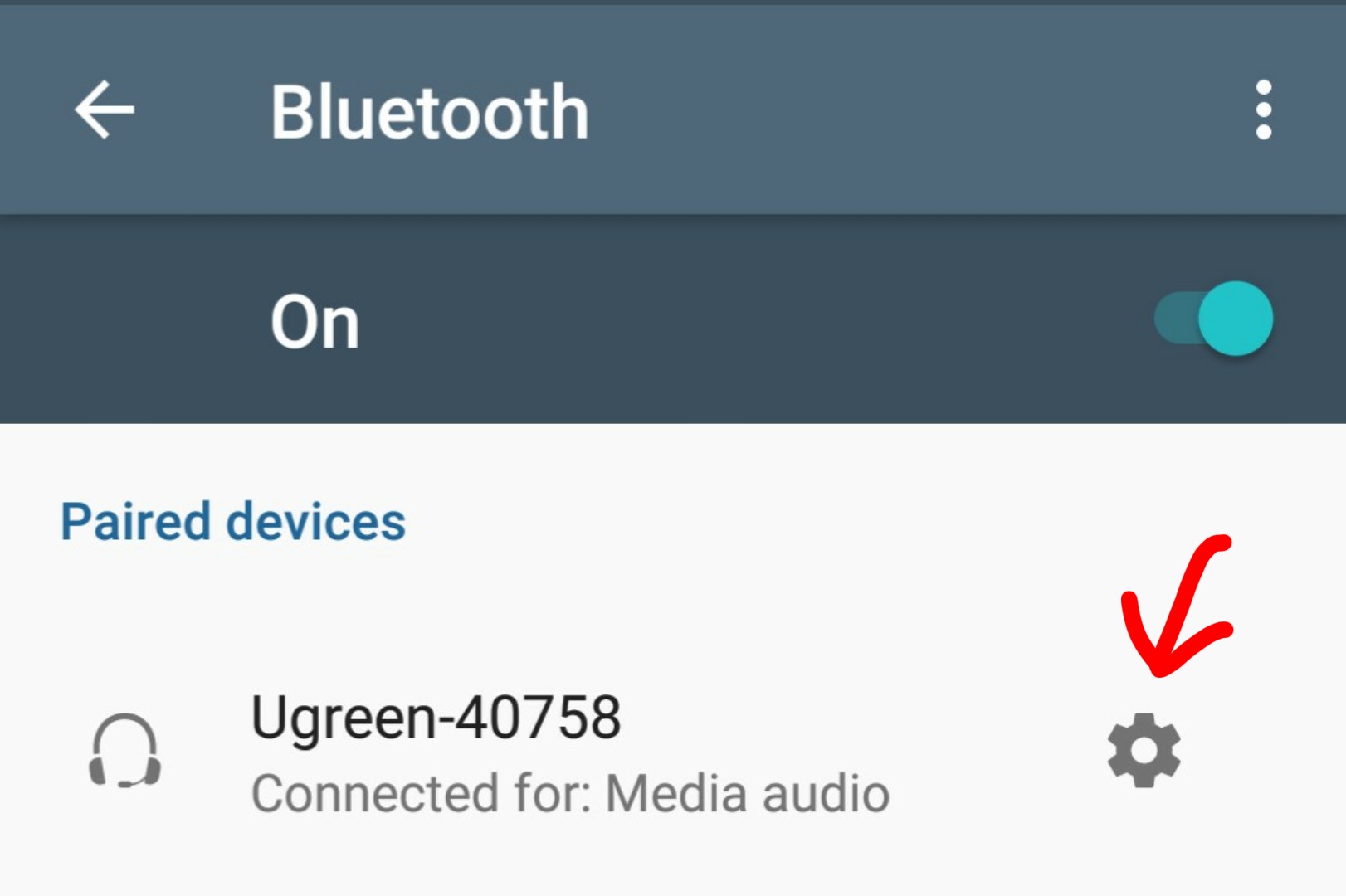
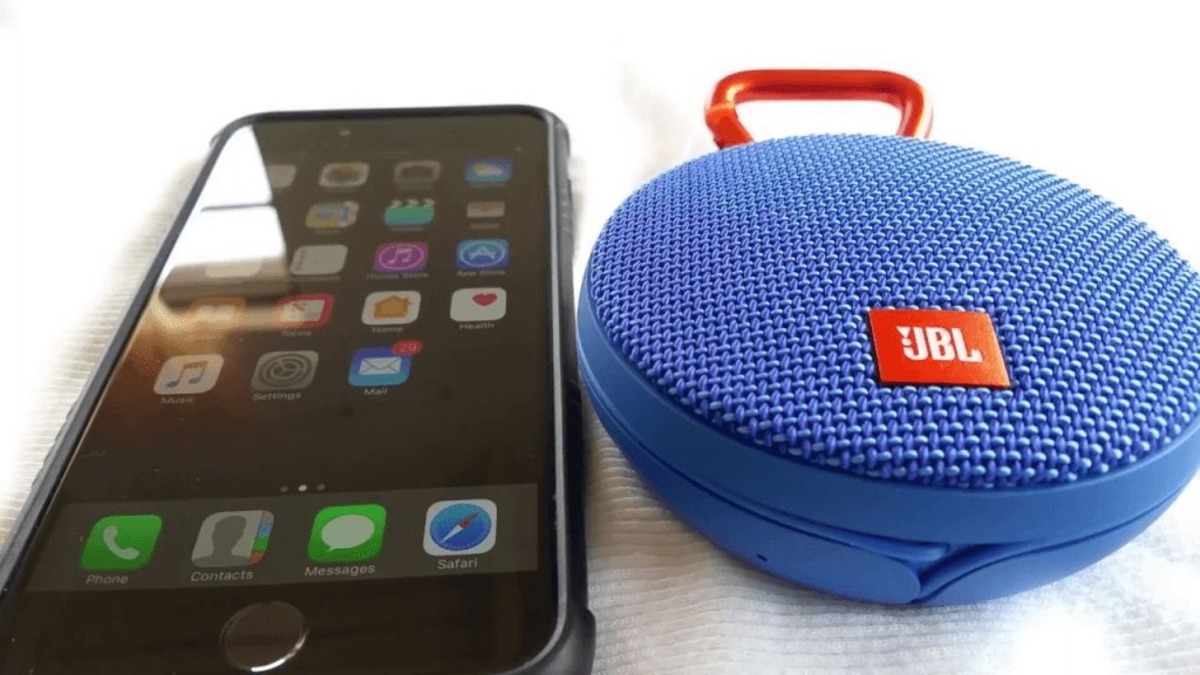
A multi-speaker Bluetooth setup starts with getting a single unit paired to your phone or computer before you try to fill a room with sound from two at once. Turn on your device and force it into discovery mode; on many models, press and hold the Bluetooth button until the indicator light blinks or a sound confirms pairing mode. Over on your iPhone, open Settings > Bluetooth and look for the hardware name in the list of available devices.
- connect an Android phone to a Bluetooth speaker
- connect to jam wireless speaker
- connect Bose wireless speaker
- pair Sony wireless speaker
- connect wireless speakers
Playing audio on two speakers at once
Standard Bluetooth pairing is designed for one-to-one connections, so to play music through 2 Bluetooth speakers you typically need a feature built into your phone or the units themselves. On a Samsung Galaxy phone, the built-in Dual Audio feature is a direct path: after pairing both devices, you swipe down to open the Quick panel, tap Media, and select both outputs, which is how you play on two Bluetooth speakers Samsung devices. If you own an iPhone, Apple does not offer a generic setting to link two Bluetooth speakers together, instead relying on AirPlay 2-compatible hardware selected from the Control Center audio tile.
Many audio brands bypass the phone entirely and let you link two Bluetooth speakers together inside their own app, though the exact method to connect 2 JBL Bluetooth speakers is not available. On Android, the desire to listen to 2 Bluetooth devices at once on Android is met on Samsung’s platform with Dual Audio, and on compatible devices through LE Audio's Share audio feature. Whichever path you take, the core requirement stays the same: either the phone transmits to two endpoints natively, or the units create a private chain between themselves.
Connecting speakers to non-phone sources
Turntables, TVs, and voice assistants all follow the same pairing logic as a phone, but the starting point moves from a settings menu to a dedicated button or remote. If you want to connect record player to Bluetooth speakers, the turntable itself must transmit Bluetooth, as a model with only RCA outputs cannot reach your units without a separate transmitter. Many home-theater components skip the phone entirely and rely on a physical button press. To connect LG wireless subwoofer, press the [Pairing] button on the back of the wireless subwoofer. The exact button combination to sync Klipsch wireless subwoofer varies by model series. Voice assistants flip the relationship. When you pair Bluetooth speakers to Alexa, you ask the Echo device to enter discovery mode through the Alexa app’s device configuration rather than putting the assistant into linking mode from the audio output side. For live sound, the challenge shifts to inputs. To connect wireless microphone to receiver, the receiver then feeds a mixer or PA and does not link directly to a standard Bluetooth cabinet the way a phone does. Across all of these devices, the one-to-one limit of standard Bluetooth still applies, so multi-speaker output from a turntable or TV often requires either a dedicated transmitter or cabinets that can chain together on their own, though some modern smart TVs offer native multi-speaker Bluetooth features.
Using speakers during calls and other tasks
When you try to play music on a Bluetooth speaker while on a phone call, the behavior depends entirely on how your unit handles audio streams. With iHome models, the documented pattern is clear. An incoming call pauses your music immediately. The call is handled on the phone itself, not the unit. The device does not transmit call audio. Once you hang up, playback resumes automatically from where it stopped. A different approach exists on some Sony models that support a multi-point connection, where one source streams A2DP music and a second handles HFP call functions. In that setup, playback still pauses when a call arrives. The ring or dial tone is heard from the unit.
If your goal is to pair iHome Bluetooth speakers for a multi-room setup without calls involved, the standard method puts the unit into discovery mode by holding its pairing button. Then you select the device name in your phone's Bluetooth menu. Enter the passcode 1234 if prompted. For adding more than one unit, the documented path uses a 3.5 mm audio cable from the active unit's line-out to the second unit's line-in. That output is mono.
Troubleshooting, hacking, and unusual uses
Signal dropouts and pairing failures are rarely a mystery once you check the physical environment. Bluetooth operates over short distances, and Apple notes that walls, floors, crowded Wi‑Fi areas, microwave ovens, and poorly shielded cables are common culprits. Moving your phone within 0.5 m / 1.6 ft of the accessory is a hard requirement Google enforces for Fast Pair accessories. If a stubborn accessory refuses to appear, a full network settings reset on Android usually clears the stale connection profile blocking the handshake, while on iPhone the “Forget This Device” option followed by a restart does the same job.
When the problem is a noisy signal environment, some users look for ways to jam Bluetooth signal with Android, though no official setting exists for that purpose and the documented interference sources are always passive obstacles. Physical curiosity leads others to take apart Bluetooth speakers with no screws, a process typically involving hidden plastic clips around the driver grille or rubber base, so you are working without a safety net. The same caution applies to software tinkering, and any attempt to hack a Bluetooth speaker with Android relies on third-party tools entirely outside the scope of official support documents from Google or Apple, since the unit’s firmware is not designed to accept commands beyond the standard A2DP and AVRCP profiles.
Managing several wireless audio units at once turns a simple handshake into a small network. Most phone interfaces let you store a long list of remembered gadgets, but switching audio output on the fly often requires a trip into the connection menu. A quick toggle between a headset and a bookshelf stereo is straightforward, while adding a third or fourth playback device usually requires a dedicated app from the hardware maker. These proprietary utilities unlock multi-point and broadcast modes that the stock operating system hides. Samsung calls its version Dual Audio, Apple uses a chip-to-chip link for shared listening, and Google’s Audio Share for LE Audio appears on recent Pixel phones. Each approach demands that the receiving units run compatible firmware.
Power management introduces another layer of complexity, because a dormant accessory in a bag can wake and steal the audio stream from an active living-room setup. Modern handsets try to prevent this by prioritizing the most recently used device, but the algorithm still gets confused when several gadgets are powered on simultaneously. Turning off the unused units is the simplest fix, and disabling absolute volume control in the connection preferences can also stop one gadget from muting another. These small adjustments prevent the system from fighting itself over gain levels and codec negotiation. The codec selection itself is a hidden battleground: some units default to SBC for reliability while others push for LDAC or aptX and then stutter when the signal thins out, so locking the codec to a stable baseline often cures intermittent dropouts.
Physical placement reshapes the entire multi-unit experience. A phone at the center of a circle of audio endpoints gets more stable throughput than one at the edge, because human bodies are mostly water and absorb the 2.4 GHz signal. A crowded room can create dead zones that shift as people move, and elevating the source handset above waist height often restores a broken link. Metal furniture and reinforced concrete are the enemy of any wireless audio setup, while glass shelves and drywall are far more transparent to the signal. Treating the space between the phone and each audio unit as a clear corridor eliminates most interference. A mesh of several playback gadgets works best when every node has a direct line of sight to the source, avoiding the daisy-chain failures that happen when one unit relays to another.
Firmware mismatches are the ghost in the machine. A phone running the latest security patch may refuse to hold a link with a stereo receiver that has not been updated in two years, and a home filled with gadgets from three different brands often hosts three different interpretations of the same standard. The Bluetooth Special Interest Group revises the core specification regularly, and manufacturers implement these changes on their own schedules. Checking the update utility for every audio product in the chain is a tedious but effective ritual, and a factory reset of the stubborn accessory after the update clears cached handshake data. This step alone revives many setups that appear completely dead, though the reset button combination is often undocumented.
Choosing the right speaker for your needs
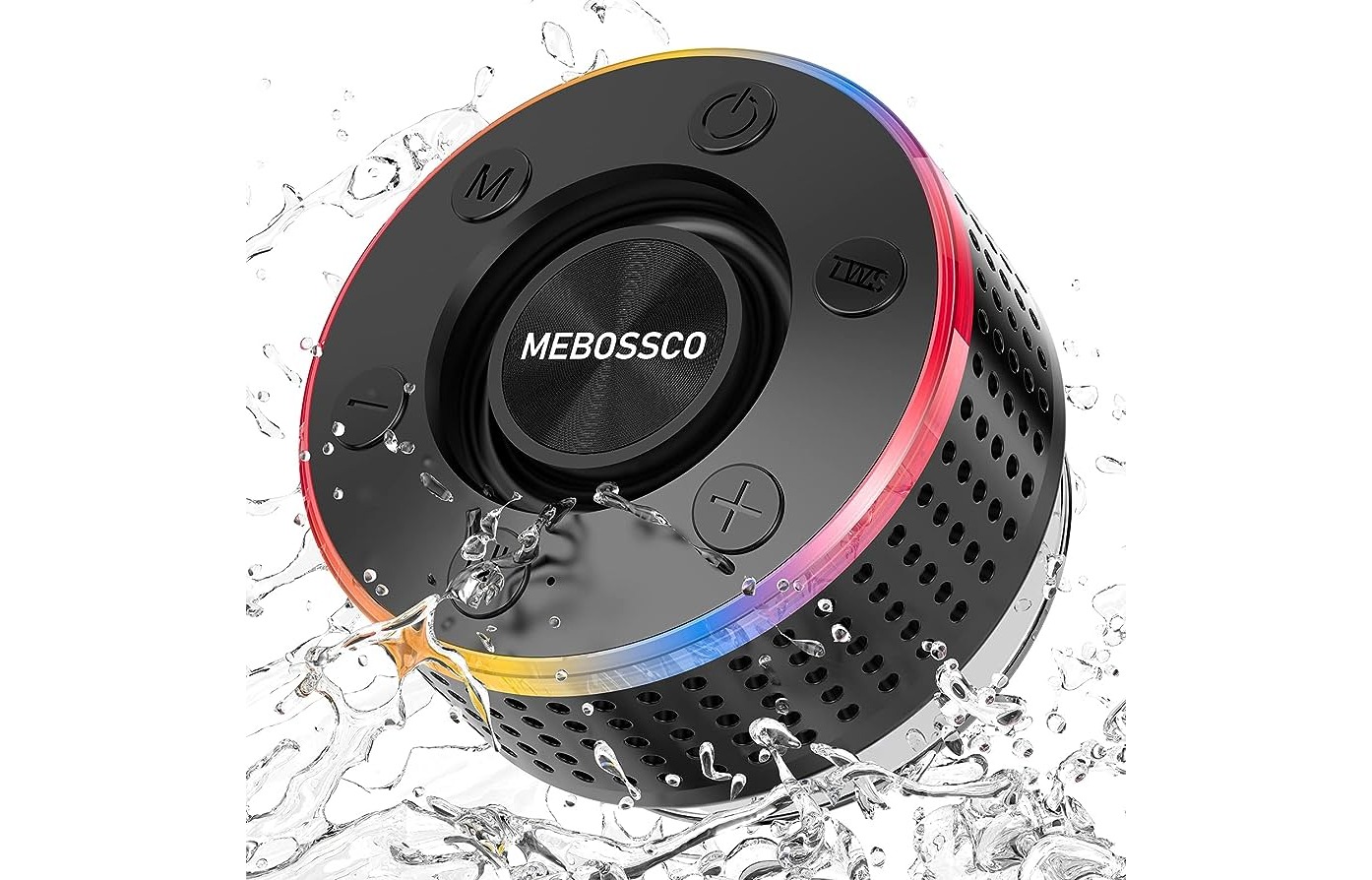
If your goal is music in the bathroom, you will need an enclosure that can handle constant moisture. Some good Bluetooth speakers designed for wet environments carry an IP67 rating. That rating means they survive full immersion and direct spray without failing. When you look at the 8 best shower Bluetooth speakers waterproof for 2024, the common thread across every model that holds up over time is a sealed charging port. You also want a suction cup or lanyard that stays put on tile. The same priorities shift completely when you move to a living room setup with an iPhone. If you are shopping for the best portable speaker compatible with iPhone, you will want to read the full article on that topic to see which models handle iOS audio routing most reliably. A portable speaker compatible with iPhone is rarely the one with the highest waterproof rating. Instead, you want a device that allows you to classify it correctly after you tap the i button and select Device Type. That classification determines how iOS routes audio, calls, and notifications. Apple’s own pages confirm that you can connect multiple Bluetooth accessories. Standard Bluetooth alone does not give you a way to send the same song to two units at once without proprietary multi-speaker technology or the upcoming Auracast standard. Checking whether a model supports its own stereo-linking mode before you buy matters far more than raw wattage.
Frequently Asked Questions
Does Dual Audio work on all Samsung Galaxy phones?
Dual Audio is built into many Samsung Galaxy models but Samsung does not publish a complete list of supported devices. The feature appears under Quick panel > Media after you pair two Bluetooth speakers, and if the option is missing your specific Galaxy phone may not include it.
Can I use AirPlay 2 speakers from different brands together?
Yes, AirPlay 2 works across brands as long as each speaker carries the AirPlay 2 compatibility label. You select them from the Control Center audio tile on iPhone and Apple does not restrict mixing speaker manufacturers in the same multi-room group.
What is the pairing button location on an LG subwoofer?
The Pairing button sits on the back of the LG wireless subwoofer. Press it once to initiate the link with the soundbar, and no phone menu or app step is required for this connection.
How close does my iPhone need to be for Bluetooth pairing?
Apple states the iPhone must stay within about 33 feet or 10 meters of the accessory during pairing. Walls, metal furniture, and crowded Wi‑Fi areas can shrink that range and cause the device name to disappear from the list.
Does Google Fast Pair work with any Bluetooth speaker?
No, the speaker must explicitly support Fast Pair and your Android device needs version 6.0 or higher with Bluetooth and Location turned on. A standard speaker without Fast Pair still connects through the regular Settings > Connected devices menu.
What passcode do Sony Bluetooth speakers ask for?
Enter 0000 if a Sony wireless speaker prompts for a passkey during pairing. Sony also requires you to complete the pairing process within five minutes after the speaker enters discovery mode.