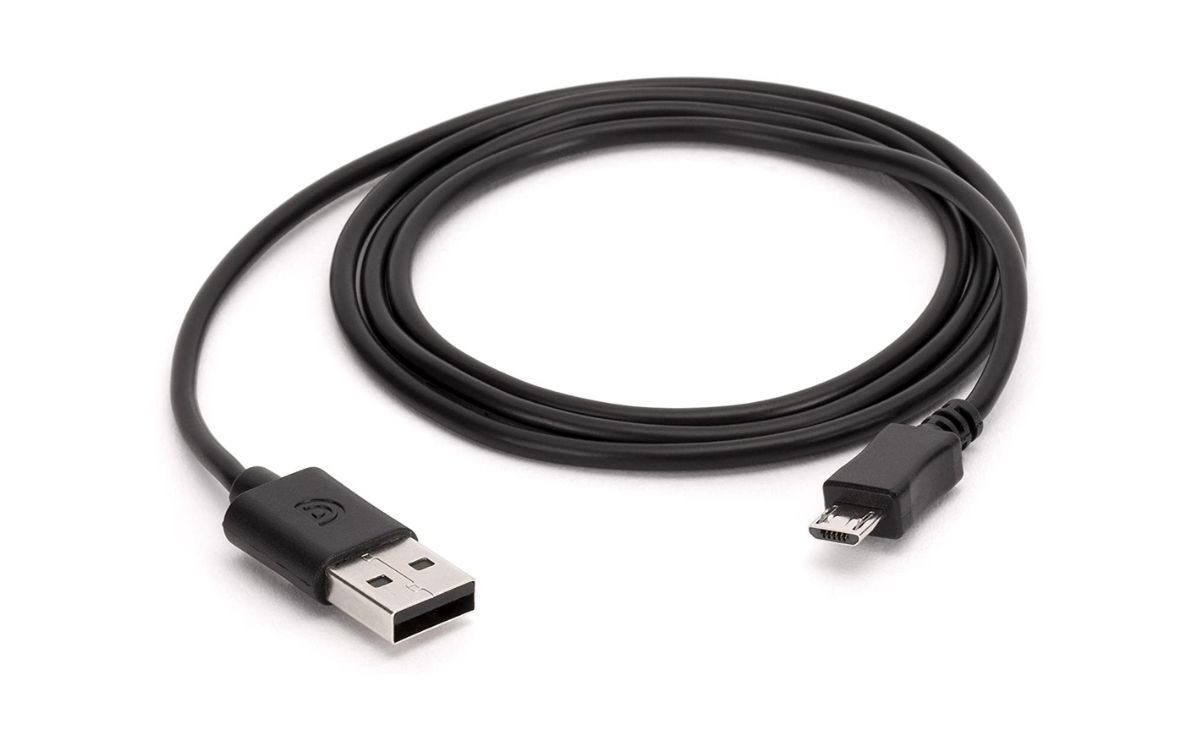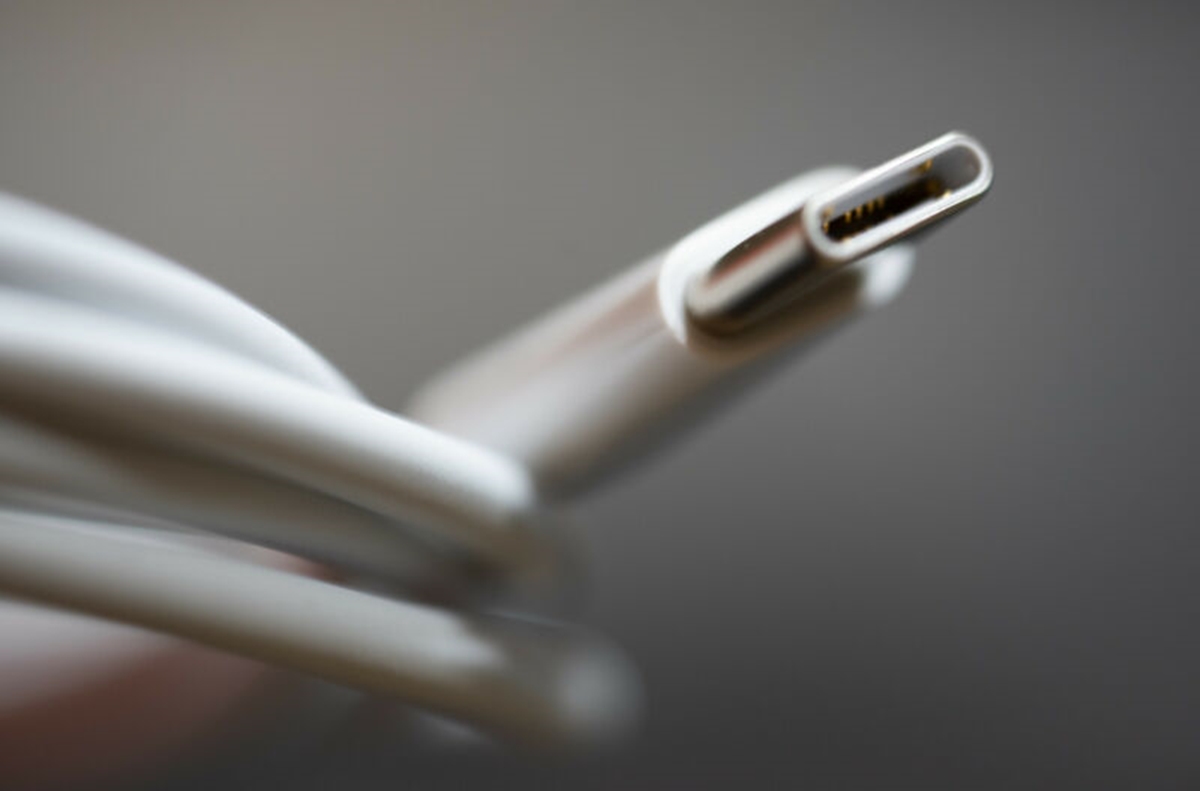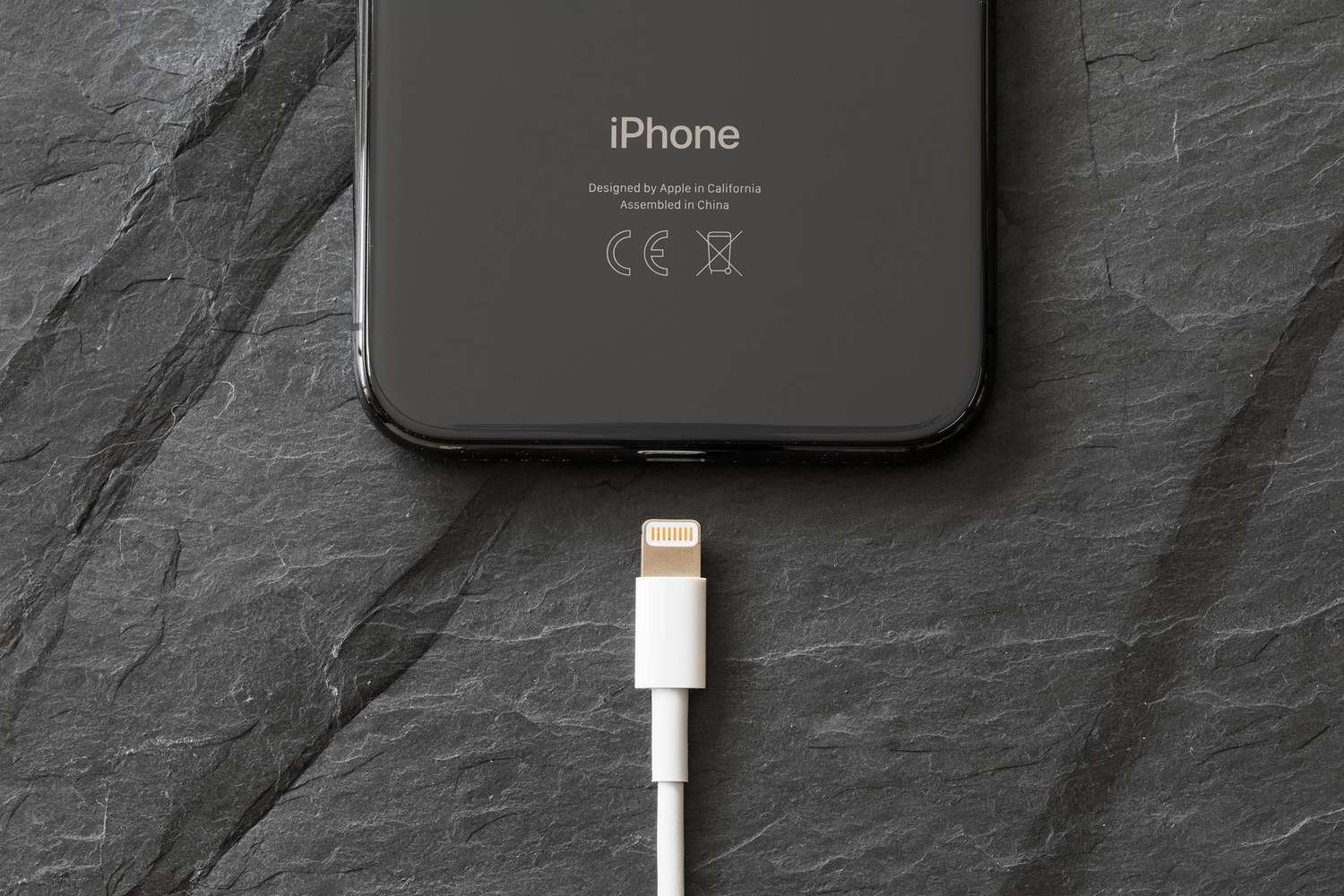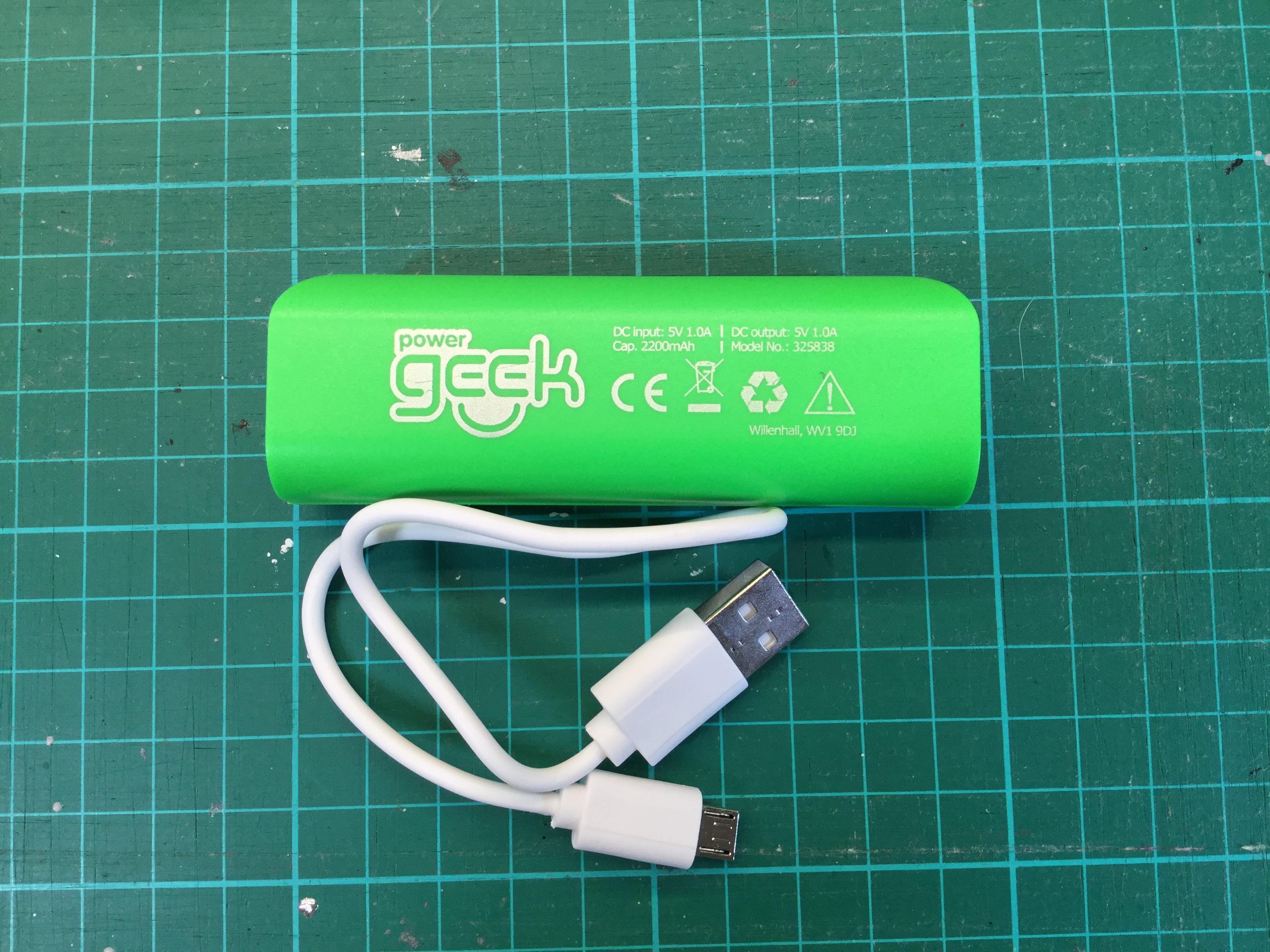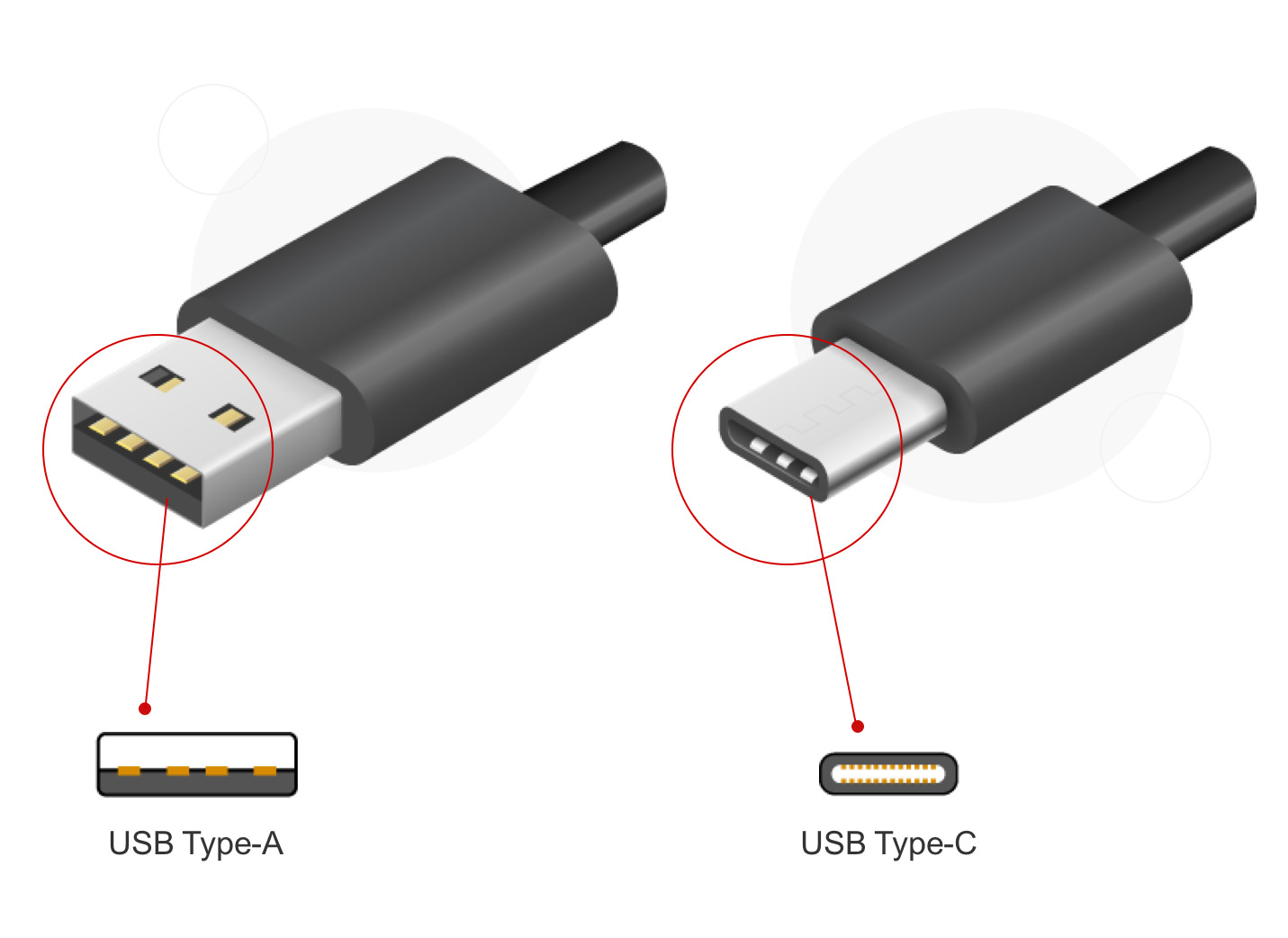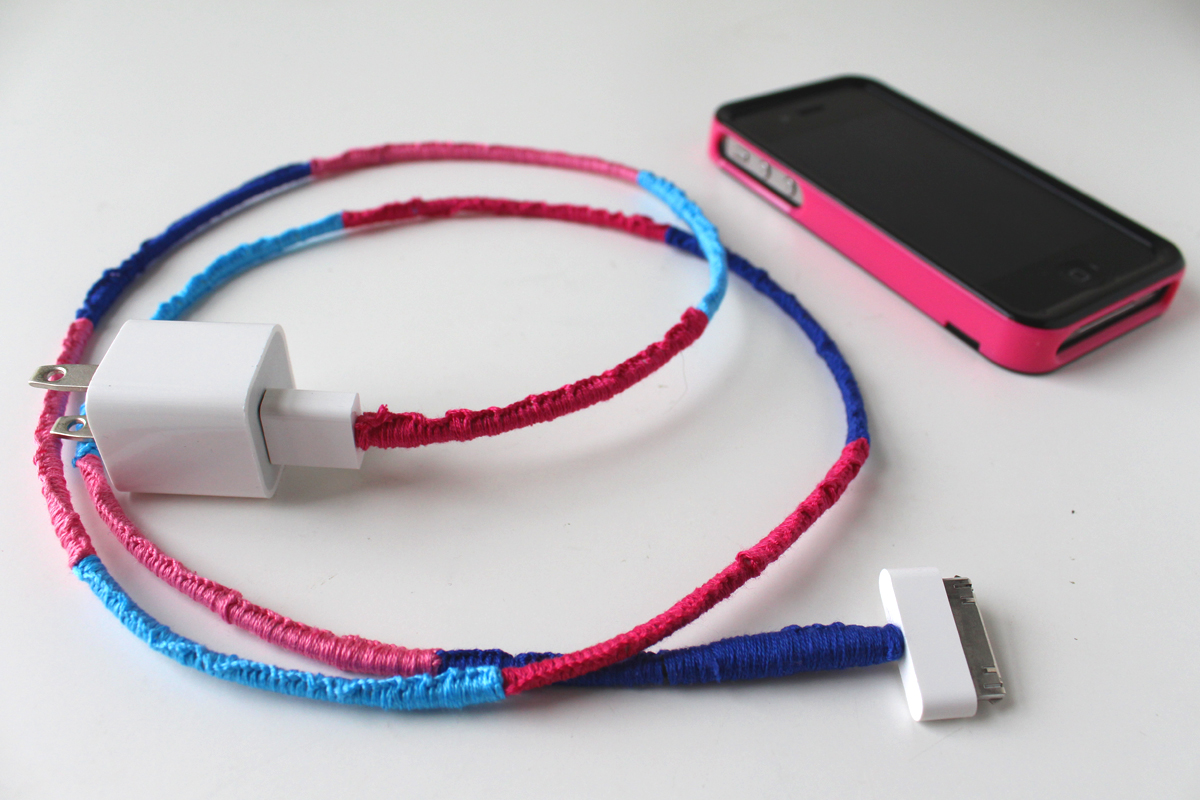





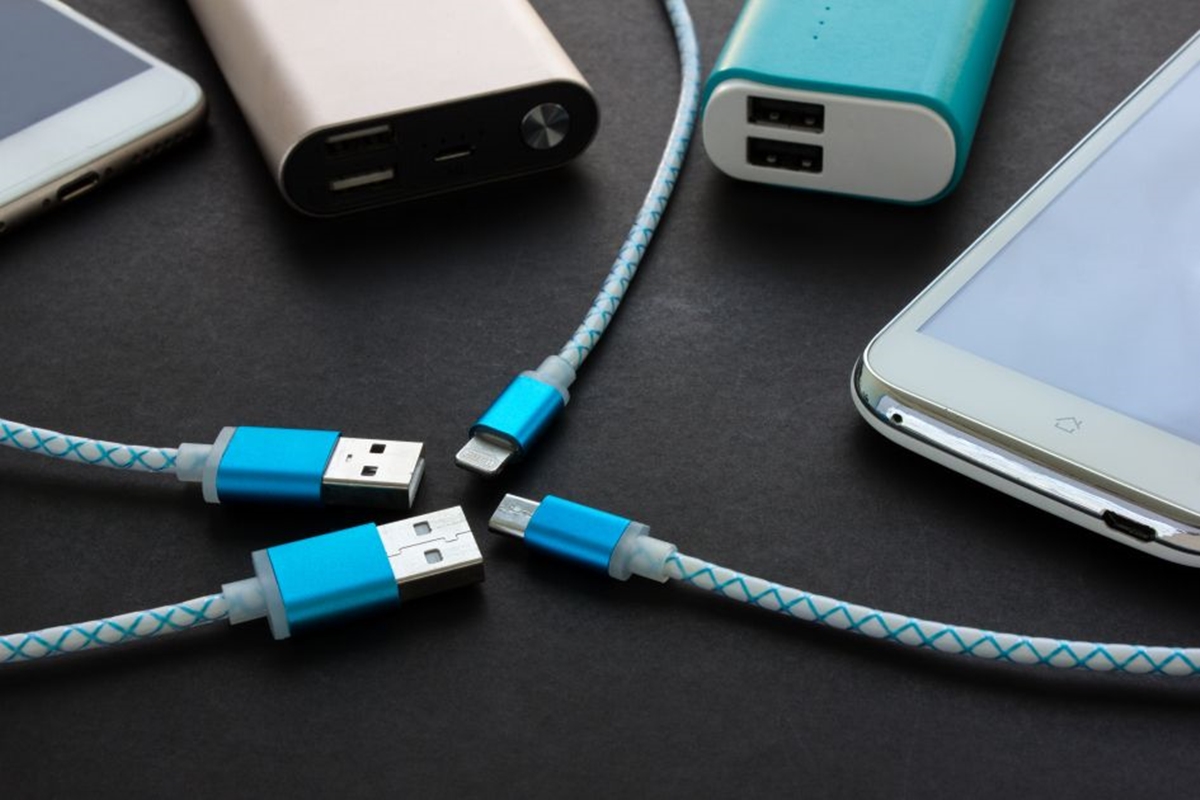
To find out what type of phone charger you need, start by looking at the physical charging port on your phone. Once you identify whether it is a USB-C, Lightning, or older micro-USB port, you must then match the charger's power protocol to your phone's specifications for safe and fast charging.
What type of phone charger do I need?
The direct answer is to first identify your phone's physical port, then select a charger that supports the correct power protocol for your device. For the fastest and most efficient charging, especially for newer phones like Google Pixel models, look for chargers that support Programmable Power Supply (PPS), a feature of USB PD 3.0 and later, which dynamically adjusts voltage and current to reduce heat. This approach ensures you get the best possible charging speed without damaging your battery.
Match your charger to your phone model
Different phone brands require different charger specifications for optimal performance. For iPhones, a 20W USB-C power adapter can charge iPhone 8 or later up to 50% in about 35 minutes, though newer iPhones (e.g., iPhone 17 series) may require 40W or more. For Google Pixel phones, any USB PD charger of 18W or greater will work, but for maximum speed on newer models, a charger with PPS up to 21 volts is recommended. Samsung users should look for USB PD chargers with PPS support. Manufacturers like Samsung strongly advise using genuine chargers, as uncertified or counterfeit products can damage devices or void warranties; genuine chargers often feature specific logos, text, serial numbers, and model codes.
Understanding charger types: USB-C, Lightning, and wireless
There are three main physical connector types you will encounter. USB-C is the modern standard used by most Android phones, newer iPhones, and many laptops, offering fast charging and data transfer. The Lightning connector is proprietary to Apple devices and is found on iPhones and iPads. For wireless charging, Qi2 is the latest wireless charging standard, incorporating a Magnetic Power Profile for improved device alignment and optimal charging, supported by devices like Pixel 10 and later. Understanding these phone charger types and cables helps you choose the right one for your device.
Why a genuine, certified charger matters for safety
Using a counterfeit or uncertified charger poses significant risks to your phone and personal safety. Poor quality chargers can damage your phone's battery, cause overheating, or even create fire hazards. Always check for these identifiers before purchasing a charger to ensure you are getting a safe, reliable product.
Frequently Asked Questions
Can I use any charger with my phone?
While you can physically connect many chargers to your phone, using an incompatible charger can lead to slow charging, battery damage, or safety risks. Always check your phone's charging specifications to ensure the charger delivers the correct voltage and amperage for your device.
What is fast charging and do I need a specific charger for it?
Fast charging requires both a compatible charger and cable that support the same fast charging standard as your phone. If your phone supports fast charging, you need a charger that can deliver higher power output, typically 18W or more, and the correct protocol like USB PD or PPS.
Are all phone chargers the same in terms of quality?
No, charger quality varies significantly between brands and price points. Cheap, uncertified chargers may not provide stable power delivery and can damage your phone or pose safety risks. Look for chargers from reputable manufacturers that meet safety standards.
Can I use a wireless charger for my phone?
You can use a wireless charger only if your phone supports wireless charging. Check your phone's specifications to see if it has built-in wireless charging capabilities. If your phone supports Qi2, you will get the best alignment and charging efficiency with a compatible wireless charger.
Related reading: What Devices Use A Micro USB Charger?.