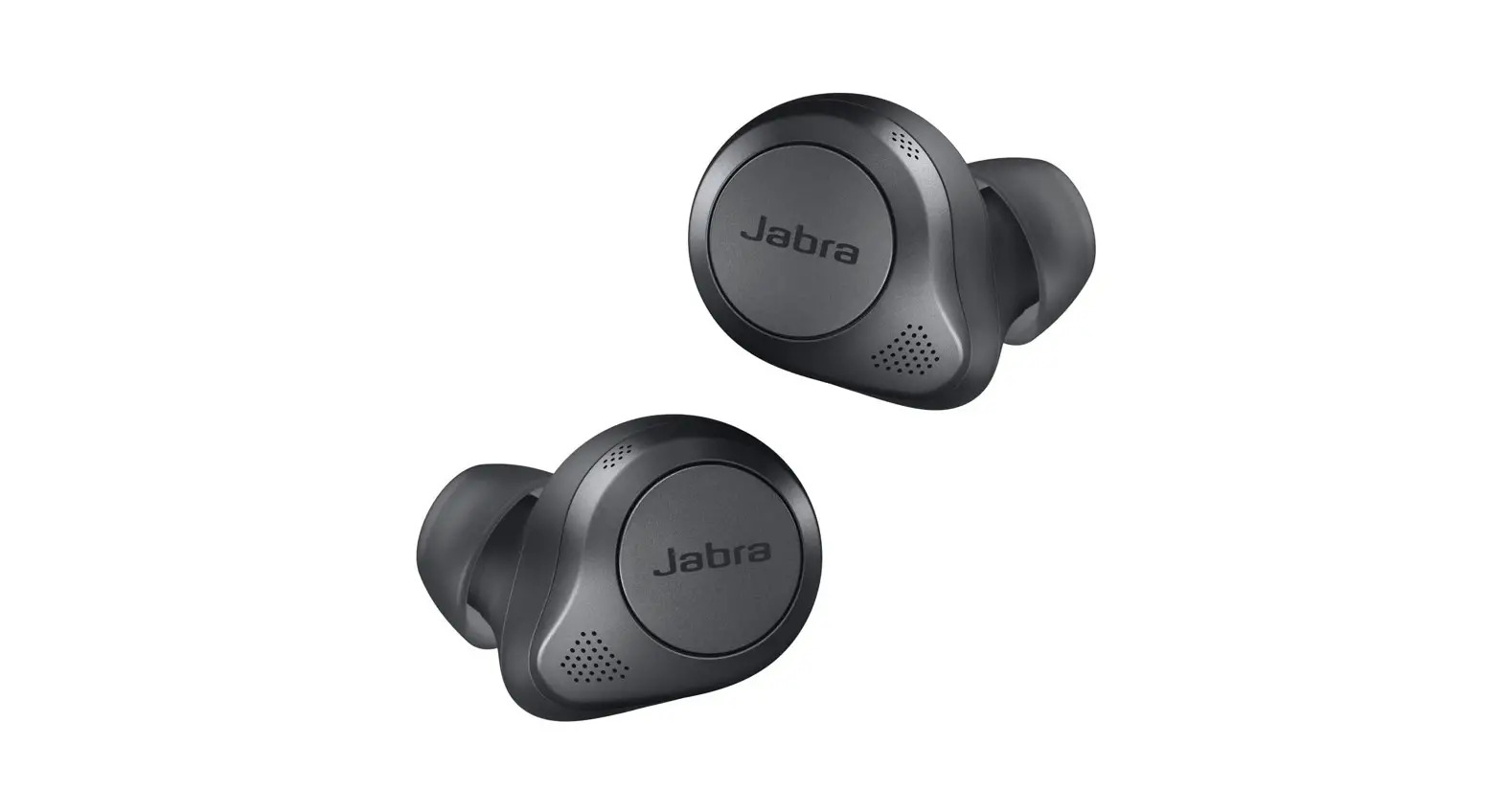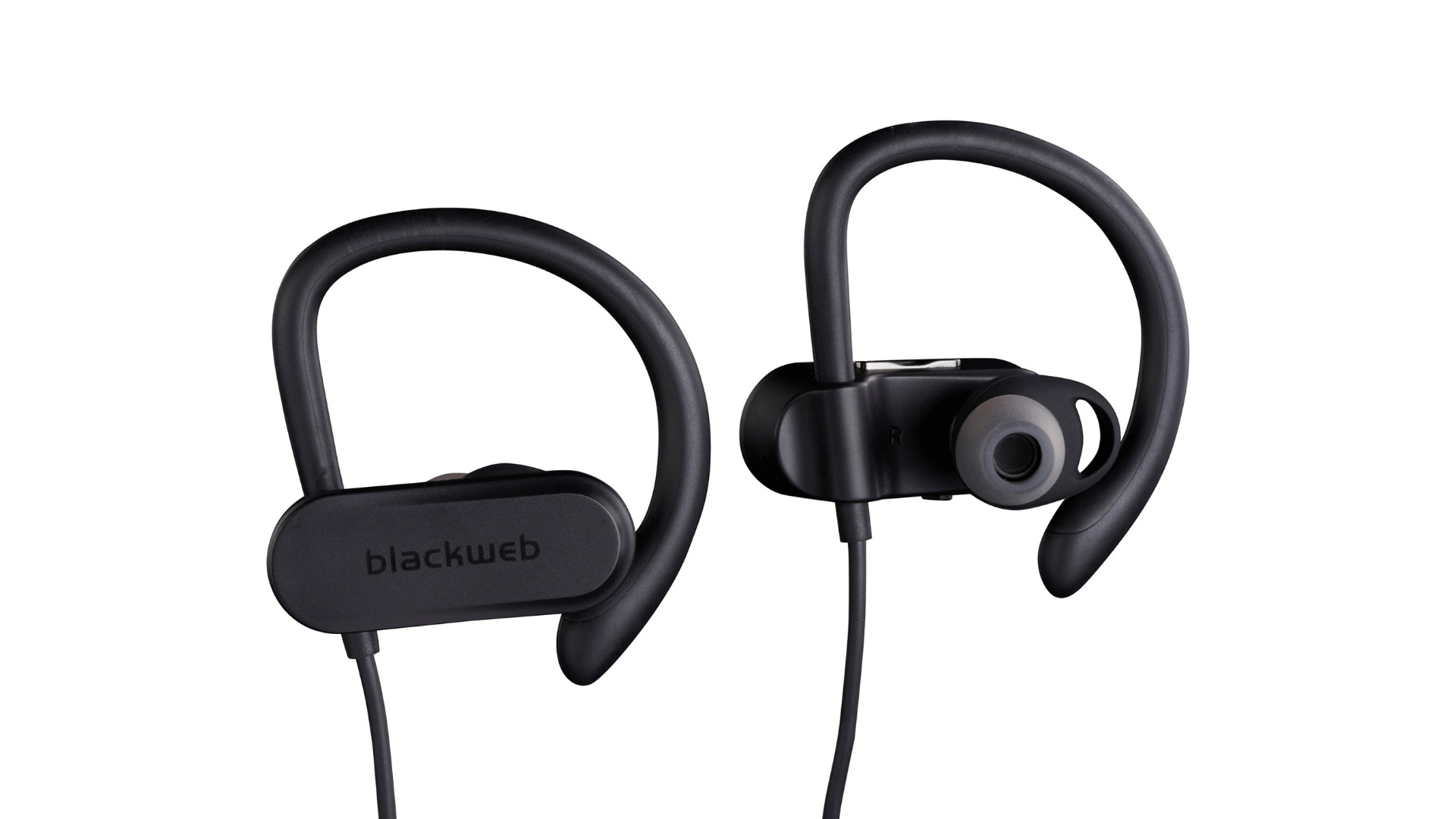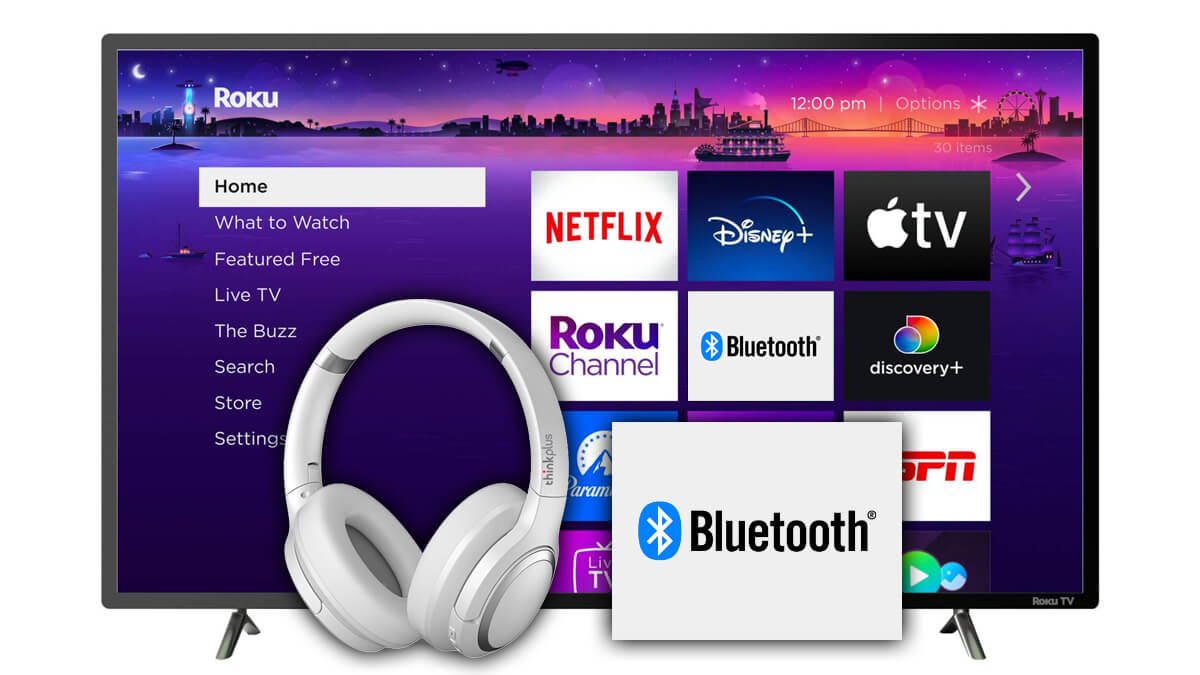




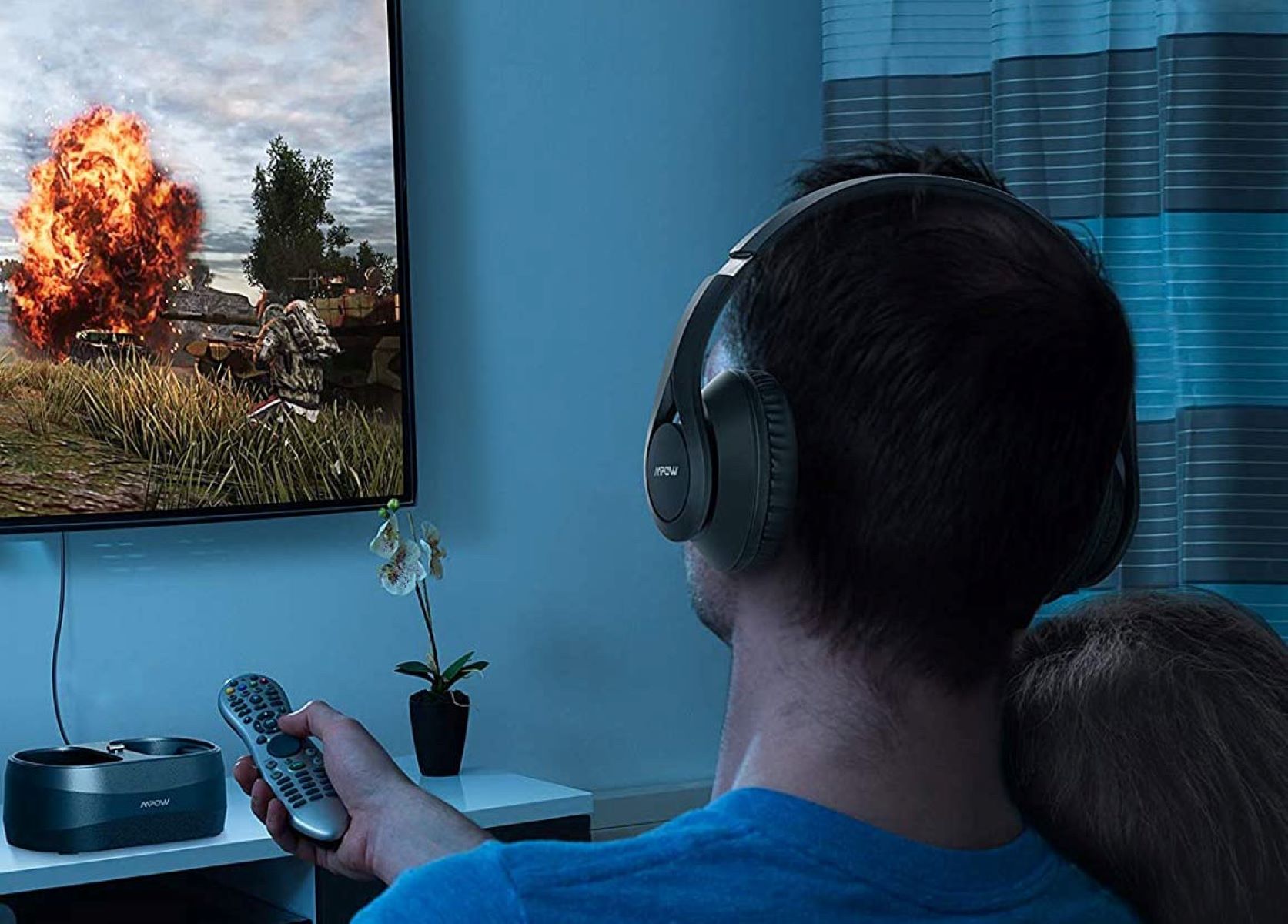
To connect wireless headphones to a TV, you can pair them directly if your TV has built-in Bluetooth, or use an external Bluetooth transmitter if it does not. This gives you private, wireless audio for your TV without disturbing others.
How to connect wireless headphones to a smart TV with Bluetooth
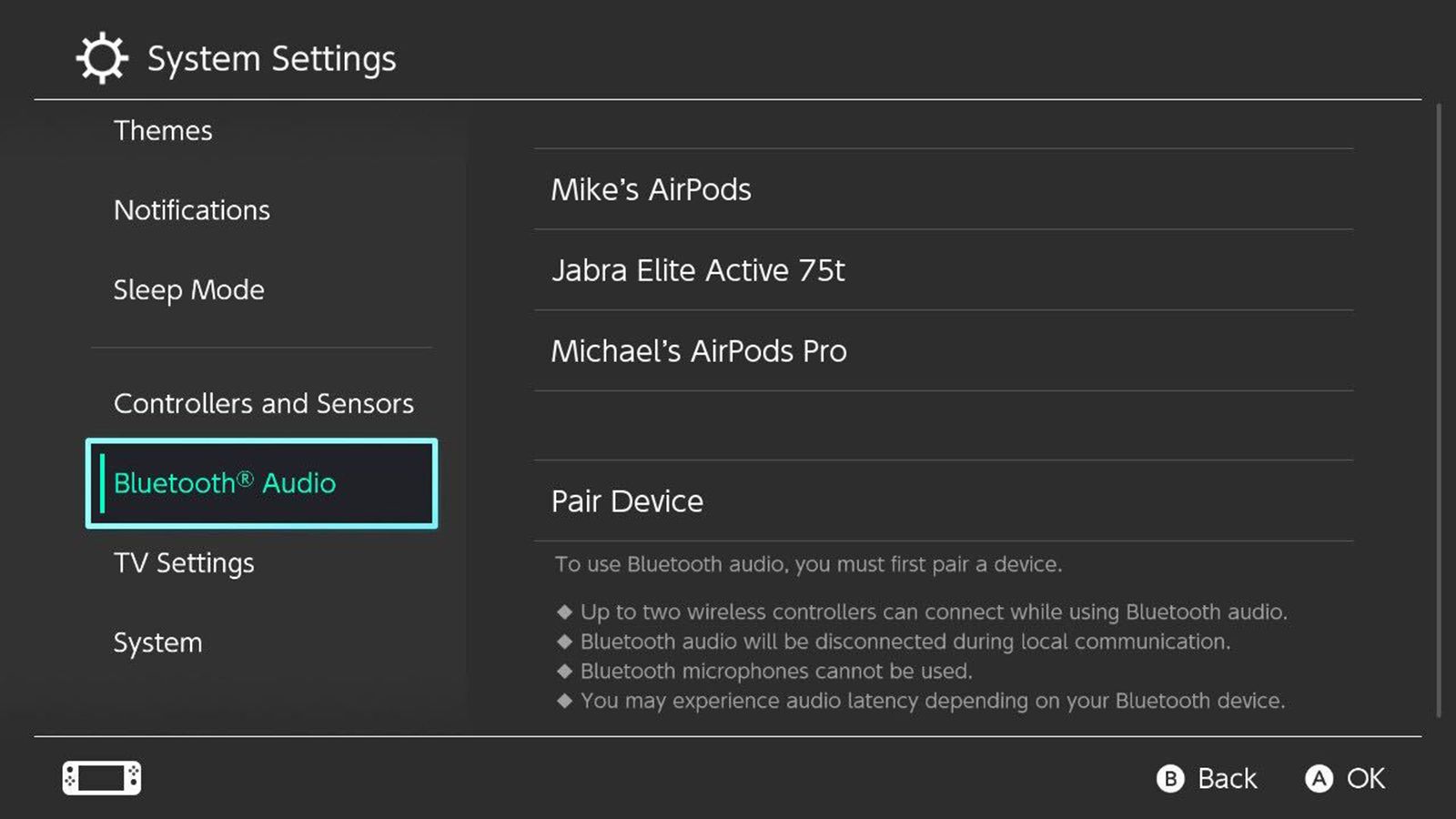
Most modern smart TVs include Bluetooth, allowing you to pair headphones directly. The exact steps vary by brand, but the general process is to put your headphones into pairing mode, then select them from the TV's Bluetooth settings.
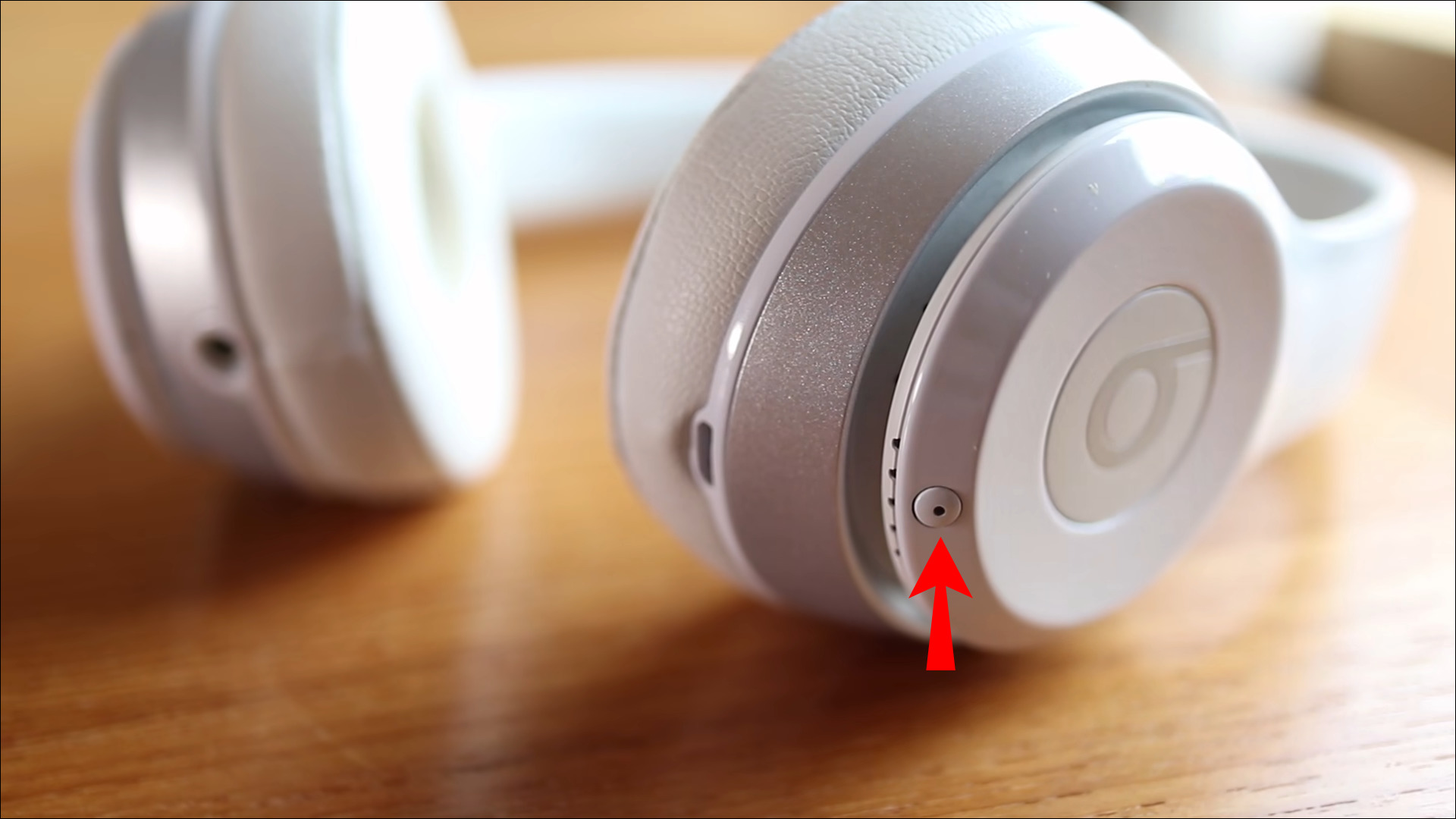
To put your headphones into pairing mode, you typically press and hold a power or pairing button until an indicator light flashes; consult your headphone's manual for specific instructions.
Samsung smart TVs (2016-present)
- Press the Home button on your remote.
- Navigate to Settings > Sound > Sound Output.
- Select Bluetooth Speaker List.
- Choose your headphones from the list to pair and connect.
LG smart TVs
- Press the Settings button on your remote.
- Navigate to Sound > Sound Out.
- Select Use Wireless Speaker (or Bluetooth Device List).
- Choose your headphones from the list.
Sony Google TV or Android TV models
- Press the HOME or Quick Settings button on your remote.
- Select Settings > Remotes and accessories > Pair accessory (or Bluetooth settings > Add device).
- Choose your headphones from the list.
Roku streaming devices with Bluetooth
This applies to Roku Streambar, Roku Ultra models, and Roku Select/Plus/Pro Series TVs.
- Go to Home > Settings > Remotes & devices > Wireless headphones.
- Select Add new wireless headphones.
- Choose your device from the list.
Some Samsung (2020 and newer) and LG TVs offer a "Multi-output Audio" or "Multi Connect" feature, allowing sound to play simultaneously through both the TV speakers and connected Bluetooth headphones.
How to connect wireless headphones to a TV without Bluetooth
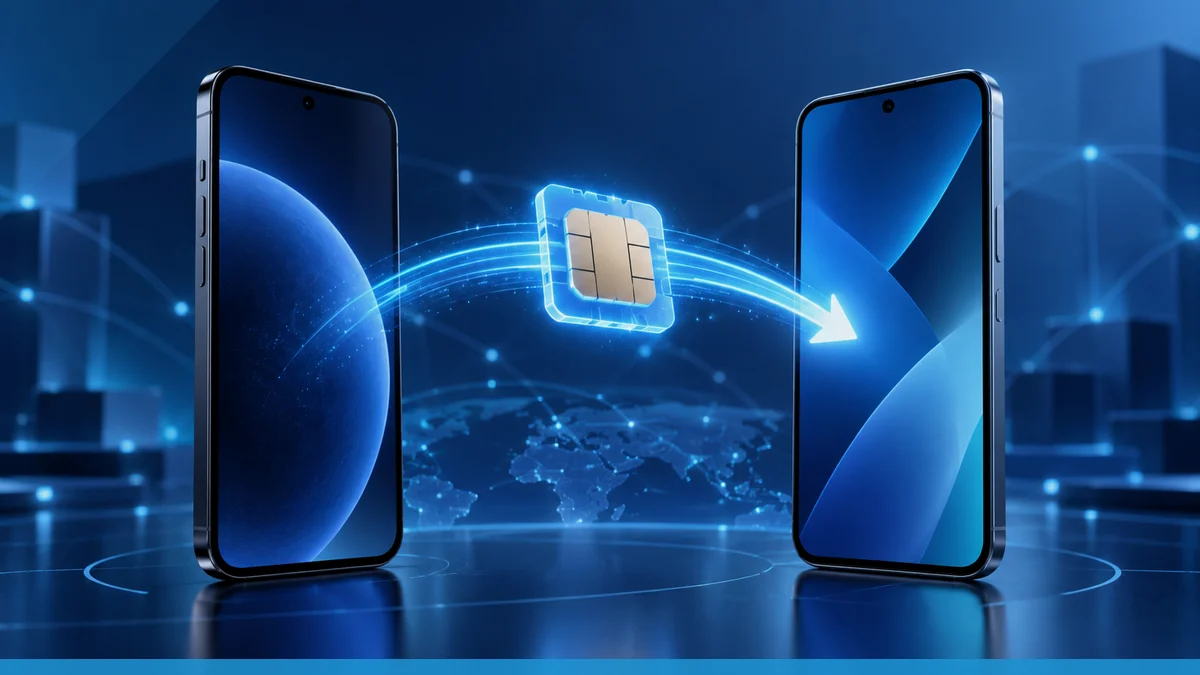
If your TV does not have built-in Bluetooth, you can use an external Bluetooth audio transmitter that plugs into the TV's audio output ports (Optical, 3.5mm AUX, or RCA).
- Connect the Bluetooth transmitter to your TV's audio output. Use the port that is available: Optical, 3.5mm AUX, or RCA.
- Power the transmitter. Avoid powering it from a TV's USB port, as some ports may not provide sufficient sustained power, potentially causing audio dropouts; use a wall adapter instead.
- When using an external Bluetooth transmitter, connect it to your TV's audio output, power it, then put both the transmitter and headphones into pairing mode to connect them.
- Once they connect, the TV audio will stream wirelessly to your headphones.
If your TV doesn't have Bluetooth or optical audio output, you can still connect wireless headphones using the RCA audio connection. RCA ports are typically color-coded red and white, and you'll need an RCA-to-3.5mm adapter to connect your headphones.
If your TV has an HDMI ARC (Audio Return Channel) port, you can utilize this feature to connect wireless headphones. HDMI ARC allows audio signals to be sent from the TV to external audio devices, including wireless headphones.
Bluetooth audio is generally limited to stereo sound and does not directly transmit surround sound formats like Dolby Digital or DTS; your TV will convert these to stereo.
How to connect Apple AirPods to a TV
Apple AirPods can connect to non-Apple smart TVs via Bluetooth settings, appearing as a standard Bluetooth device.
- Put your AirPods in pairing mode by holding the button on the case until the light flashes white.
- On your TV, open the Bluetooth settings (following the steps for your TV brand above).
- Select your AirPods from the list of available devices.
For Apple TV 4K, AirPods or Beats headphones can connect automatically if signed in with the same Apple ID, or manually by opening Control Center, selecting the headphones icon, and choosing your device.
Troubleshooting wireless headphone TV connection problems
No sound
Check that the volume on both the TV and the headphones is turned up. Ensure the headphones are properly paired with the TV. Verify that the TV's audio output is set to the Bluetooth speaker or external device, not the internal speakers.
Audio lag (lip-sync issues)
Some TVs and headphones support low-latency Bluetooth codecs (e.g., aptX Low Latency) to help keep audio in sync with the picture. Many TVs also have "lip sync" adjustments in audio settings. Keeping your headphones close to the TV can also strengthen the signal and reduce delay.
Interference and range issues
Bluetooth connections typically have a range of about 30 feet (10 meters). Interference from devices like Wi-Fi routers, microwaves, cordless phones, or Bluetooth speakers can disrupt the connection. Move away from these devices and ensure no obstacles block the signal path between the TV and headphones.
Poor sound quality
Check your TV's audio settings for presets or equalizers that can be adjusted. Also verify that the headphones are fully charged, as low battery can affect performance.
Firmware Updates
Manufacturers often release firmware updates for both TVs and wireless headphones to improve performance, compatibility, and troubleshoot issues. Keeping the firmware up-to-date can resolve many common issues.
Frequently Asked Questions
Can I connect multiple wireless headphones to my TV at the same time?
Some TVs allow connecting multiple Bluetooth devices simultaneously, while others support only one. If your TV does not support this, you can use a Bluetooth transmitter with multi-device support.
Why is there a delay between the audio and video when using Bluetooth headphones?
This is caused by Bluetooth latency. Using headphones that support low-latency codecs like aptX Low Latency can minimize the delay. Many TVs also offer a lip-sync adjustment in their audio settings.
Do I need a special adapter to use wireless headphones with an older TV?
If your TV lacks Bluetooth, you need an external Bluetooth transmitter that connects to the TV's audio output ports (Optical, 3.5mm AUX, or RCA). No special adapter is required beyond the transmitter itself.
Can I still use my TV speakers while wearing wireless headphones?
Check your TV's audio settings for this option.
Related reading: How To Connect LG TV To Wireless Headphones and How To Connect Jabra Wireless Headphones.